


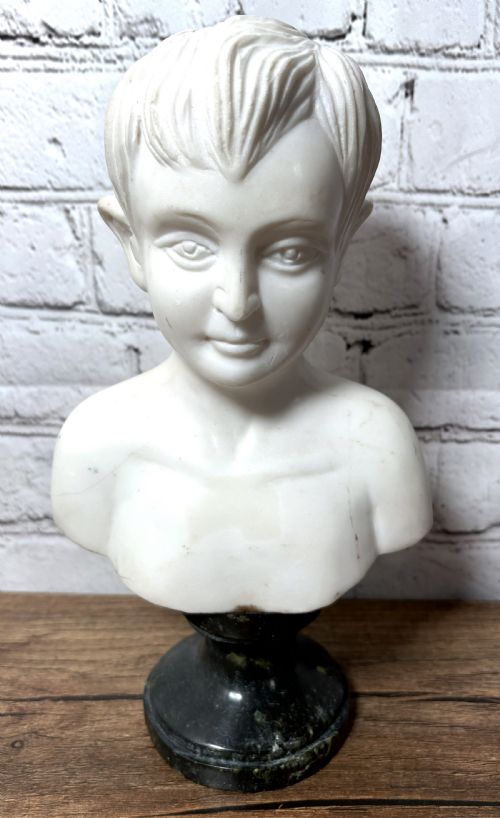


White Alabaster Pedestal
A white alabaster pedestal gives a room an architectural anchor and a glowing surface for display, shaped from stone.
White Alabaster Pedestal
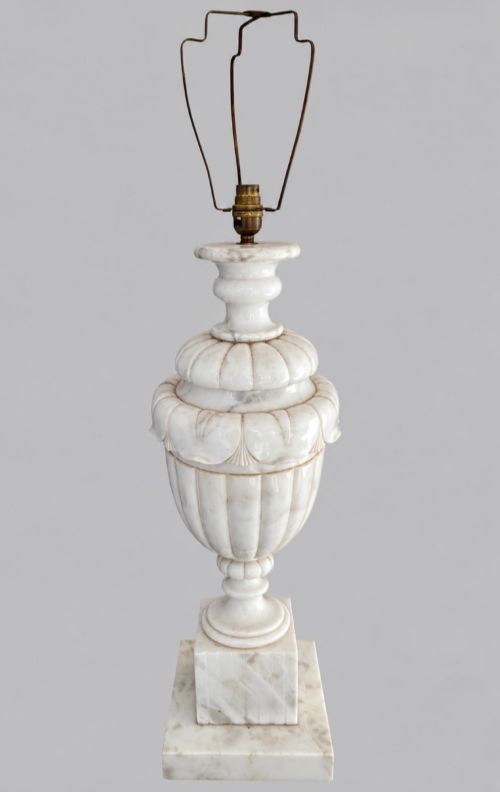
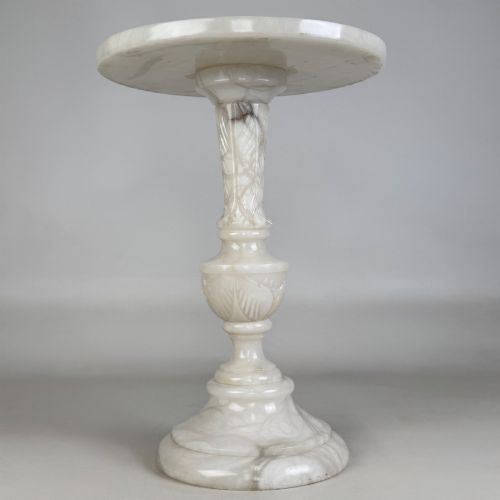
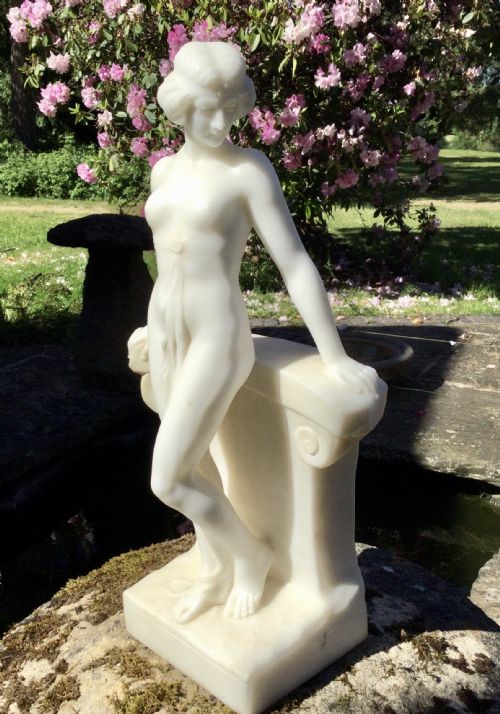
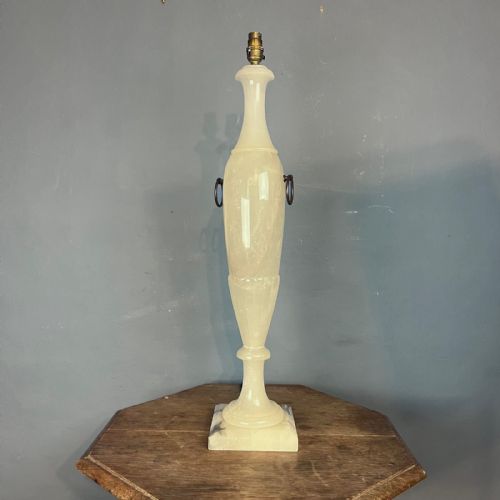
A white alabaster pedestal serves as a solid support or elevated platform for sculpture and lighting, drawing from neoclassical and revival designs. Buyers exploring a white alabaster pedestal encounter carved plant stands, columns, and sculptural mounts dating from the nineteenth century into the 1930s. The selection spans straightforward architectural columns to figural groups and fitted lamps originating from Italian and Swedish workshops.
Forms vary from slender plant stands to substantial floor-standing lamp columns and low comports mounted with brass. Many pieces incorporate white marble or hardstone alongside the primary soft stone, reflecting Grand Tour tastes and Neoclassical styles. Victorian and Edwardian examples sit alongside Art Deco and Art Nouveau lighting adaptations.
Materials and construction methods
Makers shaped these objects primarily from alabaster and marble, utilising stone carving techniques to create smooth columns, figurative sculptures, and hollow vessels. Metal components such as brass appear as structural mounts, decorative bands, and lamp fittings integrated into the stone bodies.
White Alabaster Pedestal Retail Price Guide 2026
Typical asking prices for white alabaster pedestal among the pieces listed under this phrase on Sellingantiques today, from the lower quarter to the upper quarter. They describe what is for sale here now, not the wider market.
The listings combine 19th Century, Victorian, and early 20th Century eras using alabaster, marble, brass, and hardstone.
Distinctions in execution and design
Quality rests upon the crispness of the stone carving and the proportion of the architectural form, whether in a simple column or a complex figural group. The integration of contrasting materials, such as brass mounts and pietra dura panels, separates standard utility pieces from finely detailed decorative works.
The sophistication of the stylistic revival, spanning Neoclassical revival, Art Nouveau, and Art Deco, dictates the visual weight and artistic ambition of the piece. Greater skill is evident where the natural translucency of the stone is used to advantage in lamps and figural sculptures.
The White Alabaster Pedestal Glossary
- Alabaster
- A fine-grained, translucent stone that is soft enough to carve into detailed figures, columns, and lamp bodies. It takes a smooth polish and transmits light gently.
- Pietra dura
- An artistic technique using cut and fitted polished coloured stones to create geometric or pictorial designs. It appears mounted on brass and alabaster dishes.
- Comport
- A shallow decorative dish or bowl raised on a stem and foot, used for display. These objects often combine stone with metal mounts.
- Neoclassical revival
- A style drawing inspiration from the classical art and architecture of ancient Greece and Rome. It informs the columns and plant stands in this group.
- Hardstone
- A semi-precious stone used in decorative inlay work and surface embellishment. It provides contrasting colour against white marble and alabaster.
White Alabaster Pedestal: Frequently Asked Questions
What is white alabaster?
Alabaster is a soft, dense stone valued for its smooth texture and subtle translucency when polished. It allows light to diffuse softly through lamps and sculptural forms.
Craftsmen have used this material for centuries to create decorative architectural supports, vases, and figures due to its agreeable carving properties.
How do I clean alabaster?
Alabaster is porous and sensitive to moisture, requiring careful maintenance with a dry or very slightly damp cloth. Water and harsh chemicals can damage the polished surface.
Regular dusting keeps the stone free from grime without risking the delicate carved details found on columns and plant stands.
Are these pieces wired for modern use?
Lighting fixtures in this category often retain period wiring or adaptations from the early twentieth century. Buyers should have electrical components checked by a professional before use.
Many lamps accommodate standard fittings while preserving the original stone and brass body structure.
What styles are common?
Neoclassical revival and Grand Tour influences dominate these pieces, reflecting an interest in classical architecture and sculpture. Art Nouveau and Art Deco forms also appear in later lighting and stands.
These varied styles bring architectural dignity or decorative flair to nineteenth and early twentieth-century interiors.