
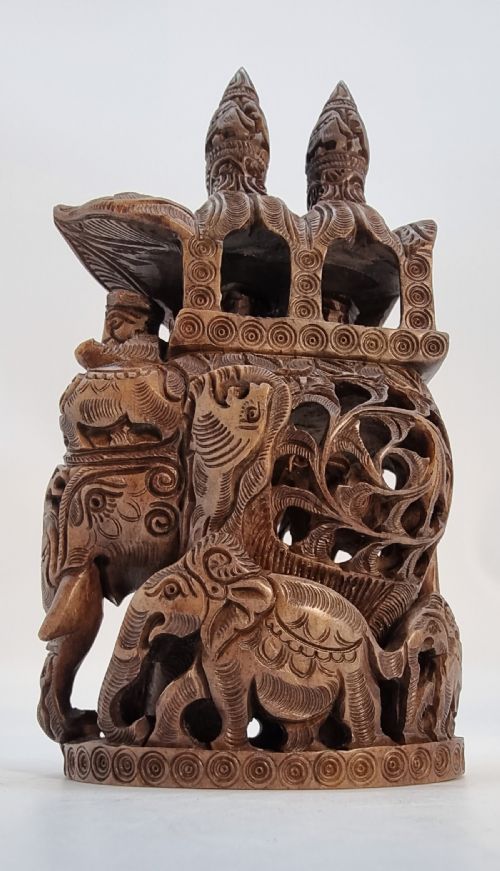


Carved Stone Animal Sculpture
These carved stone animal sculpture pieces bring character and tactile weight to a room, ranging from grand Italian marbles to small Asian hardstone carvings.
Carved Stone Animal Sculpture
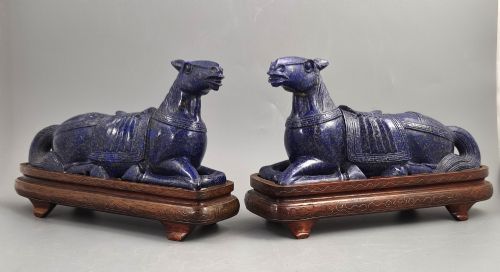
When you search for carved stone animal sculpture, you encounter figures shaped from hardstones, marbles, soapstones, and alabaster across several centuries. The selection spans European Grand Tour subjects and Asian decorative art, reflecting diverse traditions of animal representation.
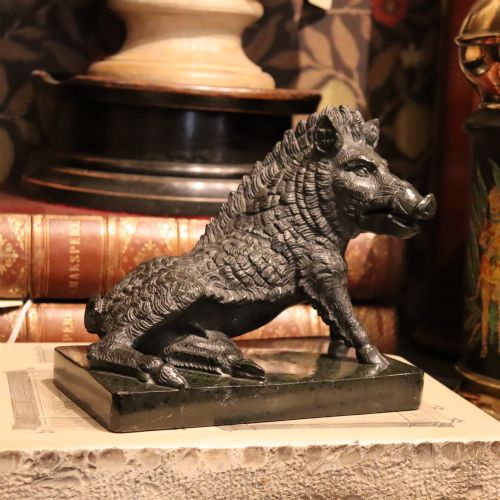
Most examples you meet on this page date from the nineteenth century, including Italian green serpentine models and Chinese jade or soapstone carvings. Subjects range from classical lions and wild boars to domestic dogs, horses, elephants, and fish.
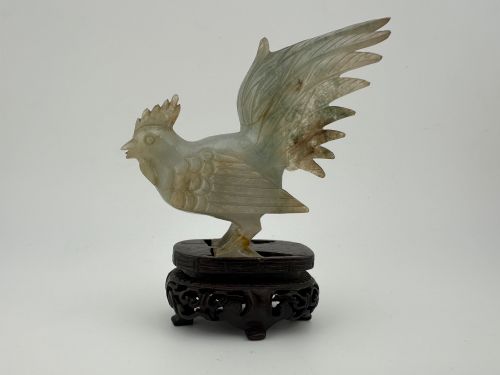
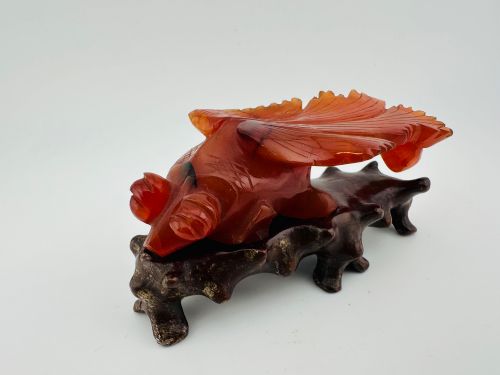
European pieces often reproduce classical statuary or after-the-antique subjects in marble and alabaster. Asian carvings utilise jade, hardstone, and soapstone to depict horses, roosters, pigs, and ceremonial elephants with stylistic economy.
How they were made
Carvers shaped these pieces from blocks of stone using chisels, files, and abrasive powders to achieve smooth surfaces or detailed texture. Materials such as serpentine marble, Carrara marble, Derbyshire alabaster, and soapstone required patient hand work to define anatomical forms.
Hardstones like jade demanded specialised abrasive cutting and polishing techniques due to their extreme durability. Specimen marbles and multi-coloured stones were selected for their natural veining to enhance the visual impact of horses, lions, and eagles.
A charming Chinese soapstone carving captures a sow and piglets resting together.
What varies in quality
Quality rests upon the sensitivity of the carving and how well the material serves the subject. A successful sculpture captures the muscle and posture of a stallion, lion, or boar rather than relying solely on the natural grain of the stone.
Surface finish and proportion separate ordinary decorative objects from finer works. Master carvers balanced the natural markings of serpentine, alabaster, or jade with precise anatomical observation.
Bright And Sons·Joseph Gott
The Carved Stone Animal Sculpture Glossary
- Serpentine Marble
- A dark green stone with cloudy markings often utilised for Italian Grand Tour animal models. It takes a high polish and mimics antique bronzes.
- Hardstone
- A collective term for semi-precious stones such as jade, agate, and jasper. These materials require abrasive cutting techniques.
- Grand Tour
- A nineteenth-century tradition of acquiring classical or Renaissance souvenirs in Italy. Sculptures of ancient boars and lions were popular purchases.
- Soapstone
- A talc-schist mineral soft enough to carve with simple tools. It appears frequently in Chinese animal studies.
- Alabaster
- A fine-grained stone used for Victorian animal sculptures. It permits a translucent finish that catches the light.
Carved Stone Animal Sculpture: Frequently Asked Questions
What periods do these sculptures cover?
The pieces span from pre-sixteenth century Chinese work up through nineteenth-century European interpretations and early twentieth-century Art Deco designs.
Most items date from the nineteenth and early twentieth centuries, reflecting both Grand Tour tastes and Asian decorative carving traditions.
How do I care for stone sculptures?
Keep stone and marble figures away from direct heat sources and sudden temperature changes. Dust them gently with a dry, soft cloth.
Avoid using liquid cleaners or polishes on soapstone and alabaster, as these porous materials absorb moisture and oils easily.
Where were Grand Tour pieces made?
Grand Tour sculptures were primarily produced in Italy, particularly in workshops catering to foreign travellers visiting Rome and Florence.
Craftsmen recreated classical Roman and Greek animal statues in local marbles and serpentine for visitors to take home.
What is the difference between jade and soapstone?
Jade is a tough, dense hardstone that resists scratching and requires specialised abrasive tools to shape and polish. It has a cool, vitreous feel.
Soapstone is a much softer, talc-based mineral that feels soapy to the touch and allows for deep, intricate undercutting with simpler hand tools.