





Antique Marble Animal Statue
These antique marble animal statues bring domestic warmth and classical weight together, pairing carved stone plinths with metal or marble beasts.
Antique Marble Animal Statue
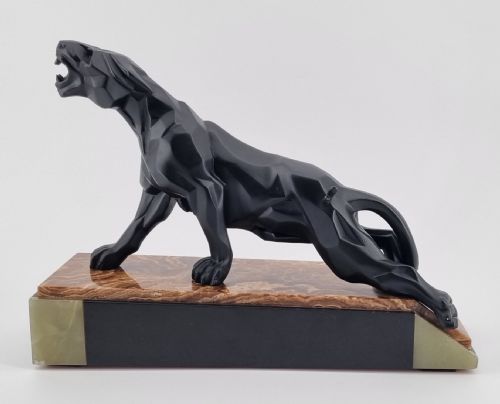
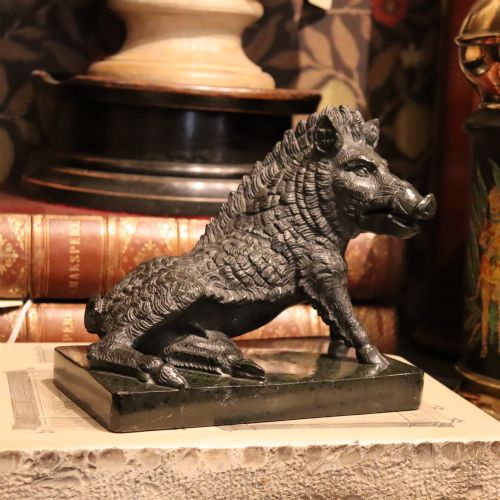
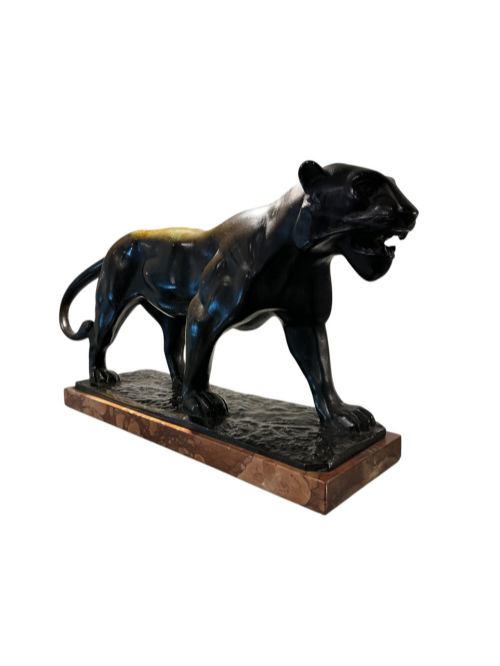
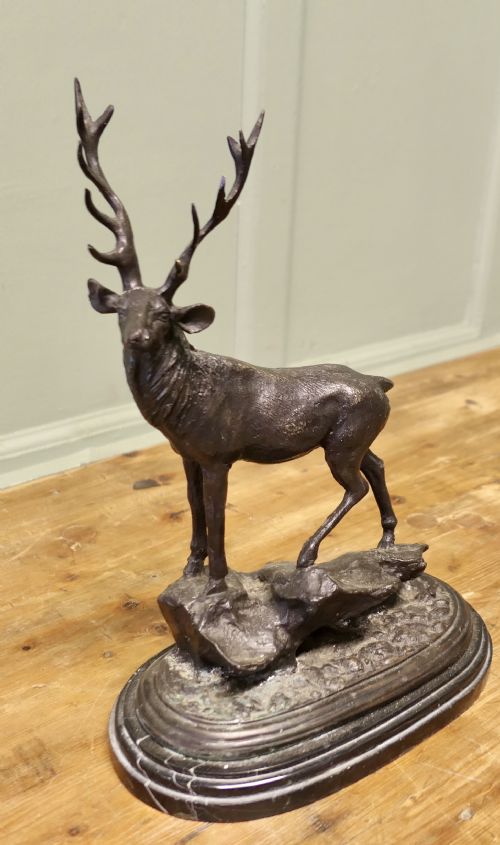
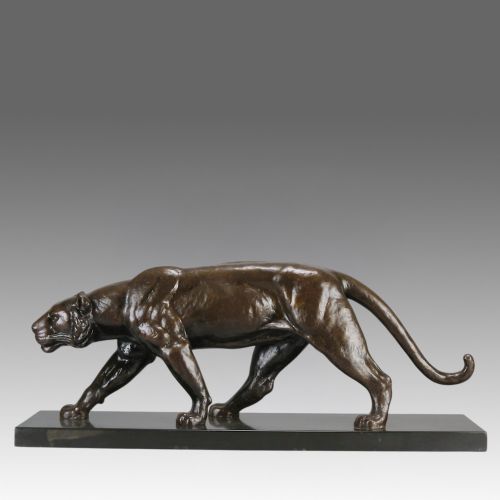
An antique marble animal statue combines carved stone bases and figures with subjects ranging from powerful big cats to domestic hounds. The selection spans the nineteenth century through the art deco era, encompassing grand tour souvenirs and French animalier works.
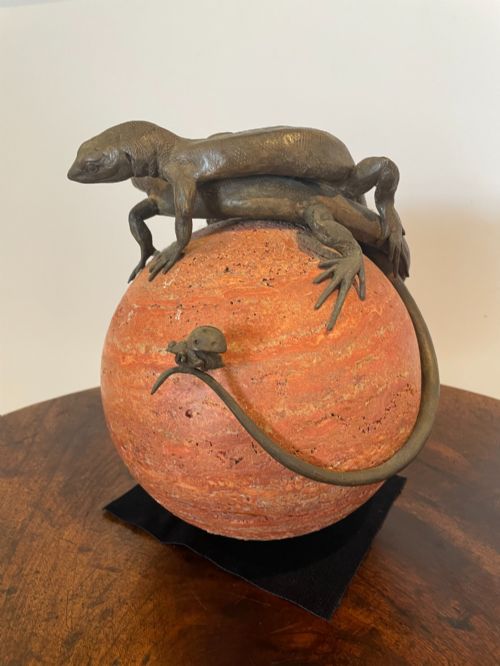
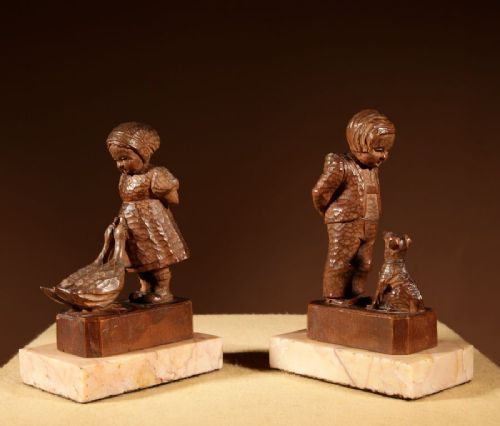
Most examples pair a sculpted animal subject with a contrasting base or mount. These pieces take the form of freestanding sculptural groups, functional bookends, and table lamps utilising veined marble or serpentine stone.
Makers drew inspiration from classical antiquities and contemporary wildlife studies. The domestic interiors of the Victorian period and the stylised geometry of the 1920s and 1930s shape the predominant visual styles.
How they were made
Sculptors utilised traditional carving methods on blocks of serpentine marble, veined Carrara marble, and onyx for the structural bases and stone figures. Metal animal figures were cast using the lost-wax bronze technique or formed in spelter before mounting.
Craftsmen combined disparate media by securing cast bronze and patinated metal sculptures onto fitted stone plinths using threaded bolts or pins. Surface details on the stone elements were hand-finished with rasps and polished to various degrees of lustre.
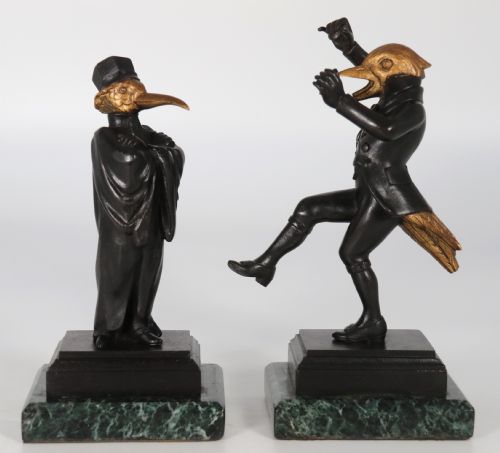
The collection includes theatrical birds posing in bronze alongside classical lions and domestic spaniels.
What varies in quality
The precision of the animal anatomy and the crispness of the chasing on the metal elements set the finest pieces apart from standard production. Superior castings retain subtle muscle tension and accurate textures in fur and feathers.
The selection of the stone base dictates overall character, with dense serpentine marble and heavily veined Carrara varieties holding greater decorative presence than plain or uniform substitutes. The harmony between the proportions of the carved beast and its stone foundation determines visual balance.
Alexandre Ouline·Prosper Lecourtier·Delabrierre·Clovis Masson·Antoine L Barye·Michel Decoux·Andrey·I Rochard·Joseph Gott·L Bureau
The Antique Marble Animal Statue Glossary
- Animalier
- A nineteenth-century artistic movement dedicated to the realistic portrayal of animals, particularly predators and hounds. Practitioners rendered creatures with close attention to anatomical movement.
- Grand Tour
- The traditional journey of continental Europe undertaken by upper-class Europeans to collect classical art and architectural models. Italian workshops produced carved marble animal replicas for these travellers.
- Spelter
- A zinc alloy commonly utilised as a less costly alternative to bronze during the art deco period. It accepts patination well to simulate heavier metals on mounted animal figures.
- Serpentine marble
- A dark green rock rich in magnesium silicate, prized for its mottled appearance and smooth finish. Carvers favored this material for classical architectural models and animal bases.
- Plinth
- A heavy base or slab supporting a statue or sculptural group. These mounts provide stability and visual elevation for the animal figures.
Antique Marble Animal Statue: Frequently Asked Questions
What animals appear most often?
Big cats such as panthers, tigers, and lions dominate the animalier selections, alongside stags, dogs, and birds. Domestic hounds and working dogs also feature frequently.
These subjects reflect nineteenth-century naturalist studies and later art deco streamlining. Sculptors captured both static poses and dynamic hunting scenes.
How do I date these sculptures?
Stylistic markers and material choices indicate the period of creation. Nineteenth-century pieces lean towards classical grand tour motifs and detailed bronze casting.
Twentieth-century examples often incorporate art deco geometry, spelter alloys, and contrasting onyx bases. Examining the underside of the stone plinth helps reveal age.
Where were they originally displayed?
Owners placed these statues on library desks, mantelpieces, and grand entrance hall tables. Bookends and lamp conversions served functional roles in domestic interiors.
Larger marble studies sat upon dedicated pedestals or sideboards. Their dense stone construction suited heavy domestic furniture.
How should I clean the marble?
Dust the stone and metal surfaces gently with a dry, soft cloth. Avoid harsh chemical cleaners or excess moisture on patinated bronze and spelter.
Natural stone requires minimal intervention to preserve its surface polish. Specialist museum wax can protect exposed marble from staining.