




Carved Square Coffee Table
A carved square coffee table brings low, textured timber surfaces and varied regional carving traditions into a modern room.
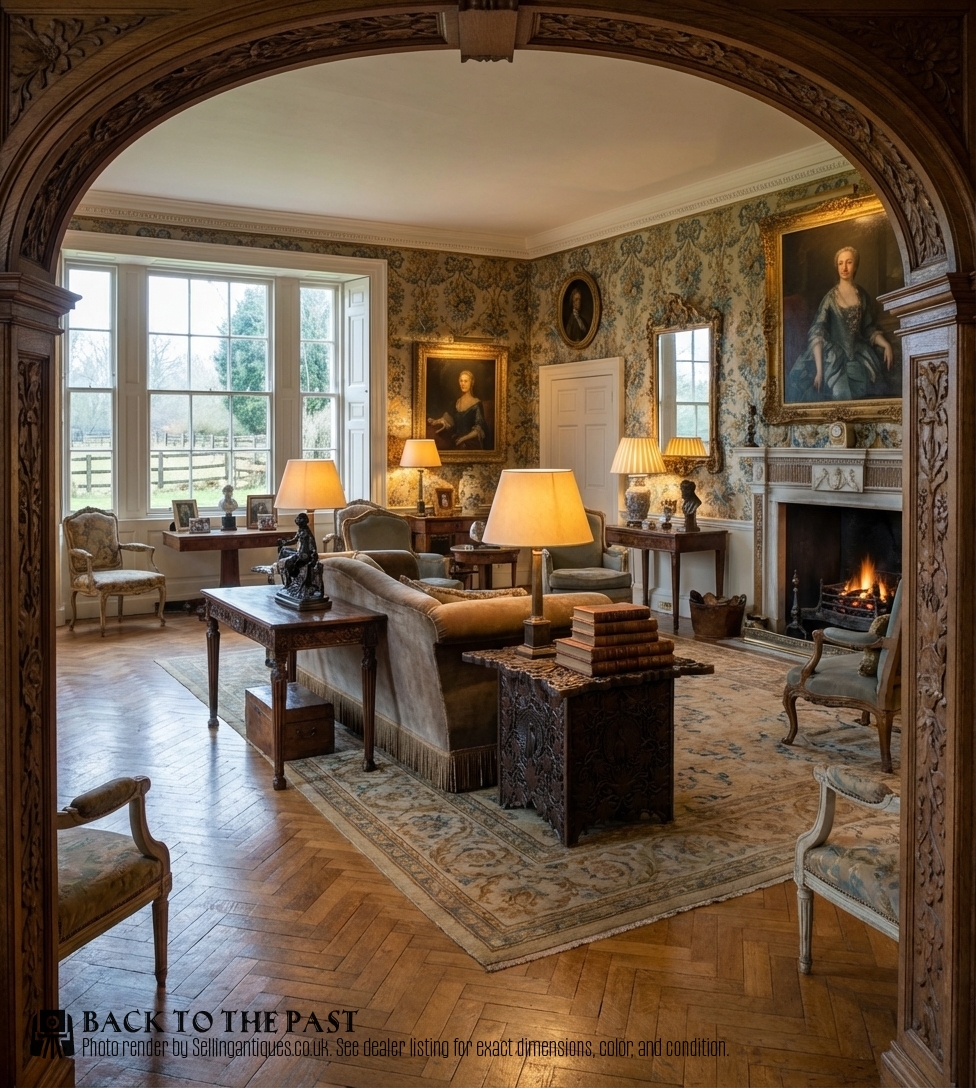
Carved Square Coffee Table
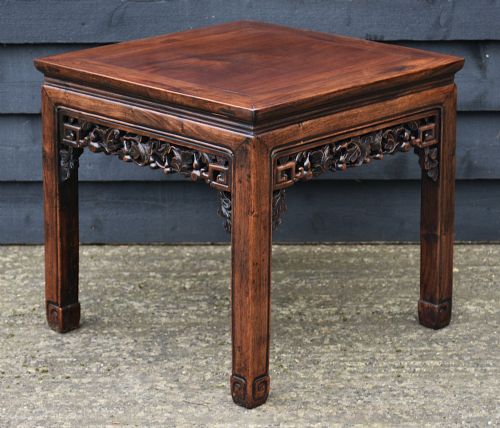
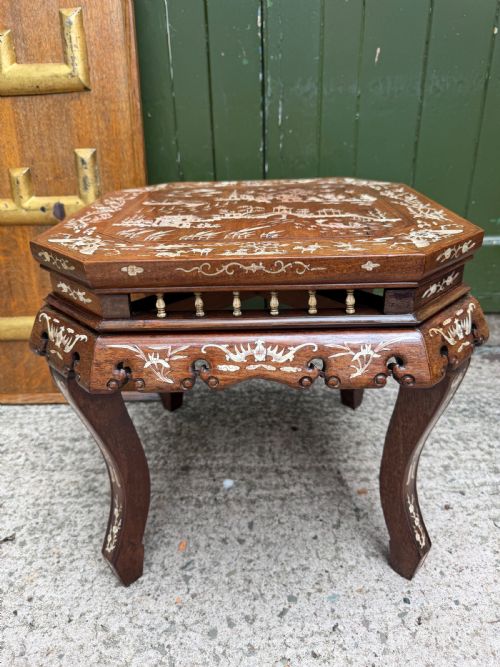
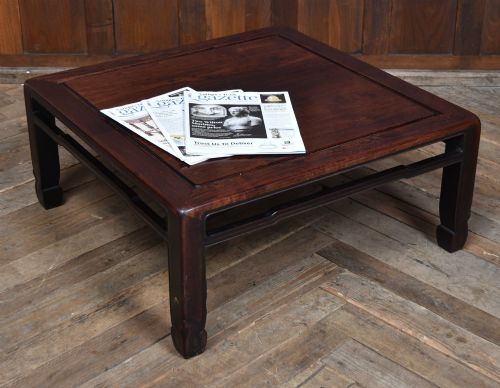
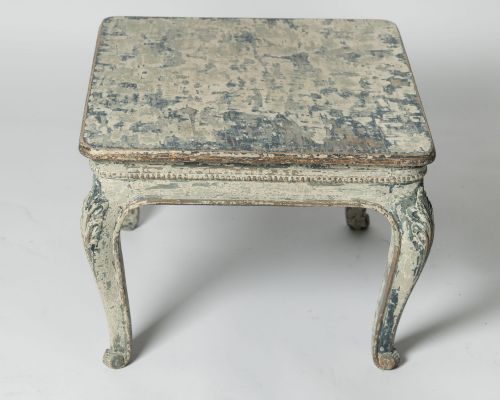
A carved square coffee table is a low surface built from timber, drawing on nineteenth-century and early twentieth-century origins ranging from Chinese rosewood and padouk low tables to Anglo-Indian and French provincial styles. Buyers searching for a carved square coffee table encounter pieces styled after Qing dynasty traditions, Arts and Crafts workshops, and Georgian revival designs, alongside side tables and footstools adapted for low coffee use.
The selection on this page demonstrates considerable variety in form and period, spanning the nineteenth century up to the 1920s. Alongside traditional hardwood coffee tables, the inventory includes leather upholstered footstools and centre stools, reflecting how diverse low seating and side furniture pieces are frequently repurposed as coffee tables.
Materials and construction
Construction relies heavily on dense hardwoods, specifically rosewood, padouk, oak, and teak, which provide the structural stability necessary for intricate surface carving. Artisans utilised traditional joinery methods suited to the specific regional style, whether following Chinese Qing joinery, Anglo-Indian relief work, or Arts and Crafts framing.
Surface ornamentation ranges from profuse hand carving to painted finishes, occasionally incorporating brass details or inset leather upholstery. The timber was selected for grain pattern and weight, allowing deep relief work without compromising the integrity of the low frame.
Carved Square Coffee Table Retail Price Guide 2026
Typical asking prices for carved square coffee table among the pieces listed under this phrase on Sellingantiques today, from the lower quarter to the upper quarter. They describe what is for sale here now, not the wider market.
One repurposed bullock cart managed to transition from heavy agricultural hauling in India to holding afternoon teacups in a sitting room.
Distinguishing quality
Quality in these pieces is dictated by the depth, crispness, and execution of the hand carving across the timber surface. Superior examples display confident, sharp detailing that remains harmonious with the structural proportions of the table, whereas lesser items feature softer, shallower moulding that lacks definition.
The choice of material similarly separates standard examples from exceptional ones. Dense, richly figured hardwoods such as rosewood and padouk command higher regard than general timber or painted alternatives, holding their structural stability and finish far better over time.
The Carved Square Coffee Table Glossary
- Padouk
- A dense, heavy tropical hardwood prized for its reddish-brown colour and durability. It was frequently utilised in fine nineteenth-century Chinese furniture.
- Rosewood
- A richly grained, hard timber valued for dark figuring and a smooth polished finish. It appears frequently on nineteenth-century low tables and oriental stands.
- Qing Dynasty
- The final imperial dynasty of China, spanning from the seventeenth to the early twentieth century. Its distinct aesthetic heavily influences many carved oriental low tables.
- Arts and Crafts
- A design movement of the late nineteenth and early twentieth centuries emphasising handcraftsmanship and simple vernacular forms. Pieces from this tradition avoid excessive ornamentation in favour of honest construction.
Carved Square Coffee Table: Frequently Asked Questions
What periods do these tables come from?
The pieces span the nineteenth century and the early decades of the twentieth century, including items dated around 1860, 1890, 1900, and 1920.
This range encompasses various eras such as the late Victorian period and the Arts and Crafts movement.
Are all these tables originally coffee tables?
Not all pieces were originally built as coffee tables. The selection includes items originally designated as low tables, side tables, tea tables, centre stools, and leather upholstered footstools.
Many of these low-profile historical items adapt naturally to modern coffee table use.
What woods should I look for?
The listings feature a variety of timbers including rosewood, padouk, oak, teak, and general oriental hardwood.
Dense tropical hardwoods like padouk and rosewood offer particularly rich grain patterns and durability.
How do styles differ between pieces?
Styles range widely across regional and historical traditions, including Chinese Qing style, French provincial, Georgian revival, and traditional English.
Some pieces feature profuse oriental carving, while others display the clean, understated lines of Arts and Crafts design.