
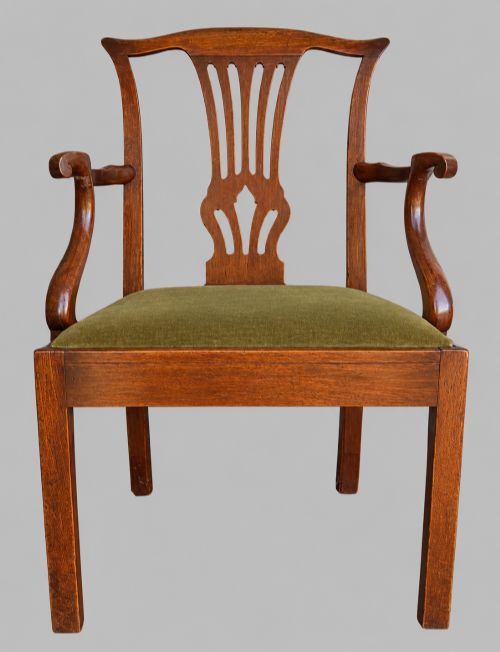
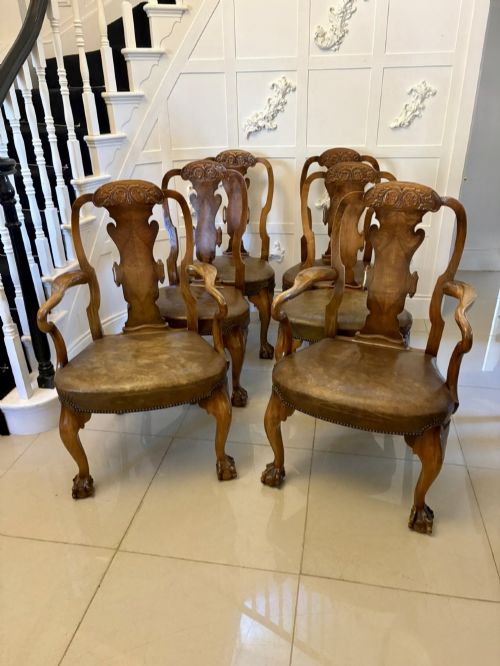
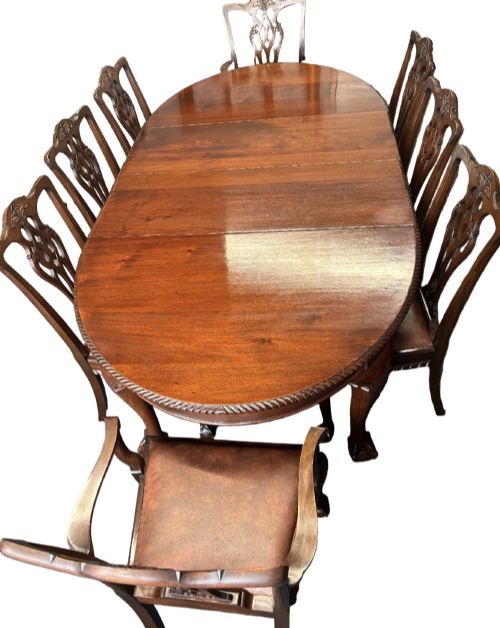
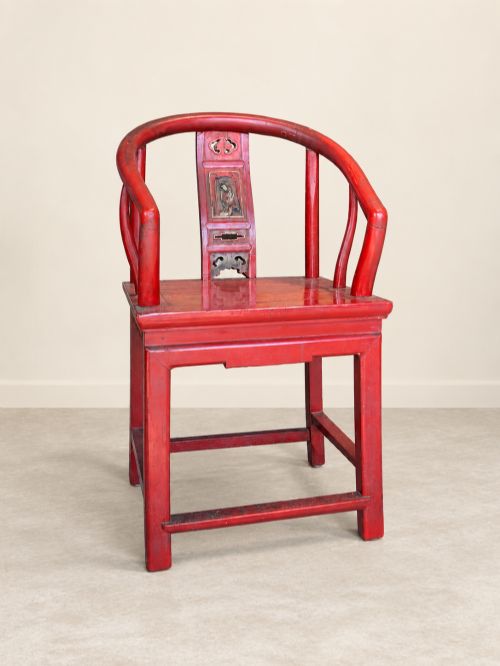
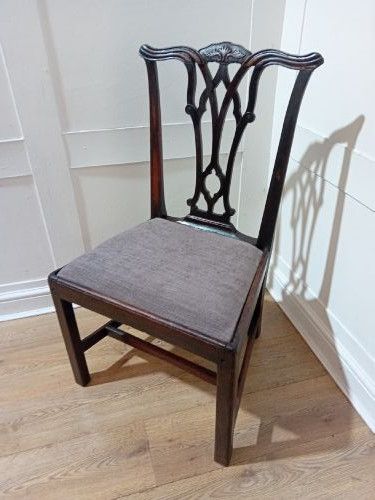
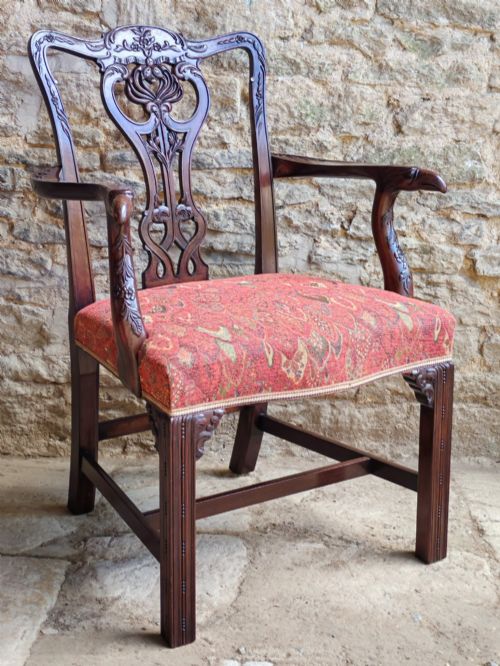

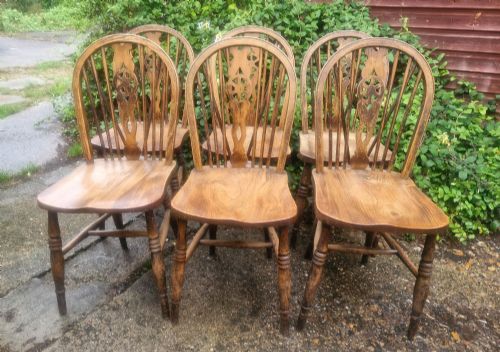
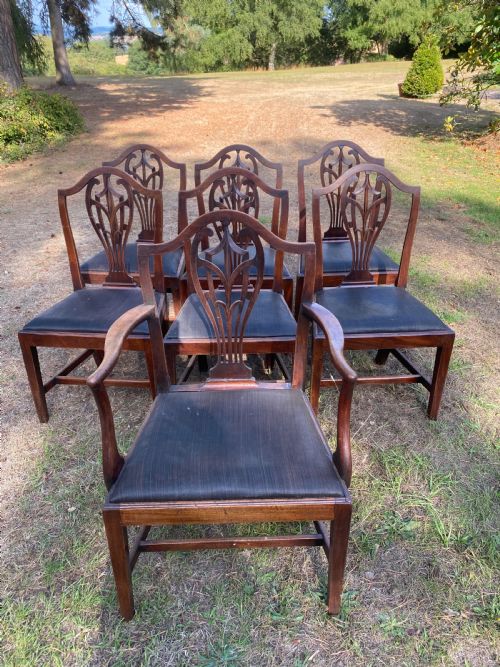
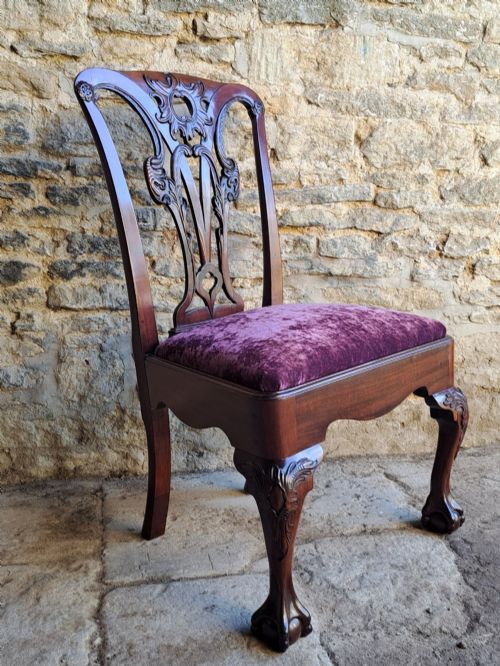
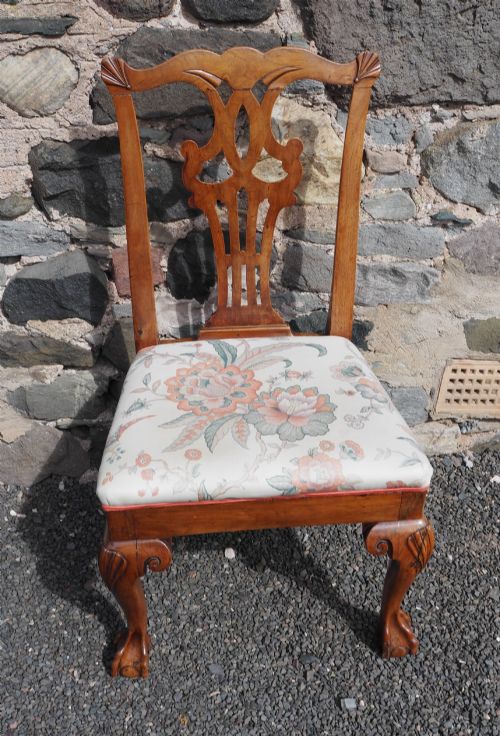
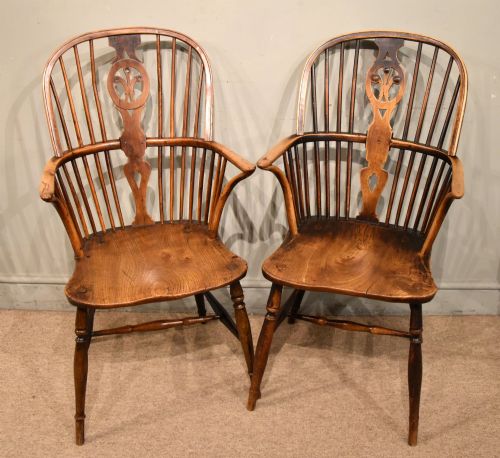
Carved Splat Chairs
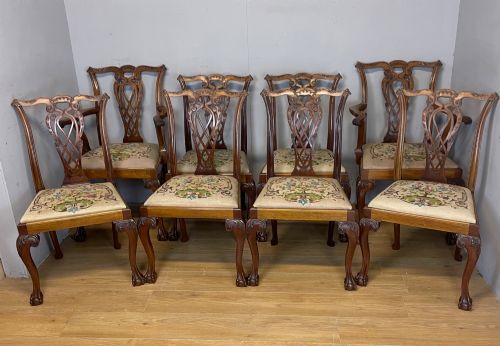
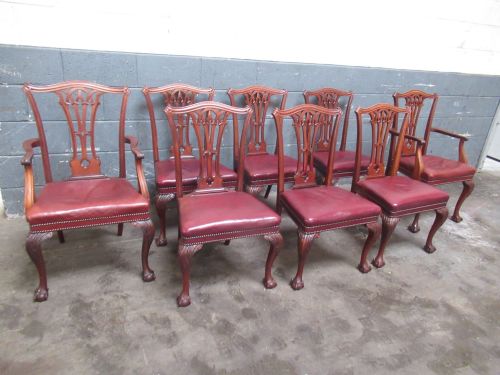
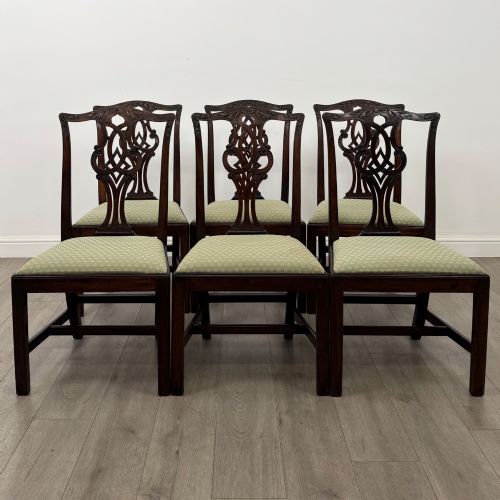
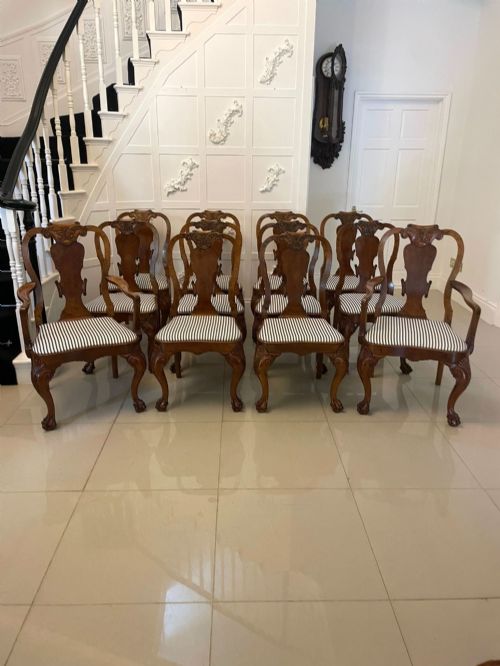
These carved splat chairs offer solid architectural form and carved back supports that anchor a room.
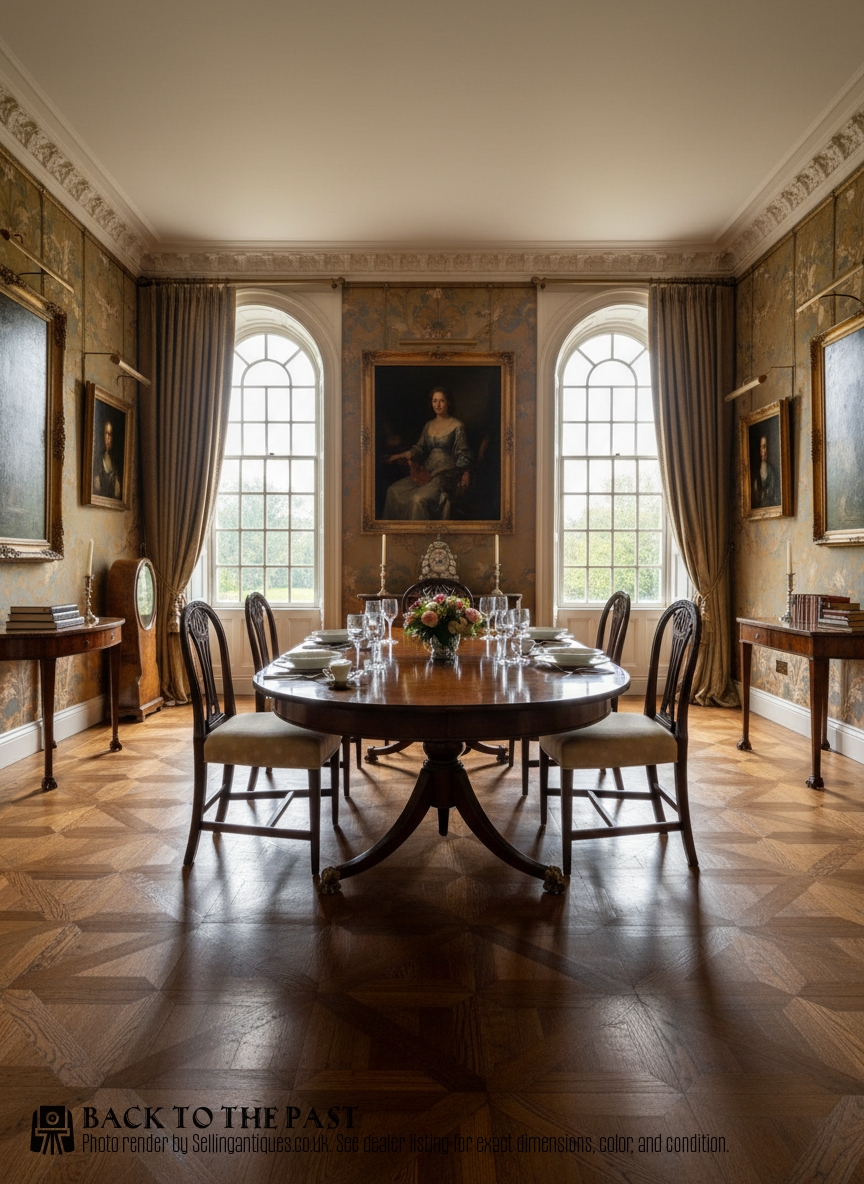
What carved splat chairs are
Carved splat chairs bring together centuries of seating design, appearing across the 18th century, the Georgian era, Victorian periods, and Edwardian times. These pieces function primarily as dining chairs and armchairs, offering upright seating supported by distinctive central vertical back panels.
The materials span mahogany, walnut, elm, oak, and beechwood, alongside occasional fabric and brass elements. Styles range from classical Georgian and Chippendale revival to Qing Dynasty Chinese forms and Art Nouveau.
Buyers most frequently encounter mahogany dining chairs from the Georgian and 18th century periods on this page, alongside sets from the Edwardian era and late 19th century.
How they were made
Craftsmen shaped these chairs from hardwoods including mahogany, walnut, elm, oak, and beechwood, often utilising traditional joinery to secure the frame and back splat. Surfaces received hand finishes, ranging from waxed timber to original red lacquer.
Upholstery fabrics and occasional brass details completed the seating, paired with carved wooden back panels that define the structural silhouette.
Retail Price Guide 2026
Typical UK retail prices for carved splat chairs, calculated from the Sellingantiques database of over a million retail prices indexed since 2003. This retail price guide relies exclusively on Sellingantiques data; no external sources or auction records are used, so the figures do not describe the wider market.
Some Chinese elm throne chairs secretly double as very stern places to contemplate your tea.
What varies in quality
Quality rests in the crispness of the carved splat and the selection of timber grain, where denser mahogany and figured walnut display sharper execution than softer beech or plain woods. The integrity of the original joints and surface patination further separate standard examples from finer works.
Complete sets maintain higher cohesion than assembled groups, while retention of original finishes like red lacquer or early polish adds distinct merit to the piece.
The Carved Splat Chairs Glossary
- Splat
- The vertical strip of wood running from the seat to the top rail in the middle of a chair back. This central element bears the carved details that define the style.
- Yokeback
- A traditional chair design featuring a curved top rail resembling a yoke. This form appears on Chinese elm armchairs.
- Chippendale
- A style originating in the 18th century known for elaborate carved splats and solid proportions. Revival versions emerged in later periods.
- Patina
- The surface sheen and texture developed through age and use. Good patina reflects decades of handling and polishing.
- Side Chair
- A chair without arms designed primarily for dining tables. These pieces make up the majority of larger seating sets.
Frequently Asked Questions
How do I date a carved splat chair?
Dating relies on identifying the timber species, joinery methods, and stylistic cues present in the carved splat and legs. Georgian and 18th century examples typically employ dense mahogany with hand-cut joints, while Edwardian and later pieces show standardised machining.
Comparing the chair's overall proportions and carving depth against documented period styles helps narrow the decade of manufacture.
Are these chairs suitable for daily dining?
Most antique carved splat chairs are structurally robust enough for regular daily use, provided the joints remain tight. Hardwood frames in mahogany, walnut, or oak offer strong support around the dining table.
Maintenance involves checking the frame stability periodically and treating the timber surfaces with appropriate natural waxes rather than modern silicones.
What is a splat back chair?
A splat back chair incorporates a central vertical wooden slat connecting the seat frame to the upper rail. This structural component provides lumbar support while serving as the primary canvas for decorative carving.
Different periods favoured distinct splat silhouettes, ranging from pierced ribbon designs in the 18th century to solid vase shapes and geometric Edwardian patterns.
How do I care for antique wood chairs?
Preserving these chairs requires placing them away from direct heat sources and strong sunlight, which can dry out the timber and crack the original polish. Environmental stability prevents the wood from shrinking and loosening the joinery.
Cleaning should be limited to a soft, dry cloth followed by occasional applications of traditional beeswax to nourish the patina.