
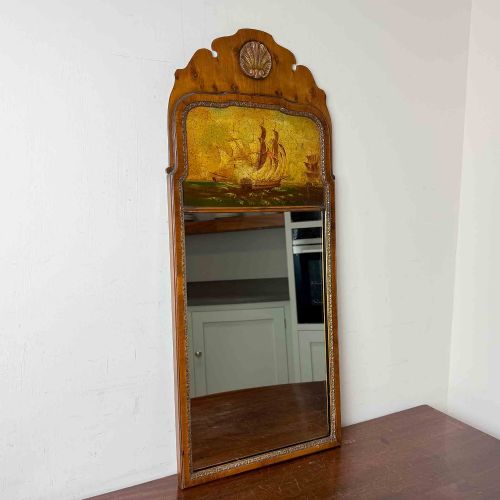
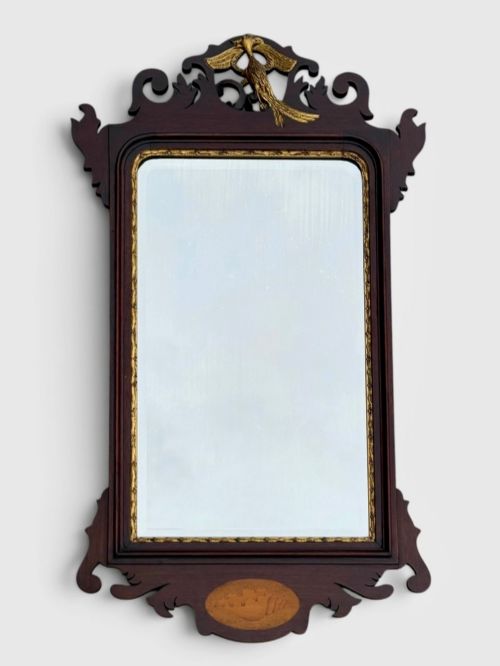
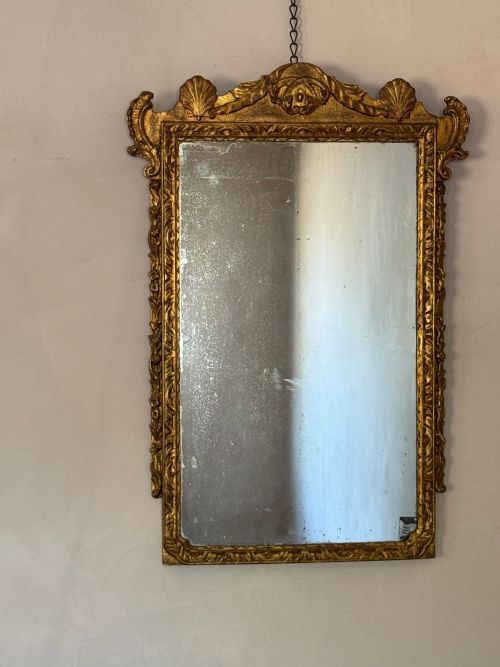
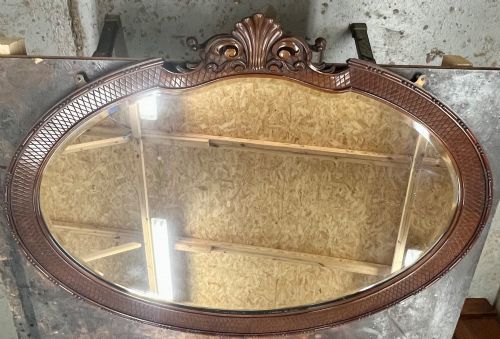
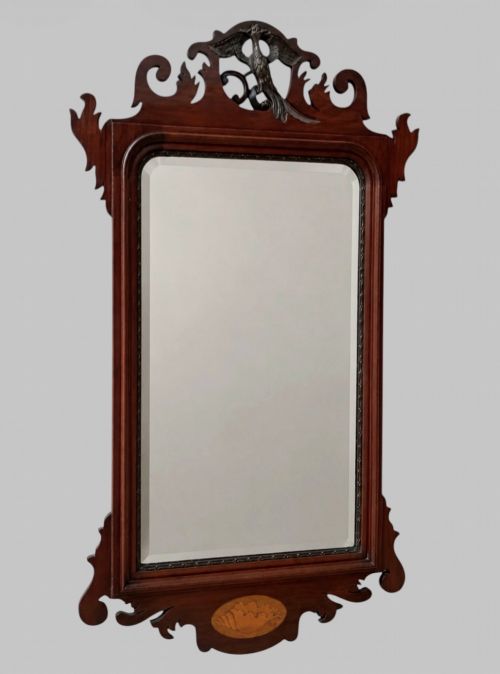


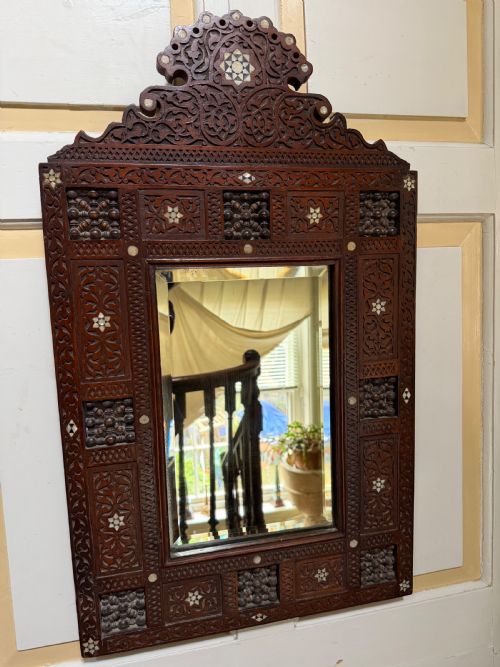


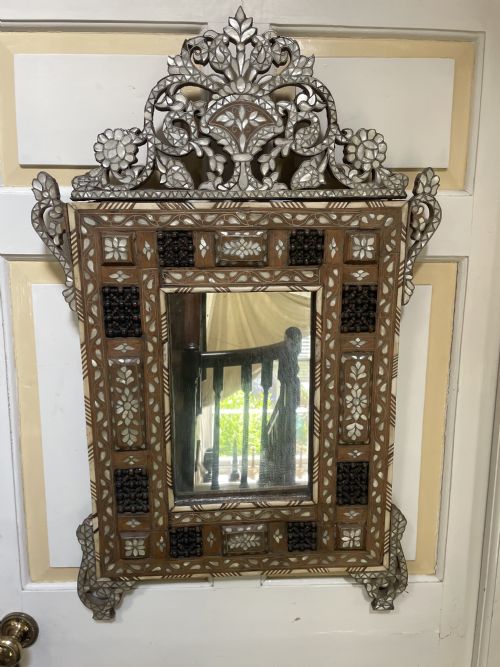


Carved Shell Wall Mirror
A carved shell wall mirror brings natural coastal geometry and rich reflection to a room, drawing the eye with sculptural frames.
Carved Shell Wall Mirror
A carved shell wall mirror represents a distinct category of decorative hanging glass, combining reflective utility with ornate wooden or gilded framing. The pieces appearing here span centuries of design, encompassing wall mirrors, overmantel mirrors, and pier mirrors.
The versions most commonly met on this page include Revival interpretations alongside earlier examples, executed in walnut, mahogany, and giltwood. Makers across various periods utilised marine motifs like shells and scrolling foliage to embellish domestic interiors.
Materials and construction
Craftsmen shaped these frames from dense timbers such as mahogany, walnut, and yew wood, often applying gesso to create smooth surfaces for subsequent gilding or paint. Selected pieces incorporate intricate fretwork alongside mirror glass panels.
Joinery techniques varied from traditional pinned joints in earlier centuries to later veneering methods, particularly with burr walnut. Giltwood and parcel painted finishes required meticulous layering of gold leaf or pigment over prepared grounds.
Variations in quality
Quality in these mirrors rests primarily on the depth and crispness of the carving, particularly around shell motifs and foliage, where skilled handwork outshines mechanical execution. The choice of timber grain, such as figured burr walnut or dense mahogany, also dictates the visual weight.
Original mirror glass with authentic foxing commands attention compared to later replacements, while the integrity of the original giltwood or painted surface preserves the historical character of the piece.
The Carved Shell Wall Mirror Glossary
- Giltwood
- Wood that has been coated with thin gold leaf or powder over a prepared gesso base. This finish provides a bright reflective surface that catches interior candlelight or daylight.
- Trumeau mirror
- A decorative wall mirror combined with a painted panel or carved artwork above the glass. These items originated in French interior architecture.
- Pier mirror
- A tall narrow mirror designed specifically to hang on the wall space between two windows. They frequently match console tables placed below them.
- Overmantel mirror
- A wide mirror intended to be positioned directly above a fireplace mantelpiece. These pieces often feature extensive landscape proportions.
- Gesso
- A plaster mixture applied to wood frames to create a smooth surface for gilding or painting. It holds fine detail well under the carver's tools.
Carved Shell Wall Mirror: Frequently Asked Questions
How do I hang a heavy antique mirror?
Heavy antique mirrors require secure fixing directly into wall studs or masonry using appropriate brackets that match the weight of the timber and glass. Professional installation is often recommended for large overmantel formats.
Ensure the hanging wire or integrated D-rings on the reverse are assessed for strength before mounting the frame securely at eye level.
What periods do these mirrors come from?
The pieces available range across multiple centuries, including the seventeenth, eighteenth, and nineteenth centuries, alongside twentieth century revival pieces. Each era brings distinct carving styles and finishing techniques.
Earlier examples display hand-cut walnut and gesso work, while later revivals often imitate Queen Anne or Chippendale aesthetics.
How should I clean a gilded frame?
Gilded frames require gentle dusting with a soft, dry brush to prevent damage to the delicate gold leaf layer. Moisture and chemical cleaners must be avoided entirely.
Professional conservators should handle any repairs to flaking gesso or damaged gilding to preserve the historical surface.
Are the mirror plates original?
Mirror plates vary, with some pieces retaining their original antique glass showing light oxidation or foxing, while others have received modern replacements for clarity. Examining the edge bevels and backing boards helps determine the age of the glass.
Original glass adds historical depth to the piece, whereas newer plates offer a clearer reflection.