


Carved Rosewood Armchair
A carved rosewood armchair brings dense grain, deep red-brown tones and solid joinery into a room, offering both formal presence and practical seating.
Carved Rosewood Armchair
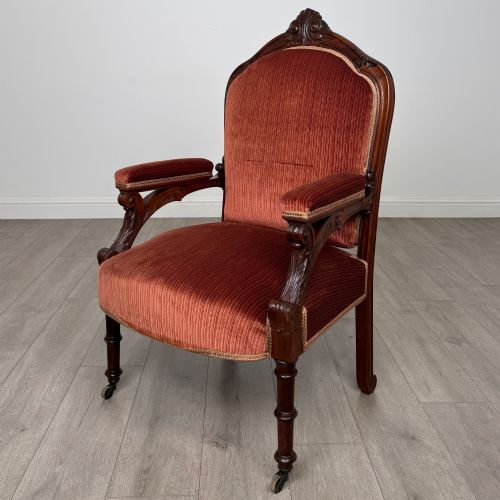
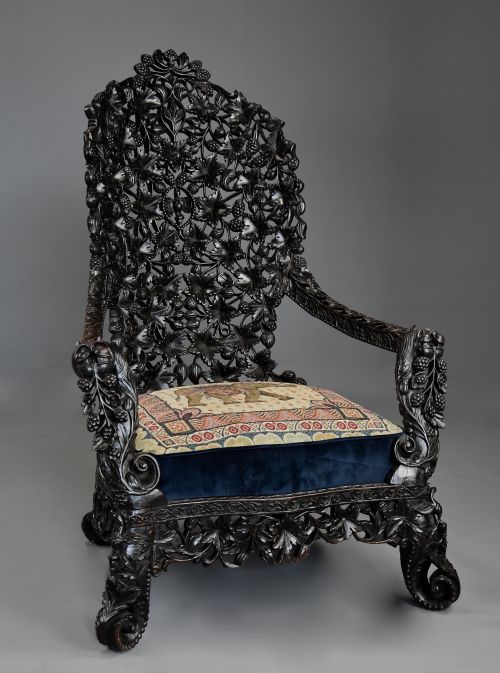
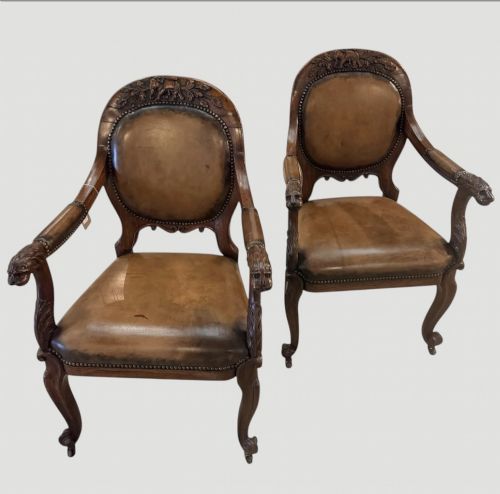
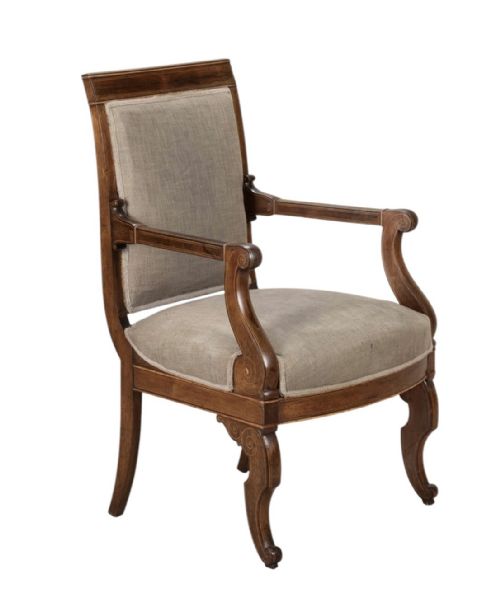
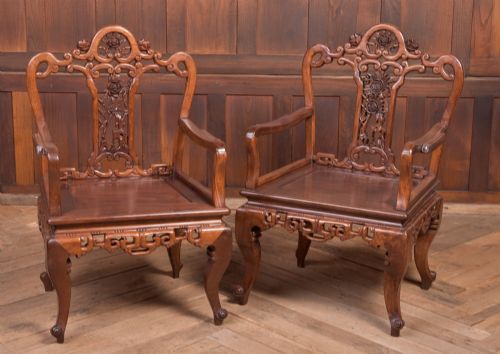
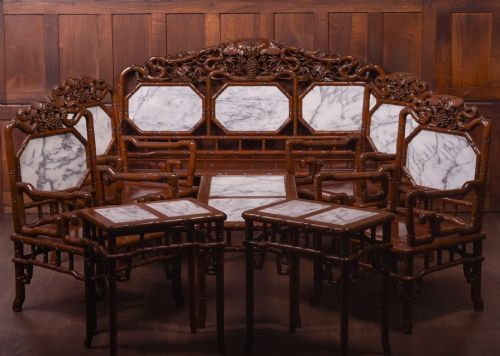
A carved rosewood armchair is a substantial seating form built from heavy tropical timber and shaped with decorative detail. The selection spans English Regency and Victorian library chairs, French seating, and Anglo-Indian or Chinese carved hardwood pieces.
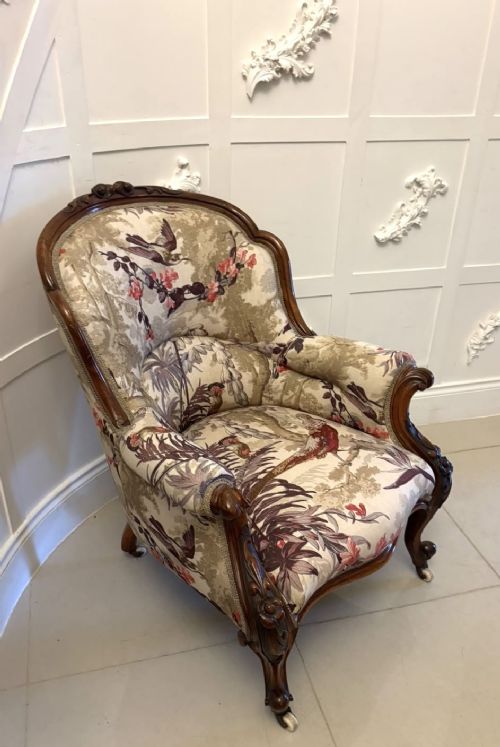
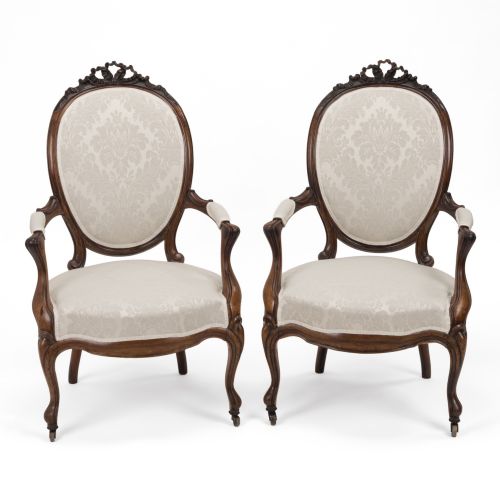
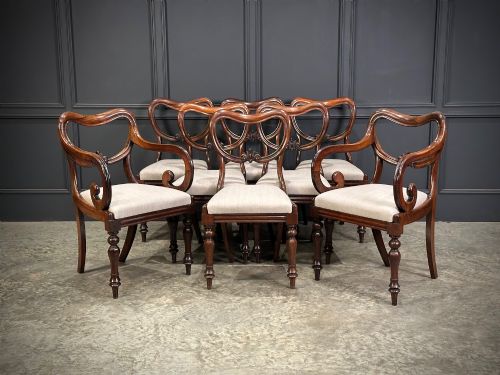
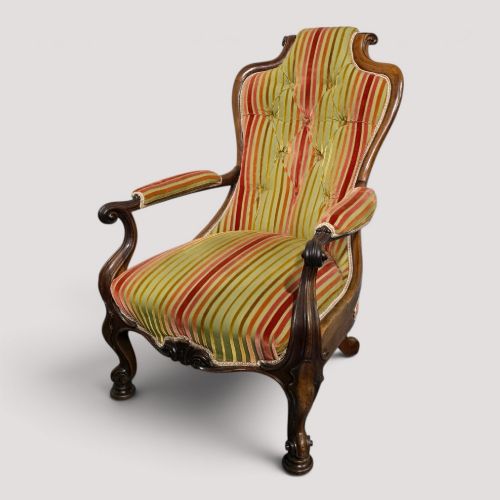
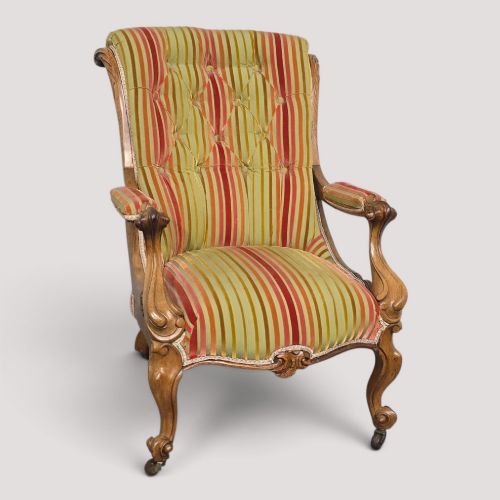
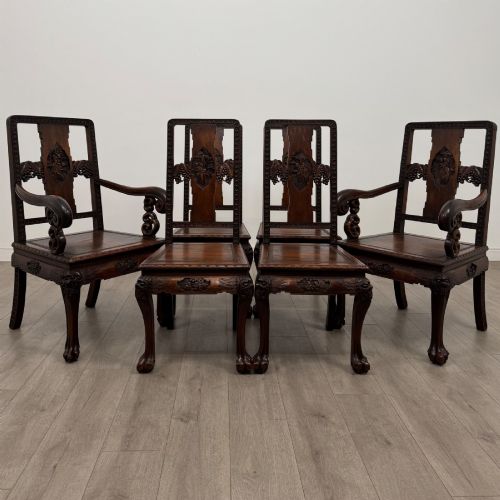
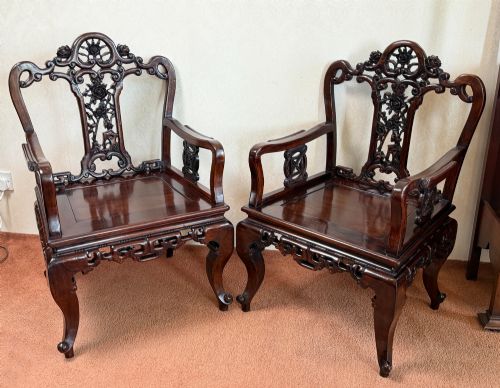
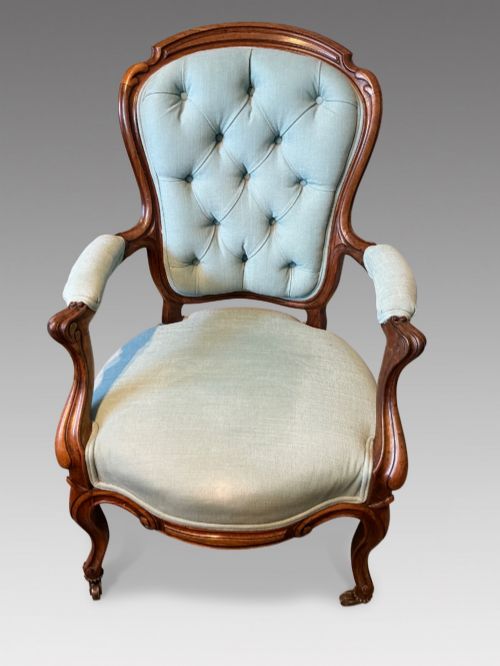
You will most frequently meet Victorian examples featuring cabriole legs and upholstered backs, alongside Regency library chairs and nineteenth-century Chinese hardwood armchairs. These range from open armchairs to buttoned easy chairs and desk chairs.
How they were made
Carpenters worked dense rosewood, blackwood and hongmu using traditional mortise and tenon joinery to support heavy carving and structural stress. Frames were shaped with showwood surrounds, cabriole legs, and occasionally brass inlay or parcel gilt highlights.
Upholstered versions relied on horsehair stuffing secured over webbing or cane panels, finished with leather, velvet or fabric coverings. Brass castors were frequently added to the feet of heavier library and desk chairs to ease movement.
Carved Rosewood Armchair Retail Price Guide 2026
Typical asking prices for carved rosewood armchair among the pieces listed under this phrase on Sellingantiques today, from the lower quarter to the upper quarter. They describe what is for sale here now, not the wider market.
Listings include nineteenth-century periods such as Regency, William IV, and Victorian alongside Anglo-Indian and Qing Dynasty examples.
What varies in quality
The standard of a carved rosewood armchair depends heavily on the crispness and depth of the timber carving. Sharp, deeply undercut floral or scroll work signals skilled hand-tooling, whereas shallow or softened detailing points to routine production.
Timber selection and frame integrity dictate the upper tier. Dense grain matching, solid timber thickness without excessive veneer patching, and rigid joints separate superior library and parlour seating from standard utility pieces.
Robert Daws
The Carved Rosewood Armchair Glossary
- Rosewood
- A dense, heavy tropical hardwood prized for its dark grain patterns and polished finish. It provides the rigid structural support necessary for deeply carved chair frames.
- Cabriole leg
- A furniture leg that curves outward at the knee and tapers inward to an ankle or foot. This form appears frequently on Victorian rosewood armchairs.
- Bergère
- An enclosed upholstered armchair with wooden framing around the sides and back. The arms and back are often filled with woven cane panels.
- Showwood
- Exposed timber framework on an upholstered chair where the polished wood is visible around the cushioned areas. It frames the upholstery rather than hiding beneath it.
- Hongmu
- A category of dense Chinese hardwoods used for traditional furniture production. The term translates as red wood and describes heavy, dark timber.
Carved Rosewood Armchair: Frequently Asked Questions
How do I identify a Victorian carved rosewood armchair?
Look for dense reddish-brown timber, curved cabriole legs, and buttoned upholstery framed in exposed polished wood. These pieces often date from the mid-nineteenth century and combine robust framing with elaborate floral carving.
Check for brass castors on the feet and traditional joinery methods beneath the seat. English and colonial examples from this era frequently feature serpentine fronts and sprung padding.
Where should I place a library armchair at home?
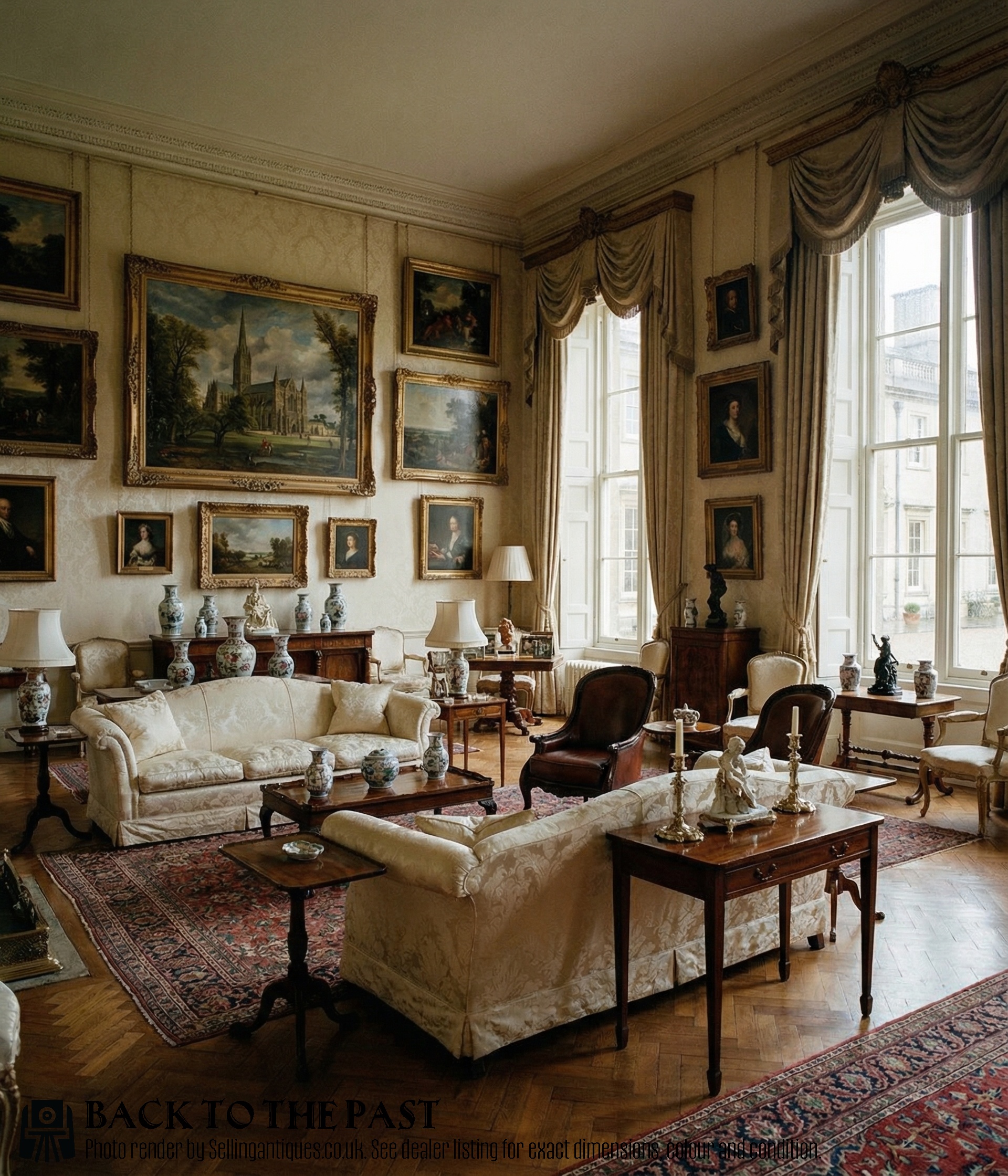
A library armchair suits a study, drawing room or reading corner where its solid timber presence can anchor the room. Pair one with a reading lamp and a small side table to make full use of its supportive arms and deep seat.
Keep the chair away from direct sunlight and strong heat sources to protect the rosewood polish and prevent the leather or fabric upholstery from drying out.
How do Anglo-Indian armchairs differ from English Victorian pieces?
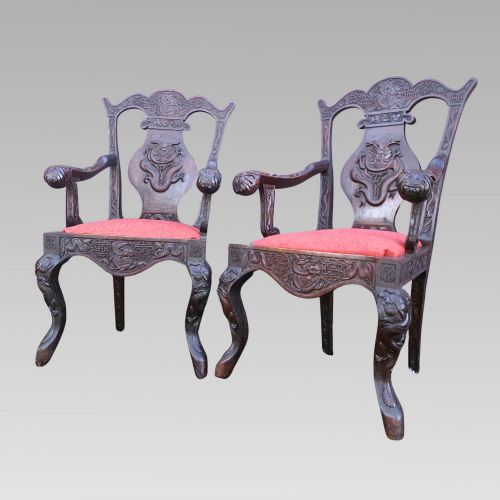
Anglo-Indian and Chinese hardwood chairs typically feature deeper, more intricate relief carving and utilise regional timbers such as blackwood or padauk alongside rosewood. Their stylistic vocabulary often incorporates dragon motifs, pierced panels or heavy colonial proportions.
English Victorian pieces generally adhere to European revival styles like Rococo or Regency, focusing on cabriole legs, buttoned backs and parcel gilt highlights rather than deep oriental carving.
Can I use a rosewood desk chair daily?
These chairs were built for heavy use in nineteenth-century libraries and studies, making them durable enough for regular seating today. Their solid hardwood frames and supportive upright backs suit desk work or reading.
Ensure the joints remain firm and the castors roll smoothly if the chair is moved often. Periodic conditioning of the leather or fabric will keep the seating comfortable.