


Carved Rosewood Accent Chair
A carved rosewood accent chair brings deep timber grain and ornamental scrolling into a room, offering historic seating with genuine architectural presence.
Carved Rosewood Accent Chair
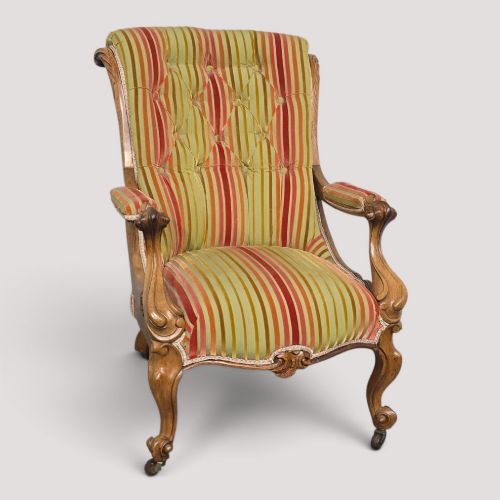
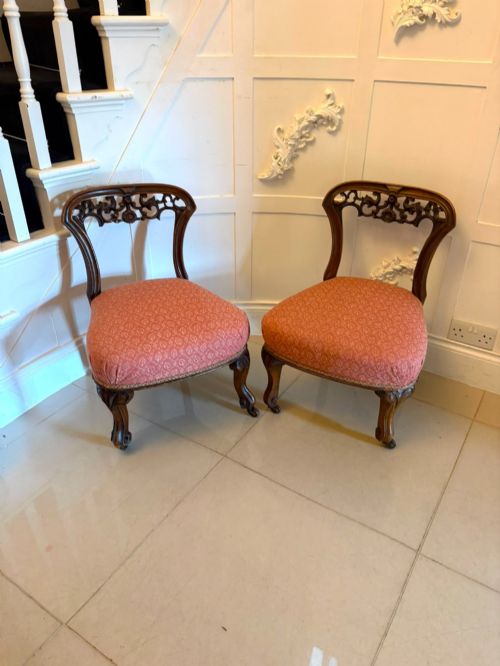
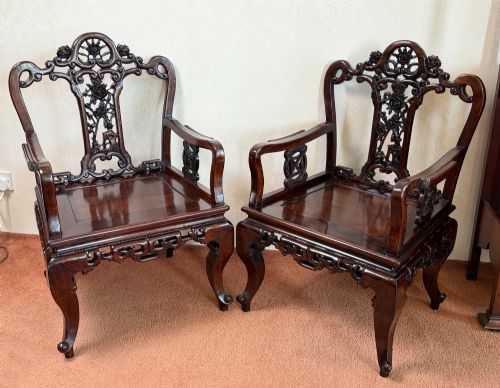
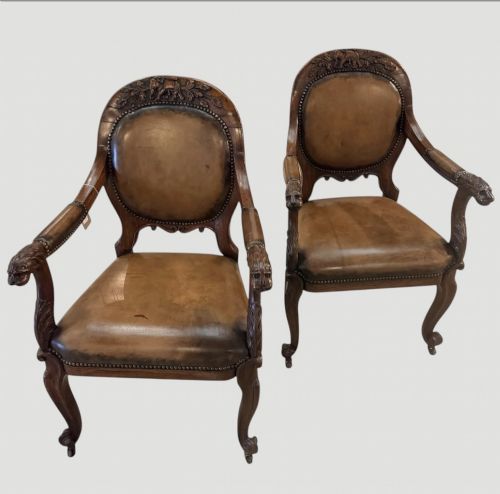
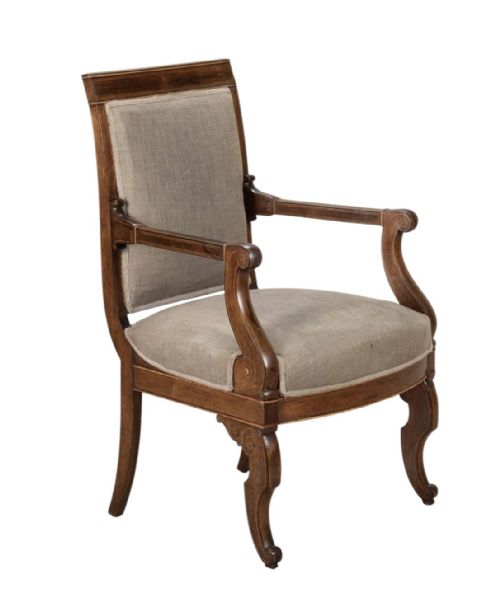
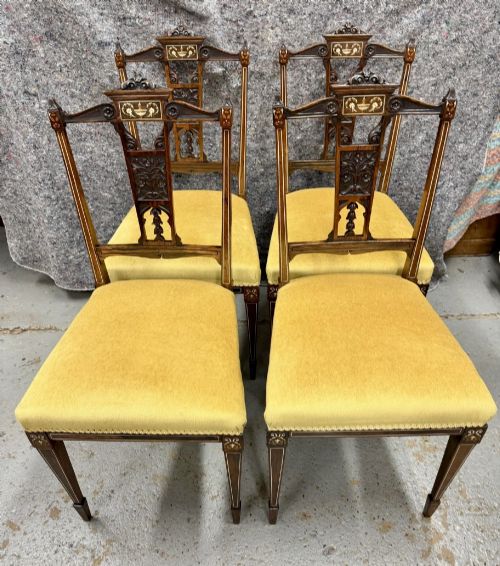
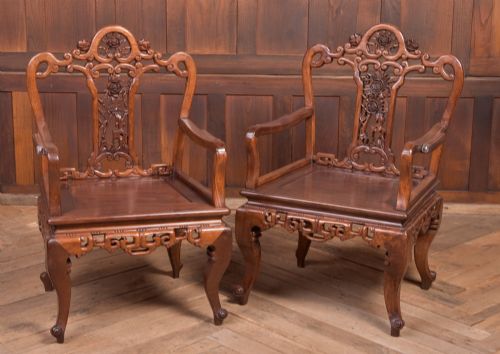
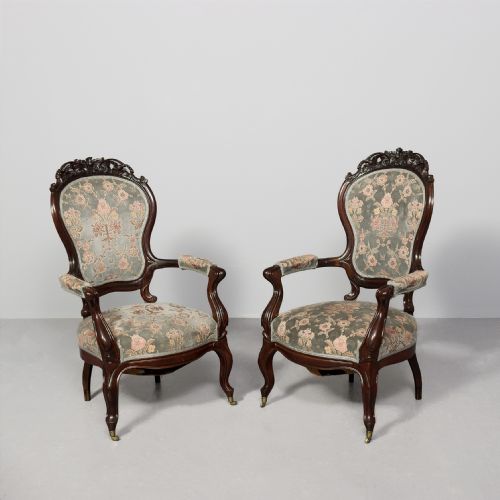
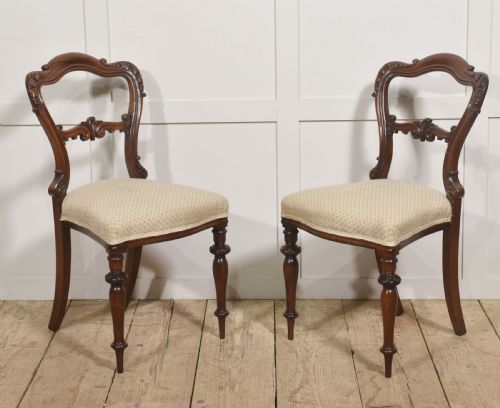
A carved rosewood accent chair is a low-slung or upright seat designed to punctuate a room with dark tropical timber and carved detail. The examples seen here span the nineteenth century, taking forms such as library armchairs, bedroom chairs, and low side seats.
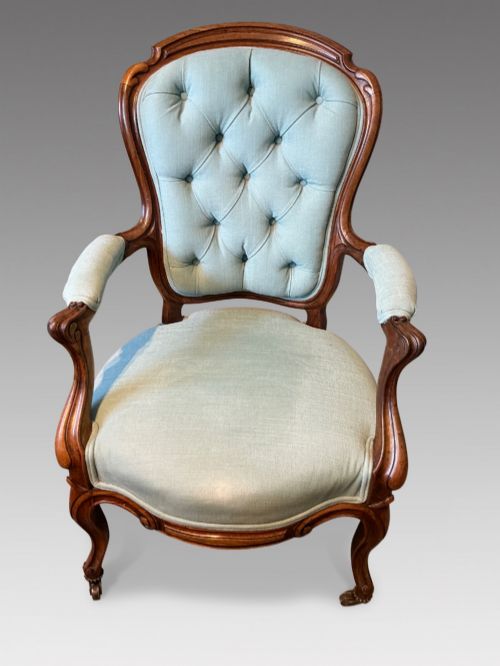
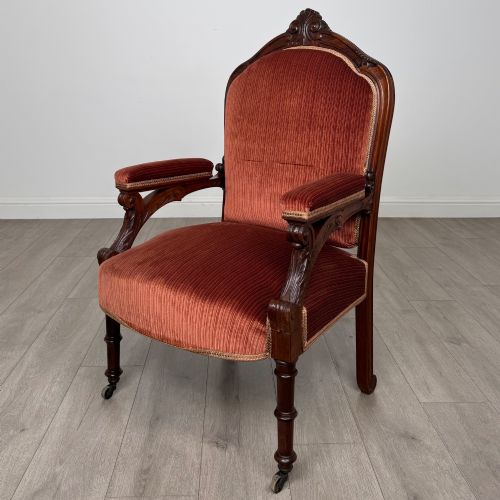
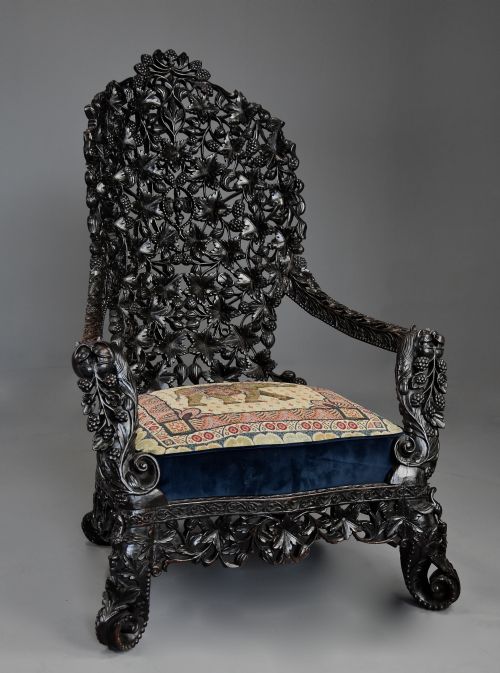
Victorian and early Victorian periods dominate the selection, often presenting open arms, high backs, and showwood frames. Alongside British revival styles, the inventory includes Anglo-Indian, Chinese Qing Dynasty, and French pieces that share a common reliance on dense rosewood and hardwood frames.
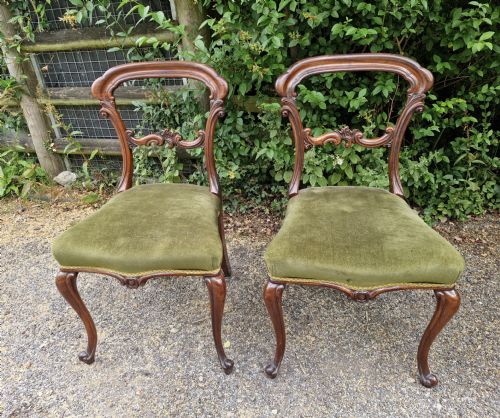
Buyers encounter everything from button-backed nursing chairs to sturdy library models supported on cabriole or turned legs. These occasional seats function equally well as solitary statement pieces or matched pairs beside a fireplace.
Materials and Construction Methods
Makers utilised solid rosewood and related dense hardwoods to sustain deep hand-carving along the crest rails, frames, and cabriole legs. This heavy timber allowed artisans to carve intricate scrolls, leaves, and structural joints without compromising the integrity of the chair.
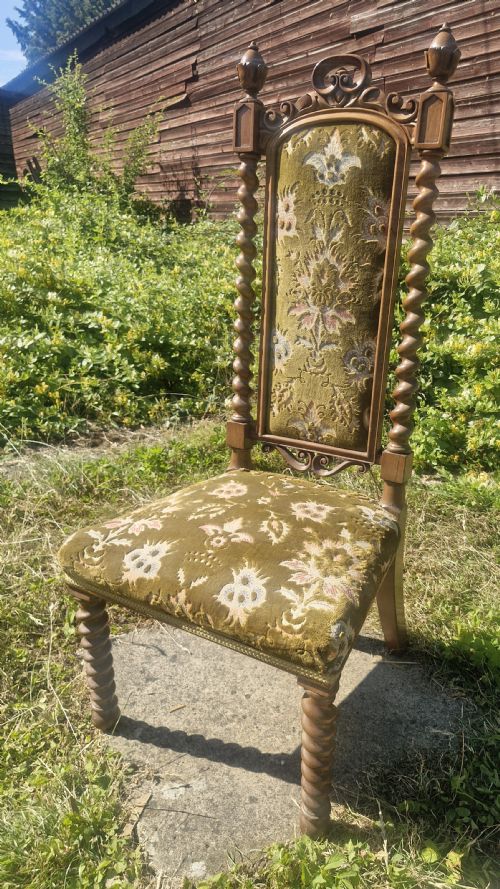
Upholstered elements rely on traditional stuffing fixed beneath leather, velvet, tapestry, or plain fabric, often secured with rows of buttoning or brass tacks. Frames frequently incorporate turned elements like barley twist supports, alongside inlaid details in contrasting light woods.
Some nineteenth-century childs chairs received the exact same carved rosewood and buttoned leather treatment as adult library models, scaled down for miniature aristocrats.
Distinctions Across the Range
Quality reveals itself in the crispness and depth of the timber carving, where sharper foliage and balanced proportions distinguish master workshops from standard production. The density and rich figuring of the rosewood grain also dictate the visual weight of the piece.
Structural refinement shows in the joinery of the showwood frame and the retention of period upholstery materials such as buttoned leather or antique tapestry. Pieces with harmonious proportions between the carved wooden frame and the upholstered body hold greater visual coherence.
The Carved Rosewood Accent Chair Glossary
- Showwood
- Timber framing left exposed around the upholstered portions of an armchair or side chair. This allows the carved rosewood grain and decorative motifs to remain visible.
- Cabriole leg
- A furniture leg that curves outward at the knee and tapers inward toward the foot, mimicking an animal limb. It appears frequently on mid-nineteenth-century seating.
- Barley twist
- A decorative turning technique resembling a twisted rope, carved into the wooden uprights or legs of chairs. This detail is popular in Victorian seating design.
- Fauteuil
- An open-armed French armchair with an exposed wooden frame and upholstered back and seat. These pieces bring continental styling to nineteenth-century interiors.
- Prie Dieu
- A devotional chair featuring a narrow upper shelf or backrest designed for kneeling and prayer. Victorian examples often utilise solid rosewood and Gothic revival detailing.
Carved Rosewood Accent Chair: Frequently Asked Questions
Where should I place a rosewood accent chair?
These chairs suit quiet corners, bedrooms, or studies where their carved timber frames and upholstery can be appreciated without heavy traffic. They function well as standalone reading seats or paired beside a desk.
Because the timber has a dark, rich tone, position the chair against lighter walls or near a window to highlight the carved rosewood details and grain patterns.
How do I care for nineteenth-century rosewood?
Keep the timber away from direct sunlight and strong heat sources to prevent the rosewood from drying out or splitting. Dust the carved surfaces regularly with a soft, dry cloth.
Avoid commercial silicone polishes, using instead a micro-layer of quality beeswax sparingly if the wood appears dry. Protect any antique leather or fabric upholstery with gentle cleaning appropriate to the specific textile.
What is the difference between an armchair and a side chair?
Armchairs feature structural side supports designed for resting arms, making them more substantial seats intended for prolonged reading or relaxing. Side chairs lack arms, offering a narrower profile built for occasional use around a room or table.
In rosewood pieces, armchairs generally display more elaborate carving along the open arms and knuckles, whereas side chairs focus ornamental effort on the top rail and front legs.
How do I identify Victorian revival styles?
Victorian revival pieces draw heavily on earlier design vocabularies like Gothic, Rococo, or Elizabethan, reinterpreting them with heavy nineteenth-century rosewood and deep machine-assisted or hand carving. Look for dramatic crest rails and sweeping scrollwork.
Examining the construction methods, such as the type of hidden joinery and the density of the hardwood frame, helps separate these nineteenth-century interpretations from later reproductions.