



Carved Putto Sculpture
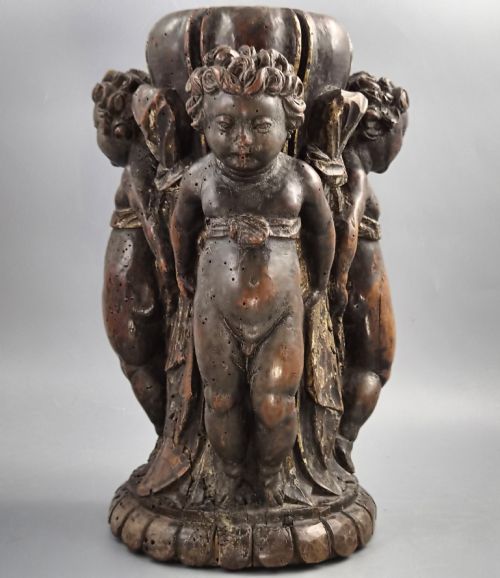
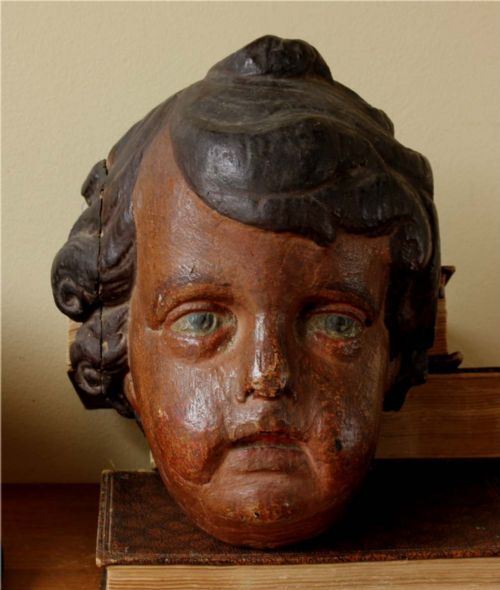
A carved putto sculpture brings winged mythological charm to a room, ranging from small wooden heads to grand Italian church figures.
Carved Putto Sculpture
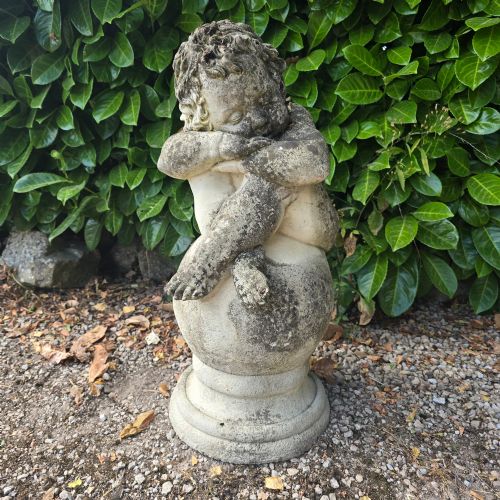
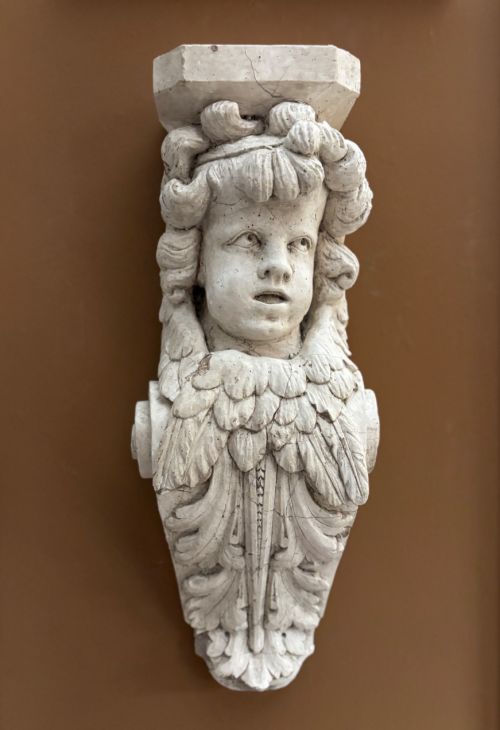
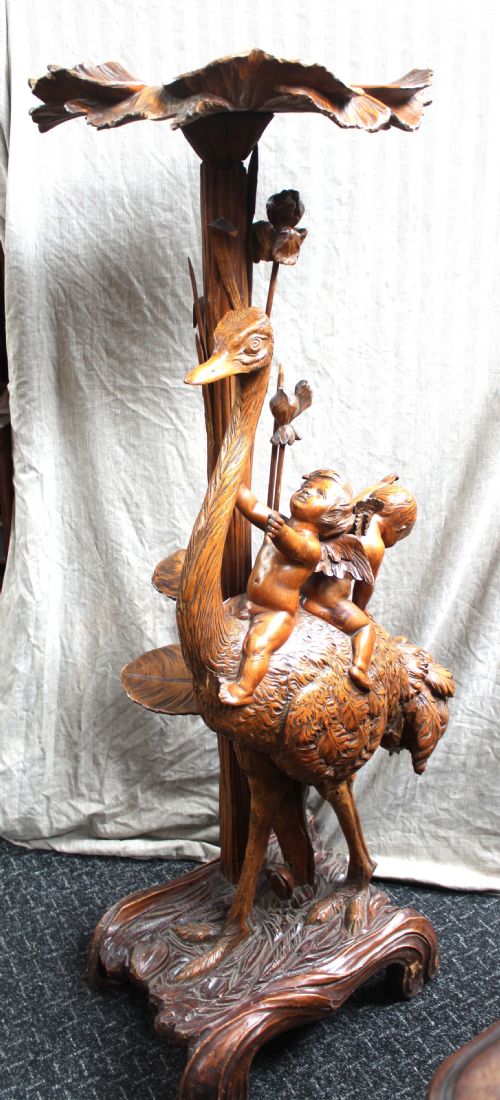
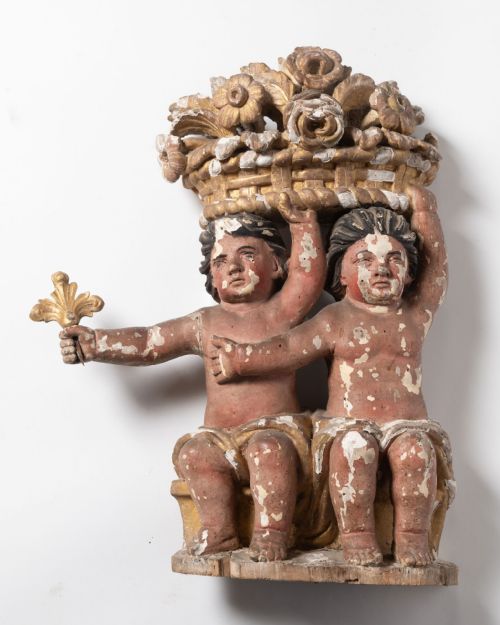
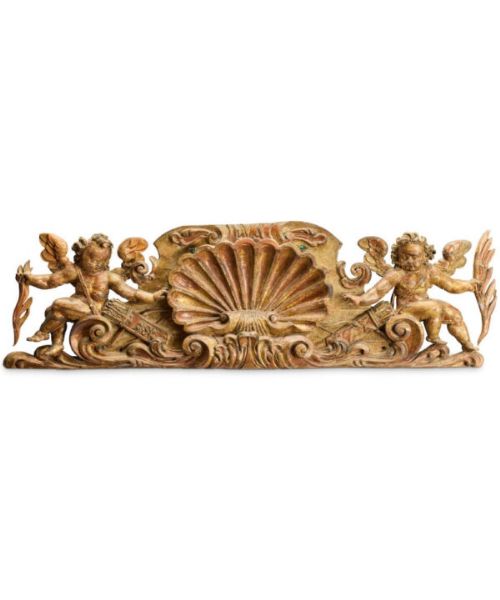
When you search for carved putto sculpture, you meet winged child figures rendered in wood, marble, and alabaster across several centuries. These pieces appear as wall corbels, architectural fragments, torchiere bases, and freestanding statues.
The selections on this page lean heavily toward seventeenth, eighteenth, and nineteenth-century examples originating from Italy and France. You will find both whole figures and isolated cherub heads intended for architectural enrichment.
Materials and construction
Carvers shaped these figures from timbers such as walnut, oak, limewood, and pine, often applying gesso and gold leaf to highlight the surface. Polychrome paint and silvered finishes also appear, lending colour and depth to the carved details.
Stone workers employed marble and alabaster for sculptures depicting children and cherubic groups. Architectural elements frequently combine carved wood with parcel gilt decoration.
The listings span from the seventeenth century through to the nineteenth century, utilising walnut, oak, limewood, marble, and alabaster.
Judging quality and execution
The quality of a carved putto sculpture rests in the depth of the carving and the vitality of the expression. Master carvers captured movement and anatomy with confidence, whereas simpler workshop pieces remain stiff and formulaic.
Surface preservation matters greatly, as original polychrome paint or gold leaf holds more aesthetic merit than later overpainting. Crisp detail in the hair and wings distinguishes superior sculptural work from plain decorative carving.
Antonio Canova·Grinling Gibbons·Denise Delavigne·Pugi
The Carved Putto Sculpture Glossary
- Putto
- A plump, naked child figure, frequently winged, seen in classical and Renaissance art. These figures evolved from classical mythology into Christian cherubs.
- Corbel
- A structural piece of stone, wood, or metal projecting from a wall to carry a weight. In this context, carved figures often double as supporting architectural brackets.
- Torchiere
- A tall stand or ornamental candlestick, sometimes supported by carved figures. They provide vertical lighting or elevate decorative objects in a room.
- Gesso
- A plaster-like mixture used as a base for paint or gold leaf on wood. It allows carvers to create smooth surfaces before applying gilding.
- Polychrome
- The practice of decorating architectural elements or sculptures in a variety of colours. Painted wooden figures often retain traces of these historic pigments.
Carved Putto Sculpture: Frequently Asked Questions
What is a putto?
A putto is a representation of a small, chubby child, often winged, derived from classical art and frequently adapted into religious sculpture during the Renaissance and Baroque periods.
These figures appear throughout European church and domestic decoration as symbols of divine presence or classical harmony.
Where were these sculptures placed?
Many of these pieces originated as architectural ornaments, mounted as wall corbels, pediments, or church altarpieces. Others functioned as freestanding figures, torchiere bases, or garden statues.
In historic interiors, they added drama and religious or mythological iconography to high walls and furniture.
How do I care for wooden carvings?
Wooden sculptures require stable indoor humidity to prevent the timber from splitting or warping. Keep them away from direct heat sources and strong sunlight.
Dust gently with a dry, soft brush and avoid using liquid polishes or modern cleaning chemicals on historic surfaces.
How do I distinguish age in these pieces?
Age is told through tool marks, the natural oxidation of the wood, and the wear patterns on gesso and gilding. Seventeenth and eighteenth-century pieces often display hand-chiseled tool marks beneath aged patination.
Stylistic shifts, such as the transition from heavy Baroque forms to lighter Neoclassical designs, also help narrow down the period.