

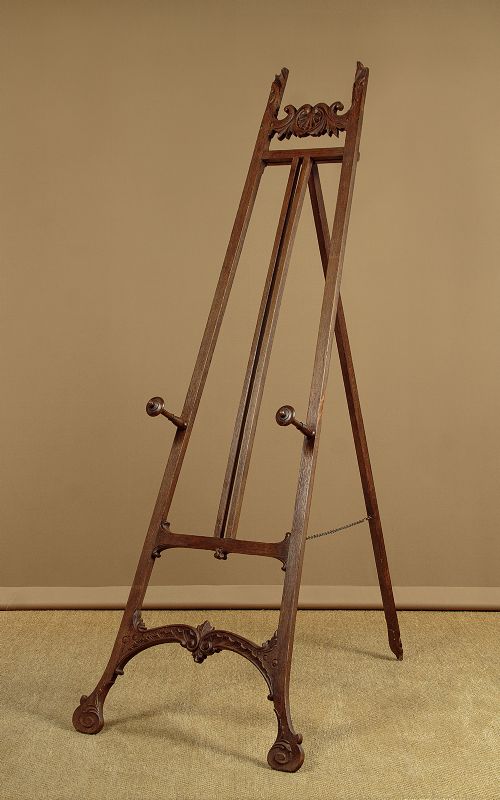


Carved Picture Stand
A carved picture stand is a decorative support for display, holding everything from paintings to photographs with distinct period craftsmanship.
Carved Picture Stand
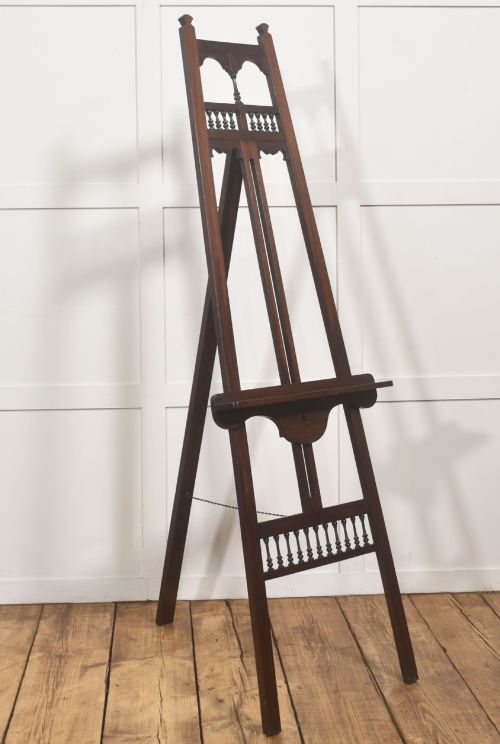
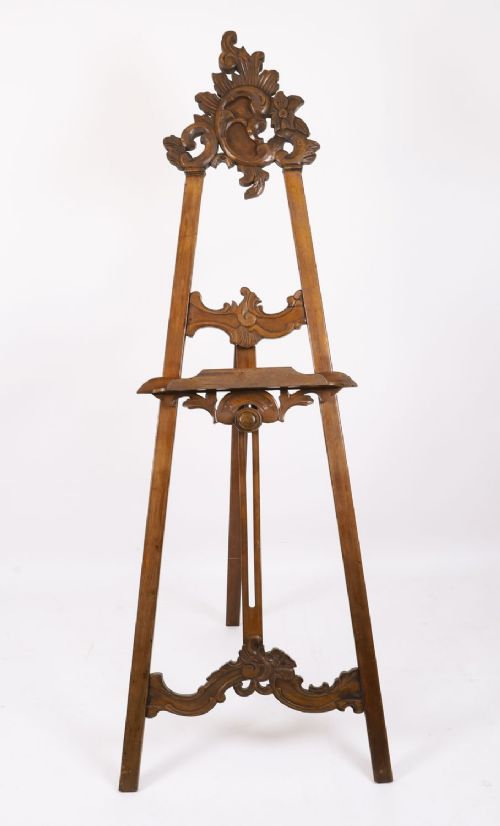
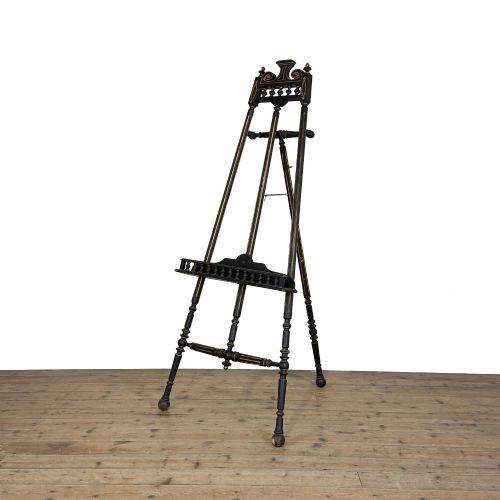
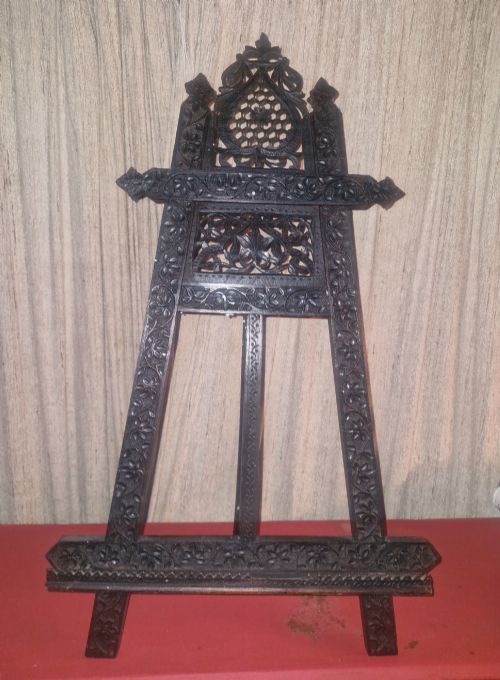
A carved picture stand encompasses table screens, display easels, and folio stands designed to hold artwork or photographs securely in view. These objects appear in styles ranging from Rococo Revival and Aesthetic Movement to Traditional Chinese and Italian Baroque, reflecting diverse historical tastes.
Most examples on this page date from the nineteenth century, including Victorian and Regency periods, alongside pieces from around eighteen eighty and nineteen ten. Materials span walnut, oak, mahogany, ebonised wood, and polished bronze, often detailed with carved ornamentation.
How they were made
Workshops utilised dense timbers such as walnut, oak, and mahogany, shaping them through hand-carving and turning to create robust frames and stands. Ebonised finishes and gilt treatments provided decorative contrast, while specialised items incorporated ivory inlay or silk panels.
Metal elements in brass, gold leaf, and bronze formed structural supports and ornate photograph frames. Joinery relied on traditional methods suited to each period, ensuring structural stability for floor-standing easels and delicate table screens alike.
Carved Picture Stand Retail Price Guide 2026
Typical asking prices for carved picture stand among the pieces listed under this phrase on Sellingantiques today, from the lower quarter to the upper quarter. They describe what is for sale here now, not the wider market.
What varies in quality
Depth and precision of the carving separate standard items from finer examples, particularly where intricate scrollwork or figurative elements like swan designs are present. Superior pieces exhibit clean lines and well-executed joinery that conceal structural joints effectively.
Choice of materials dictates the standing of a piece, with select hardwoods, substantial bronze castings, and genuine gold leaf elevating the overall execution. The integration of decorative details such as ivory inlay or specialised metalwork indicates higher workshop skill.
The Carved Picture Stand Glossary
- Chevalet
- A small easel, typically designed for table use by artists or for displaying miniature works of art.
- Folio Stand
- A piece of furniture featuring adjustable or fixed slats designed to hold large books, prints, or portfolios.
- Aesthetic Movement
- A late nineteenth-century design style emphasising visual beauty and artistic expression over narrative or moral content.
- Rococo Revival
- A mid-nineteenth-century revival of eighteenth-century Rococo design, characterised by asymmetrical scrollwork and natural motifs.
Carved Picture Stand: Frequently Asked Questions
What is a carved picture stand used for?
These stands serve to display framed pictures, photographs, or needlework securely on tabletops or floors. They allow artworks to be exhibited without permanent wall mounting.
Different formats accommodate various items, from heavy folios to delicate table screens and photographs.
How do I identify a Victorian stand?
Victorian pieces often feature heavy timbers like walnut and ebonised wood, alongside Revival or Aesthetic styling. Look for characteristic ornamentation such as elaborate carving.
Dates around eighteen eighty commonly align with these stylistic traits in the available selection.
What materials are typical?
Common materials include hardwoods like oak, walnut, mahogany, and ebonised wood. Metal components in brass, bronze, and gold leaf also appear frequently.
Some examples incorporate decorative additions like silk panels or ivory inlay.
Where should I place a folio stand?
Folio stands suit studies, libraries, or living rooms where large books or prints need accessible storage and display. Their design keeps flat paper items organised.
They function best as freestanding furniture pieces within a room.