

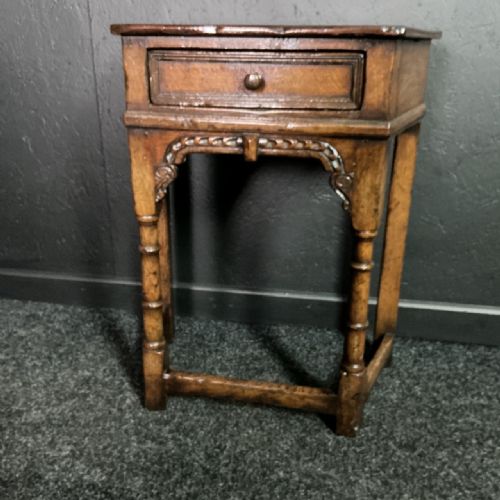



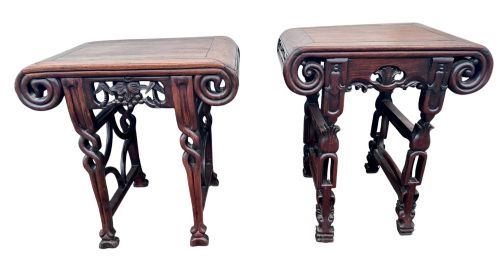


Carved Pedestal Stool
These carved pedestal stool examples combine utility and intricate woodwork, offering versatile surfaces for display or seating in traditional and eclectic interiors.
Carved Pedestal Stool
A carved pedestal stool serves multiple functions, appearing across various historical periods as side tables, plant stands, and piano seating. When searching for a carved pedestal stool, buyers encounter diverse forms ranging from Chinese hardwood plant stands to Victorian walnut piano stools.
The selection includes pieces spanning the eighteenth, nineteenth, and early twentieth centuries, reflecting global influences from Italian Renaissance revival styles to Qing Dynasty export work. These objects often double as occasional tables or jardiniere stands depending on their height and top construction.
Asian hardwood and Chinese rootwood examples feature prominently alongside European walnut and mahogany pieces. Buyers frequently select these items to anchor a corner, display sculpture or plants, or provide flexible seating.
Materials and construction methods
Craftsmen utilised dense timbers such as walnut, mahogany, rosewood, and huali hardwood to support intricate carving and weight. Many tables and stands incorporate inset marble or quartz tops, requiring precise joinery to secure stone within wood frames.
Surface treatments vary from polished natural grain and ebonised finishes to painted details and lacquer. Artisans employed traditional joinery methods, occasionally integrating pearl inlay or sculptural elements like wooden tusks and rootwood formations.
Carved Pedestal Stool Retail Price Guide 2026
Typical asking prices for carved pedestal stool among the pieces listed under this phrase on Sellingantiques today, from the lower quarter to the upper quarter. They describe what is for sale here now, not the wider market.
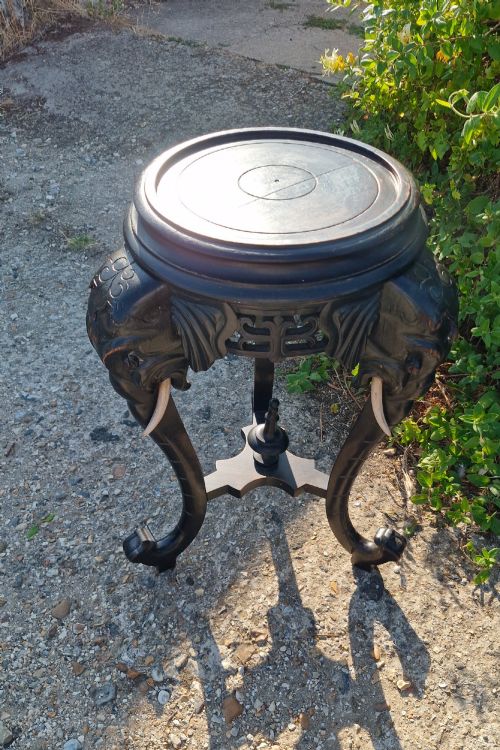
Several Victorian and Asian stands include painted wooden tusks and sculptural elephant bodies, bringing unexpected wildlife directly into the parlour.
Factors distinguishing finer examples
Quality rests upon the depth and clarity of the carving, the selection of timber, and the integrity of any inset stone top such as marble or quartz. Finer pieces demonstrate superior anatomical or floral relief work that remains crisp and well-defined.
The choice of dense hardwoods like rosewood or huali elevates a piece above standard softwood or simpler painted items. Stability, balanced proportions, and the successful integration of multi-functional elements like adjustable mechanisms also distinguish the finest examples.
The Carved Pedestal Stool Glossary
- Hardwood
- Dense timber derived from broad-leaved trees, providing the structural strength needed for detailed carving.
- Jardiniere stand
- A tall pedestal or table designed specifically to hold indoor plant pots and floral arrangements.
- Rootwood
- Timber formed from the root burls of trees, utilised in Chinese furniture for its gnarled, organic appearance.
- Marble top
- A stone slab fitted into the surface of a table or stand, offering a durable and cool display area.
- Huali
- A fragrant, dense Asian hardwood prized by traditional furniture makers for its rich grain.
Carved Pedestal Stool: Frequently Asked Questions
What were carved pedestal stools used for?
These items functioned flexibly as plant stands, lamp tables, or piano seating depending on their specific height and top construction. Many served as decorative display surfaces for ceramics and sculptures in period rooms.
Over time, owners adapted them for various domestic uses, shifting between seating and occasional table surfaces as needed.
How do I identify the period of a stand?
Dating relies on observing wood types, carving styles, and structural markers associated with specific eras like the Victorian period or Qing Dynasty. Details such as ebonising or specific revival styles offer strong chronological clues.
Comparing construction techniques and regional design motifs helps narrow down the decade of production.
Can these stands support heavy plants?
Most hardwood and marble-topped examples possess the structural capacity to support substantial planters or heavy decorative objects. The dense nature of materials like rosewood and walnut provides inherent stability.
Weight distribution remains secure due to the sturdy pedestal bases characteristic of this furniture group.
Where should I place a pedestal stool?
These pieces fit effectively into corners, hallways, or beside seating where a compact surface is required. Their vertical orientation makes them ideal for displaying items without occupying excessive floor space.
Matching the wood tone or style with surrounding furniture helps integrate the stand into the room layout.