

Carved Pedestal Lamps
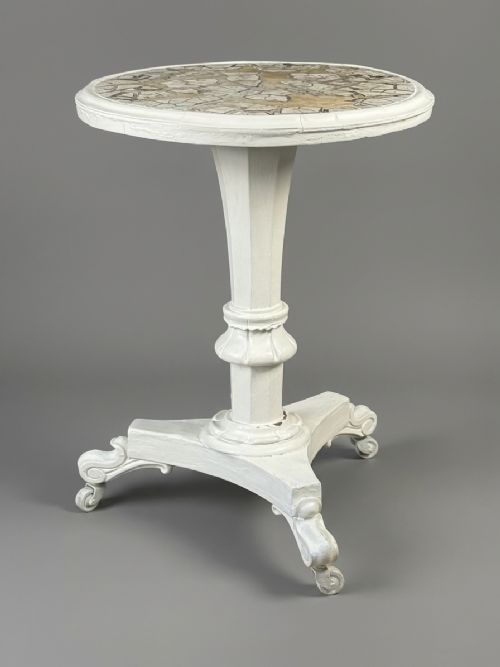
These carved pedestal lamps and related support tables bring sculptural wood and stone into a room to hold light.
Carved Pedestal Lamps
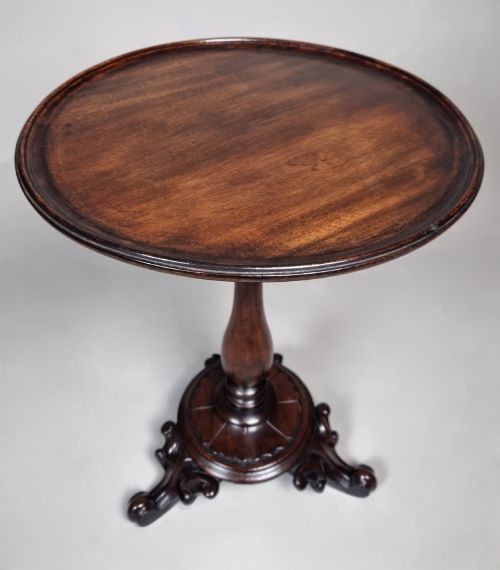
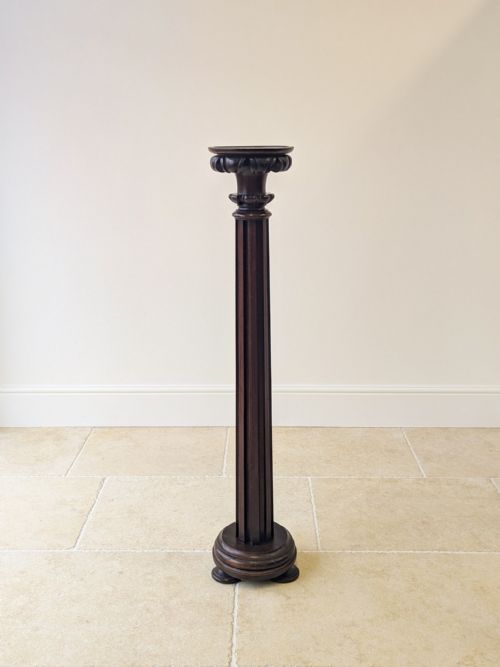
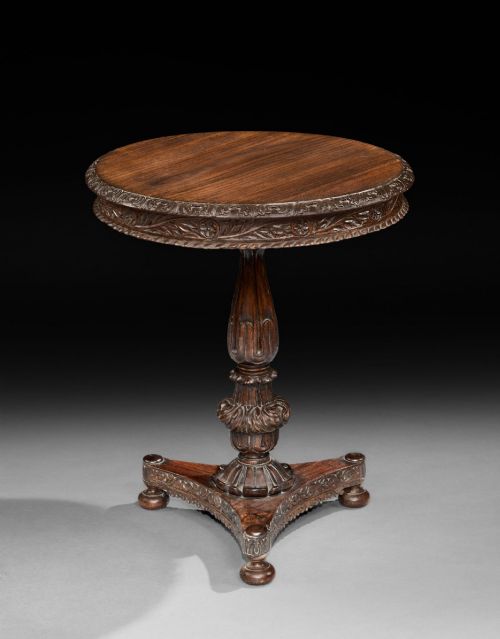
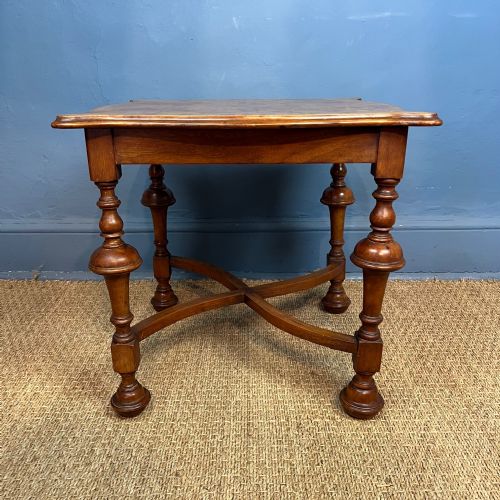
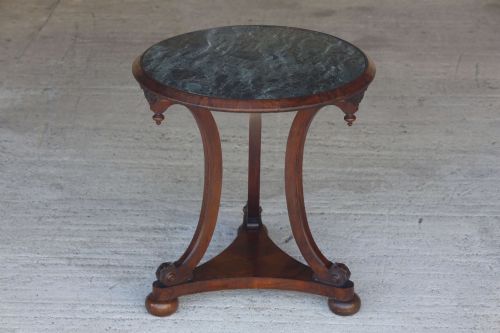
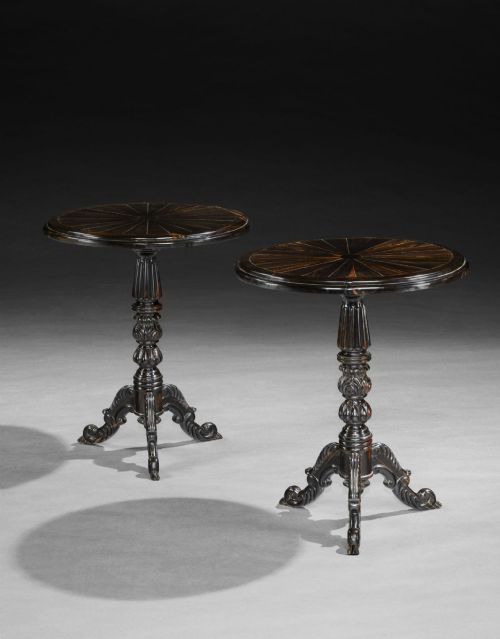
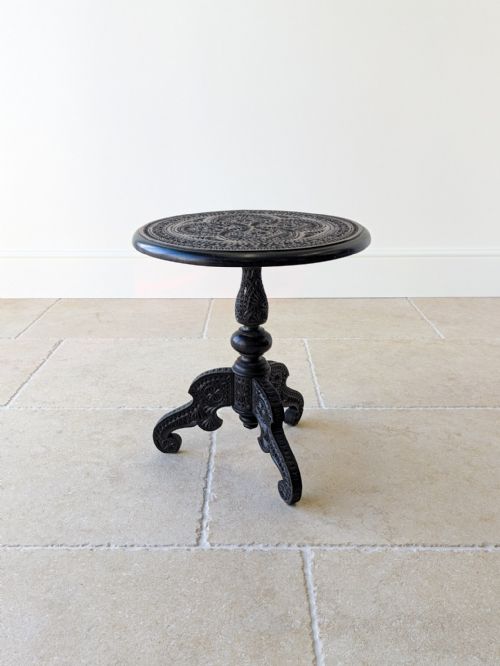
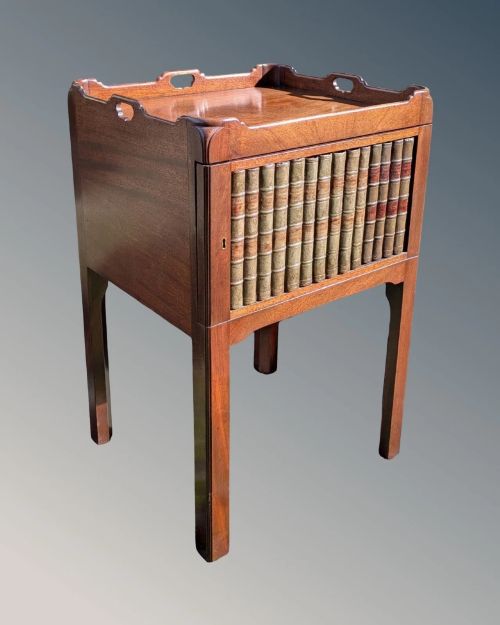
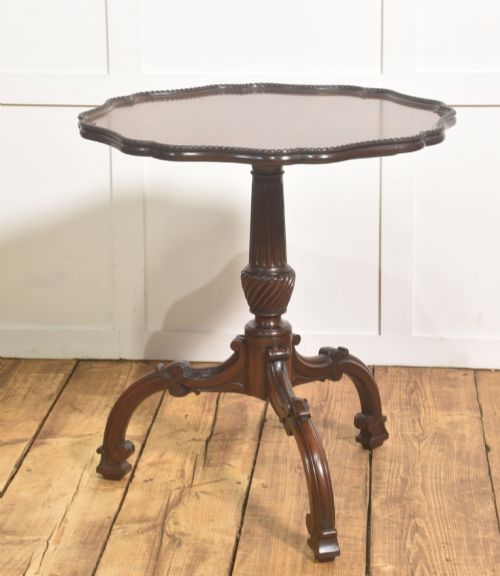
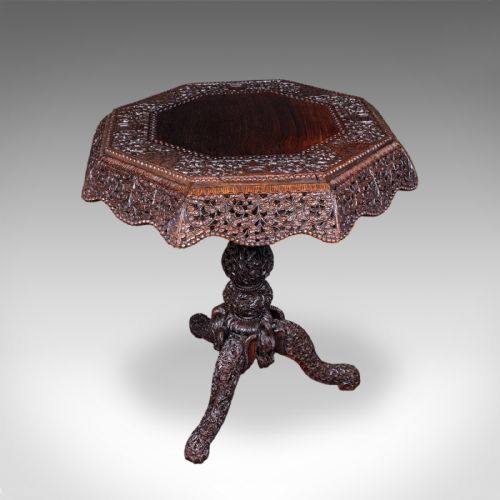
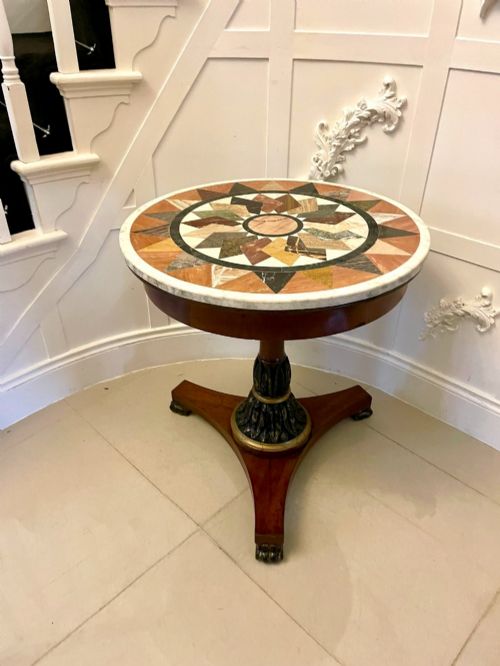
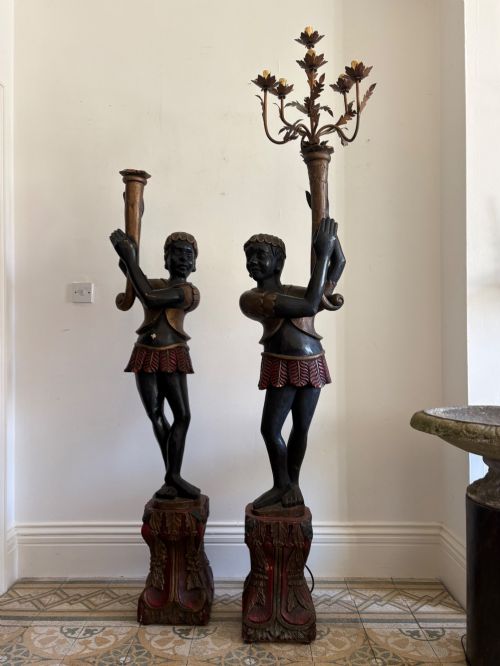
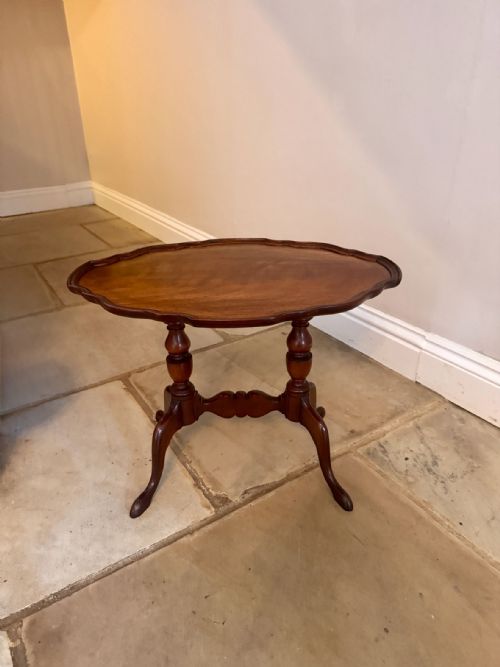
When you search for carved pedestal lamps, you encounter a selection spanning the nineteenth century, the Victorian era, and the Edwardian period. The forms on this page include floor lamps, torchere stands, lamp bases, and occasional tables adapted or utilised for lighting.
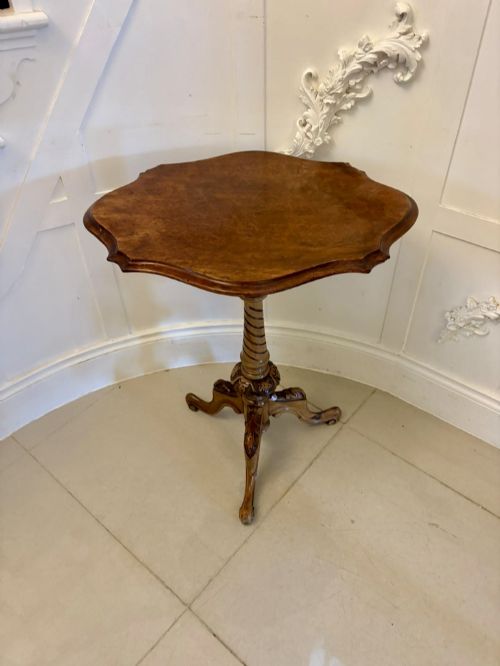
Mahogany, walnut, and burr walnut dominate the structural woods, alongside oak, rosewood, and carved wood. You also find marble and specimen marble tops paired with carved pillars, columns, and tripod bases.
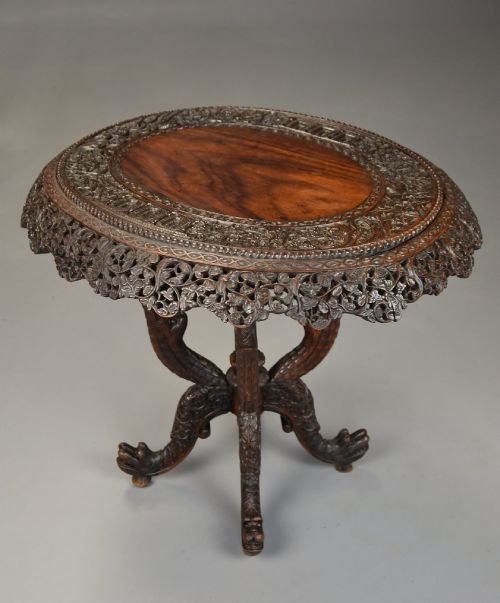
The styles range from standard Victorian and Edwardian pieces to William IV, Georgian Revival, Chippendale Revival, and Venetian Baroque. Many listings combine multiple functions, serving alternately as lamp tables, wine tables, side tables, and plant stands.
How they were made
Cabinet makers utilised dense hardwoods such as mahogany, rosewood, and walnut to turn slender pillars, stout pedestals, and intricate tripod legs. Burr walnut veneers and marquetry inlay added decorative grain patterns to circular, octagonal, and oval table tops.
Carved details on wood surfaces range from crisp acanthus leaves and barley twists to elaborate Venetian Baroque figures and classical pillar engravings. Marble and specimen stone tops were precisely cut, polished, and fitted directly onto wooden frames or pedestals.
Carved Pedestal Lamps Retail Price Guide 2026
Typical asking prices for carved pedestal lamps among the pieces listed under this phrase on Sellingantiques today, from the lower quarter to the upper quarter. They describe what is for sale here now, not the wider market.
Period origins span the nineteenth century, the Victorian and Edwardian eras, and earlier Georgian Revival revivals.
What varies in quality
The grade of timber and the depth of carving separate standard examples from finer works. Burr walnut veneers with rich figuring and crisp, hand-carved pillars demonstrate superior craftsmanship compared to plain surfaces and mechanical moulding.
Structural stability in the central pillar and tripod base dictates daily usability. Heavier stone tops and taller floor lamp structures require robust joinery and balanced weight distribution to remain upright and secure.
The Carved Pedestal Lamps Glossary
- Torchere
- A tall stand designed to hold a light source or candle, frequently referenced interchangeably with lamp stands.
- Tripod base
- A three-legged support structure commonly found beneath occasional tables and lamp stands to ensure stability on uneven floors.
- Burr walnut
- Wood taken from the wart or growth on a walnut tree, highly prized for its swirling, decorative grain patterns.
- Marquetry
- The art of applying pieces of veneer to a structure to form decorative patterns and pictures.
Carved Pedestal Lamps: Frequently Asked Questions
What is a torchere stand?
A torchere is a tall, slender stand originally built to hold a candle or oil lamp and now frequently utilised for electric floor lamps.
These pieces elevate the light source above standard table height, providing focused illumination in corners or beside seating.
How do I identify a Victorian lamp table?
Victorian examples often feature rich mahogany or burr walnut timbers, turned central pillars, and circular or octagonal tops.
Makers of this period frequently incorporated decorative touches like bobbin galleries, inlaid marquetry, or carved tripod legs.
Can I use an occasional table as a lamp base?
Many occasional tables, wine tables, and side tables from the nineteenth and early twentieth centuries serve well as lamp stands.
Their sturdy tops and central pedestals provide a stable surface for table lamps while maintaining period character.
What wood types appear most often?
Mahogany and walnut form the core of the selection, with burr walnut and rosewood appearing on finer decorative items.
Oak and carved wood also feature prominently, particularly in heavier Victorian and Baroque styles.