




Carved Pedestal Coffee Table
These carved pedestal coffee table examples unite solid timbers with sculptural pedestals, offering robust utility and characterful period presence for contemporary interiors.
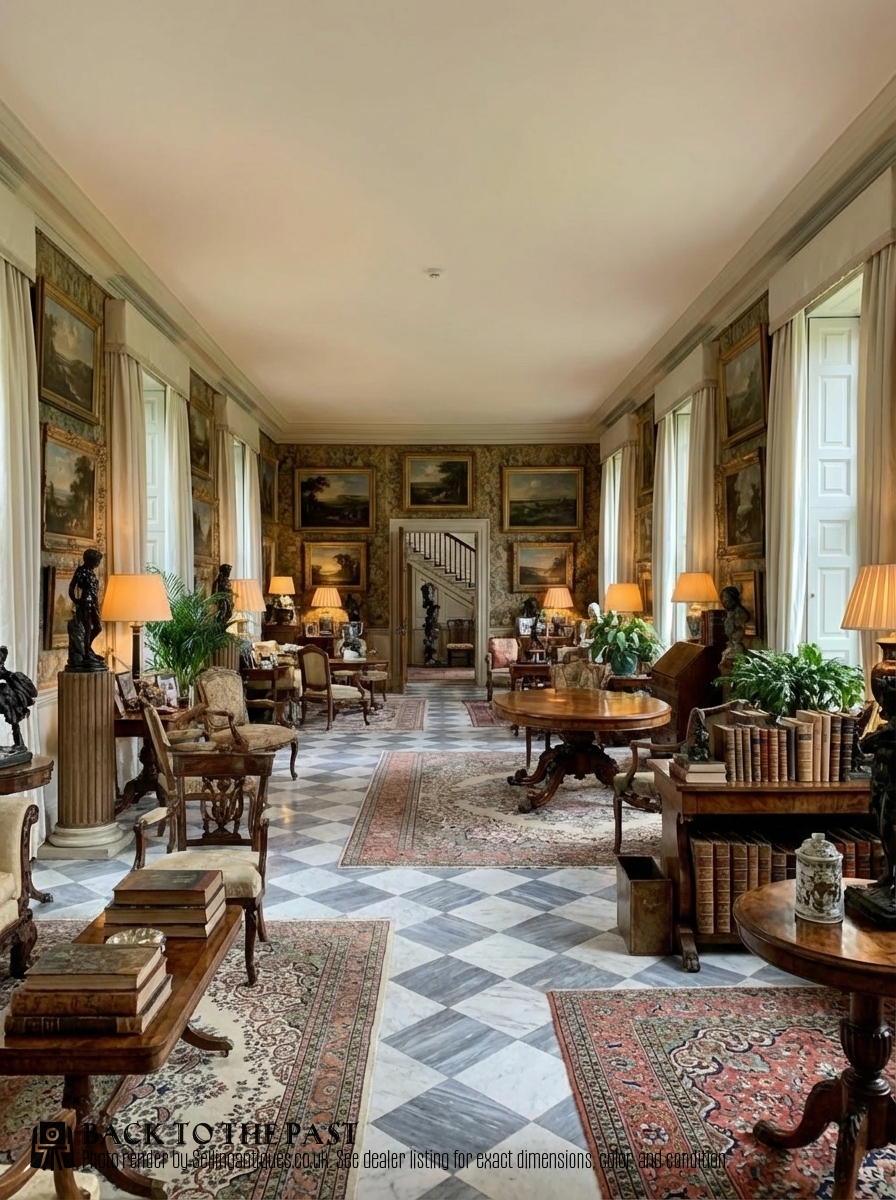
Carved Pedestal Coffee Table
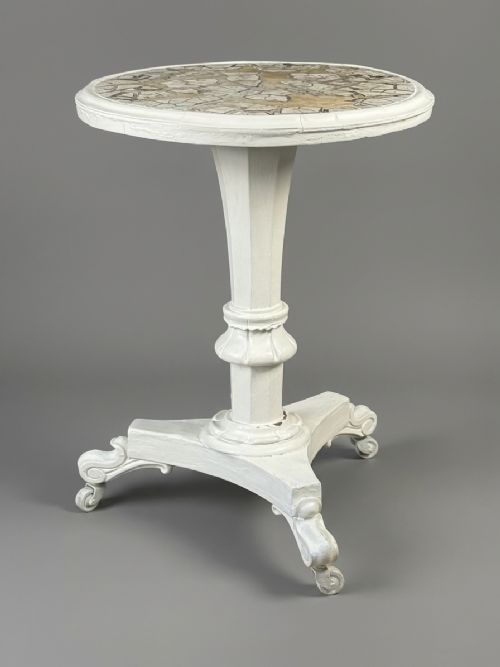
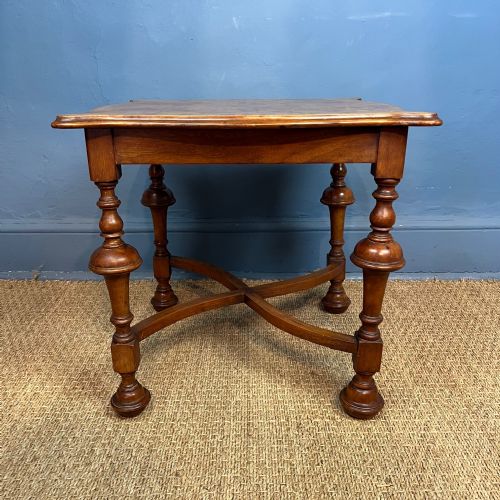
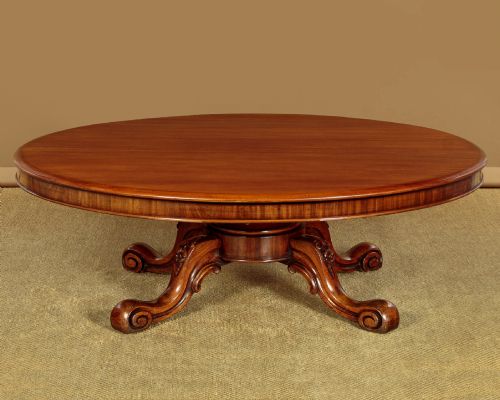
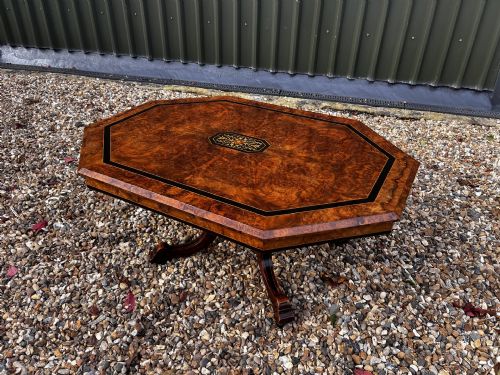
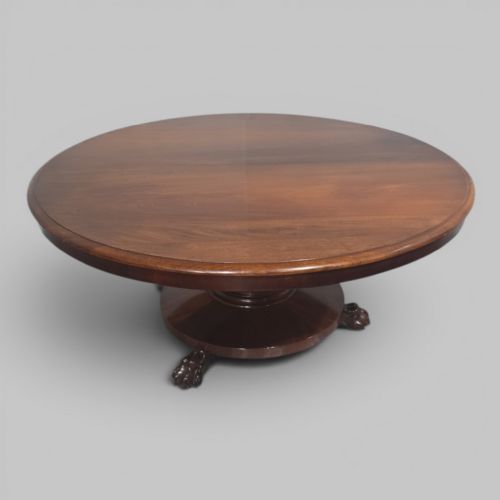
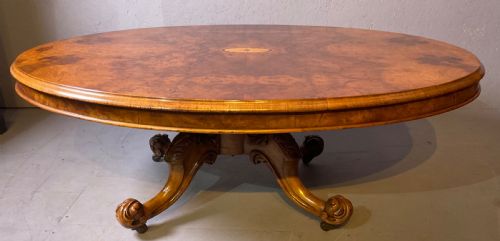
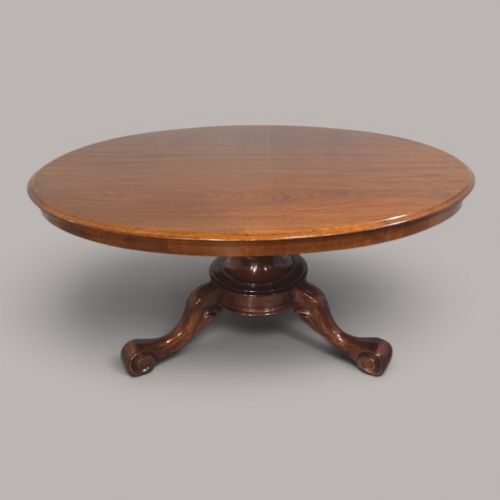
A carved pedestal coffee table brings together nineteenth-century and early twentieth-century forms, often originating from converted wine tables, centre tables, or occasional tables lowered for modern domestic use. You will frequently encounter Victorian walnut and burr walnut iterations featuring marquetry inlay or hand-carved bases.
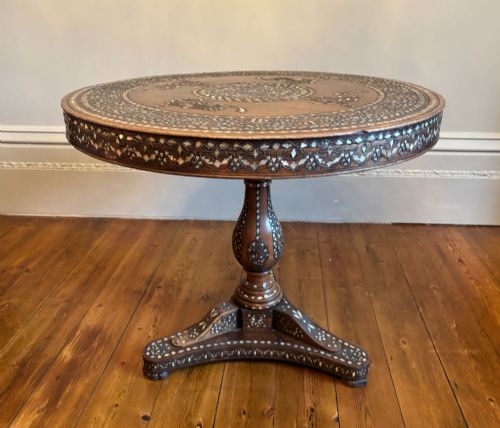
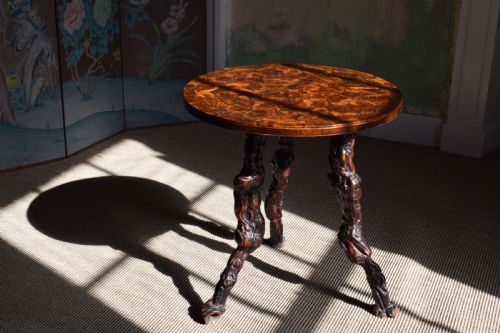
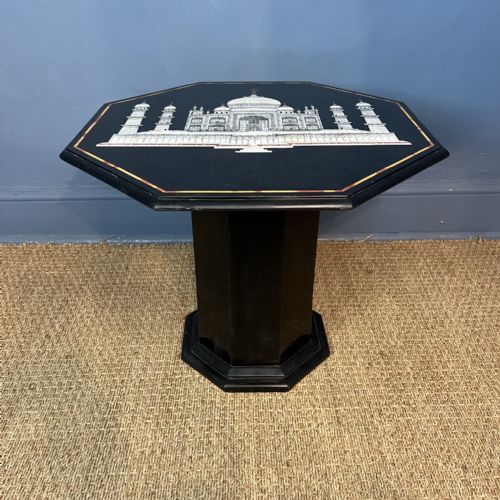
The selection extends beyond standard European pieces to include regional traditions such as Anglo-Indian, Chinese export, and Swiss Black Forest works. These varied geographic origins introduce distinct carving motifs and unconventional silhouettes into the category.
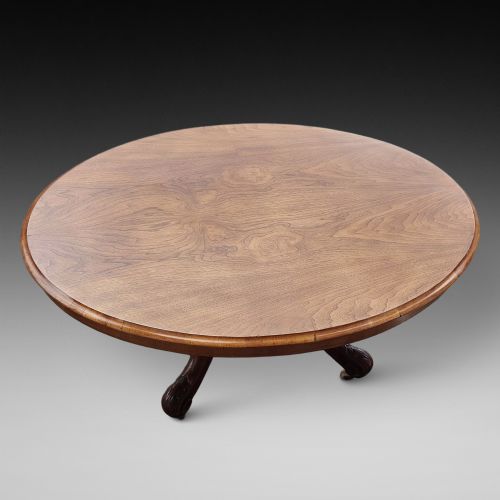
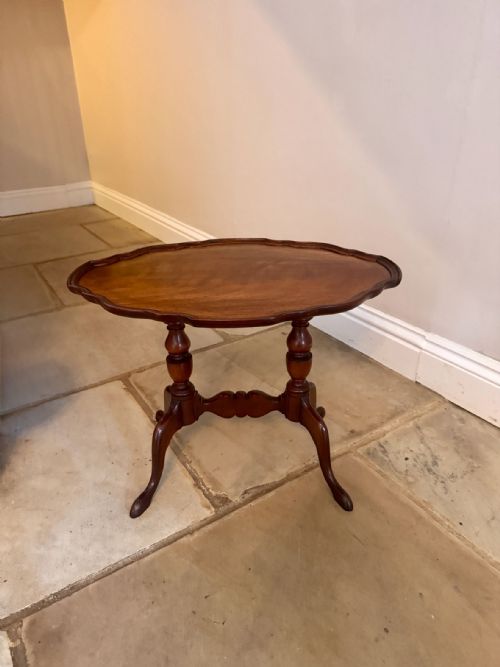
Forms span oval, circular, octagonal, and shield-shaped tops supported by central pillars or sculptural tripod bases. While some maintain their original occasional table heights, others have been sensitively adapted to suit lower seating arrangements.
Distinctions in Quality
The calibre of a carved pedestal coffee table depends heavily on the depth and crispness of the hand-carving and the precision of any marquetry or stone inlay. Superior examples display meticulous attention to detail in the execution of natural motifs and geometric borders.
Timber selection dictates visual richness, with highly figured burr walnut or select rosewood marking out finer workshops from standard production. The harmony between the top and the supporting pedestal also separates thoughtful conversions from clumsy alterations.
Carved Pedestal Coffee Table Retail Price Guide 2026
Typical asking prices for carved pedestal coffee table among the pieces listed under this phrase on Sellingantiques today, from the lower quarter to the upper quarter. They describe what is for sale here now, not the wider market.
The selection demonstrates a strong representation of Victorian walnut and burr walnut, complemented by regional Anglo-Indian and Chinese export hardwoods.
The Carved Pedestal Coffee Table Glossary
- Marquetry
- Decorative veneer work assembled in patterns using various wood types to create pictorial or geometric designs. It adorns the tops of many refined Victorian tables.
- Pietra dura
- An artistic technique using cut and fitted polished coloured stones to create intricate images. This technique appears on select marble-topped tables.
- Burr walnut
- A highly prized timber grain featuring swirling knot formations that create intricate natural patterns. Cabinetmakers utilised this veneer for its rich visual texture.
- Black Forest
- A nineteenth-century Swiss style characterised by deep, naturalistic animal and foliage carving. Pieces in this style often feature robust sculptural elements.
Carved Pedestal Coffee Table: Frequently Asked Questions
How do I choose the right height?
Consider the height of your surrounding seating to ensure comfortable access. Many period tables have been lowered from original wine or card table heights for modern coffee table use.
Check the clearance beneath the apron to ensure your legs fit comfortably underneath when sitting close to the table.
Are these tables sturdy enough for daily use?
Most pieces are constructed from dense hardwoods like mahogany and walnut, offering considerable structural resilience. The central pillar and heavy base design naturally distribute weight effectively.
Avoid placing excessive loads on cantilevered edges, especially on pieces with intricate stone or marble inlays.
How do I identify a Victorian piece?
Look for characteristic timber choices such as rich walnut and mahogany, often paired with elaborate marquetry or hand-carved vegetal motifs. Construction methods typical of the nineteenth century include hand-cut joints and traditional polish finishes.
Regional variations like Anglo-Indian or Black Forest styles also point firmly to nineteenth-century production periods.
How should I care for timber surfaces?
Maintain the wood by dusting with a soft, dry cloth and applying quality beeswax periodically to nourish the polish. Protect surfaces from direct heat and moisture by using coasters and mats.
Avoid placing tables in direct sunlight to prevent the rich walnut or rosewood veneers from fading over time.