

Carved Panel Oak Bed
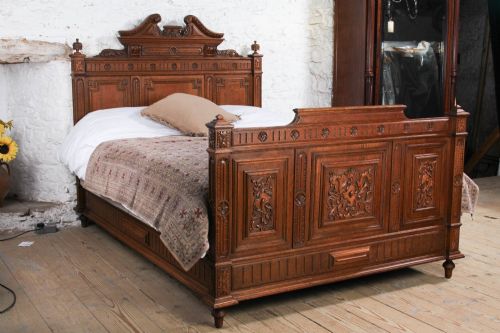
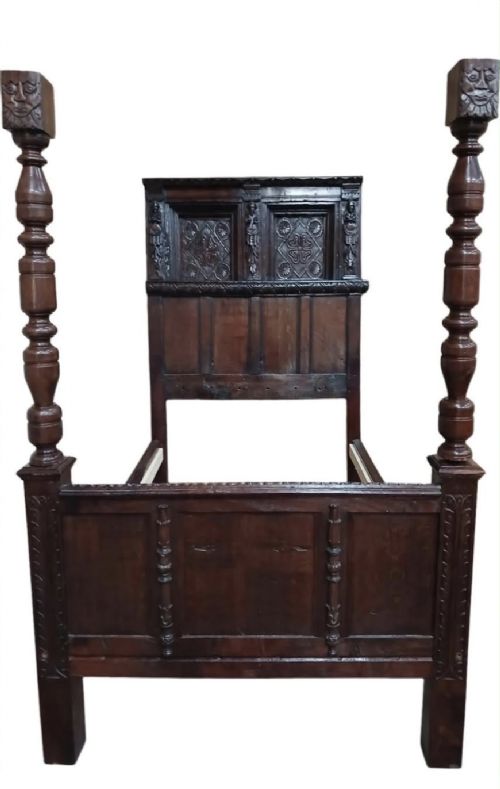
A carved panel oak bed brings substantial timber structure and deep historic character into a bedroom, offering solid period construction and enduring joinery.
Carved Panel Oak Bed
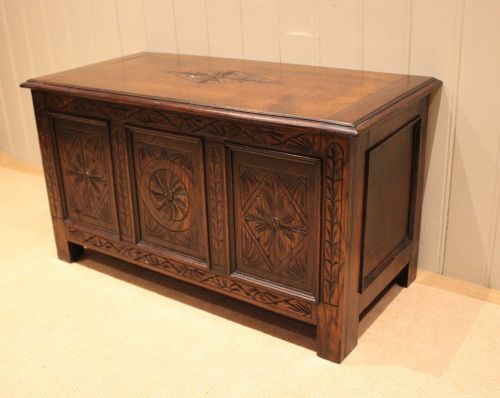
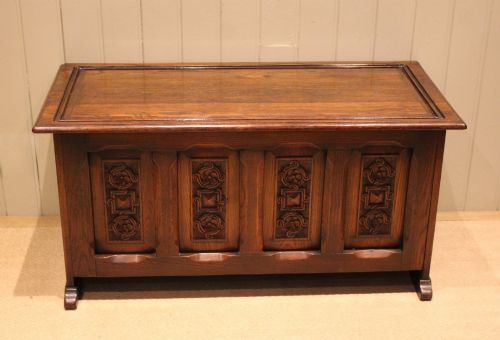
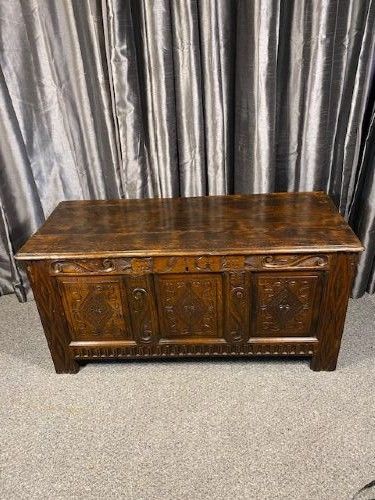
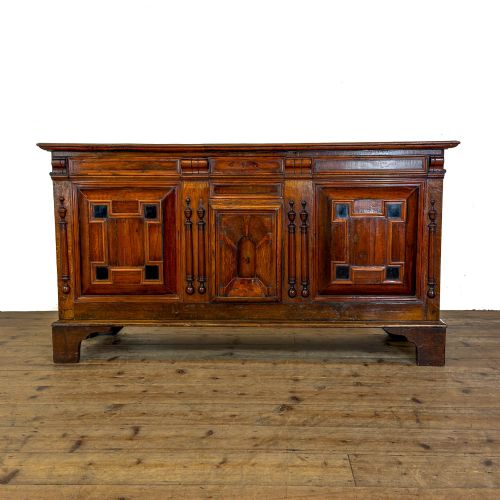
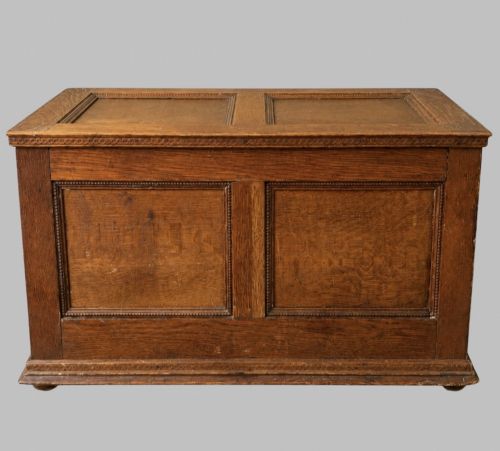
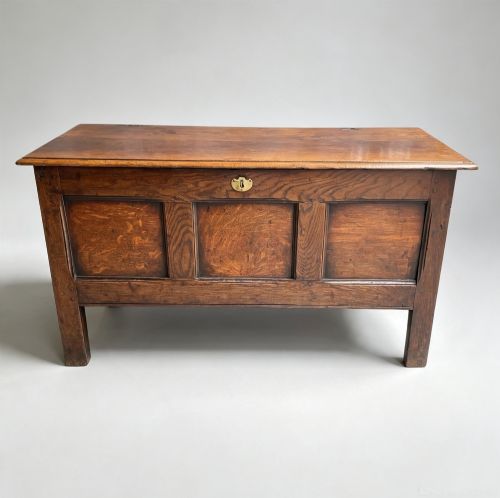
A carved panel oak bed search uncovers substantial sleeping furniture alongside related boarded storage pieces like coffers, chests, and cradles that share identical joinery and timber decoration. Buyers encounter robust four poster tester beds alongside later revival pieces and bedsteads dating from the seventeenth century through to the early twentieth century.
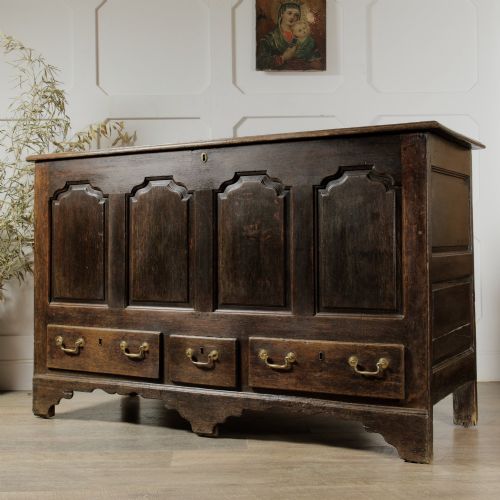
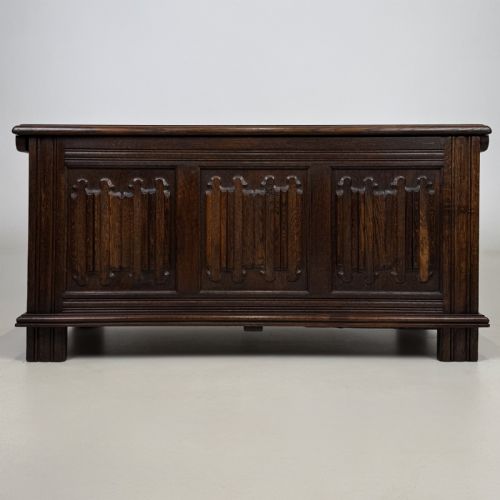
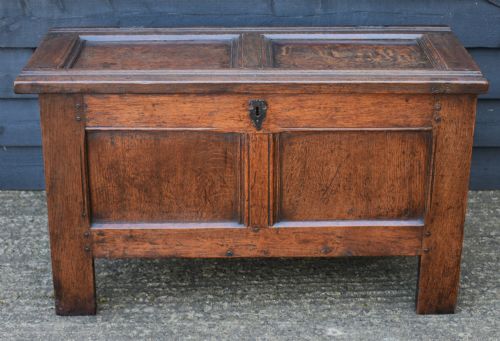
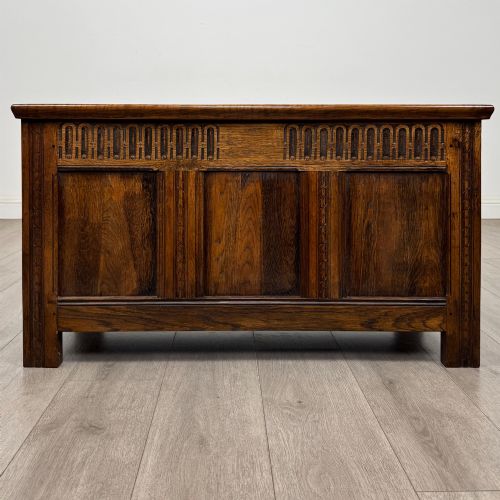
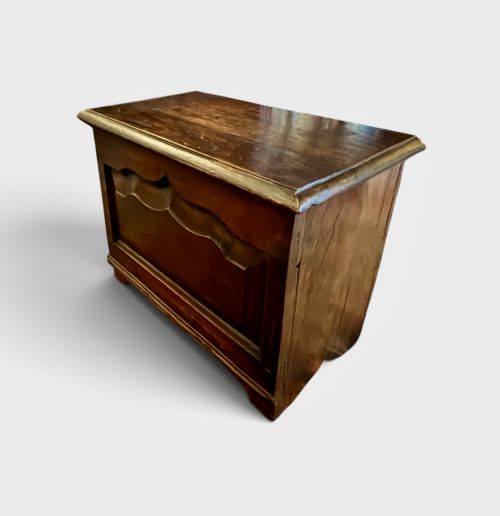
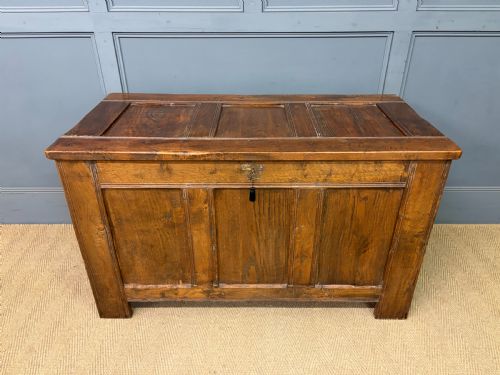
Storage forms such as mule chests, blanket boxes, and kists dominate the selection alongside full bed frames. These companion pieces display the exact geometric and figural carving styles found on contemporary bed heads.
Materials and Construction Methods
Makers utilised solid oak for the primary structural frames and panels, frequently selecting fruitwood for contrasting details and marquetry inlay. Hardware incorporated forged iron and cast brass for hinges, locks, and structural reinforcement.
Panels were hand-carved using chisel and gouge to produce geometric patterns, foliage, and linenfold motifs. Joinery relied upon traditional mortise and tenon joints secured with wooden pegs rather than metal nails.
Carved Panel Oak Bed Retail Price Guide 2026
Typical asking prices for carved panel oak bed among the pieces listed under this phrase on Sellingantiques today, from the lower quarter to the upper quarter. They describe what is for sale here now, not the wider market.
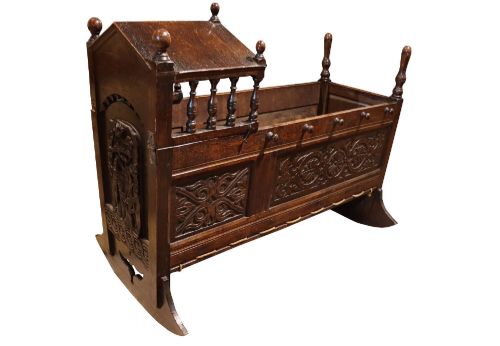
Rocking cribs share the exact same carved panel motifs as grand tester beds, offering infants miniature Jacobean architecture.
Factors Defining Quality
The crispness and depth of hand-carving separate high-grade panels from simpler, worn, or later machine-cut decoration. The proportion of original timber relative to replacement sections dictates the integrity of older frames.
The integration of earlier seventeenth-century panels into nineteenth-century or twentieth-century frameworks requires careful assessment of the joinery and timber age. Superior examples retain matching patination across all structural elements.
The Carved Panel Oak Bed Glossary
- Tester bed
- A bed featuring a wooden canopy or tester supported by four posts. The headboard typically displays carved oak panels.
- Mule chest
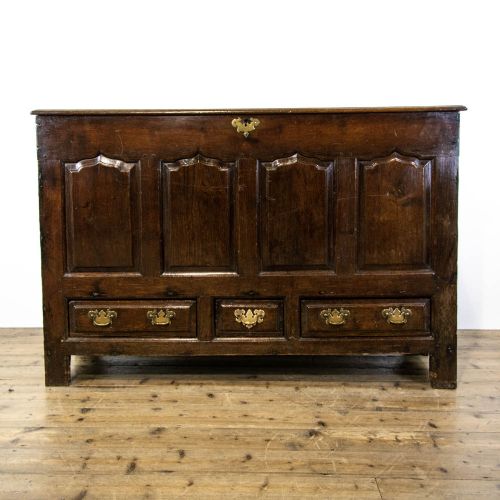
- A storage chest featuring one or more drawers beneath the main lift-lid compartment. These pieces often combine oak with fruitwood inlay.
- Linenfold
- A style of wood carving that mimics vertical folds of draped fabric. This motif frequently appears on sixteenth and seventeenth-century panels.
- Kist
- A regional term for a heavy wooden storage chest or box. These utility items employ standard oak boarding and simple framing.
- Marquetry
- The art of applying decorative veneer pieces to a structure to form geometric designs. Makers utilised fruitwood alongside oak to create contrast.
Carved Panel Oak Bed: Frequently Asked Questions
How do I date an oak bed?
Dating relies upon examining the tool marks, joint construction, and timber patination. Early examples utilise pegged mortise and tenon joinery alongside hand-riven oak boards.
Revival pieces from the nineteenth and twentieth centuries often employ machine-sawn timber and modern fixings behind traditional carved facades.
Are these beds standard modern sizes?
Historic sleeping furniture predates modern mattress dimensions and often measures shorter or narrower than current standards. Four poster tester frames and antique bedsteads require careful measurement before mattress selection.
Custom bedding or specialist mattress makers are frequently necessary to fit antique frames correctly.
What is a mule chest?
A mule chest combines a traditional lift-lid storage box with one or more drawers positioned in the base. This form emerged when makers sought easier access to garments without disturbing items stored above.
They share the same heavy oak construction and carved panel fronts as contemporary bed furniture.
How do I care for antique oak?
Solid oak benefits from stable indoor humidity levels away from direct heat sources and strong sunlight. Regular dusting with a dry cloth maintains the surface without stripping the aged polish.
Application of traditional beeswax helps nourish dry timber and preserves the natural patina over decades of use.