

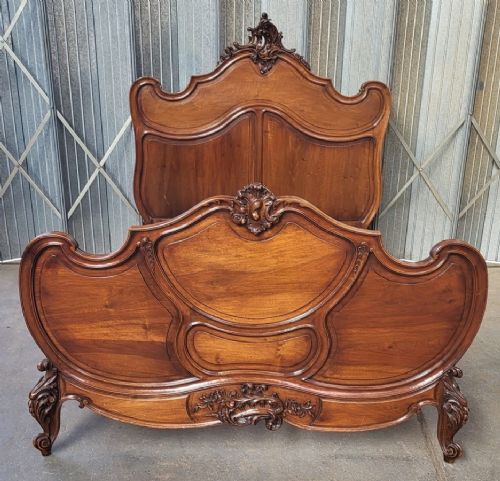


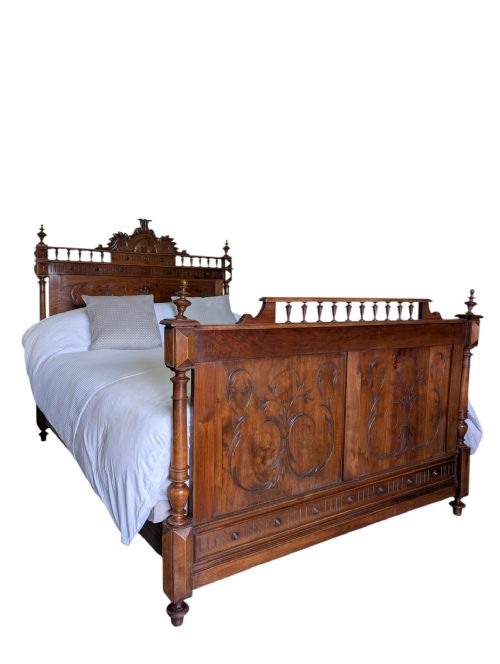


Oak Footboard Bed
An oak footboard bed grounds a bedroom with sturdy timber and classic presence, offering solid construction and enduring style.
Oak Footboard Bed
An oak footboard bed brings substantial timber framework and traditional sleeping architecture into the home. These pieces provide sturdy structural support whilst anchoring bedroom interiors with period character.
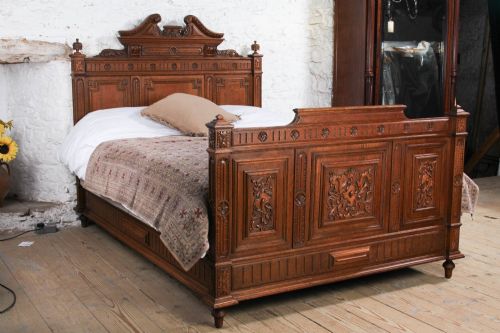
Buyers encountering this selection will predominantly find robust wooden frames spanning from the late nineteenth century through to the mid twentieth century. Many examples incorporate continental styling, particularly French provincial and revival influences, alongside British workshop interpretations.
How they were made
Joiners and cabinet makers constructed these bedframes primarily from solid oak and carved wood, utilising traditional timber framing techniques. Artisans often shaped the wood through hand carving to produce detailed panels, shaped headboards, and prominent footboards.
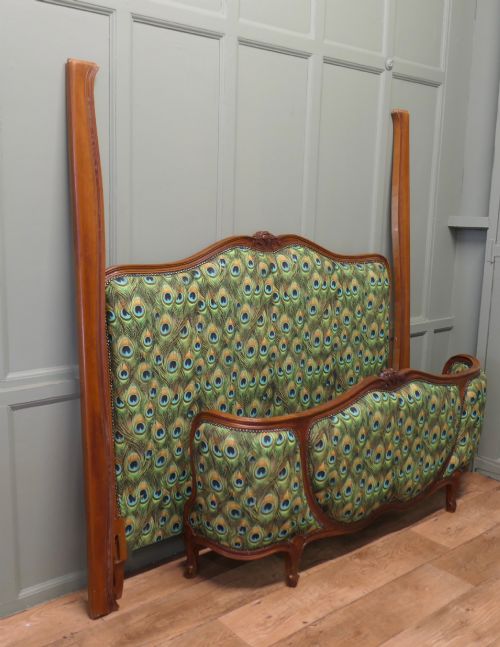
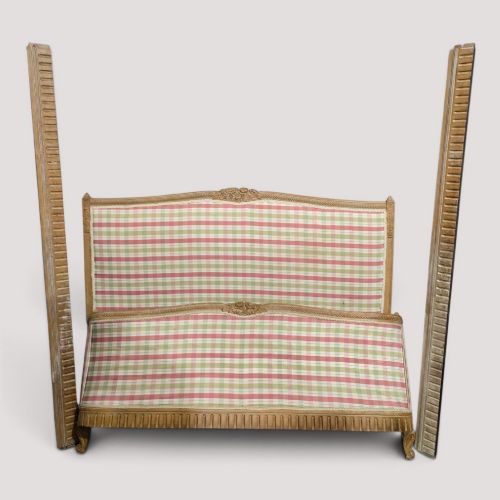
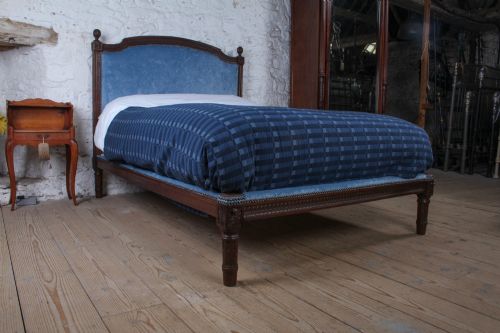
Surface treatments range from natural waxed finishes to limed wood and specialised paint work. Many surviving examples feature newly upholstered textile elements secured with brass studs to accent the wooden structure.
Oak Footboard Bed Retail Price Guide 2026
Typical asking prices for oak footboard bed among the pieces listed under this phrase on Sellingantiques today, from the lower quarter to the upper quarter. They describe what is for sale here now, not the wider market.
Some French beds hide delicate peacock feather carvings beneath layers of dark wax, waiting for a sunny morning to reveal themselves.
What varies in quality
The degree of hand carving and sculptural detail distinguishes finer examples from simpler utilitarian frames. Elaborate crests, deep mouldings, and balanced proportions require skilled craftsmanship that elevates the visual weight of the timber.
The integrity of the structural timber and the precision of the joinery determine the overall durability of the bedstead. Sound seasoning of the wood prevents excessive movement, ensuring the framework remains stable across decades of domestic use.
The Oak Footboard Bed Glossary
- Footboard
- The vertical barrier at the lower end of a bed frame. It provides a finished visual boundary to the sleeping platform.
- Bedstead
- The complete framework of a bed supporting the mattress and base. This includes headboards, footboards, and connecting side rails.
- Limed wood
- Timber treated with a specialised finish that highlights the open grain with a lighter pigment. This technique creates a softened surface appearance on oak.
- Revival style
- Design movements that draw inspiration from historical periods such as Louis XV or Henri II. Makers reinterpreted these classic motifs for contemporary nineteenth and twentieth century homes.
- Upholstered
- Framework padded with textile and secured to the wooden structure. This adds softness and colour to the head or foot panels.
Oak Footboard Bed: Frequently Asked Questions
Are these beds easy to assemble?
Most period bed frames utilise traditional slot-in iron brackets or wooden peg systems for the side rails. These mechanical joints allow the headboard, footboard, and rails to separate for transport.
Having an extra pair of hands helps steady the heavy timber components during assembly. Ensure the frame sits squarely on the floor to maintain proper alignment of the rails.
Can I use a modern mattress?
Many older bed frames accommodate standard modern mattresses, provided the internal dimensions match closely. Slatted wooden bases or custom support boards can be fitted inside the side rails to hold contemporary mattress types.
Check the height of the side rails and footboard relative to your mattress depth. You want to ensure the bedding rests comfortably without crowding the decorative elements of the footboard.
How do I care for oak timber?
Maintain oak bedframes by dusting regularly with a soft, dry cloth to prevent grit accumulation. Apply a quality beeswax periodically to nourish the wood and preserve the natural sheen.
Position the bed away from direct heat sources and strong sunlight to prevent the timber from drying out or splitting. Consistent indoor humidity levels help protect the stability of the antique wood.