




Carved Panel Bed Frame
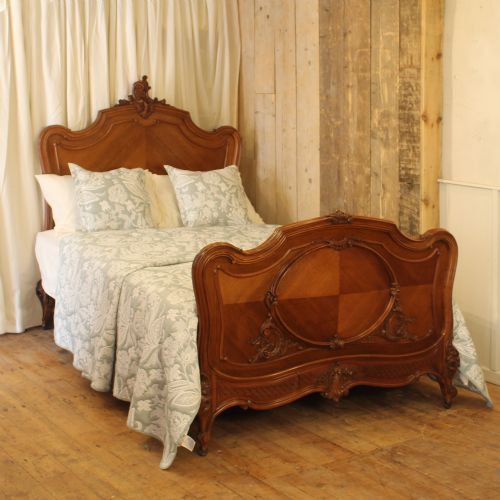
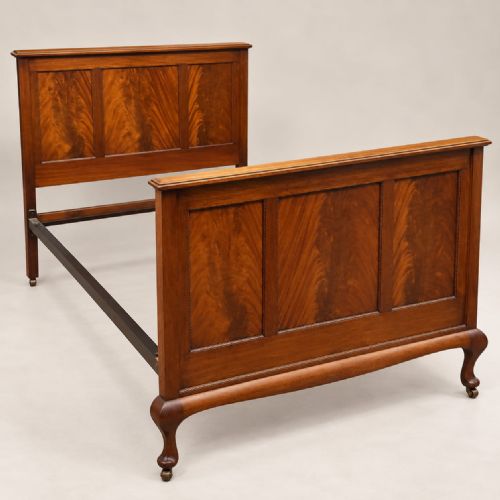
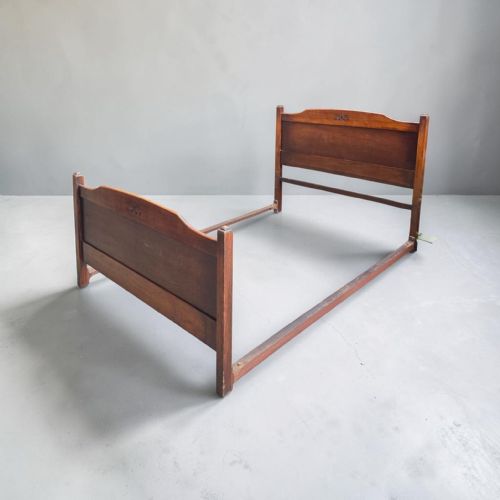
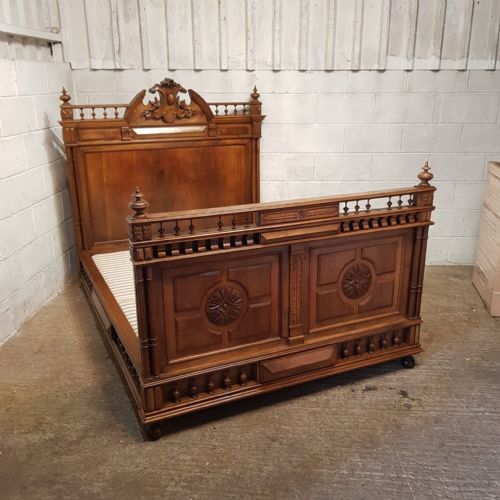
A carved panel bed frame brings monumental presence to a bedroom, offering heavy timber construction and classical relief work.
Carved Panel Bed Frame
A carved panel bed frame sits firmly within late Victorian, Edwardian, and early twentieth-century traditions, spanning the decades from eighteen-eighty to nineteen-twenty. These pieces combine substantial wooden headboards and footboards with decorative panels, often following French revival styles or simpler Arts and Crafts designs.
The selections available here range from compact single and small double formats to grand king and emperor sizes. Walnut and oak dominate the construction, while specific pieces incorporate painted portraits, floral decoration, or cane inserts into their panels.
Continental forms, particularly French chateau and Henri second styles, appear alongside English craftsmanship. Buyers encounter both single bedframes and pairs, occasionally accompanied by matching bedside cabinets from the same period.
Distinctions in quality
Quality rests upon the depth and precision of the hand carving within the panels, where crisp relief work distinguishes superior cabinetmaking from mechanical production. The selection of timber, particularly figured walnut, dense oak, or exotic rosewood, dictates the visual weight and longevity of the frame.
The integration of decorative elements, such as finely executed hand-painted portraits or floral scenes on wood and leather panels, elevates individual examples above standard utility furniture. Complete sets that retain their original side rails and matching cabinetry demonstrate higher integrity.
Some headboards double as private art galleries, featuring hand-painted portraits of mysterious figures peering out from above the pillows.
Maple And Co
The Carved Panel Bed Frame Glossary
- Bedstead
- A framework of a bed consisting of headboard, footboard, and side rails designed to support a mattress base.
- Panelling
- Flat sections of wood set within a framework, frequently carved, painted, or inlaid on antique headboards.
- Veneer
- A thin layer of superior wood applied over a base of cheaper timber to provide a decorative figured surface.
- Polychrome
- Decorated in multiple colours, often found on painted wooden panels depicting floral motifs or figures.
Carved Panel Bed Frame: Frequently Asked Questions
Will modern mattresses fit antique bed frames?
Many older bed frames were built to nineteenth or early twentieth-century sizing standards, which often differ slightly from standard modern dimensions. Buyers should check the internal length and width between the side rails before purchasing a mattress.
Custom mattress makers or adjustable slatted bases can often resolve sizing discrepancies, allowing these historical wooden frames to accommodate contemporary sleeping comfort.
How are antique wooden beds assembled?
These bed frames typically utilise heavy side rails that lock into the headboard and footboard posts using metal bolts, bed hooks, or slot-in brackets. Assembly requires two people to align the heavy timber components safely without damaging the carved panels.
Checking the stability of these original joints ensures the frame remains square and secure once the mattress base is placed inside.
How do I care for painted wooden panels?
Painted and polychrome panels require gentle maintenance using a dry microfiber cloth to remove dust without abrasive cleaners. Direct sunlight and excessive humidity should be avoided to prevent the paintwork from cracking or fading over time.
Applying specialised wax to the unpainted timber surrounds helps nourish the wood while keeping moisture away from the delicate decorated sections.
How do I identify French revival styles?
French revival styles such as Louis sixteenth or Rococo revival feature characteristic carved motifs including scrolling foliage, floral swags, and symmetrical symmetry. These designs reflect eighteenth-century aesthetics reinterpreted by late nineteenth-century cabinetmakers.
Heavier Renaissance revival pieces display more robust architectural mouldings, turned columns, and deep panel relief work typical of Henri second designs.