

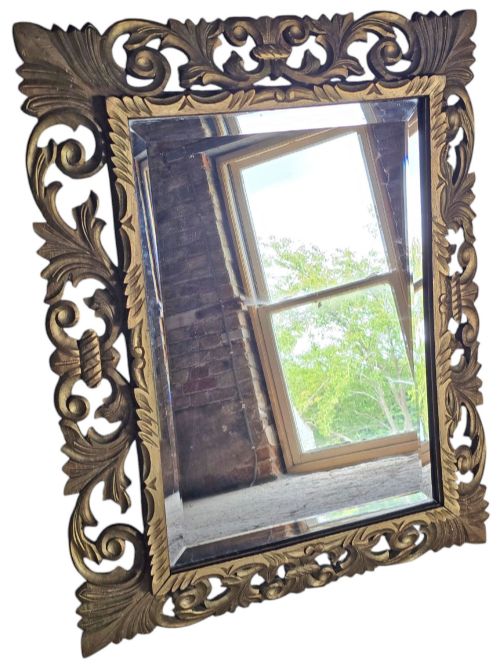
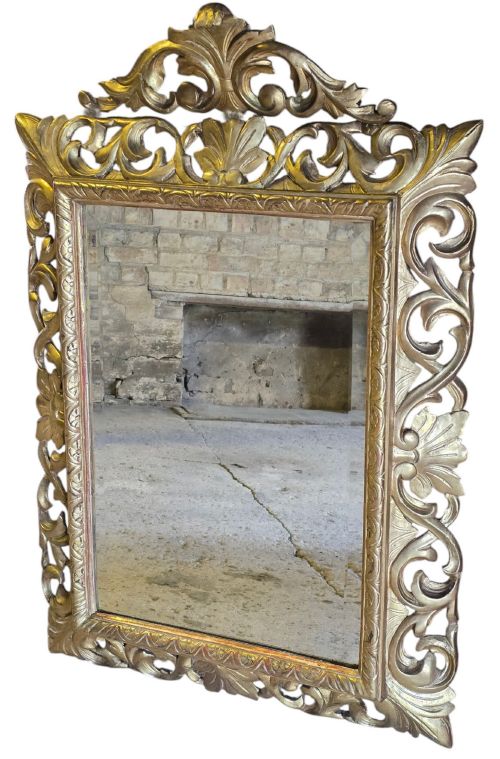
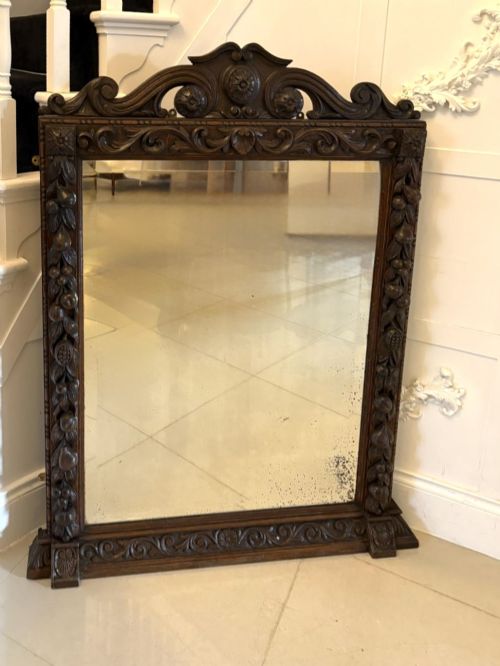
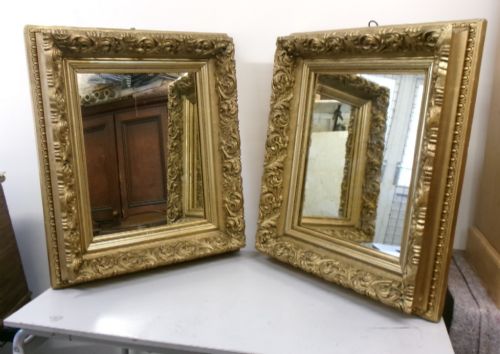



Carved Overmantel Frame
A carved overmantel frame brings architectural scale and period presence to a chimney breast, designed to anchor a room.
Carved Overmantel Frame
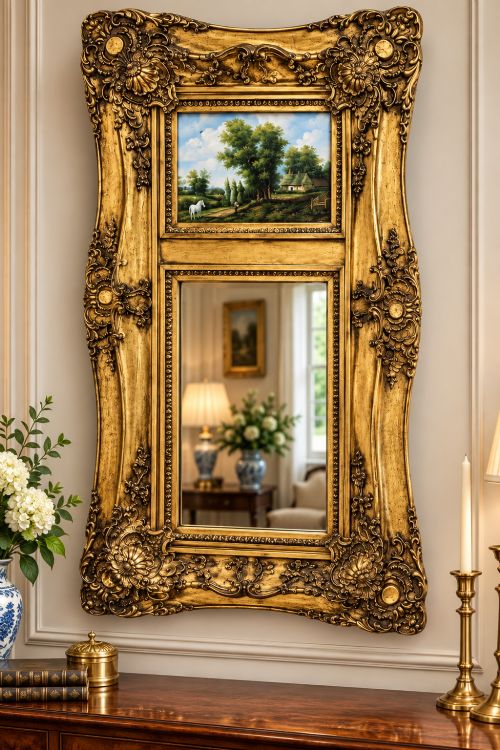
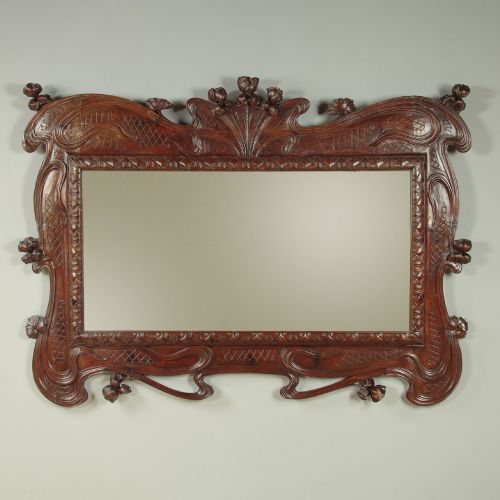
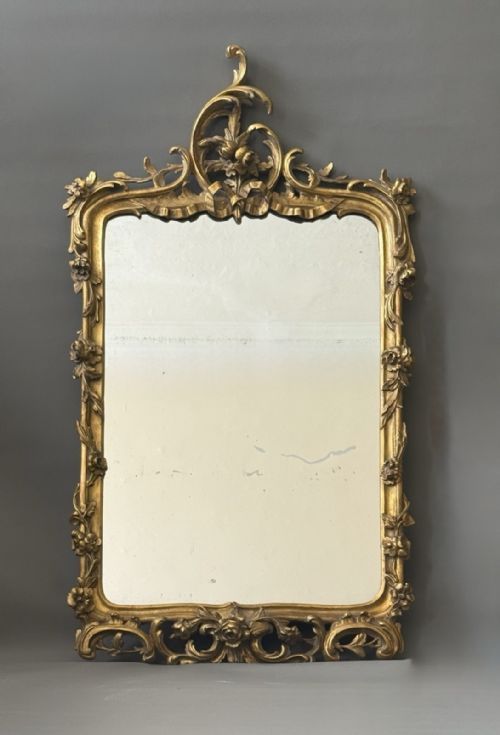
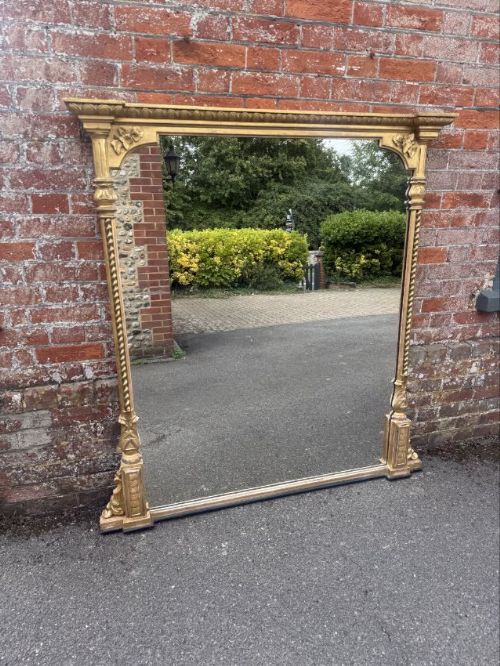
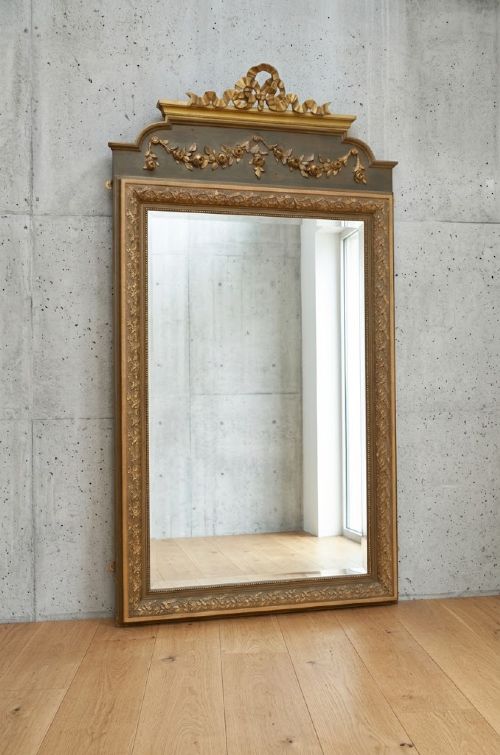
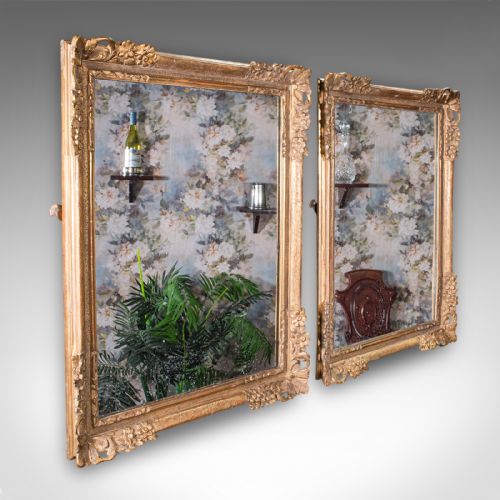
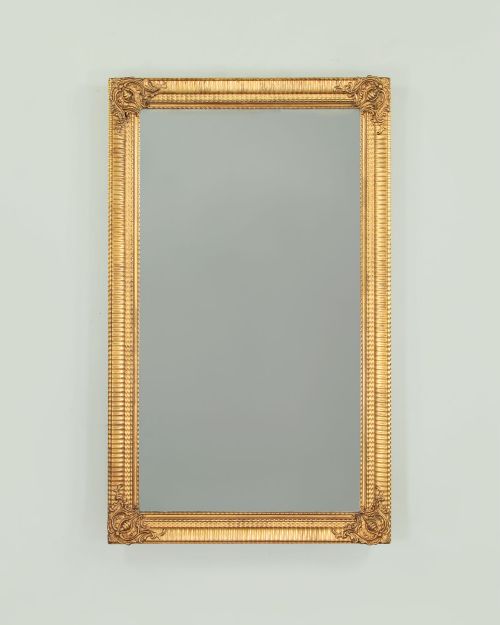
A carved overmantel frame is typically a grand wooden mirror housing designed to sit directly above a fireplace mantelpiece. The pieces gathered here span the eighteenth, nineteenth, and early twentieth centuries, drawing heavily on Victorian and French aesthetic traditions.
Most examples you will encounter on this page date from the nineteenth century, ranging from mid-Victorian giltwood creations to later oak and walnut interpretations. These frames served both a functional purpose in reflecting light around a parlour and a decorative role as the principal focal point of a formal room.
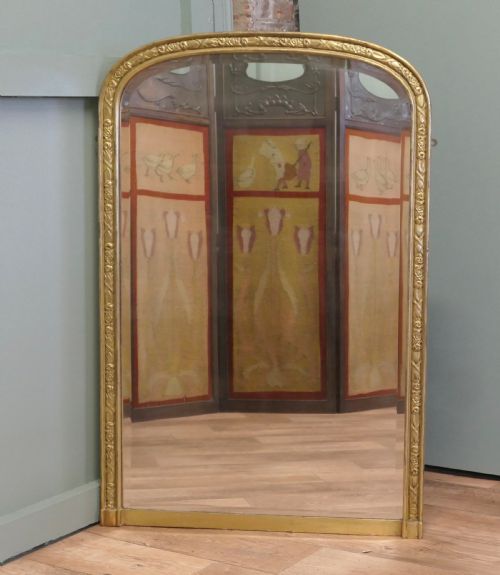
Forms vary from arched top and rope twist designs to rectilinear architectural shapes and ornate revival styles such as Rococo and Florentine. They appear in both English and French origins, reflecting the domestic tastes of their respective periods.
How they were made
Makers shaped structural carcasses from solid timbers such as oak, walnut, and pine, often applying layers of gesso to build up intricate surface details. Giltwood examples received thin sheets of gold leaf laid over a prepared bole, while others retained the natural grain of bleached or polished oak.
Carving techniques combined hand-chiselled wooden enrichment with moulded composition ornaments applied to corners and crests. Mercury glass plates and early bevelled mirror plates were fitted into the rebates behind protective backboards.
Listings feature eighteenth-century French gilt mirrors alongside nineteenth-century English gesso overmantels and early twentieth-century Florentine frames.
What varies in quality
Quality rests upon the crispness of the hand-carving and the depth of the underlying gesso work rather than mere surface gilding. Superior examples display sharply defined acanthus leaves, floral motifs, and structural joinery that remains rigid under the weight of heavy glass.
The integration of the frame with its original glass plate or period mercury plate elevates a piece significantly. Lesser examples rely on heavy composition pressings that lack the articulation found in fully hand-carved mouldings.
The Carved Overmantel Frame Glossary
- Overmantel
- A mirror or frame specifically proportioned to sit on the wall immediately above a mantelpiece. These pieces often feature wide horizontal or tall arched formats.
- Gesso
- A plaster-like mixture applied to wood frames to create a smooth surface for gilding or deep relief carving. It allows intricate scrollwork and floral details to be modelled before the application of gold leaf.
- Giltwood
- Timber that has been gilded with gold leaf. This finish defines many formal nineteenth-century French and English mirrors.
- Mercury glass
- An early form of silvered mirror glass produced by pouring a mercury-tin amalgam behind glass panes. It frequently exhibits a mottled, foxed appearance over time.
- Pier glass
- A tall, narrow mirror designed to hang on the wall space between two windows. They share similar decorative framing techniques with overmantels.
Carved Overmantel Frame: Frequently Asked Questions
How do I hang a heavy overmantel frame?
These frames carry substantial weight due to their dense timber carcasses and thick glass plates. They require secure attachment directly into masonry or heavy wall studs using appropriate steel brackets.
Professional installation is strongly advised to distribute the load safely above a heat source like a fireplace.
Are the mirror plates original?
Many nineteenth-century and earlier pieces retain their original glass plates, which often display characteristic foxing, minor speckling, or wavy distortions. These age marks confirm the period authenticity of the mirror.
Later replacements are cleaner and lack the atmospheric reflection inherent to antique mercury or early silvered glass.
Can these frames be hung without a mantelpiece?
While originally built to sit above fireplaces, many styles function equally well as standalone wall mirrors in hallways or living rooms. Their architectural proportions allow them to anchor large wall spaces independently.
Heavier examples should still be grounded slightly above floor level or supported firmly by structural wall fixings.
How do I care for antique giltwood?
Giltwood surfaces require gentle dusting with a soft, dry brush to avoid disturbing fragile gold leaf and gesso ornament. Moisture and chemical cleaners will strip the delicate finish permanently.
Keep these frames away from direct dampness and excessive heat fluctuations near active fireplaces.