
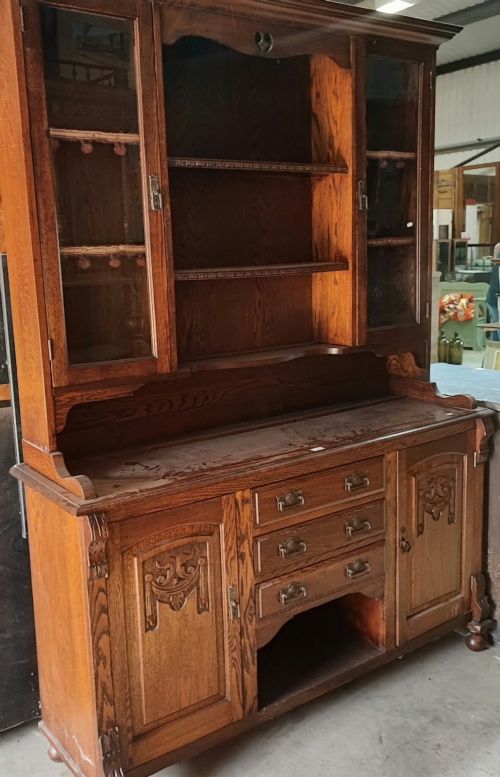
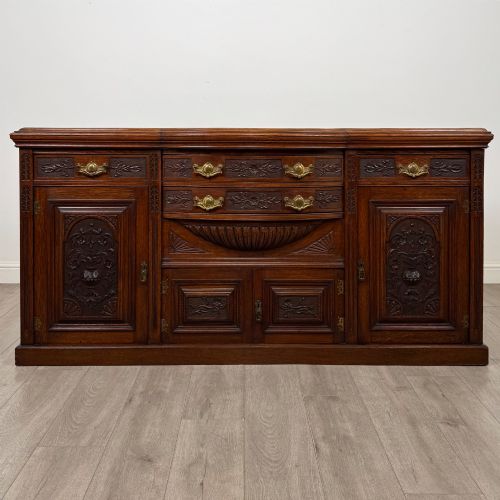
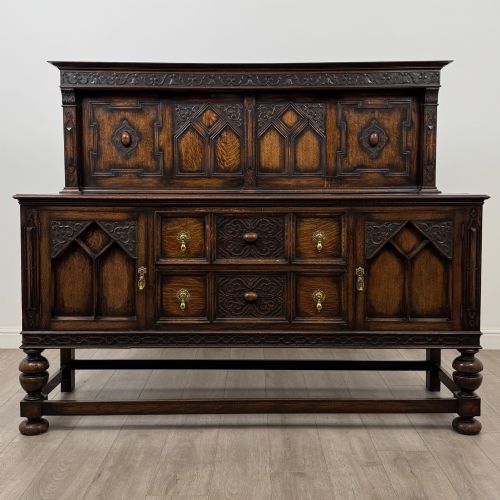
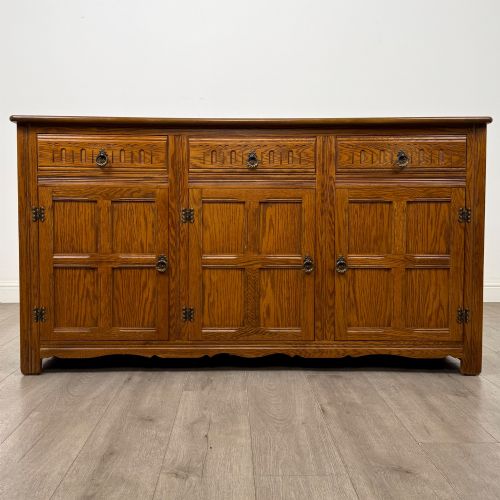
Carved Oak Sideboard Buffet
These heavy timber servers bring gravity and storage to a room, uniting utility with robust historic ornament.
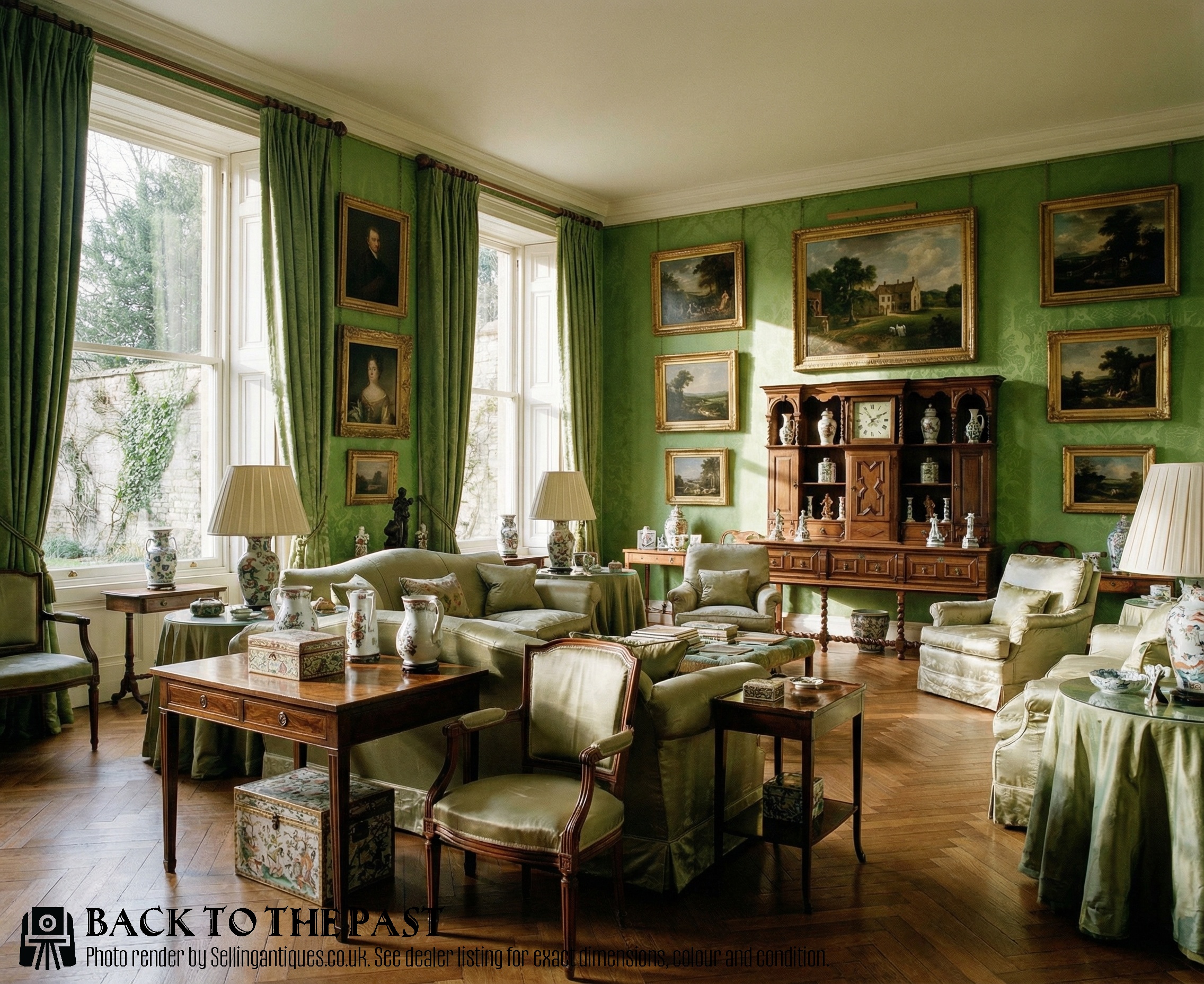
Carved Oak Sideboard Buffet
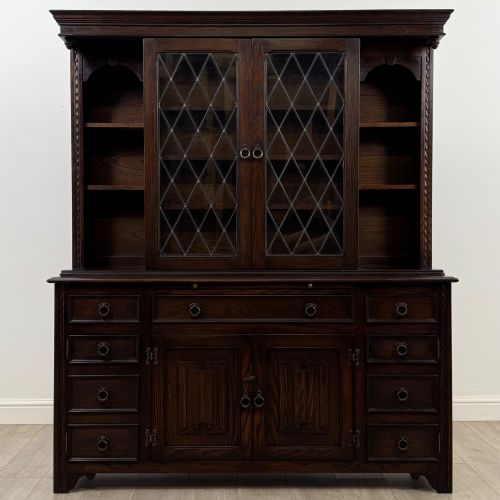
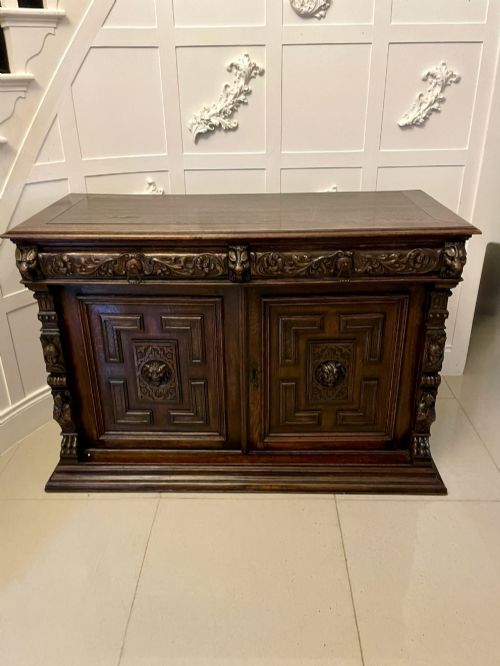
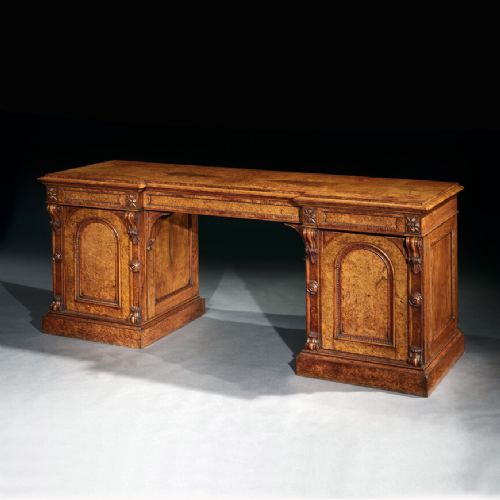
A carved oak sideboard buffet provides substantial dining room storage through cupboards, drawers, and serving surfaces built into heavy timber carcases. These pieces appear frequently in 19th-century Victorian and Edwardian iterations, alongside earlier Georgian and 17th-century formats.
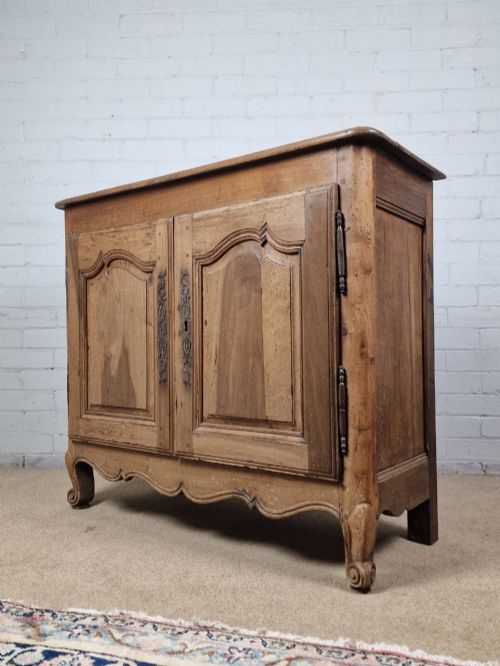
Makers drew on diverse historic styles, producing Jacobean Revival, Gothic Revival, and Arts and Crafts designs alongside French provincial interpretations. The basic form functions to display plate, hold linen, and serve food during dining.
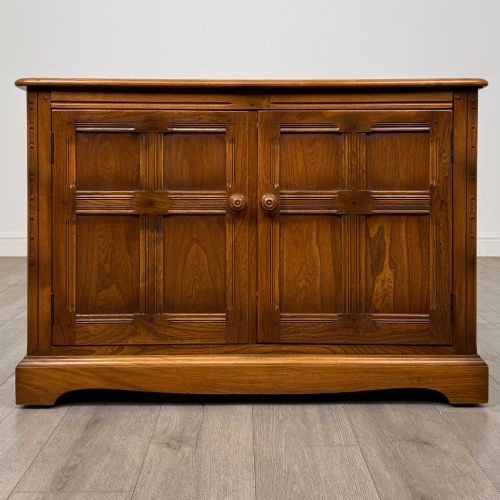
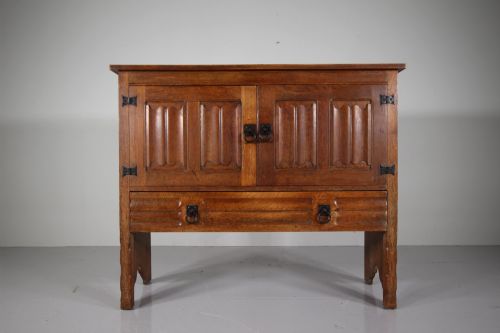
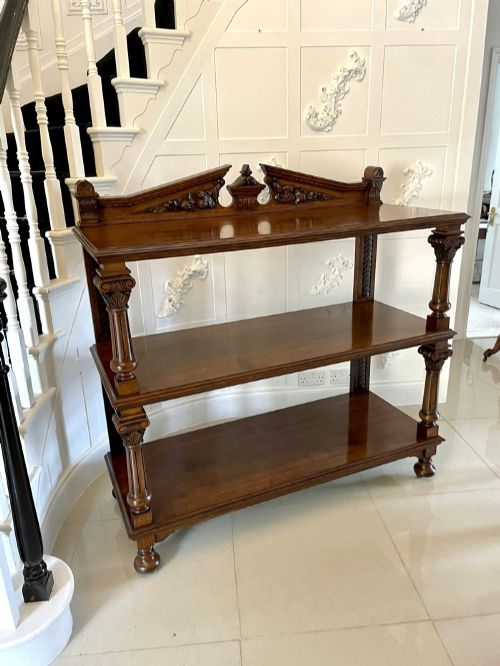
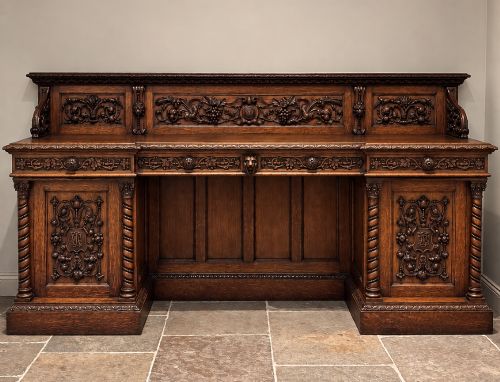
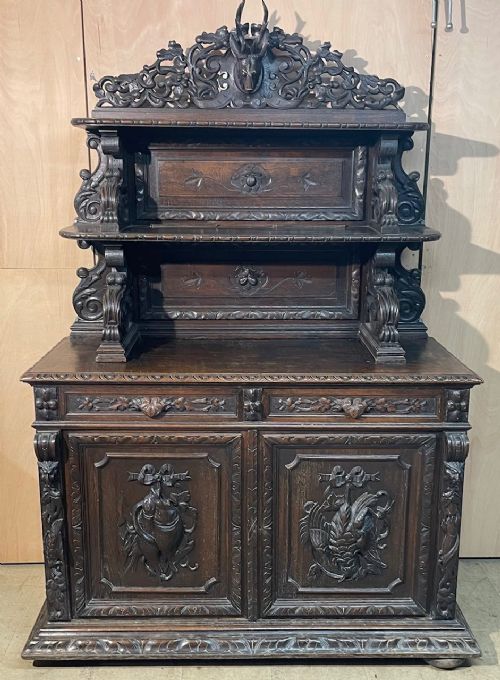
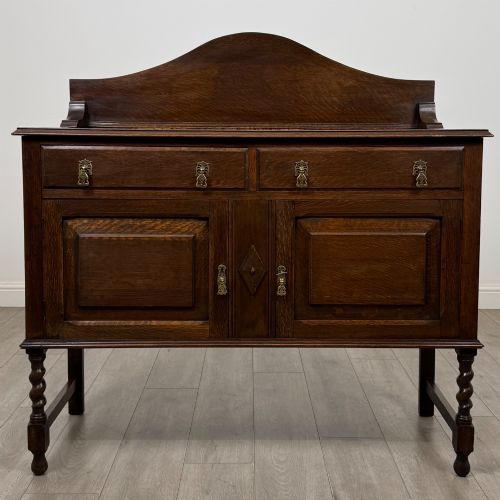
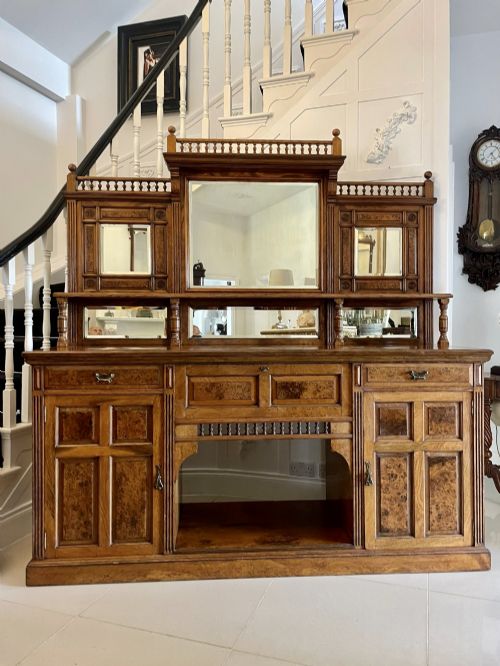
Surviving examples range from compact side cabinets to large mirror-backed servers and tiered buffets fitted with brass hardware. Buyers encounter golden oak, pollard oak, and tiger oak finishes across these varied formats.
Distinctions in Quality
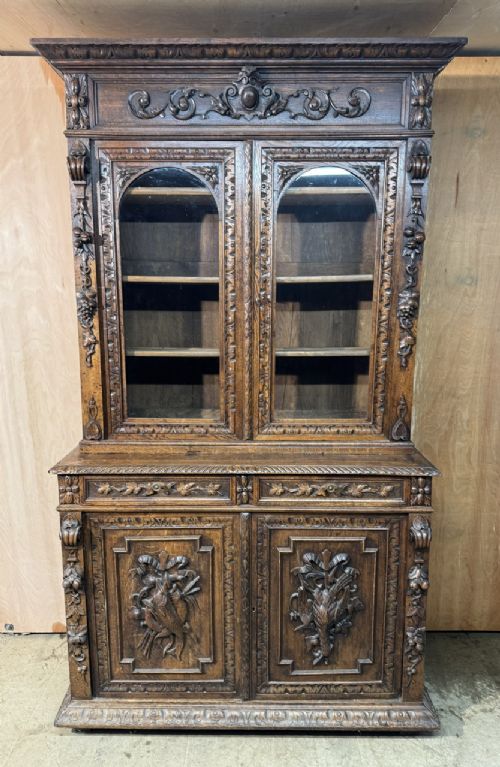
Depth and crispness of the carved detail separate standard production from superior work, particularly in figurative elements like Green Man masks or scrolling foliage. Finer items display thoughtful timber selection, matching grain patterns across doors and drawer fronts rather than mixing random boards.
Structural integrity depends on the quality of the original joinery within the heavy oak carcase, where tight joints prevent the racking common in large sideboards. Original hardware, such as cast brass handles and working locks with keys, elevates the integrity of a piece.
Keep watch for peering Green Man masks carved directly into the oak foliage.
Ambrose Heal for Heal & Son
The Carved Oak Sideboard Buffet Glossary
- Buffet
- A side table or low cupboard used for serving food and displaying silver or ceramic vessels. These items often feature tiers or drawers for dining accessories.
- Court Cupboard
- An antique enclosed storage piece, typically featuring multiple tiers and heavy turned supports. This form dates back to earlier centuries and emphasises architectural joinery.
- Green Man
- A sculptural architectural motif depicting a human face entwined with or sprouting foliage. This ornamental detail frequently appears on Victorian carved oak furniture.
- Pollard Oak
- Timber harvested from trees that were pollarded, resulting in a dense, highly figured grain pattern. Cabinetmakers utilised this wood for decorative drawer fronts and panels.
- Enfilade
- A long sideboard or serving cabinet designed with a continuous line of three or more doors. This form originates from French domestic architecture.
Carved Oak Sideboard Buffet: Frequently Asked Questions
How do I care for antique oak surfaces?
Feed the timber occasionally with a traditional beeswax polish, applying it sparingly with a soft cloth and buffing to a natural sheen. Avoid placing these heavy wooden pieces near direct heat sources or in fluctuating humidity to prevent timber splitting.
Keep surfaces dry and wipe up spills immediately to protect the historic finish. Regular dusting with a dry lint-free cloth preserves the deep colour of the oak without damaging the grain.
How can I date an oak sideboard?
Examine the construction methods visible inside the drawers and at the back of the carcase, noting whether fixings are hand-cut or machine-made. Timber preparation marks and the style of the carving also offer clear clues to the period.
Revival pieces often borrow motifs from earlier centuries, so structural details and secondary woods help confirm the actual date of manufacture. Comparing hardware styles against known manufacturing periods provides further dating evidence.
Will a large oak sideboard fit in a modern dining room?
Measure your available floor space carefully, accounting for the heavy projection of the cabinet and the clearance needed to open doors and drawers fully. These pieces require substantial wall space and work best in rooms with high ceilings that balance their visual weight.
Consider the scale of your other furniture to ensure the heavy timber presence does not overwhelm the interior. Many examples offer useful storage that compensates for their large footprint in a contemporary home.