
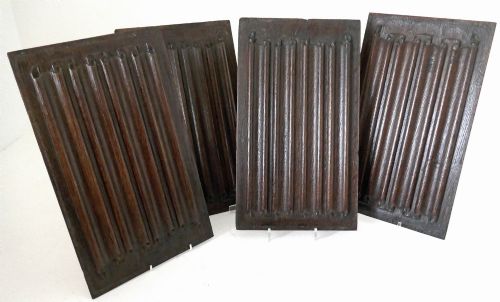
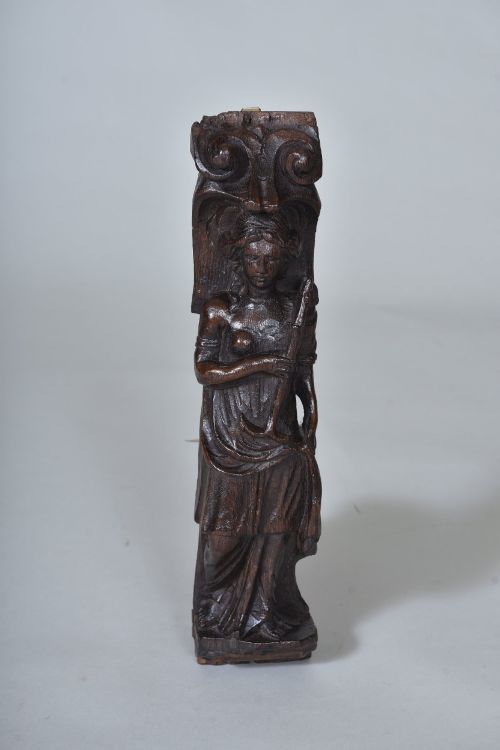
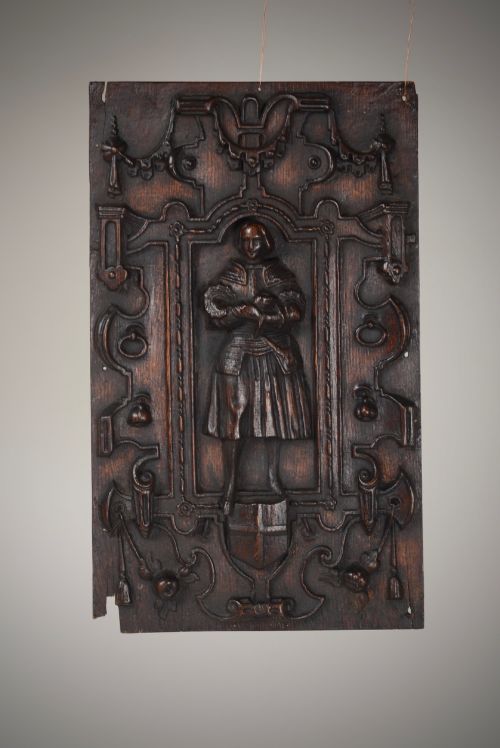
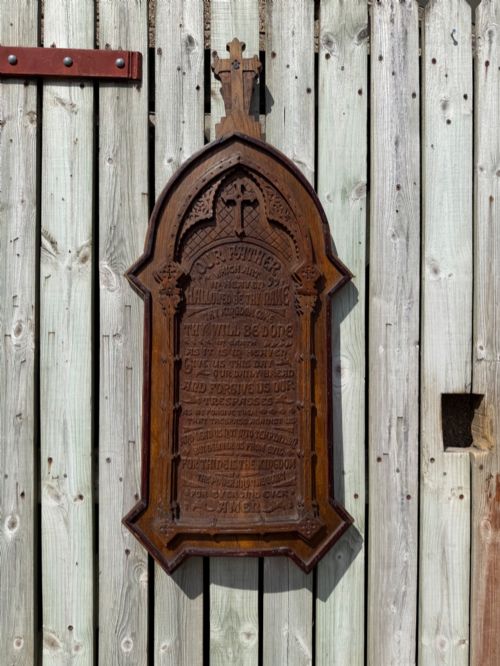
Carved Oak Relief Panel
These carved oak relief panel pieces bring centuries of timber craftsmanship into modern interiors, offering deep figural scenes and architectural ornament.
Carved Oak Relief Panel
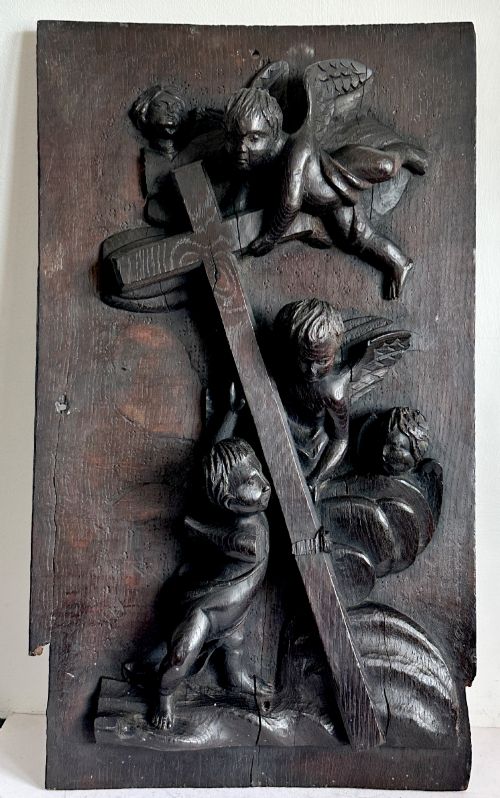
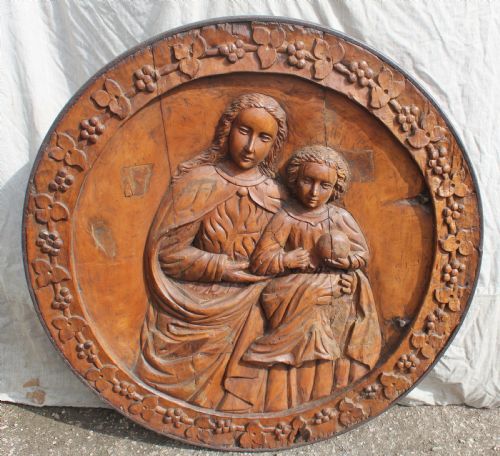
A carved oak relief panel brings historical architectural fragments and figural wall art directly into domestic spaces. When searching for a carved oak relief panel, buyers encounter architectural salvage, wall plaques, and friezes spanning from medieval church pieces to Victorian revivals.
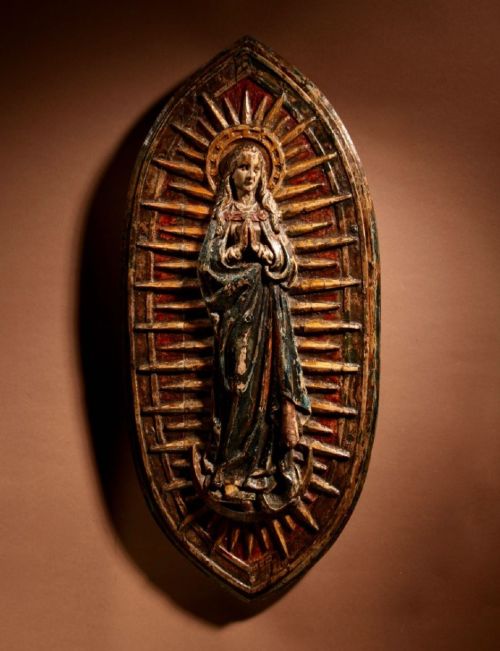
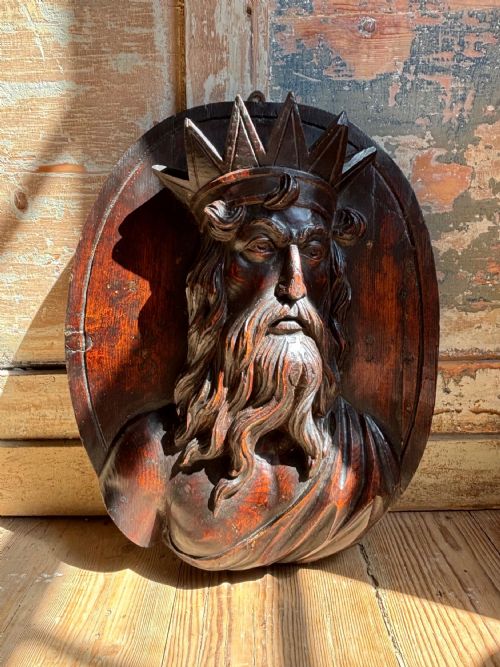
The selection ranges from early linenfold designs and religious reliefs to secular allegories and mythological figures like Neptune. Pieces originate from domestic interiors, overdoors, staircases, and ecclesiastical altarpieces, offering deep historical connection through timber sculpture.
How They Were Made
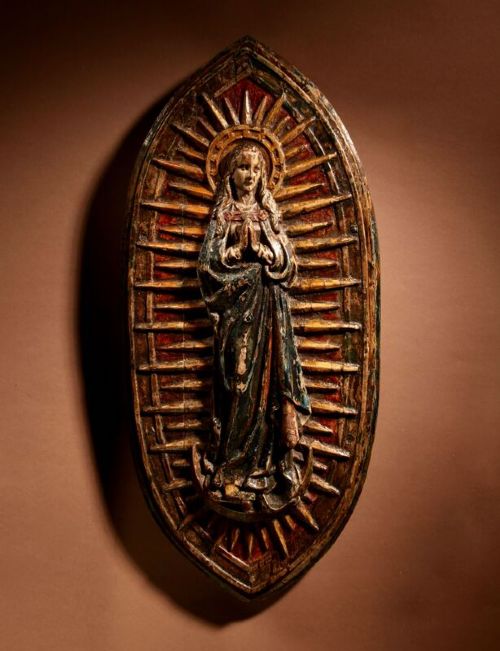
Carvers shaped these works primarily from solid oak and walnut timber using sharp gouges and chisels to achieve varying degrees of depth. Master craftsmen worked directly into the dense grain, sometimes incorporating polychrome paint, gesso, or fruitwood elements to accentuate figures and scrollwork.
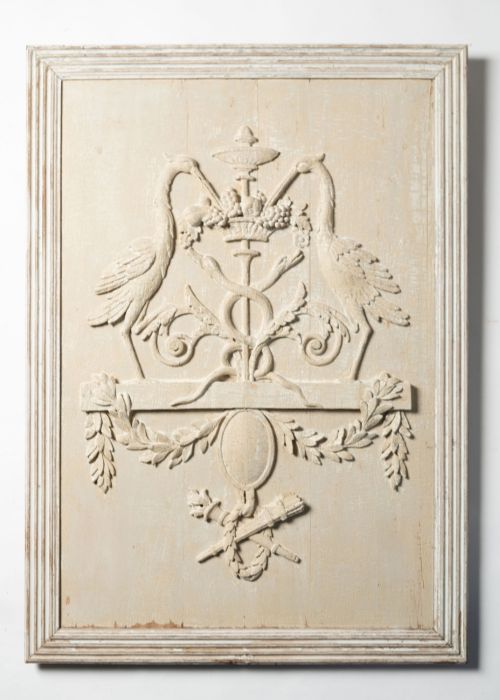
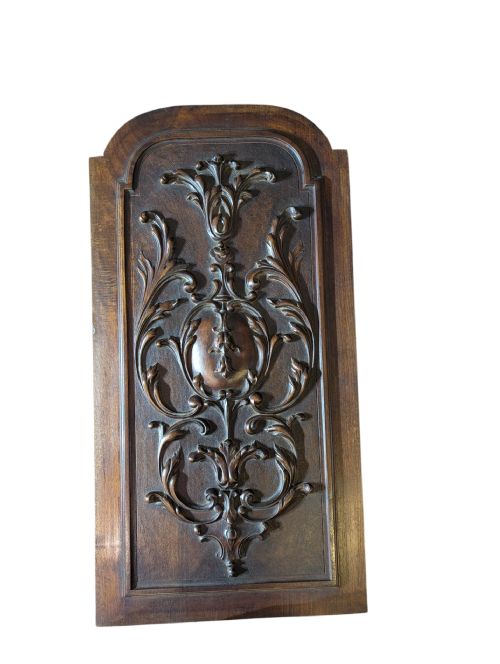
Construction techniques evolved from structural framing in linenfold and architectural ceiling bosses to high-relief figural sculptures. Workshops utilised pierced carving to create intricate openwork acanthus leaves and delicate armorial details.
Listings feature periods spanning from pre-sixteenth century medieval examples through to Victorian Gothic Revival designs.
What Varies in Quality
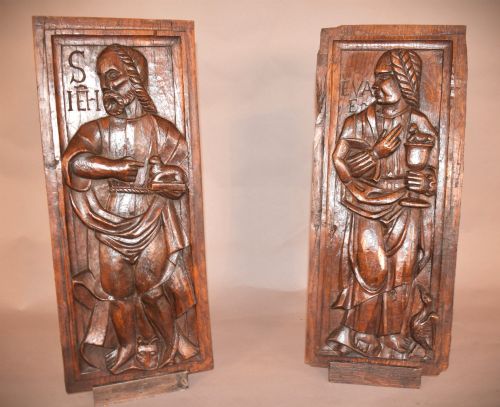
Quality rests entirely in the crispness of the chisel work and the depth of the carving. High-relief panels display dynamic movement in figures and confident handling of anatomy and drapery.
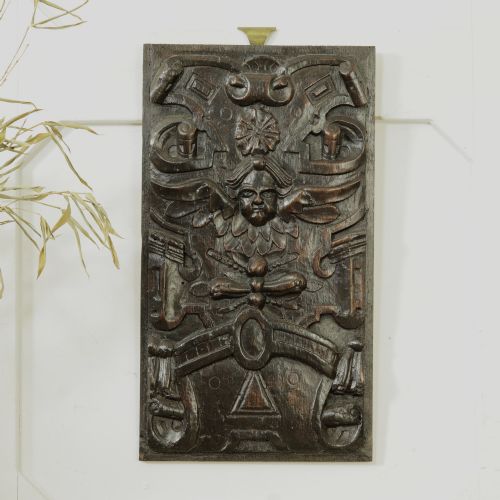
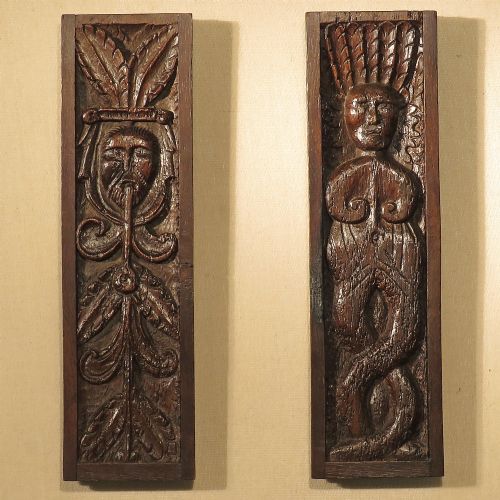
The sophistication of the design, whether a complex allegorical scene or a detailed Green Man mask, separates standard architectural timber from master-carved sculptural works.
Edward Pearce
The Carved Oak Relief Panel Glossary
- Linenfold
- A style of wood carving that mimics folded fabric or linen. It is commonly found on domestic panels from the sixteenth century.
- Relief
- A sculptural technique where figures project from a background plane. High-relief pushes forms out significantly from the timber base.
- Frieze
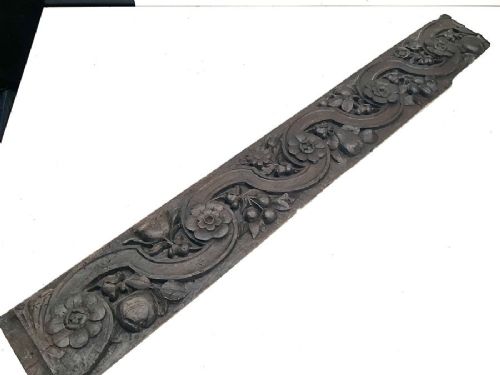
- A long, narrow band of sculpture decorating a wall or architectural element. These linear carvings often depict scrolling foliage or processions.
- Ceiling Boss
- A decorative projecting block placed at the intersection of ceiling ribs. They frequently take the form of carved floral roses or grotesque masks.
- Polychrome
- Painted in several colours. This surface treatment was applied to wood carvings to enhance figural realism in ecclesiastical settings.
Carved Oak Relief Panel: Frequently Asked Questions
Where were these panels originally placed?
These carvings originated as structural elements in domestic and ecclesiastical settings. Many adorned walls, overdoors, staircases, and church altarpieces.
Over the centuries, builders salvaged these elements, transforming them into standalone wall art, plaques, and decorative interior focal points.
How do I hang a heavy timber panel?
Heavy oak sculptures require secure wall fixings distributed evenly across the timber structure. Professional installers often utilise concealed metal battens or brackets.
Ensure the wall material can support the substantial weight of dense historical timber before mounting.
Are these panels all English in origin?
While many examples originate from English workshops, the selection includes continental European pieces. Flemish, German, Dutch, and French makers produced comparable figural and architectural carvings.
Stylistic cues in the drapery and motifs often help identify the regional workshop traditions.
How do I tell a medieval panel from a Victorian copy?
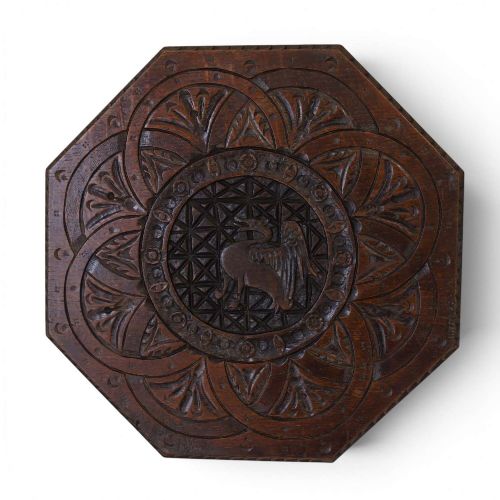
Early pieces display tool marks left by hand chisels and genuine timber shrinkage appropriate for centuries of age. Victorian Gothic Revival works often show machine assistance and crisper, harder edges.
Examining the backboards, fixings, and wear patterns provides further clues regarding the actual period of manufacture.