

Carved Oak Pedestal
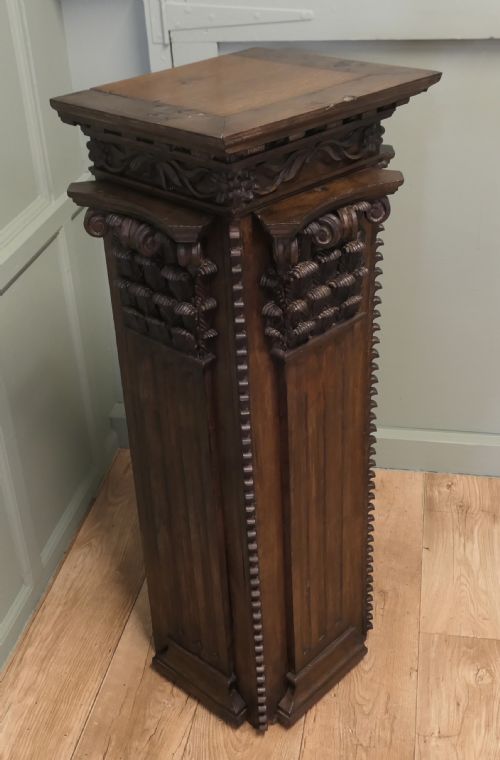
When you search for a carved oak pedestal, you are looking at substantial structural supports and display columns crafted during the nineteenth and early twentieth centuries.
Carved Oak Pedestal
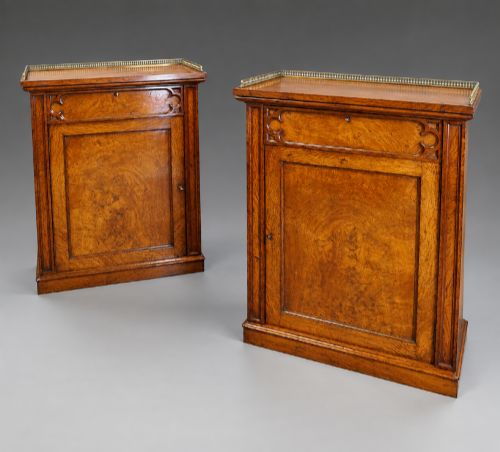
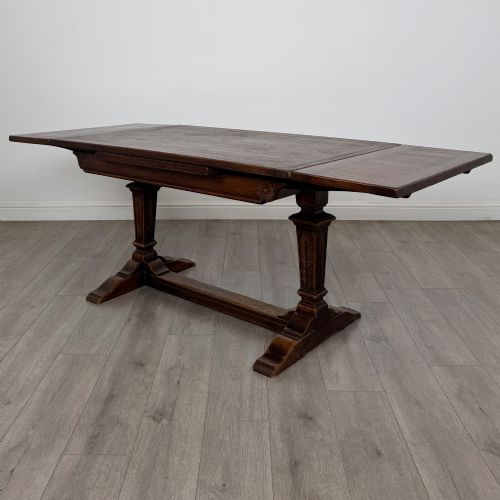
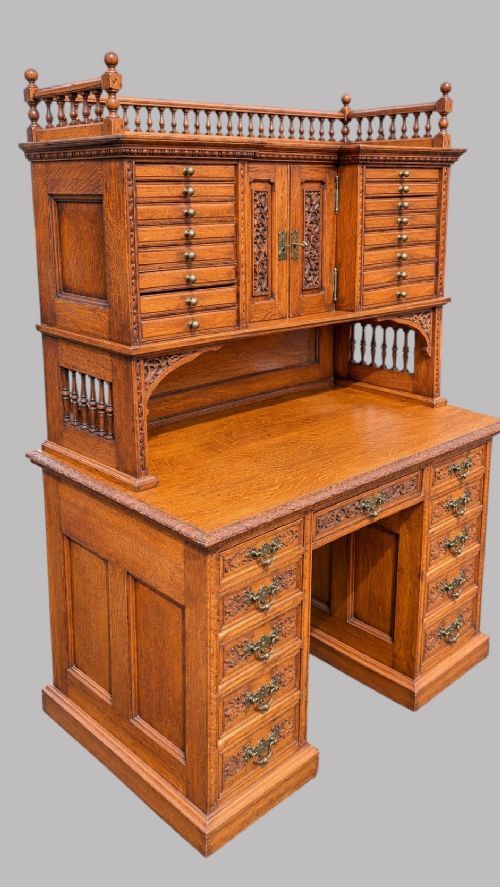
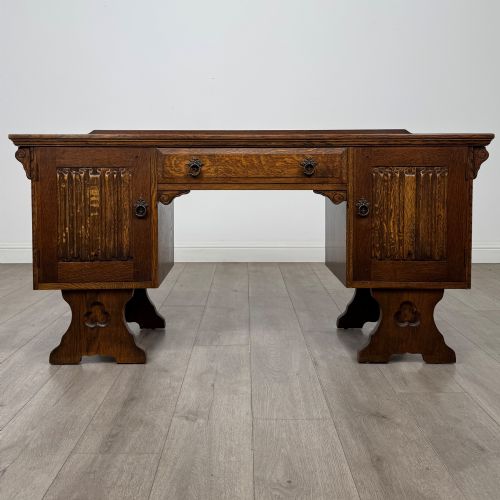
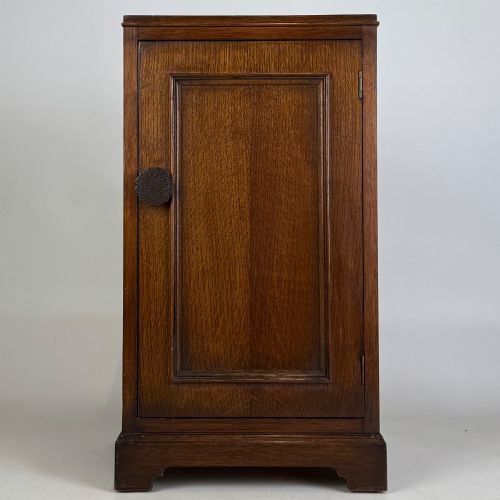
A carved oak pedestal serves as a solid structural support or display column, often emerging from nineteenth-century Victorian and Edwardian periods as well as later twentieth-century workshops. These pieces appear frequently in architectural forms such as columns, torcheres, and display stands alongside larger library and office furniture.
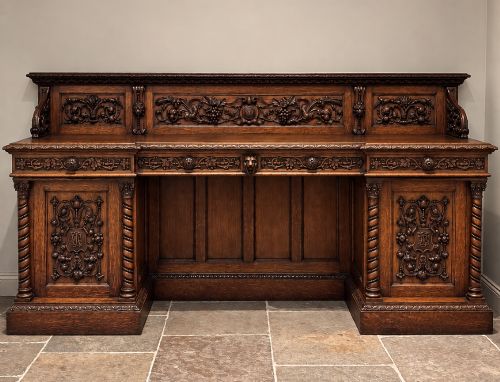
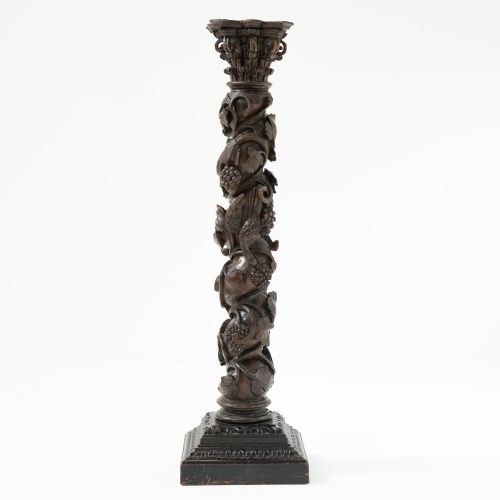
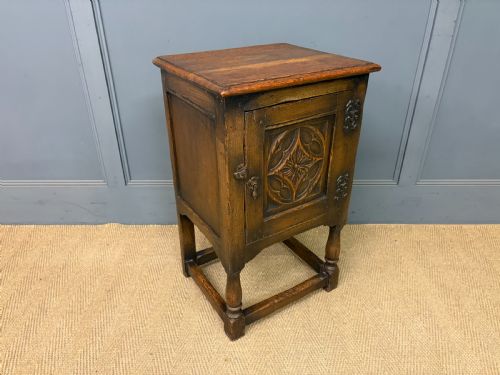
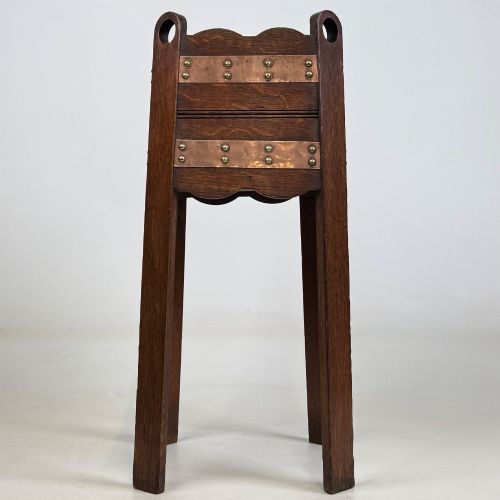
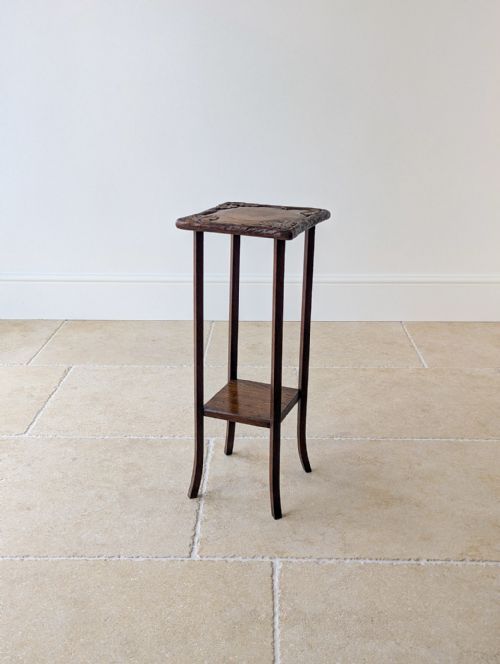
The inventory demonstrates a strong lineage of Gothic Revival and Jacobean Revival influences applied to these vertical supports. Buyers will frequently encounter architectural details like Solomonic twist columns and deeply carved plant stands designed to elevate decorative objects or lamps within a room.
Materials and Construction
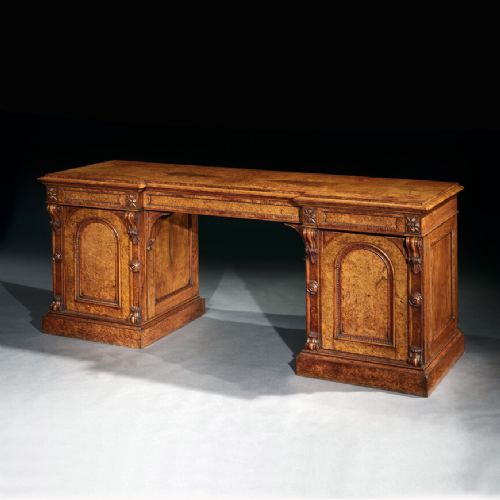
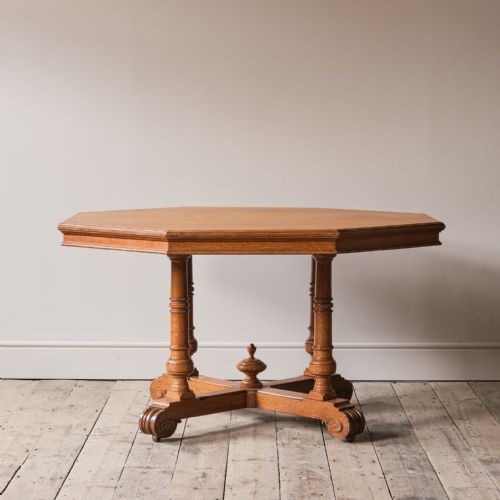
Makers utilised solid oak, often selecting burr oak or pollard oak for decorative figuration on prominent surfaces. These timbers were shaped through traditional joinery and heavy relief carving to create robust architectural columns and display furniture.
Structural integrity relied on dense hardwoods, occasionally complemented by brass or iron hardware where functional movement was required. The combination of seasoned oak and manual chisel work accounts for the enduring survival of these vertical supports across changing decades.
Several pieces conceal miniature drawers, proving that even a humble display column occasionally kept secrets from the household.
Assessing Craftsmanship
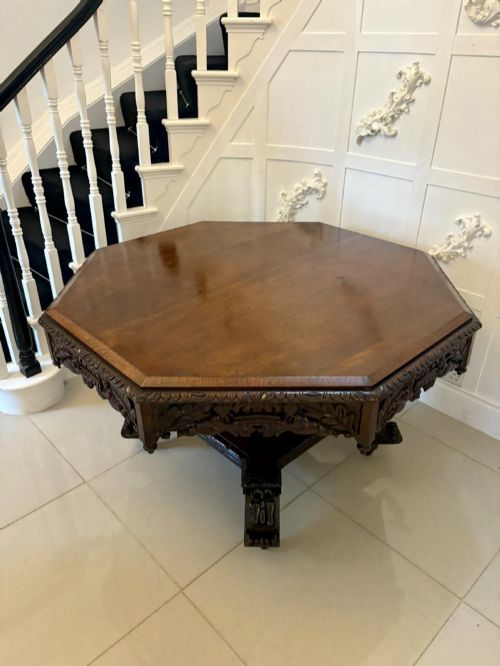
Quality in a carved oak pedestal is dictated by the depth, sharpness, and ambition of the chisel work. Pieces featuring crisp, fully articulated relief carving or complex motifs like the Green Man represent the upper tier of execution, whereas mechanical or shallow tool marks indicate mass production.
The choice of timber also dictates standing; figuring such as burr or pollard grain elevates a piece above plain quartersawn boards. Structural proportion and the integration of the column to its base separate standard utility pieces from exceptional decorative examples.
The Carved Oak Pedestal Glossary
- Solomonic
- A helical or twisted column shape resembling a spiral, seen frequently in seventeenth-century revival supports. This twisting technique creates dynamic movement in solid timber.
- Torchere
- A tall ornamental stand or candlestick holder adapted to support a lamp or decorative urn. These vertical pieces elevate light sources above floor level.
- Pollard Oak
- Timber taken from trees that were pruned decades before felling to produce a dense, highly figured grain pattern. This distinctive wood was favoured for luxury furniture surfaces.
- Gothic Revival
- An architectural and decorative style drawing inspiration from medieval design, featuring pointed arches and trefoil motifs. The aesthetic heavily influenced Victorian oak carving.
- Kneehole
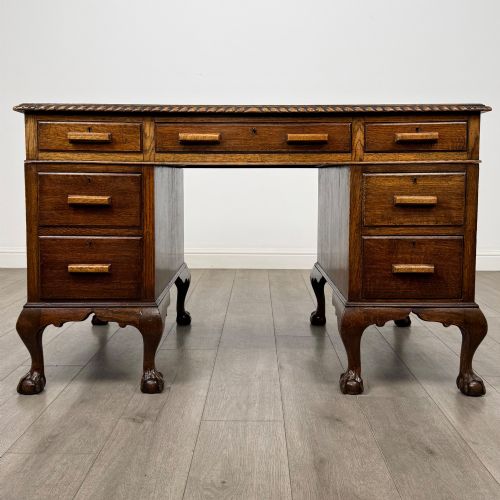
- A desk or pedestal configuration featuring a central recess for the legs beneath a set of drawers. This arrangement maximises storage while providing a comfortable seating position.
Carved Oak Pedestal: Frequently Asked Questions
What were carved oak pedestals used for originally?
These pieces functioned primarily as heavy structural supports for lamps, decorative vases, or sculptural busts within nineteenth-century interiors. They provided a stable raised platform to showcase prized decorative arts.
In domestic settings, simpler versions acted as plant stands or torcheres placed in corners or hallways. Their sturdy oak construction ensured they could support significant weight without tipping.
How do I date a carved oak pedestal?
Dating relies heavily on stylistic markers such as Gothic Revival or Arts and Crafts influences recorded in the timber work. The presence of nineteenth-century construction methods helps establish the timeline.
Victorian pieces often display heavier, more elaborate relief carving, whereas Edwardian iterations tend toward lighter proportions. Comparing the specific oak grain and joinery style clarifies the period of manufacture.
Where should I place a pedestal in a modern room?
A carved oak pedestal suits corners, hallways, or entryways where vertical emphasis balances horizontal furniture like sideboards or desks. It functions best as an independent display surface for sculpture or ceramics.
Positioning the piece away from direct heat sources protects the historic oak from drying and splitting. The neutral timber tone integrates easily into traditional and contemporary interiors alike.
How do I care for antique oak furniture?
Maintenance requires keeping the timber away from direct sunlight and rapid temperature fluctuations that cause the wood to warp or crack. Gentle dusting with a dry cloth preserves the finish.
Occasional application of appropriate wax feeds the oak without building up heavy chemical residues. Regular care protects the historical surface patina developed over the centuries.