
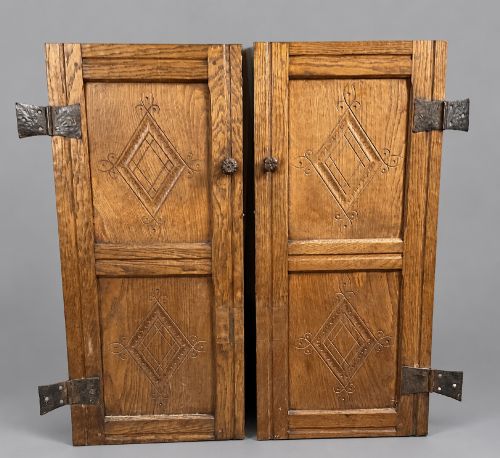
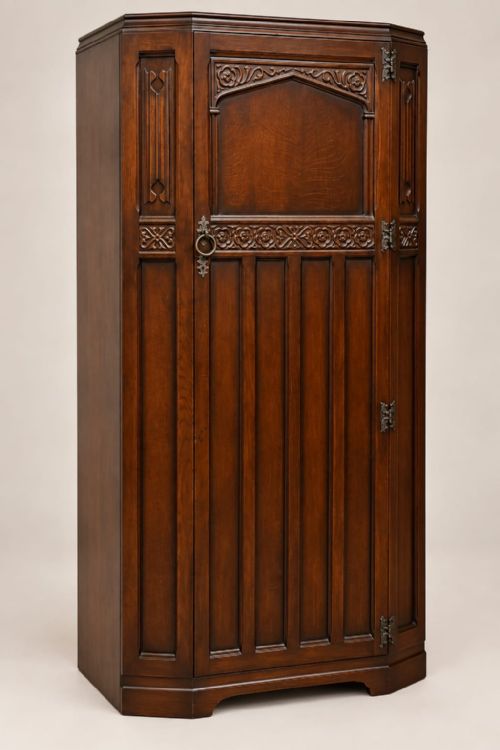
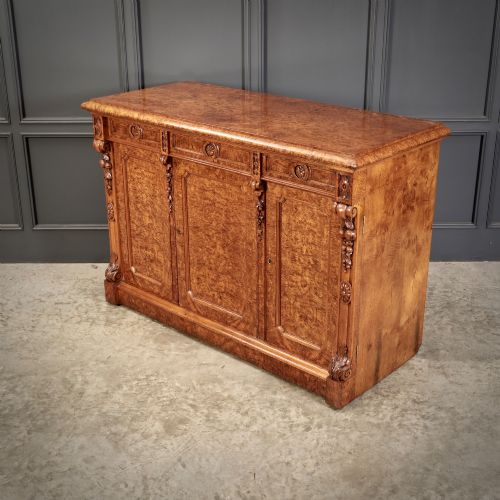
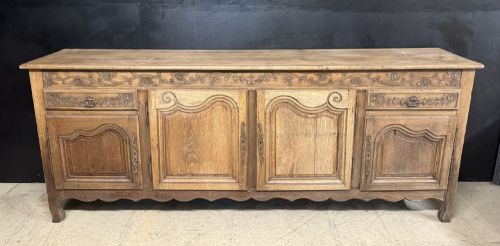
Carved Oak Cupboard Doors
These carved oak cupboard doors bring genuine historic texture and solid timber craftsmanship straight into architectural salvage and interior projects.
Carved Oak Cupboard Doors
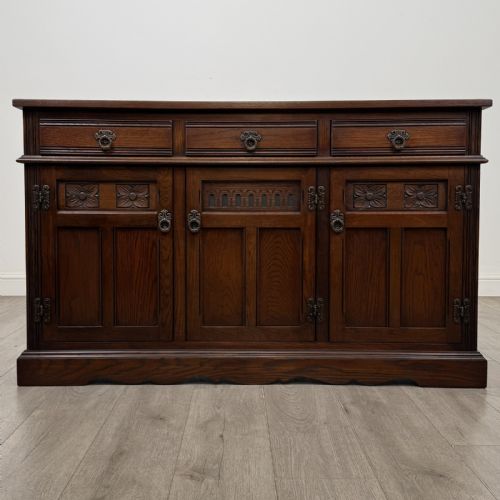
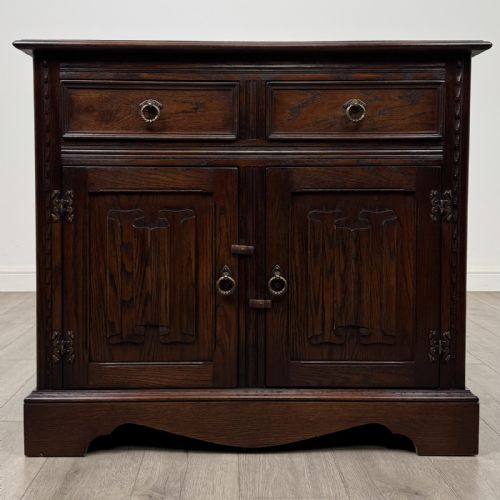
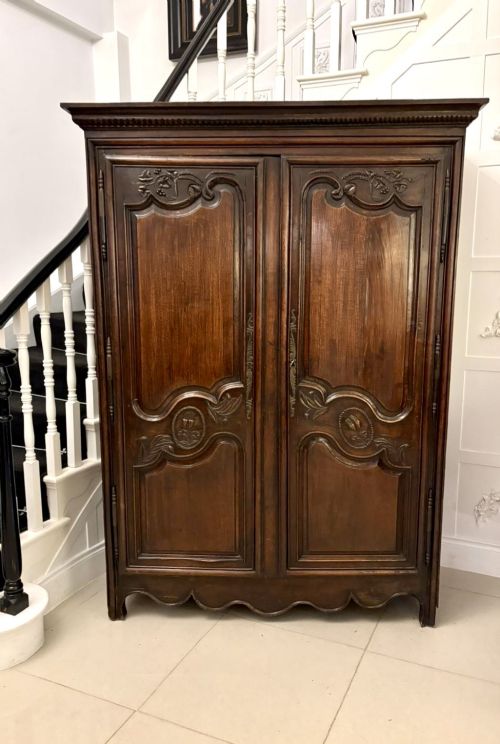
Carved oak cupboard doors represent distinct elements salvaged or adapted from larger antique furniture like wardrobes, sideboards, corner cabinets, and dressers. Buyers searching for carved oak cupboard doors encounter examples stretching from the nineteenth century through the early twentieth century, spanning Edwardian, Victorian, and revival movements.
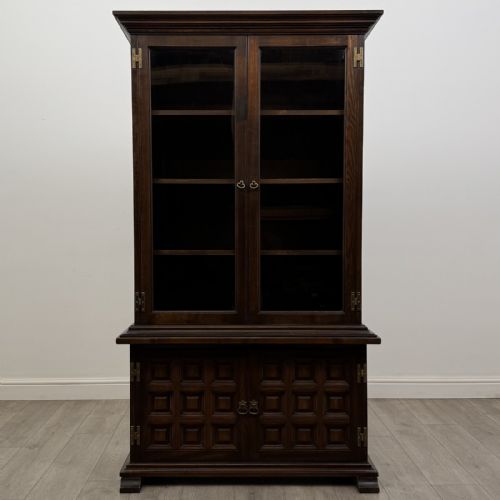
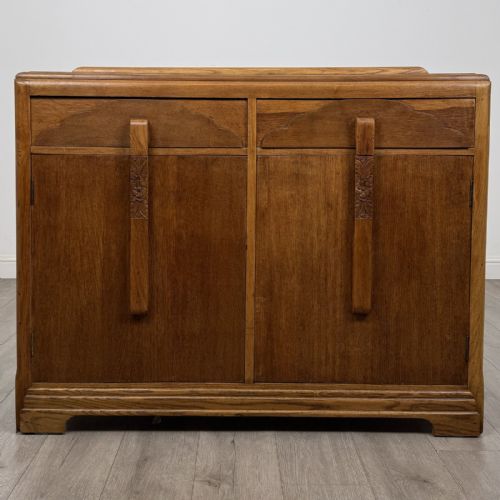
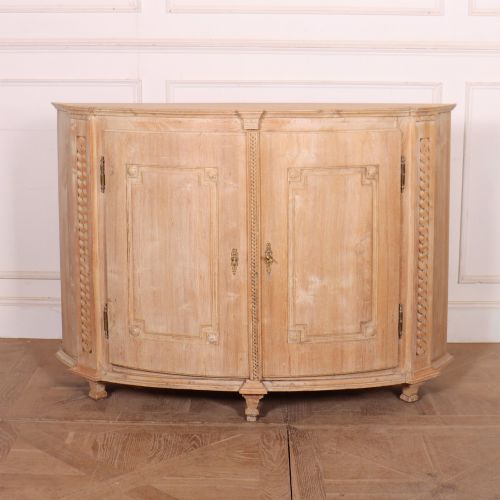
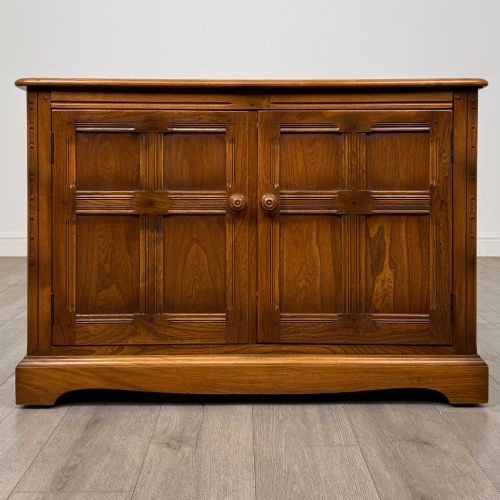
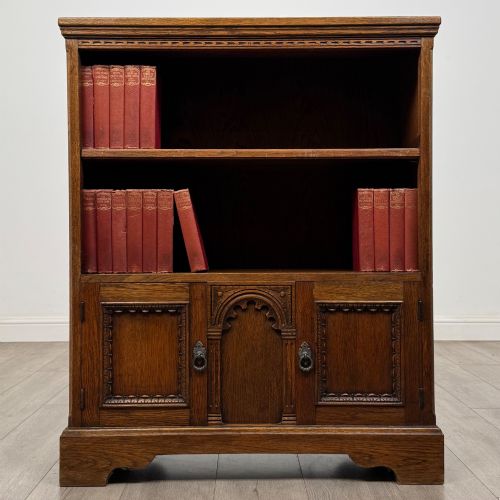
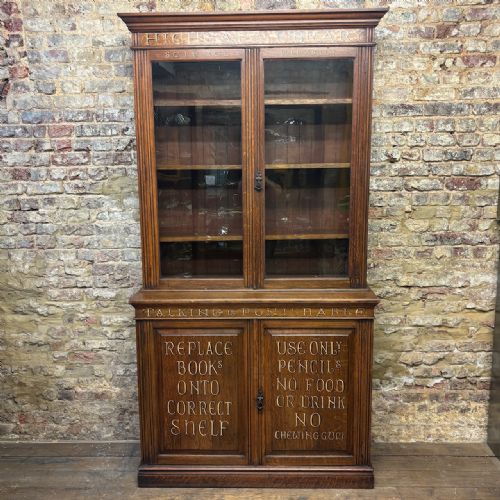
The pieces on this page appear primarily within the context of period furniture such as bookcases, armoires, and enfilades. Most examples show the revival styles popular in British and continental workshops during the Edwardian era and the nineteen-twenties.
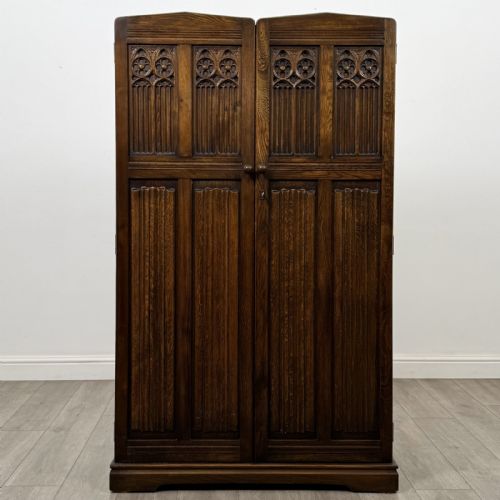
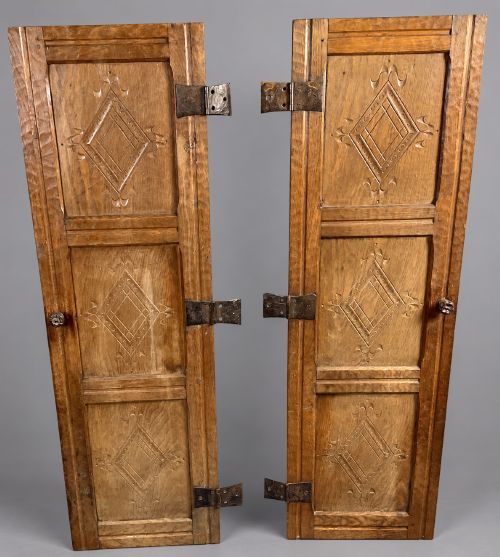
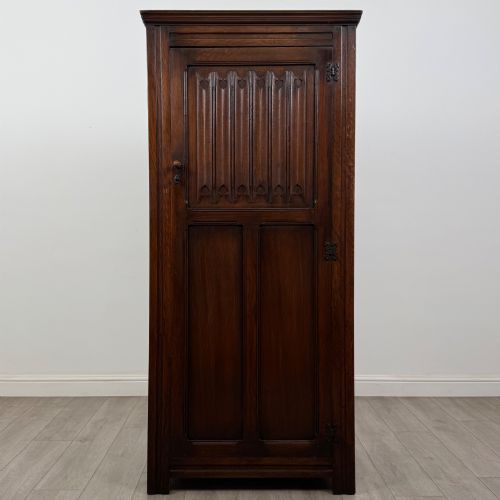
Surviving panels often display traditional decorative motifs including linenfold carving, geometric panels, or Gothic tracery. Selecting individual doors allows interior designers and restorers to integrate period woodwork directly into modern built-in cabinetry and wall panel schemes.
Materials and Construction
Makers constructed these panels using solid timber, predominantly oak, paired with functional hardware forged from brass, iron, and wrought iron. The density of the oak provided a stable canvas for deep relief carving and linenfold patterns.
Joinery methods relied on traditional frame and panel construction to accommodate the natural expansion and contraction of timber over decades. Secondary woods and structural supports occasionally incorporated pine or walnut depending on the regional origin of the cabinet.
Some workshop doors carry mysterious pencilled initials on the reverse, left by cabinetmakers who clearly enjoyed a quiet tea break.
Evaluating Quality and Craftsmanship
Quality in carved oak cupboard doors rests on the crispness and depth of the hand-carved relief work rather than mechanical stamping. Superior panels exhibit sharp undercut details and well-balanced proportions within the original frame.
The integrity of the timber itself dictates the grade of the piece, with straight-grained quarter-sawn oak displaying prominent medullary rays. Original hardware such as brass handles and iron hinges further distinguishes finer workshop output from mass-produced equivalents.
The Carved Oak Cupboard Doors Glossary
- Linenfold
- A style of relief carving imitating folded parchment or linen, frequently seen on Tudor and Edwardian panels. This decorative technique creates a textured surface that catches ambient light.
- Quarter-sawn
- A method of cutting logs radially to produce timber with enhanced dimensional stability and visible medullary rays. This cut is prized for high-end furniture production.
- Enfilade
- A long sideboard or cabinet featuring a succession of doors, commonly originating in French dining rooms. These pieces often yield large, elaborately carved panels.
- Gothic Revival
- An architectural and decorative style drawing inspiration from medieval forms, featuring pointed arches and tracery. Pieces from this movement display robust carving.
- Bonnetiere
- A single-door tall cabinet originally designed for storing headwear or linen in provincial households. These tall proportions provide narrow, tall carved doors.
Carved Oak Cupboard Doors: Frequently Asked Questions
How do I mount antique doors?
Mounting antique doors requires assessing the original hinge placements and matching the weight of the timber with appropriate structural supports in your new frame. Professional joiners often recess contemporary pivot hardware to protect historic wood.
Ensure the surrounding wall or cabinet carcass is plumb before hanging, as timber doors can bind if the opening shifts over time.
Can I use these outdoors?
These oak panels are designed for interior furniture and lack the weatherproofing required to withstand direct exposure to rain and extreme temperature fluctuations. Placing them outside will cause the historic timber to warp, split, and degrade.
If utilised in a sheltered porch or boot room, apply a breathable protective finish to guard against ambient moisture.
How do I clean carved oak?
Maintenance requires only a soft, dry cloth to remove dust from the recesses of the carved decoration without abrading the surface. Avoid modern silicone polishes that build up within the grain and attract dirt.
Applying a traditional beeswax periodically will nourish the historic oak and preserve its natural sheen.
How do I date the timber?
Dating relies on examining tool marks left on the reverse of the panel, the style of the carving, and the characteristics of the oak itself. Hand-planed surfaces and forged iron fixings generally point to earlier periods.
Comparing the decorative motifs, such as linenfold or Jacobean scrolls, against documented revival periods helps narrow the manufacturing decade.