


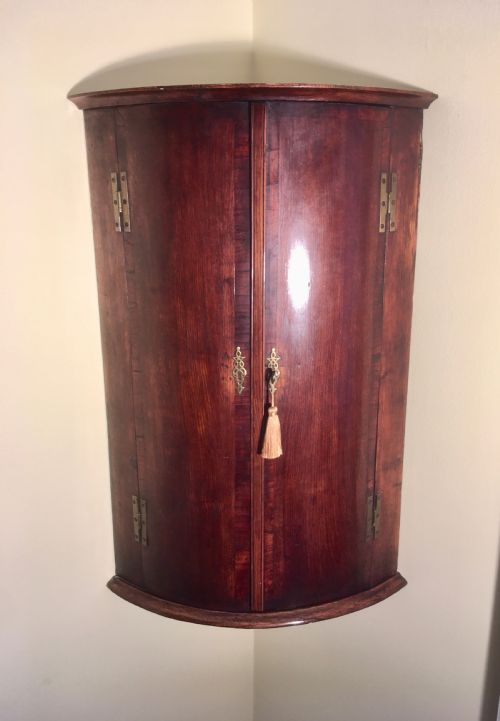

Rustic Oak Cupboard Fronts
These rustic oak cupboard fronts offer genuine timber character, bringing historical charm and textured warmth to architectural interiors.
Rustic Oak Cupboard Fronts
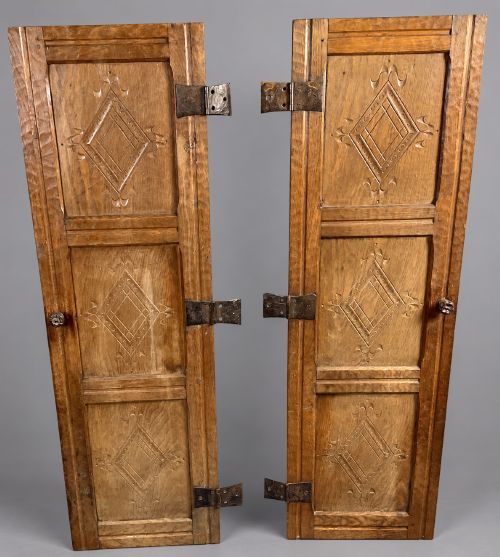
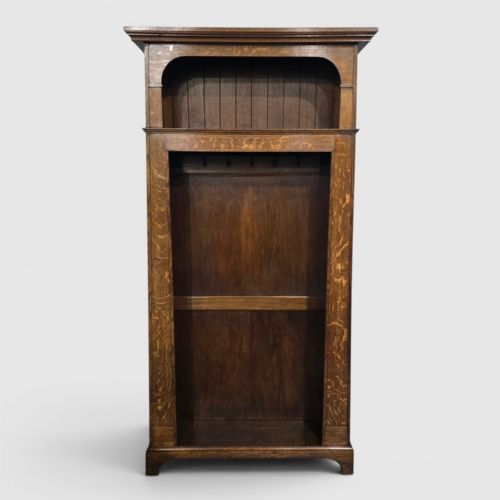
Rustic oak cupboard fronts encompass architectural elements, repurposed panels, and fitted doors drawn from centuries of vernacular craftsmanship. When searching for rustic oak cupboard fronts, buyers encounter vernacular pieces derived from regional traditions across Britain and continental Europe, spanning the seventeenth through to the twentieth centuries.
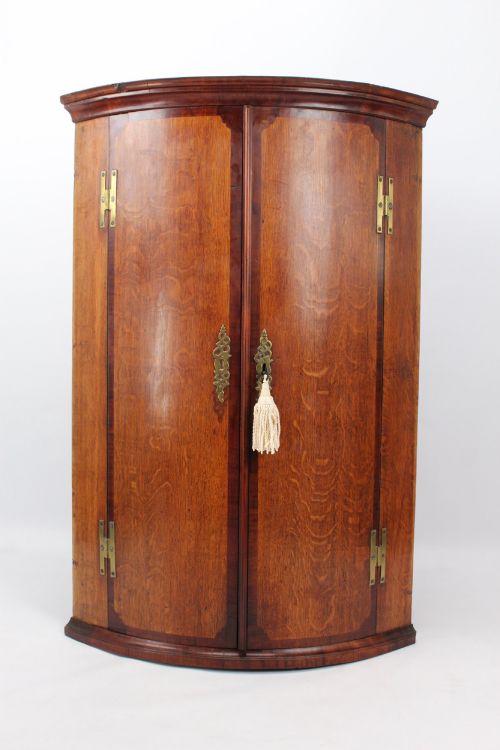
The selections appearing here lean heavily toward Georgian and nineteenth-century forms, alongside seventeenth-century vernacular expressions and twentieth-century workshop interpretations. Common iterations include corner cabinets, hanging hall robes, bread safes, and cabinet doors adapted from closed beds.
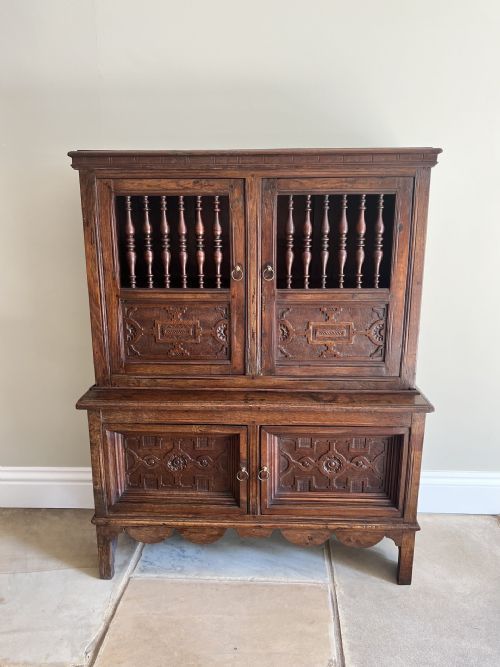
Origins stretch from Welsh workshops to Breton folk art traditions, offering distinct regional interpretations of timber construction. Each piece demonstrates how functional storage fronts were integrated into domestic interiors long before modern modular cabinetry existed.
Materials and construction methods
Construction relies fundamentally on solid oak, frequently paired with secondary timbers such as mahogany, chestnut, and wood inlay to articulate panels and frames. Blacksmith-wrought iron and brass hardware provide functional hinging and latches, anchoring the heavy timber doors securely within their surrounds.
Joinery techniques reflect traditional hand-working methods, utilising raised panels, pegged joints, and dovetailed frames to accommodate the natural expansion and contraction of timber. Surfaces display the tool marks and weathering accumulated over generations of use, preserved through simple waxing rather than heavy modern finishing.
Listings span multiple centuries, incorporating seventeenth-century vernacular pieces, Georgian cabinetry, nineteenth-century Breton folk art, and twentieth-century workshop items.
Distinctions in quality and finish
Quality rests primarily on the integrity of the timber, the depth of patination, and the honesty of the conversion from its original domestic context. Pieces retaining their original brass or iron hardware and uncompromised structural joinery command greater appreciation among traditionalists.
The sophistication of the vernacular carving and the crispness of raised panels differentiate standard utilitarian items from finer regional interpretations, such as Welsh vernacular or Breton folk art examples. Alterations and later adaptations affect the character of each front, distinguishing untouched period surfaces from heavily restored assemblies.
The Rustic Oak Cupboard Fronts Glossary
- Panetiere
- A traditional French or Breton bread safe featuring turned spindles or pierced panels for ventilation. These freestanding or wall-mounted food storage pieces often showcase regional carving traditions.
- Raised panel
- A central wooden panel in a door or cabinet front with bevelled or thinned edges designed to fit into a grooved frame. This traditional construction method accommodates seasonal wood movement without splitting.
- Vernacular
- Architecture and furniture built by local craftsmen using regional traditions and locally available materials rather than high-style academic designs. These items prioritise utility and local aesthetic preferences.
- Lit-clos
- A traditional Breton enclosed bed where the sleeping area is surrounded by wooden panelling and doors. Surviving cupboard fronts are frequently salvaged from these structures to create standalone cabinets.
- Bow front
- A convex curved cabinet front that projects outward in a smooth arc. This curved form requires advanced joinery to shape solid timbers to a radius.
Rustic Oak Cupboard Fronts: Frequently Asked Questions
What are rustic oak cupboard fronts?
These pieces comprise salvaged doors, architectural panels, and integrated cabinet fronts hewn from solid oak across several centuries. They represent surviving elements of vernacular furniture and domestic storage.
Items range from seventeenth-century Welsh cupboard doors to nineteenth-century Breton bread safe fronts and twentieth-century workshop pieces. Each item offers a direct link to historical regional woodworking traditions.
How do I install an antique cupboard front?
Installation requires assessing the weight of the solid oak frame and securing appropriate iron or brass hinges to sturdy wall studs or cabinet carcases. Professional carpentry is often necessary to align uneven historical timbers with modern apertures.
Careful measurement of the rebate and clearance ensures the aged wood operates smoothly without binding against surrounding surfaces. Retaining original hardware helps maintain the historical alignment where possible.
How do I care for antique oak timber?
Maintaining these surfaces involves applying occasional coats of traditional beeswax to nourish the dry oak and preserve the natural patination. Avoid modern silicone polishes that can seal the grain and attract dust.
Keep pieces away from direct heat sources and dramatic humidity fluctuations to prevent the historic timber from splitting or warping. Gentle dusting with a dry, soft cloth is sufficient for regular maintenance.
How can I tell the period of oak panels?
Dating relies on observing tool marks, joinery techniques, and the type of hardware integrated into the oak frame. Hand-riven timber and pegged mortise-and-tenon joints typically indicate earlier vernacular manufacture.
Stylistic cues such as Georgian raised panels or nineteenth-century Breton folk art motifs provide further chronological markers. Comparison with dated regional examples helps narrow the era of construction.