
Vintage Oak Cabinet Doors
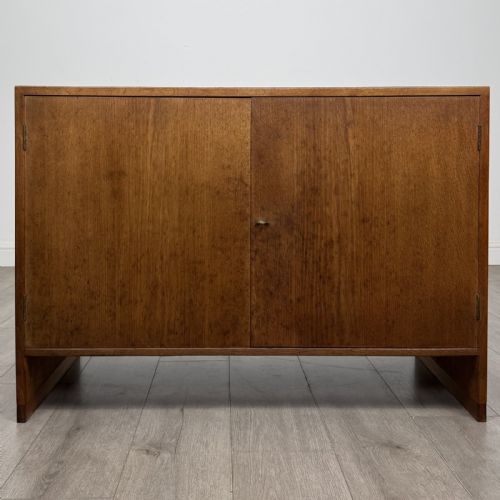
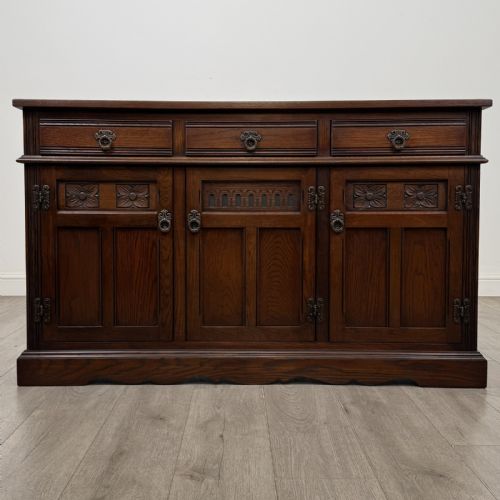
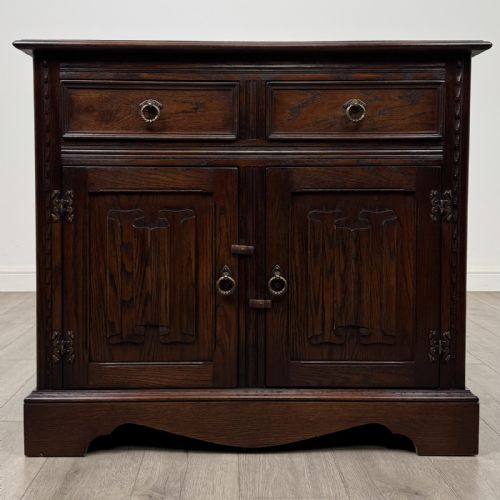
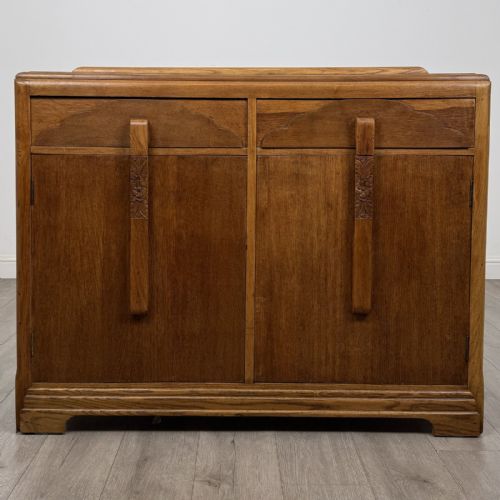
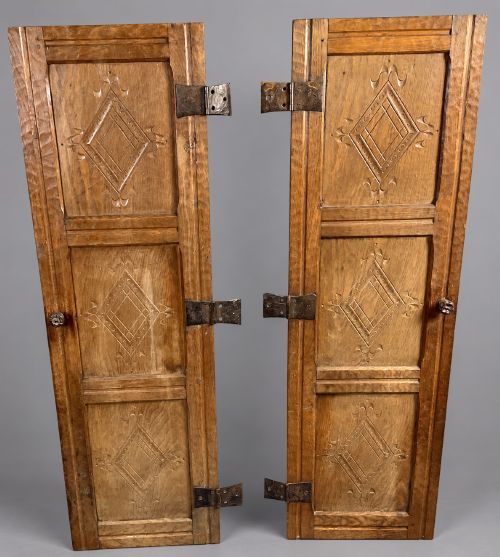
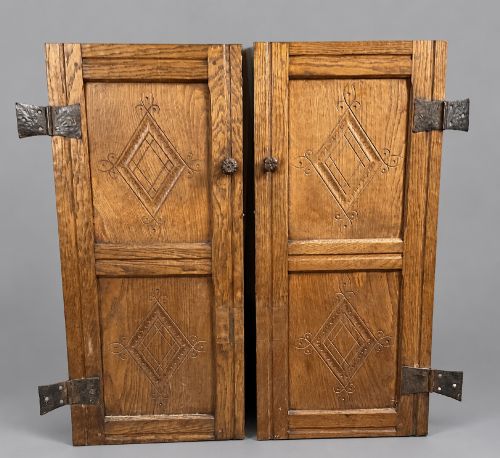
These vintage oak cabinet doors are salvaged panels and architectural elements that suit paneling projects, furniture conversion, and interior restoration.
Vintage Oak Cabinet Doors
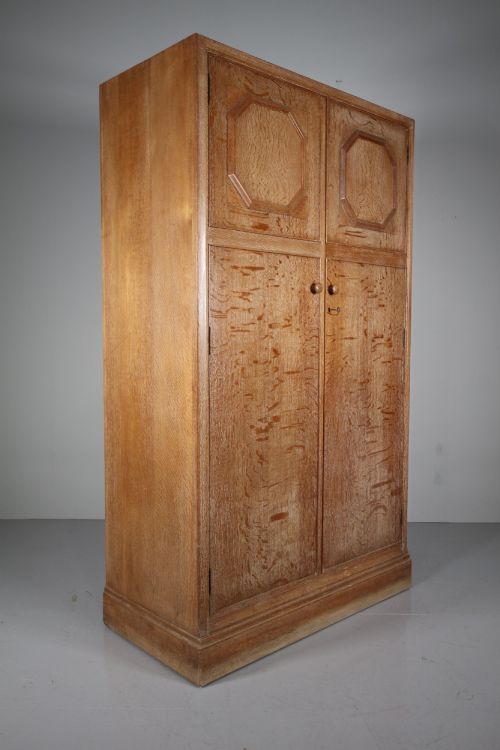
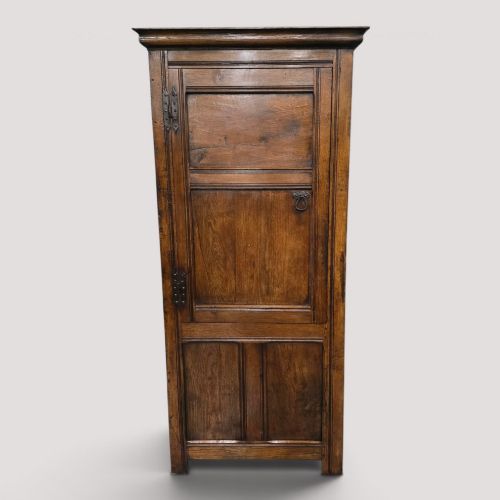
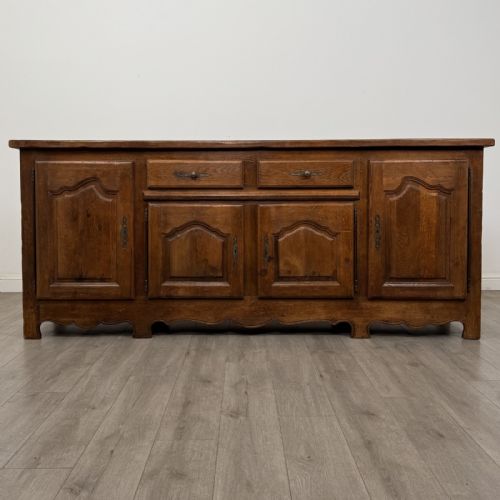
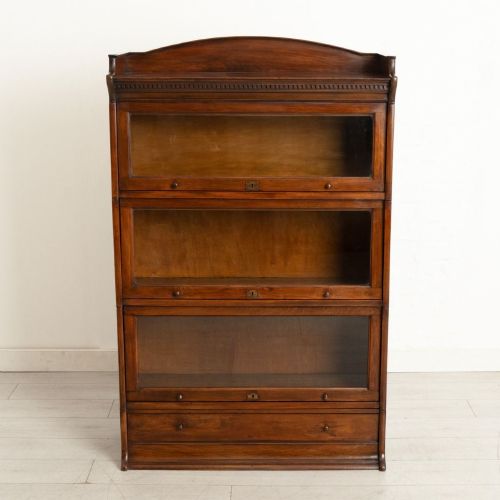
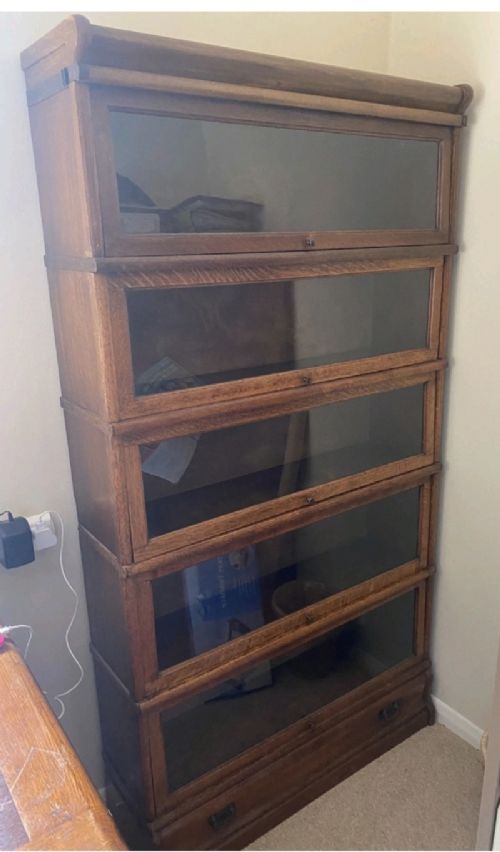
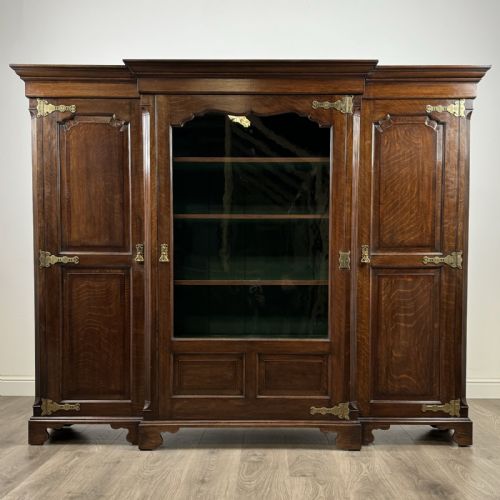
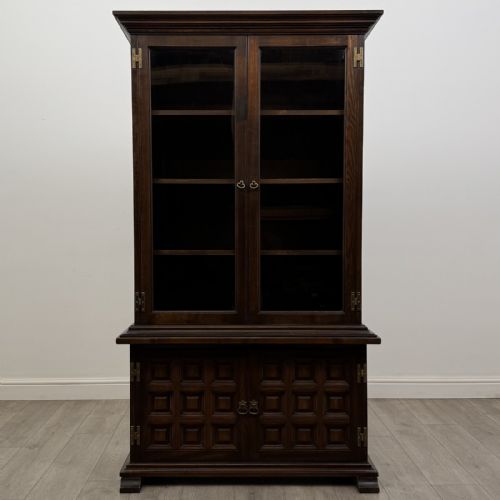
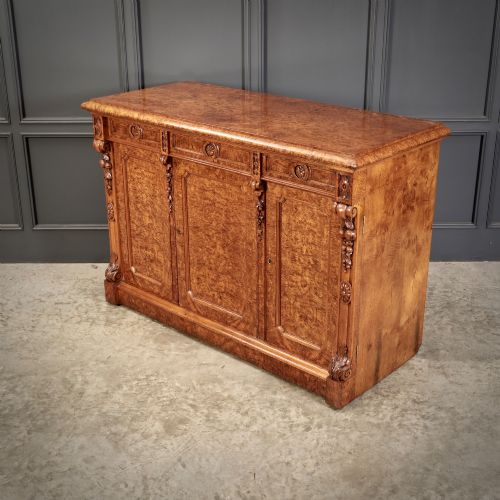
Vintage oak cabinet doors represent architectural salvage and repurposed elements taken from larger case pieces, wardrobes, bookcases, and sideboards seen across Edwardian, Victorian, and early twentieth-century periods.
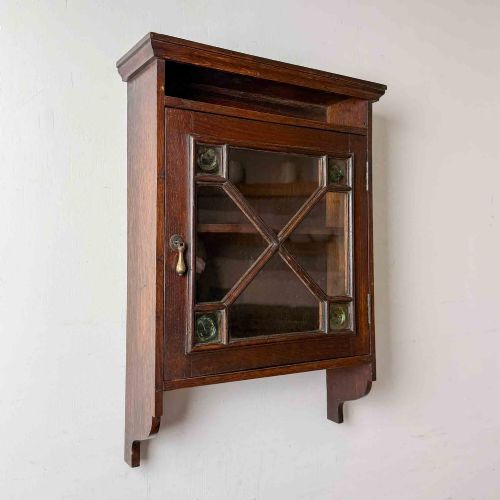
The selection ranges from simple fielded panels to glazed frames fitted with lead, glass, or brass hardware, reflecting diverse regional British joinery and styles including Arts and Crafts, Jacobean Revival, and Art Deco.
Buyers seek these components for bespoke interior projects, replacement matching, or cabinet building, utilising solid timber construction that outlasts modern manufactured board.
Materials and construction methods
Makers utilised solid oak, often quarter-sawn to reveal dense medullary rays, combined with secondary woods such as mahogany for internal framing or structural stability.
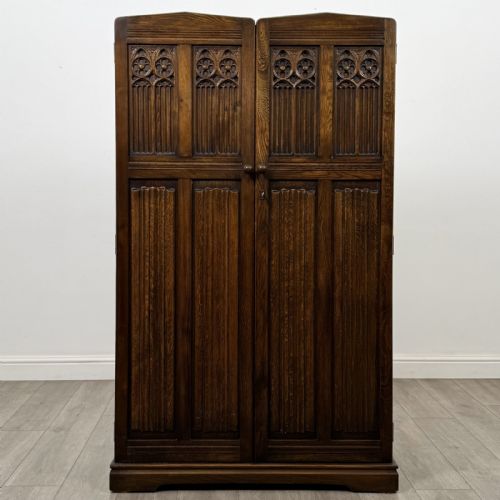
Joinery relies on traditional mortise and tenon frames holding raised panels, linenfold carvings, or rebated glass panes secured with wooden glazing bars or lead came.
Hardware details integrate brass handles, iron hinges, and occasionally canvas backing or tambour mechanisms, demonstrating period hand-finishing techniques.
Mice may occasionally hide in the attribution notes rather than the joinery.
Markers of quality and craftsmanship
The grade of timber selection determines overall merit, where straight-grained quartersawn oak exhibits superior stability and distinct figuring compared to plain-sawn alternatives.
Joinery execution separates standard utility pieces from fine workshop production, visible in tight frame joints, hand-carved linenfold details, and carefully moulded panel edges.
Original hardware integrity and unaltered surfaces preserve historical authenticity, whereas heavy modern refinishing or replaced framing alters the original character.
Lebus·Globe Wernicke·Liberty·Crown Furniture
The Vintage Oak Cabinet Doors Glossary
- Quarter-sawn
- Timber cut radially through the growth rings, producing a decorative grain pattern known as silver grain or medullary rays.
- Linenfold
- A style of relief carving on wooden panels that imitates folded fabric or linen, common in period joinery.
- Leaded glass
- Small panes of glass held together by strips of lead cames, forming geometric or decorative patterns within a door frame.
- Tambour
- A flexible shutter made of narrow vertical strips of wood glued to canvas backing, allowing sliding movement around a curved track.
- Fielded panel
- A central wooden panel with bevelled or recessed edges designed to fit within a surrounding frame while allowing for natural wood movement.
Vintage Oak Cabinet Doors: Frequently Asked Questions
Can I match these doors to existing furniture?
Matching requires careful comparison of timber tone, grain direction, panel profile, and overall dimensions to ensure visual harmony with existing cabinetry.
Because wood ages and finishes vary by maker and period, minor professional adjustment or colour blending may be necessary during installation.
How do I date an oak cabinet door?
Dating relies on examining the joinery techniques, timber preparation marks, hardware style, and decorative motifs such as linenfold carving or Arts and Crafts framing.
Earlier nineteenth-century examples often display hand-planed surfaces and heavier mouldings, while Edwardian and later pieces show standardised machine production methods.
What finishes are common on vintage oak?
Traditional surfaces feature waxed polish, shellac-based French polish, or darkened oak stains typical of Edwardian and Jacobean Revival aesthetics.
Many surviving pieces retain a dry patinated finish developed through decades of domestic use and ambient exposure.
Are these doors suitable for kitchen refits?
Salvaged oak doors adapt well to bespoke kitchen cabinetry or pantry installations when sized correctly for modern cabinet carcases.
Solid timber construction allows doors to be trimmed or adjusted by a competent carpenter, though hinges and hanging points may need modern adaptation.