
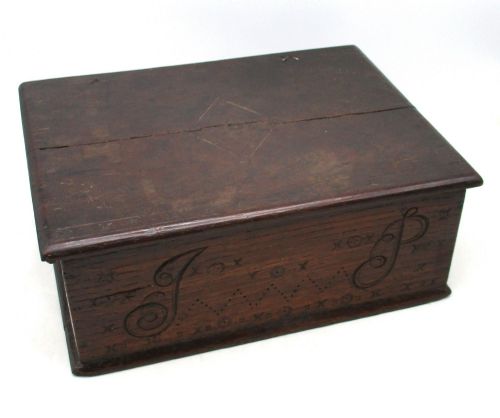
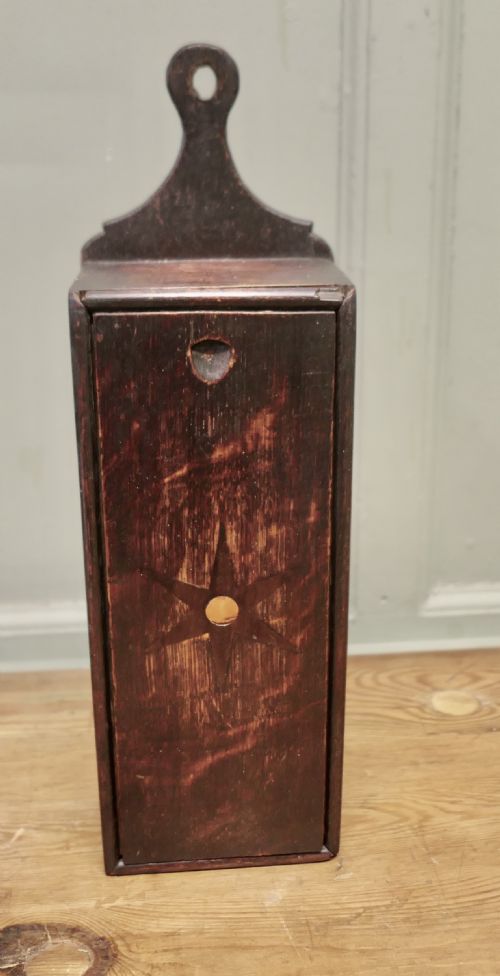


Carved Oak Candle Box
A carved oak candle box is a sturdy wall-hung or tabletop container designed to keep tallow dips dry and safe, bringing tactile vernacular warmth to an interior.
Carved Oak Candle Box
When you search for a carved oak candle box, you encounter pieces spanning the seventeenth, eighteenth, and nineteenth centuries, including items integrated into larger coffers and standalone wall-hung examples. These domestic storage items reflect English country and vernacular traditions, often featuring sliding or hinged lids designed for daily utility in historic homes.
The most common versions met on this page are eighteenth-century wall-hanging boxes and small document or salt boxes fashioned from oak. Alongside these, you find domestic chests and coffers containing internal candle boxes, showing how timber storage was organised in period households.
How they were made
These items rely on solid oak construction, shaped by hand using traditional joinery methods appropriate to seventeenth and eighteenth-century workshops. Makers utilised panels, planks, and hinges to build durable enclosures capable of withstanding heavy daily use.
Hardware plays a structural and decorative role, featuring original iron and brass elements such as hinges, latches, and hanging loops. Traces of early paint sometimes survive on the timber surfaces, recording the historic finishes applied by past owners.
What varies in quality
The standard of carving distinguishes standard utility pieces from more ambitious items, with crisply executed geometric or floral motifs showing greater artisan skill. Surface patination also marks out superior examples, where centuries of handling have produced a deep, warm tone on the oak.
Integrity of construction defines the preservation of these boxes, particularly the survival of original iron hardware, back panels, and hanging mechanisms. Pieces that retain their historic fixings and untouched timber surfaces hold more interest for collectors than those with replaced elements.
The Carved Oak Candle Box Glossary
- Treen box
- Small wooden containers made for domestic utility before the widespread adoption of mass manufacturing. These objects range from salt containers to receptacles designed for lighting supplies.
- Coffer
- A heavy wooden chest traditionally used for storing valuables, linens, or documents. Many period examples include an internal lidded compartment specifically intended for candles.
- Vernacular
- Objects made by local craftsmen following regional traditions rather than high-style metropolitan designs. This approach prioritises utilitarian function and available local materials like oak.
- Iron hardware
- Functional metal components such as hinges, latches, and hanging loops forged by blacksmiths. Original hardware provides crucial evidence for dating and authenticity.
Carved Oak Candle Box: Frequently Asked Questions
How were candle boxes used?
These containers were hung on walls or placed near hearths to protect vulnerable tallow dips from dampness and pests. Keeping them enclosed preserved the fuel needed for domestic lighting before modern illumination.
Households relied on them for daily access while ensuring the supplies remained safe from household grime and drafts.
How do I hang a wall box?
Wall-hung examples typically feature integrated pierced backboards or iron hanging loops designed for placement on wooden pegs or wall hooks. Ensuring the mounting point bears the weight safely protects the historic timber from strain.
Positioning them away from direct heat sources prevents the dry oak from warping or cracking over time.
What is a coffer candle box?
Larger storage chests often incorporated a smaller, partitioned internal compartment known as a candle box. This kept delicate lighting supplies separate from heavier textiles or documents stored in the main well.
These internal tills survive inside seventeenth and eighteenth-century panelled coffers.
How do I date an oak box?
Dating relies on observing construction methods, joinery types, timber grain, and the style of any carved decoration. Seventeenth-century pieces often display heavier framing and distinct Jacobean motifs, while eighteenth-century versions show refined panel assembly.
Original iron hardware and surface patination further help distinguish between early periods and later nineteenth-century revival work.