


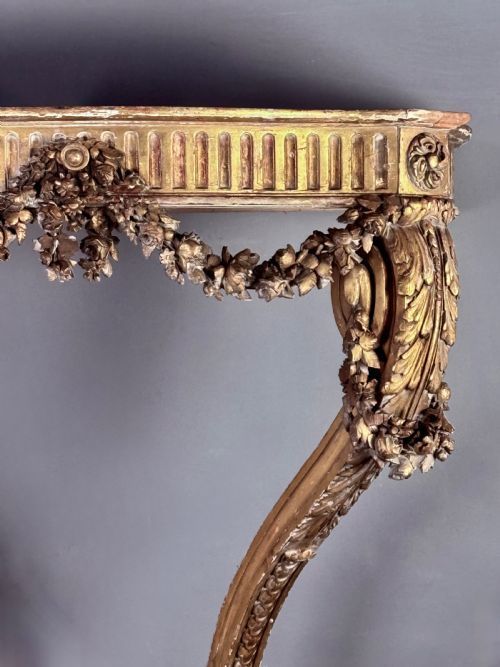
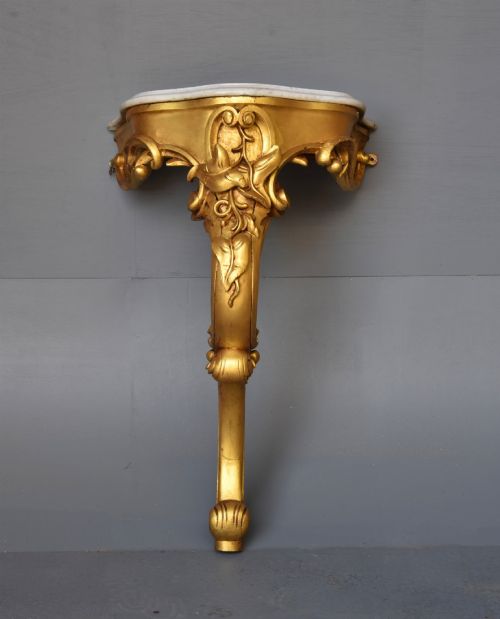
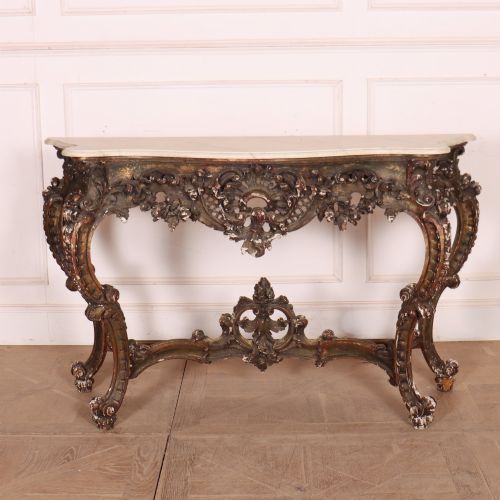
Carved Marble Top Pier Table
A carved marble top pier table commands attention in a formal interior, offering a sturdy stone surface set upon an ornate wooden frame.
Carved Marble Top Pier Table
A carved marble top pier table typically stands against a wall between windows, functioning as a console or side table in formal reception rooms. Buyers encounter various interpretations spanning the eighteenth through early twentieth centuries, with nineteenth century French and Italian examples dominating the selections.
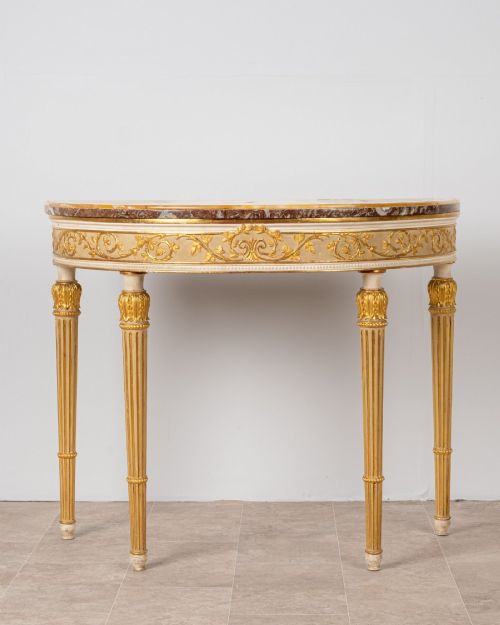
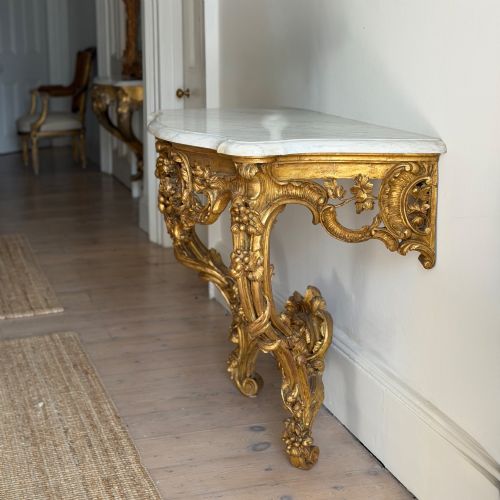
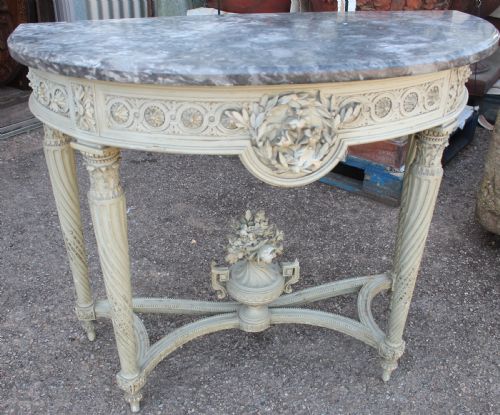
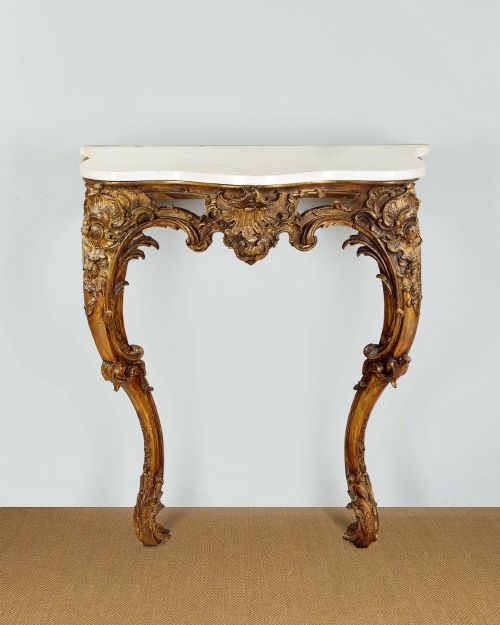
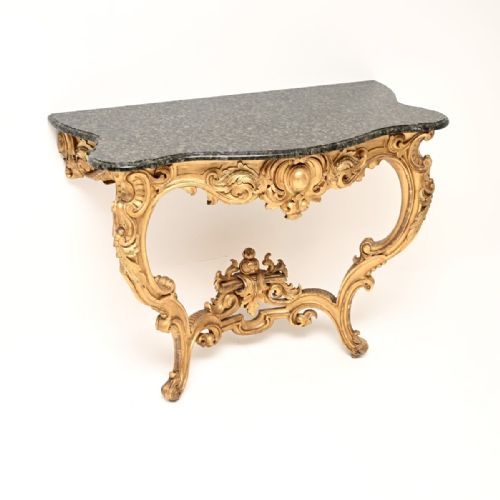
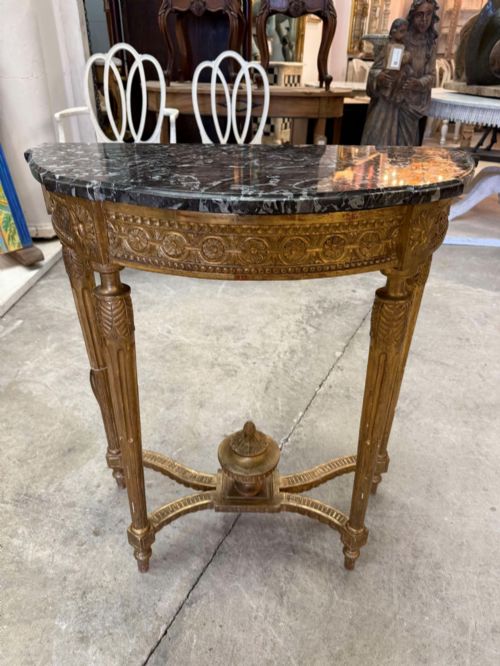
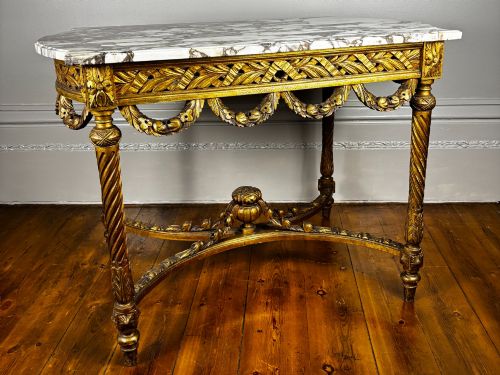
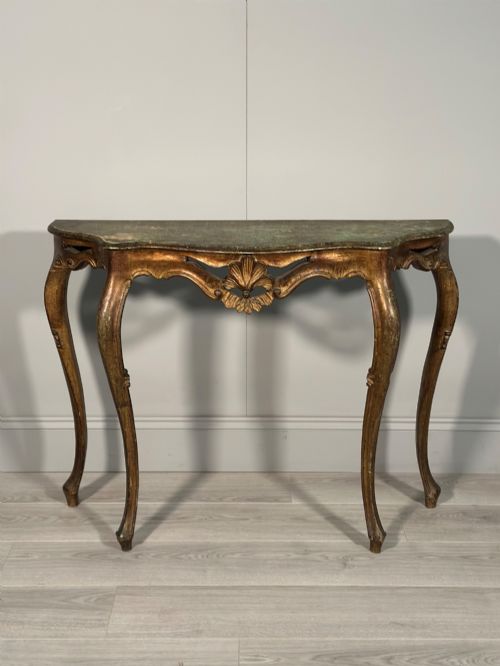
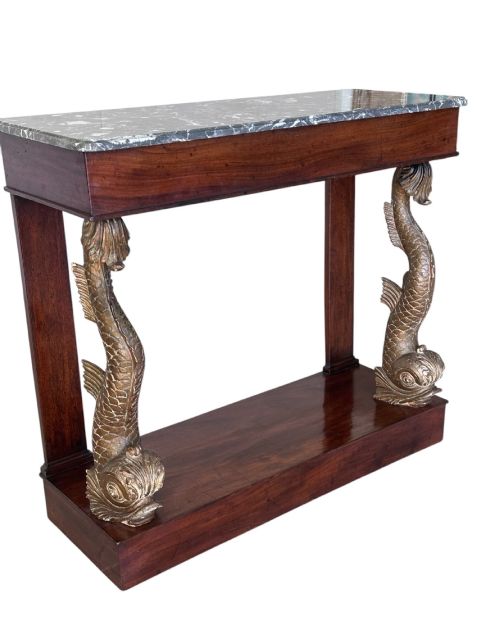
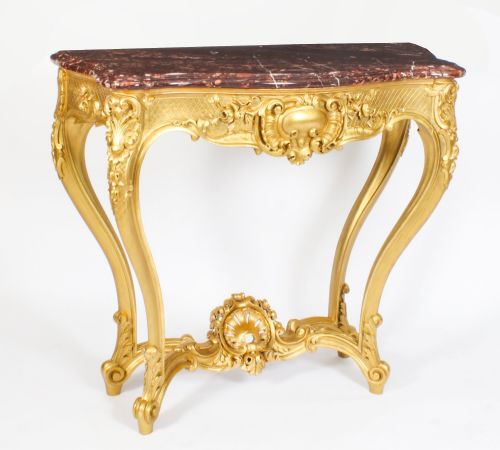
Most pieces combine a heavy stone slab with heavily ornamented wooden bases, often styled in French Rococo, Louis XVI, or Regency aesthetics. These forms range from compact demi-lune shapes to grand console arrangements frequently paired with matching pier mirrors.
Materials and Construction
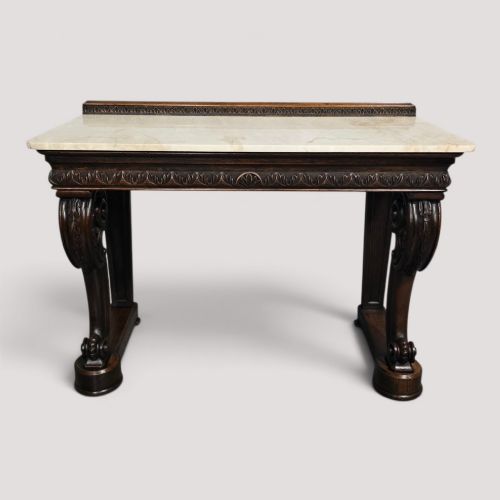
Makers utilised dense timbers such as mahogany, walnut, oak, and pine for the structural framework, applying gesso and heavy layers of gold leaf or paint to achieve opulent surface finishes. Marble slabs, including figured varieties like breche d'alep, form the solid upper surfaces designed to withstand daily use.
Carvers shaped intricate floral, scroll, and figural motifs directly into the wooden bases or applied moulded gesso details prior to gilding. Joinery techniques relied on traditional cabinetmaking methods to support the considerable weight of the inset marble tops.
Carved Marble Top Pier Table Retail Price Guide 2026
Typical asking prices for carved marble top pier table among the pieces listed under this phrase on Sellingantiques today, from the lower quarter to the upper quarter. They describe what is for sale here now, not the wider market.
Listings feature items from the eighteenth, nineteenth, and early twentieth centuries, with materials spanning marble, giltwood, mahogany, walnut, and gesso.
Assessing the Standard
The depth and crispness of the hand carving distinguish superior examples from simpler production, separating master craftsmanship from mechanical repetition. High quality pieces exhibit sharply defined acanthus leaves, scrolls, and figural elements without soft edges in the gesso or wood.
The selection and integration of the marble slab also dictate the grade of the object, where thick, richly figured stone fitted precisely to the wooden rail represents superior execution. Furthermore, the preservation of the original gilding or painted surface integrity heavily influences the overall standard of the piece.
Felix-Alfred Ternisien
The Carved Marble Top Pier Table Glossary
- Console table
- A table designed to be fixed against a wall, frequently supported by ornamental brackets or front legs rather than four standard posts. These pieces serve decorative and functional roles in hallways and reception rooms.
- Giltwood
- Timber coated with a thin layer of gold leaf applied over a prepared gesso ground. This finish creates a brilliant metallic lustre popular in formal interior design.
- Demi-lune
- A half-moon shape used for table tops and frames designed to sit flat against a wall. This profile minimises floor protrusion in narrow spaces.
- Breche d'alep
- A specific type of quarried marble featuring a complex, multi-coloured brecciated pattern. It appears frequently on eighteenth and nineteenth century French furniture tops.
- Gesso
- A plaster-like mixture applied to wooden furniture bases to create a smooth surface for carving details or laying gold leaf. It allows for sharp relief ornamentation.
Carved Marble Top Pier Table: Frequently Asked Questions
Where should I place a pier table?
These tables traditionally sit against a wall between two windows, often beneath a matching pier mirror to reflect light into the room. They also function well in grand hallways or living spaces as striking console surfaces.
Because of their shallow depth, they occupy minimal floor space while providing a solid platform for decorative objects or lighting.
How do I care for the marble top?
Clean the stone surface using a soft cloth dampened with warm water and mild, neutral soap, avoiding acidic substances like vinegar or citrus. Promptly wipe away spills to prevent staining on porous marble varieties.
Apply a specialised stone sealer periodically if recommended by a restorer to maintain the polish and protect against everyday wear.
What periods do these tables represent?
The available pieces span widely from the eighteenth century through the early twentieth century, capturing distinct historical design movements. You will find examples from the Georgian and Regency eras alongside later nineteenth century revivals.
French Rococo and Italian Neoclassical styles are particularly prominent across the selection, reflecting continental influences on British and European interior decoration.
Are the marble tops original?
Most surviving pieces retain their heavy stone slabs, which were cut specifically to fit the wooden frames during manufacture. Variations in thickness and veining reflect the specific quarry sources utilised by period workshops.
Inspect the underside of the stone and the seating rebate on the wooden frame to understand how the top rests and secures within the structure.