


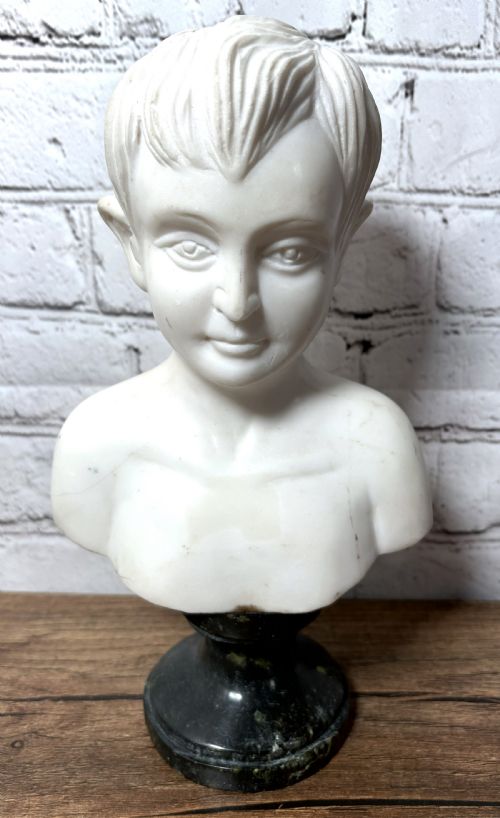

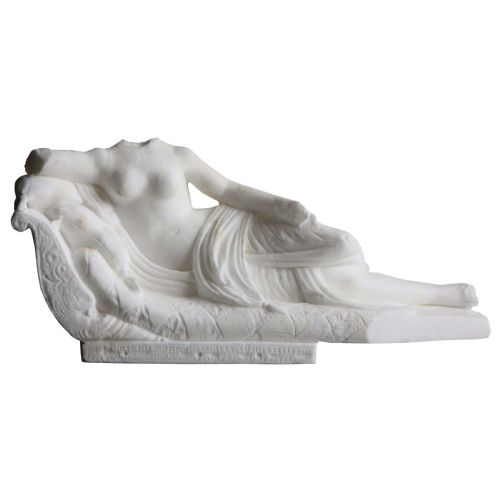


Carved Marble Figurine
When a collector hunts for a carved marble figurine, they are searching for classical sculpture, mythological figures, and portrait busts rendered in stone from the nineteenth and early twentieth centuries.
Carved Marble Figurine
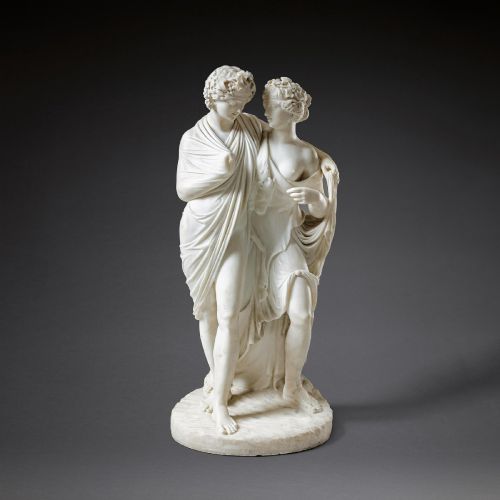
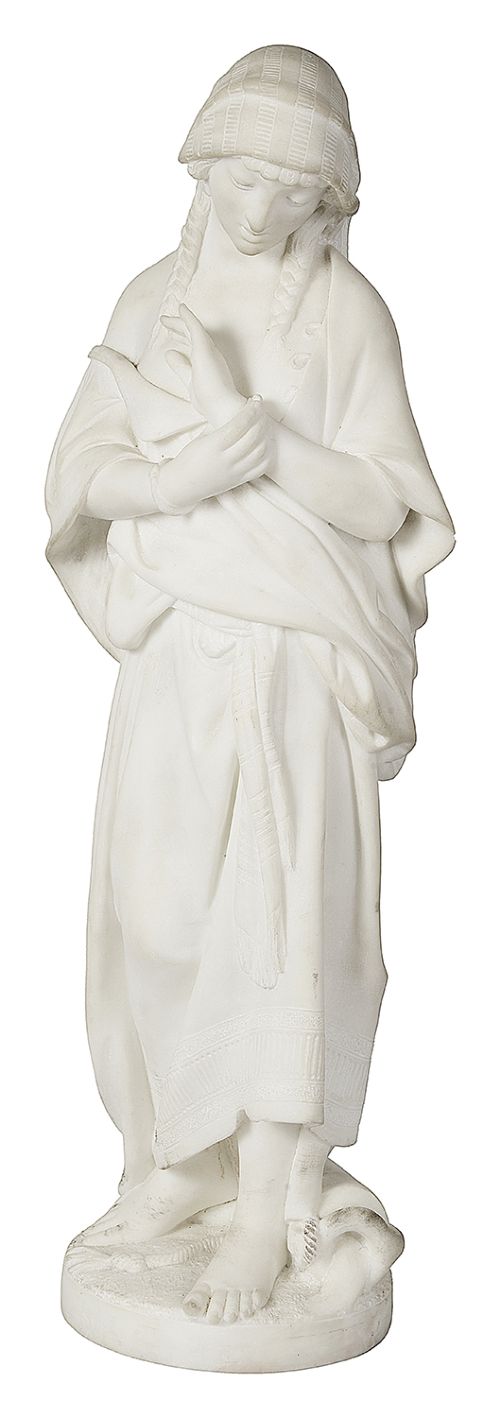
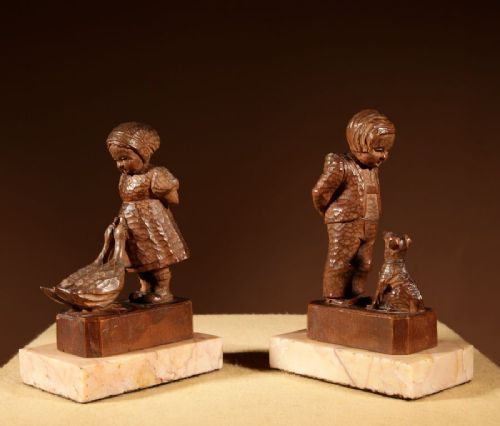
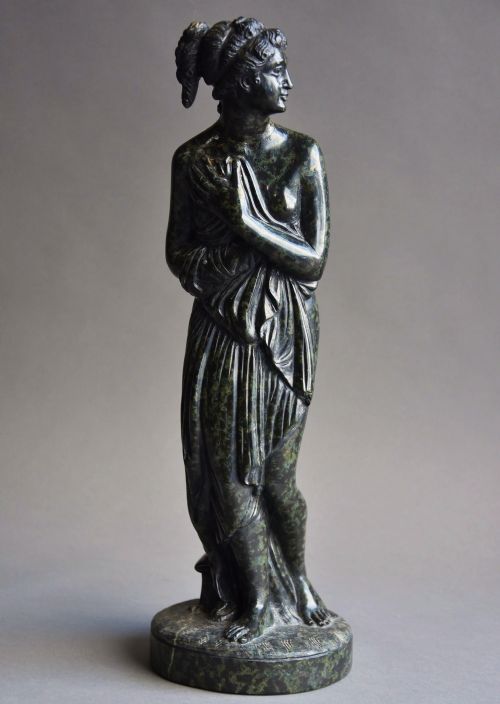
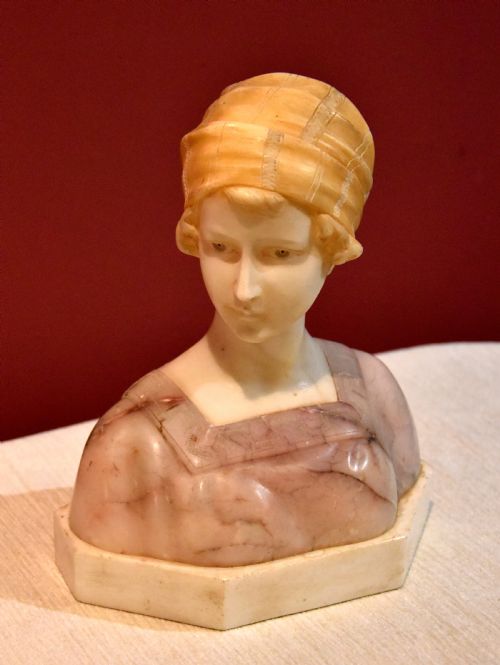
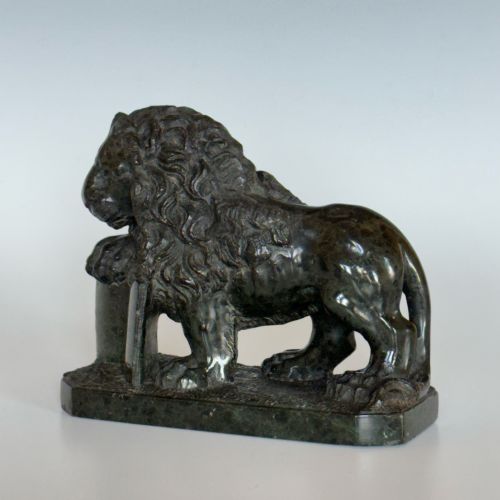
A carved marble figurine represents subjects ranging from classical deities such as Venus and Bacchus to portraits of children, young women, and animals. These pieces originate primarily from nineteenth-century European workshops, carrying the aesthetic weight of Neoclassical and Grand Tour traditions.
Visitors browsing this page will most frequently encounter Italian and French works produced between eighteen-fifty and nineteen-twenty. These sculptures vary in scale from library busts to substantial floor-standing groups.
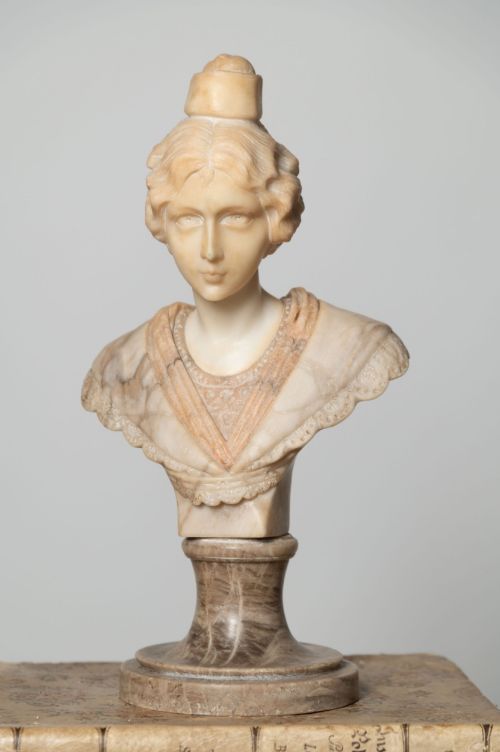
The material vocabulary extends beyond standard white stone to include veined alabaster, dark serpentine, and mixed marble assemblies. Each form captures the academic training and technical precision of its period.
Materials and Techniques
Sculptors utilised fine-grained Carrara marble and translucent alabaster, shaping the raw stone through progressive reduction with chisels, rasps, and drills. Surface finishing involved meticulous hand-polishing to achieve either a matte skin or a high gloss.
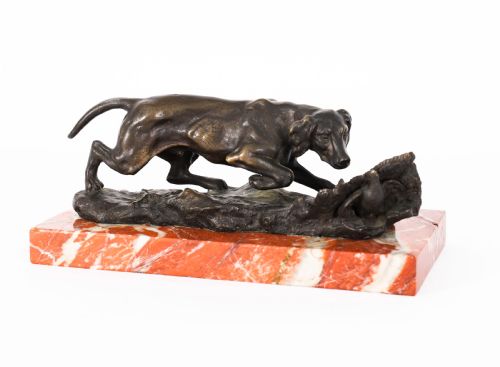
Grand Tour pieces and Italian school figures often relied on pointing machines to scale down classical antiquities into portable cabinet sculptures. Bronze elements occasionally augmented the stone compositions, particularly in mixed-media works.
Common subjects include mythological figures, portrait busts, and children at play, reflecting popular taste across the nineteenth century.
Evaluating Quality
Quality rests upon the natural purity of the marble or alabaster block and the sensitivity of the carving in complex anatomical details such as hair, drapery, and hands. Master carvers achieved realistic flesh tones and fluid movement within rigid stone.
Signature placement and workshop attribution elevate certain pieces above anonymous factory output. The precision of the undercut and the absence of mechanical surface marks distinguish superior studio execution.
Carl Kauba·Carlo Albacini·Barranti·Antonio Canova·Auguste Henri Carli·Fritz Kochendorfer·Mieczyslaw Leon Zawiejski·Antonio Frilli·Pugi·Ferdinando Vichi·Denise Delavigne·P. Emilio Fiaschi·Joseph Gott·R. Lusili
The Carved Marble Figurine Glossary
- Grand Tour
- Souvenirs acquired by affluent travellers on educational tours of Italy and Europe during the eighteenth and nineteenth centuries. These pieces often replicate classical statuary in reduced dimensions.
- Alabaster
- A fine-grained, translucent stone favoured by sculptors for its soft appearance and suitability for detailed carving. It requires careful handling due to its susceptibility to moisture.
- Neoclassical
- A revival style drawing inspiration from the art and culture of classical antiquity. It prioritises clean lines, heroic subjects, and balanced proportions.
- Carrara Marble
- A white or blue-grey stone quarried in the city of Carrara in Tuscany. It has served as the preferred medium for monumental sculpture since Roman times.
- Serpentine
- A dark green or mottled stone group used for architectural details and small decorative sculptures. Its distinct coloration mimics the skin of a serpent.
Carved Marble Figurine: Frequently Asked Questions
What is a Grand Tour marble?
Grand Tour marbles are small-scale replicas of famous classical antiquities created as souvenirs for wealthy travellers exploring European cultural sites during the nineteenth century.
These pieces allowed collectors to display museum-quality subjects within domestic interiors.
How do alabaster and marble differ?
Marble is a metamorphic rock formed from limestone, offering high durability and a crystalline structure. Alabaster is a softer, gypsum-based stone known for its translucency and susceptibility to water damage.
Sculptors chose alabaster when they wanted light to penetrate the surface of a figure.
Where should these sculptures be displayed?
These figures suit stable indoor environments away from direct sunlight and high humidity. Placing them on sturdy pedestals, mantelpieces, or library shelves protects the stone from accidental impacts.
Stable temperatures prevent internal stress within the mineral structure.
How do I date a stone figurine?
Dating relies on stylistic markers, costume details, tool marks on the base, and signatures linked to known nineteenth or twentieth-century workshops. The choice of marble or alabaster type also aligns with specific regional production periods.
Comparative study of similar signed pieces helps narrow the decade of origin.