





Parcel Gilt Sculpture
Parcel gilt sculpture brings together cast bronze, carved wood and marble with selectively applied gold leaf to catch the light.
Parcel Gilt Sculpture
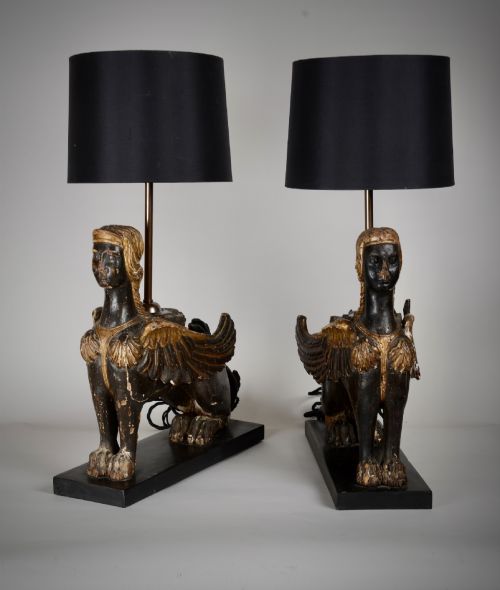
Parcel gilt sculpture unites metalwork and woodwork with the deliberate contrast of exposed material and bright gold leaf. When you search for parcel gilt sculpture, you encounter figures, architectural fragments, busts and table lamps that span from the sixteenth century through to the nineteenth century.
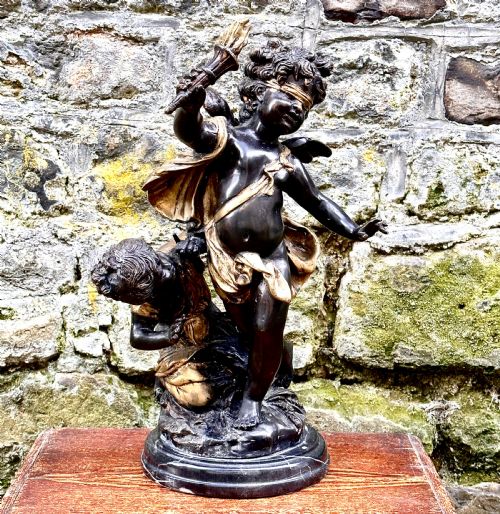
The nineteenth century provides the greatest number of pieces on this page, taking the form of patinated bronze figures and marble busts alongside older wooden religious sculptures and architectural elements. European workshops dominate the selection, including French neoclassical works, Venetian decorative figures and English baroque carvings.
How they were made
Makers shaped these works from bronze, lime wood, marble and gesso, employing traditional casting, carving and gilding techniques. Bronze pieces relied on founding methods to achieve fine detail, while wooden sculptures were hand-carved before receiving layers of gesso and gold leaf.
The application of gold leaf was strictly selective rather than total, leaving areas of dark bronze, painted wood or pale marble exposed to create depth and shadow.
Parcel Gilt Sculpture Retail Price Guide 2026
Typical asking prices for parcel gilt sculpture among the pieces listed under this phrase on Sellingantiques today, from the lower quarter to the upper quarter. They describe what is for sale here now, not the wider market.
A nineteenth-century Venetian blackamoor waiter stands ready to hold your afternoon tea.
What varies in quality
The standard of a piece rests upon the precision of the carver's chisel or the founder's touch in capturing anatomy, drapery and expression. Superior examples display crisp chasing on metal surfaces and deep, confident undercutting in carved wood.
The preservation of the original surface finishes, particularly the interplay between the gilded areas and the patinated bronze or polychrome paint, determines the visual impact and historical integrity of the object.
Carrier-Belleuse·Barbedienne·Aug. Moreau·Leon Pilet
The Parcel Gilt Sculpture Glossary
- Parcel gilt
- Ornamentation where only specific portions of an object are covered in gold leaf or gold paint. This technique highlights particular details against a contrasting background of bronze, wood or stone.
- Polychrome
- Painted in several colours. This finish appears frequently on older wooden figures alongside the gilding.
- Gesso
- A plaster mixture applied to wood surfaces as a smooth base for gilding. It provides a bright foundation for the gold leaf.
- Baroque
- A style of art and architecture from the seventeenth and early eighteenth centuries characterised by ornate detail and dramatic movement. Pieces from this period show dynamic poses and rich surface decoration.
Parcel Gilt Sculpture: Frequently Asked Questions
How do I clean a gilded bronze?
Dust gently with a soft dry brush to remove surface particles.
Avoid using water, liquid cleaners or abrasives which can damage the thin layer of gold leaf.
Are these figures solid bronze?
Many nineteenth-century bronzes are cast with hollow interiors to save weight and metal.
Heavier pieces may employ solid casting methods depending on the workshop and the date.
What is an architectural pediment?
An architectural pediment is a decorative triangular or segmental element placed above doors, windows or furniture.
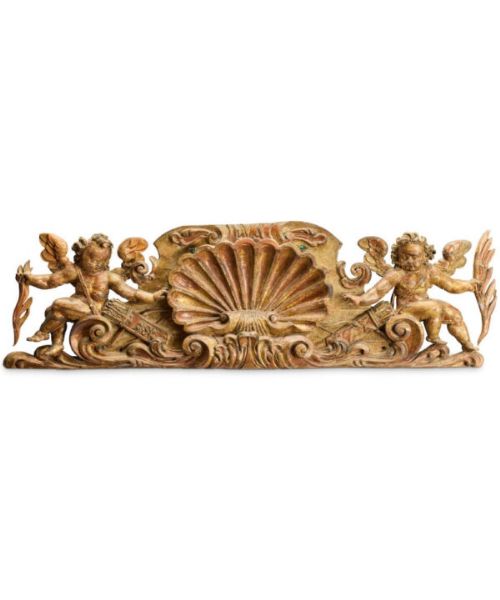
Carved wooden examples often feature parcel gilt foliage and figures.
How do I date a wooden sculpture?
Examine the tool marks left on the reverse and interior surfaces of the timber.
The type of wood, the composition of the gesso base and the style of the carving provide further chronological clues.