
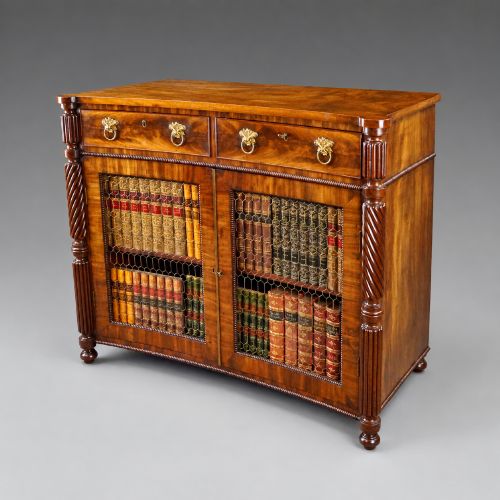
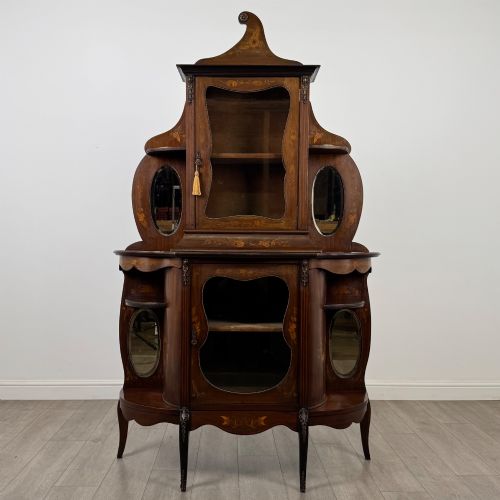
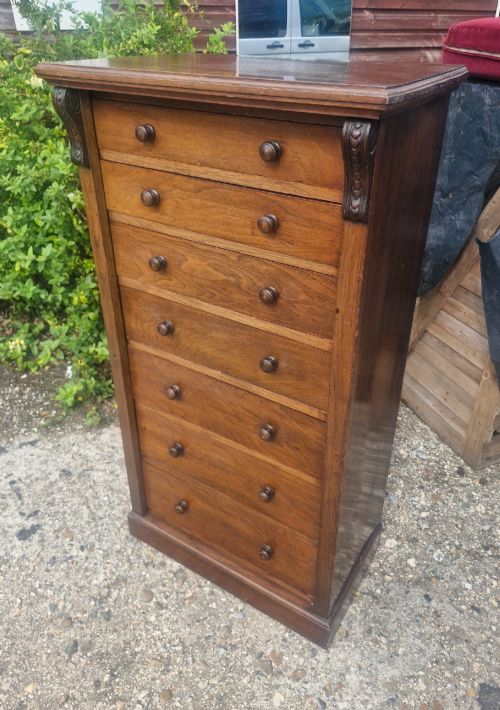
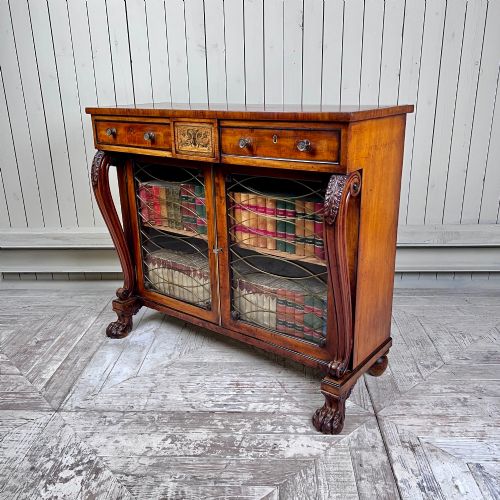



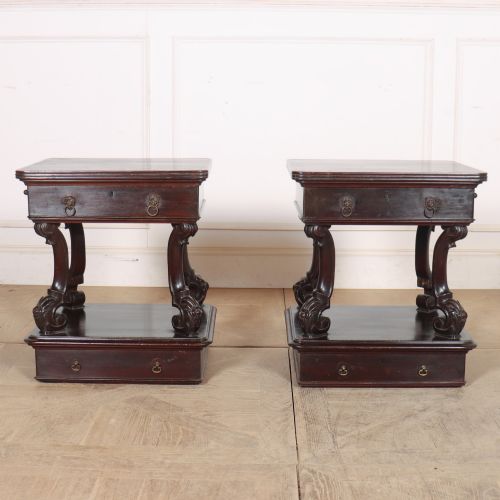
Carved Mahogany Side Cabinet
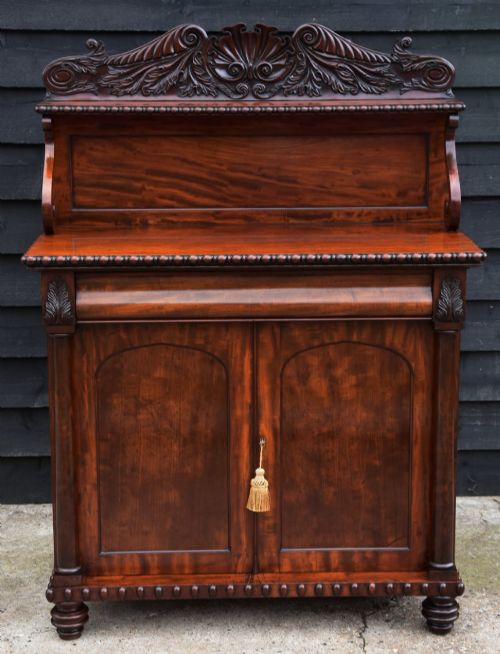
These pieces are a carved mahogany side cabinet, offering sturdy timber and useful storage for any room.
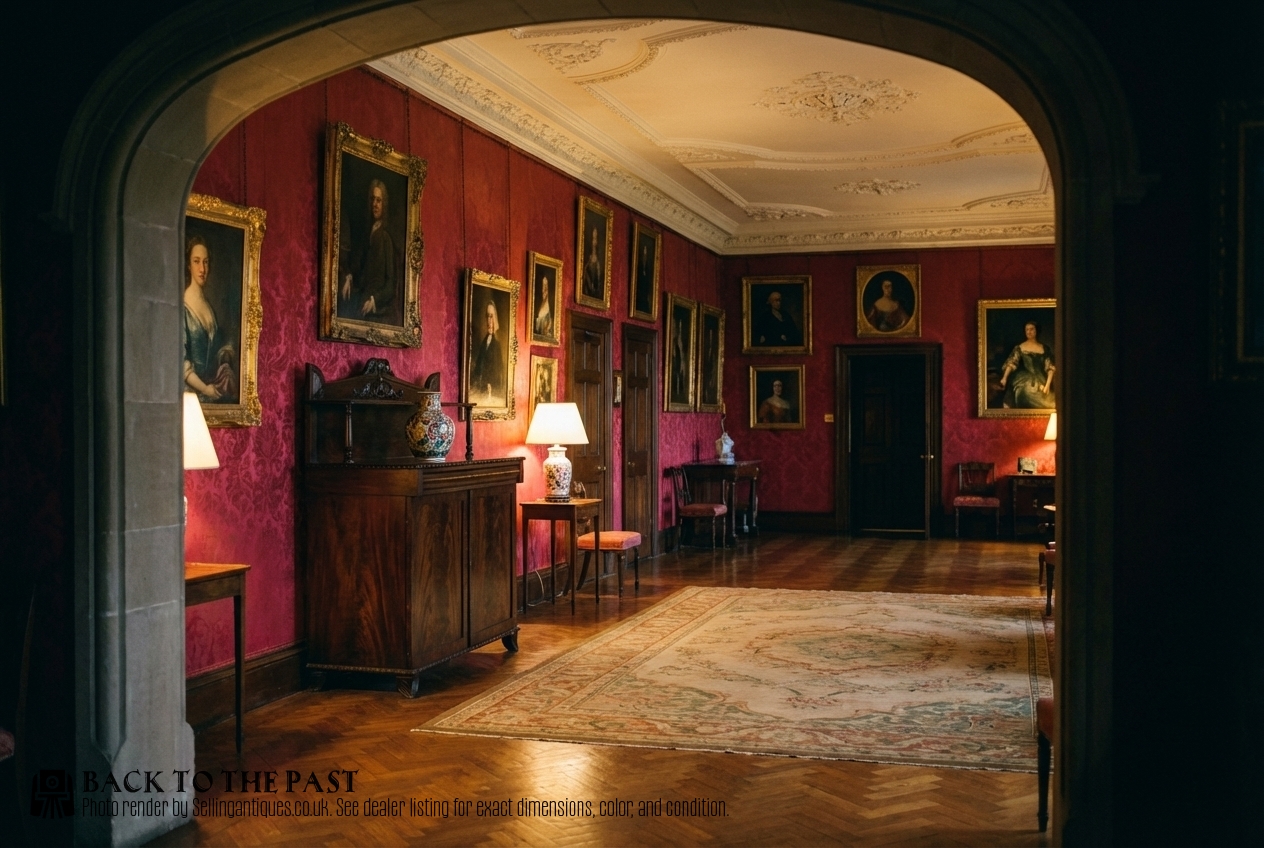
Carved Mahogany Side Cabinet
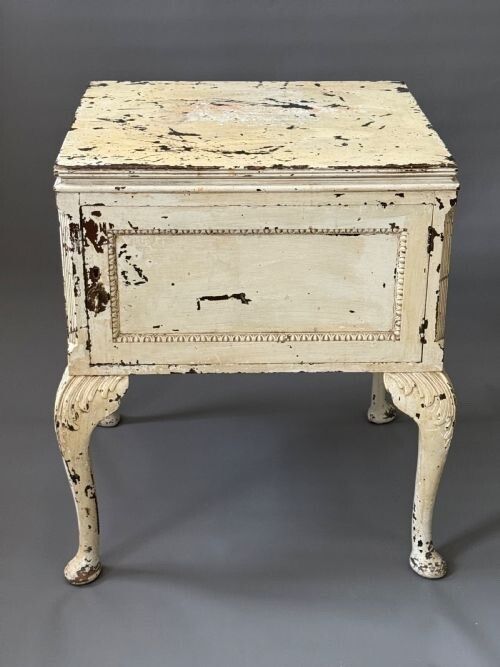
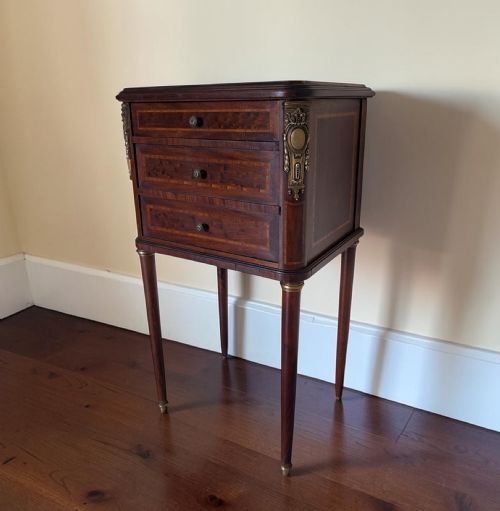
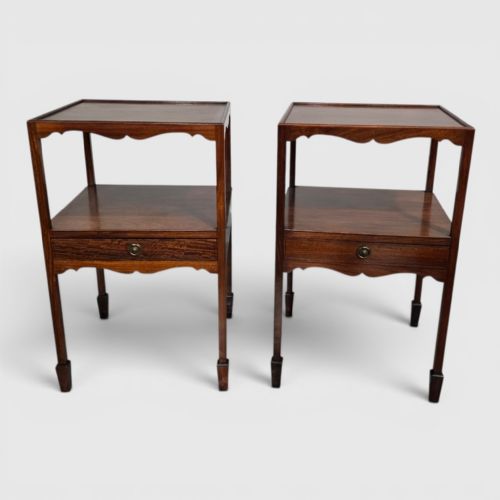
A carved mahogany side cabinet provides enclosed storage through cupboards, drawers, or open shelving, serving as a functional piece for living spaces and bedrooms. The selection on this page spans side cabinets, bedside cabinets, display cabinets, and chiffoniers.
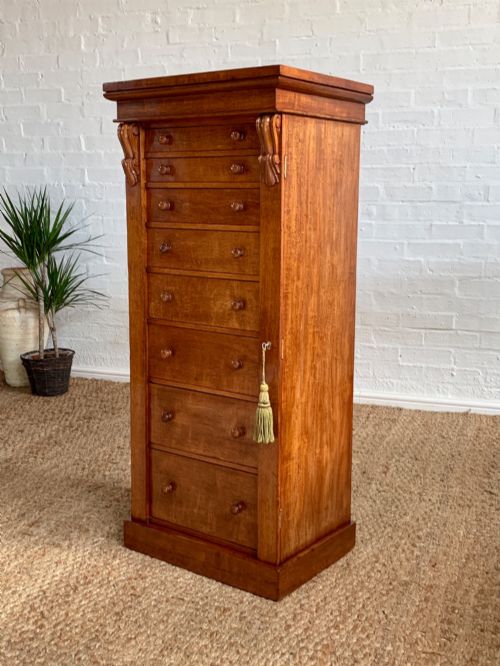
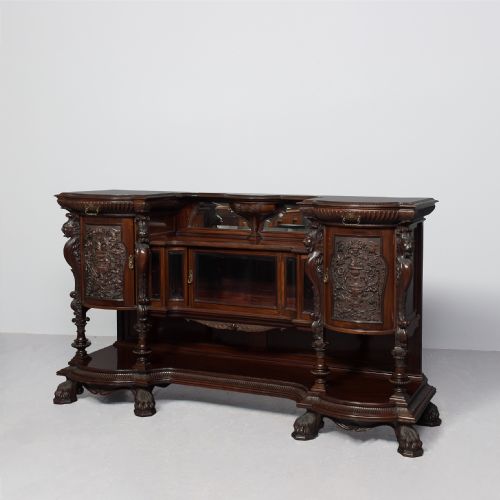
The objects derive from periods including the Regency, Victorian, and Edwardian eras, alongside pieces built in the William IV and Georgian styles. Most examples rely on solid timber carcasses fitted with panelled doors, brass hardware, or mirror-backs.
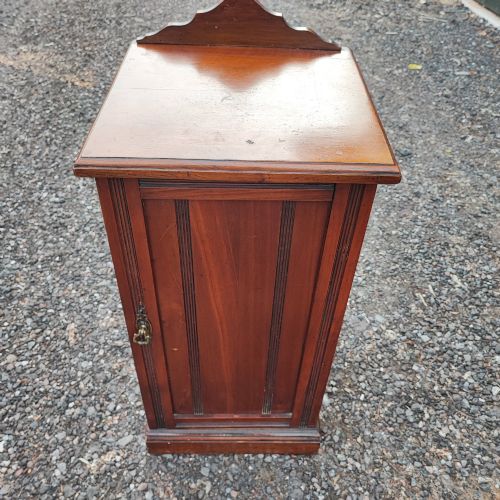
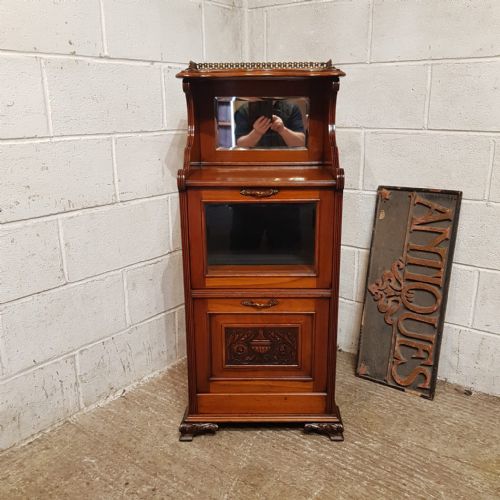
Buyers encounter variations ranging from narrow 19th-century bedside cupboards to large mirror-backed display cabinets and serpentine forms. The common thread remains the use of mahogany, often enriched with carving, inlay, or mounts.
What varies in quality
The standard of a carved mahogany side cabinet depends on the selection of timber figures, such as flame mahogany veneers, and the crispness of the hand-carved details. Pieces with integrated brass inlays, original turned knobs, or substantial marble tops sit at the higher end of the scale.
Proportion and structural integrity dictate value just as much as surface ornamentation. Well-balanced forms with tight joinery and original hardware hold their presence better than pieces with mismatched replacements or tired finishes.
Listings feature mahogany, rosewood, brass, glass, and marble across Victorian, Regency, and Edwardian periods.
Lamb of Manchester·Gillows
The Carved Mahogany Side Cabinet Glossary
- Mahogany
- A durable tropical hardwood known for a reddish-brown tone and stable grain that accepts deep carving and polishing well.
- Flame mahogany veneer
- A thin slice of timber cut from wood where the branches join the trunk, creating a fiery, undulating grain pattern.
- Chiffonier
- A compact sideboard equipped with enclosed lower cupboards and often a shelf or mirror superstructure on top.
- Wellington chest
- A tall, narrow chest of drawers secured by a hinged locking side pilaster that fastens with a key.
- Ormolu
- Gilded bronze mounts applied as decorative ornaments to the corners, feet, or doors of cabinets.
Carved Mahogany Side Cabinet: Frequently Asked Questions
What rooms suit a carved mahogany side cabinet?
These cabinets fit well in dining rooms, hallways, and living areas where surface space and concealed storage are both required. Smaller bedside versions also suit bedrooms as night tables.
The rich colour of the timber pairs easily with traditional and contemporary interiors alike, grounding the room with a sense of history.
How do I date a carved mahogany side cabinet?
Dating relies on observing the prevailing style, construction methods, and hardware choices. Regency pieces often feature brass inlay and bolder architectural lines, while Edwardian examples can show lighter frames or satinwood banding.
Matching the overall proportions and secondary woods helps narrow the decade of manufacture.
Are bedside cabinets and side cabinets the same?
Bedside cabinets are built smaller to sit beside a bed, usually containing a single cupboard or drawer for night-time storage. Side cabinets are larger proportions meant for general room storage.
Both share the same mahogany timber foundation and carved vocabulary depending on the period.
How should I care for a mahogany finish?
Keep the wood away from direct sunlight and strong heat sources to prevent the polish from fading or drying out. Dust regularly with a soft cloth and apply occasional high-grade wax polish.
Avoid using liquid cleaners or silicone sprays that can damage the historical patina.