
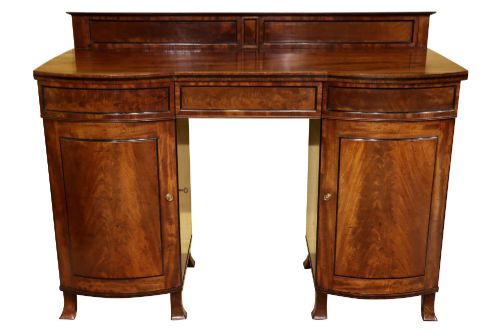
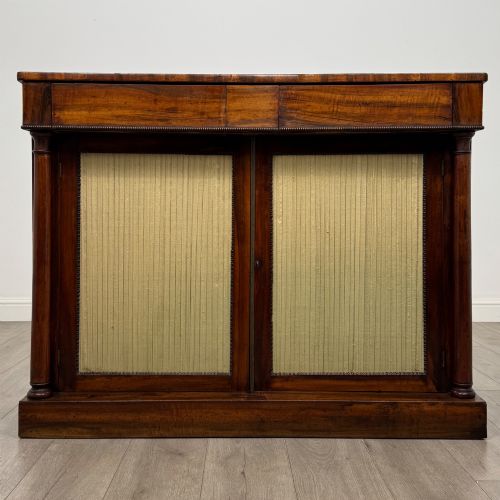
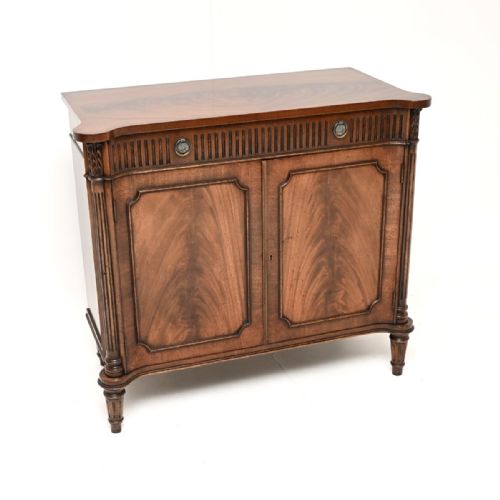
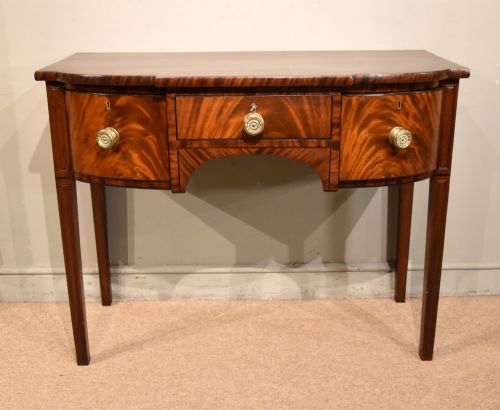
Regency Flame Mahogany Credenza
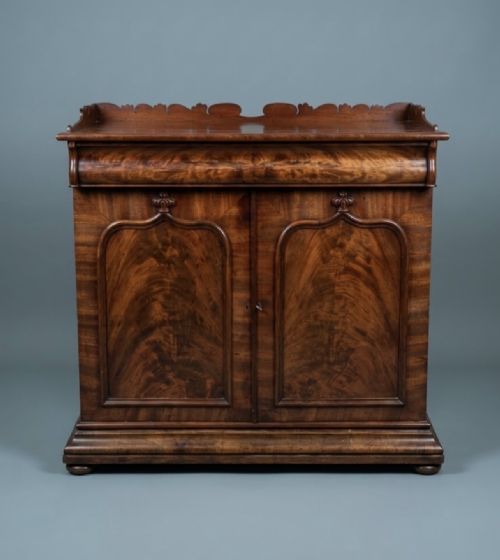
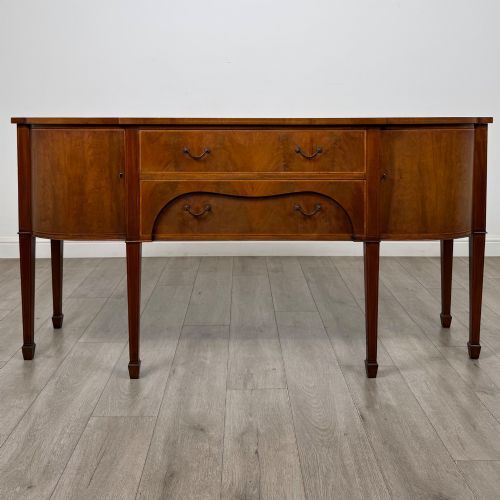
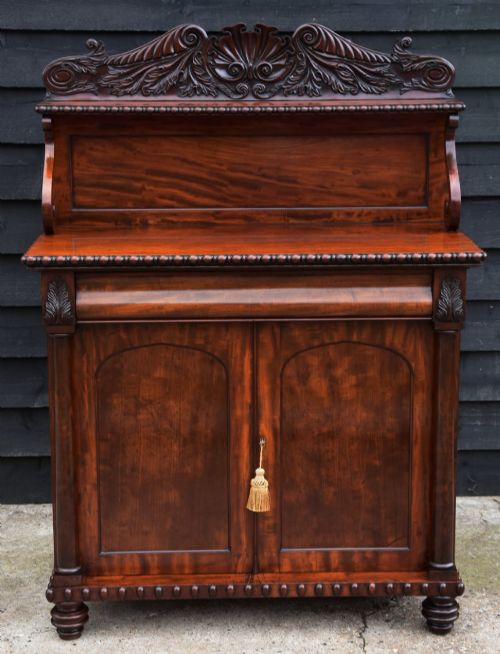
A regency flame mahogany credenza offers striking grain patterns and grand architectural presence for sophisticated dining rooms and halls.
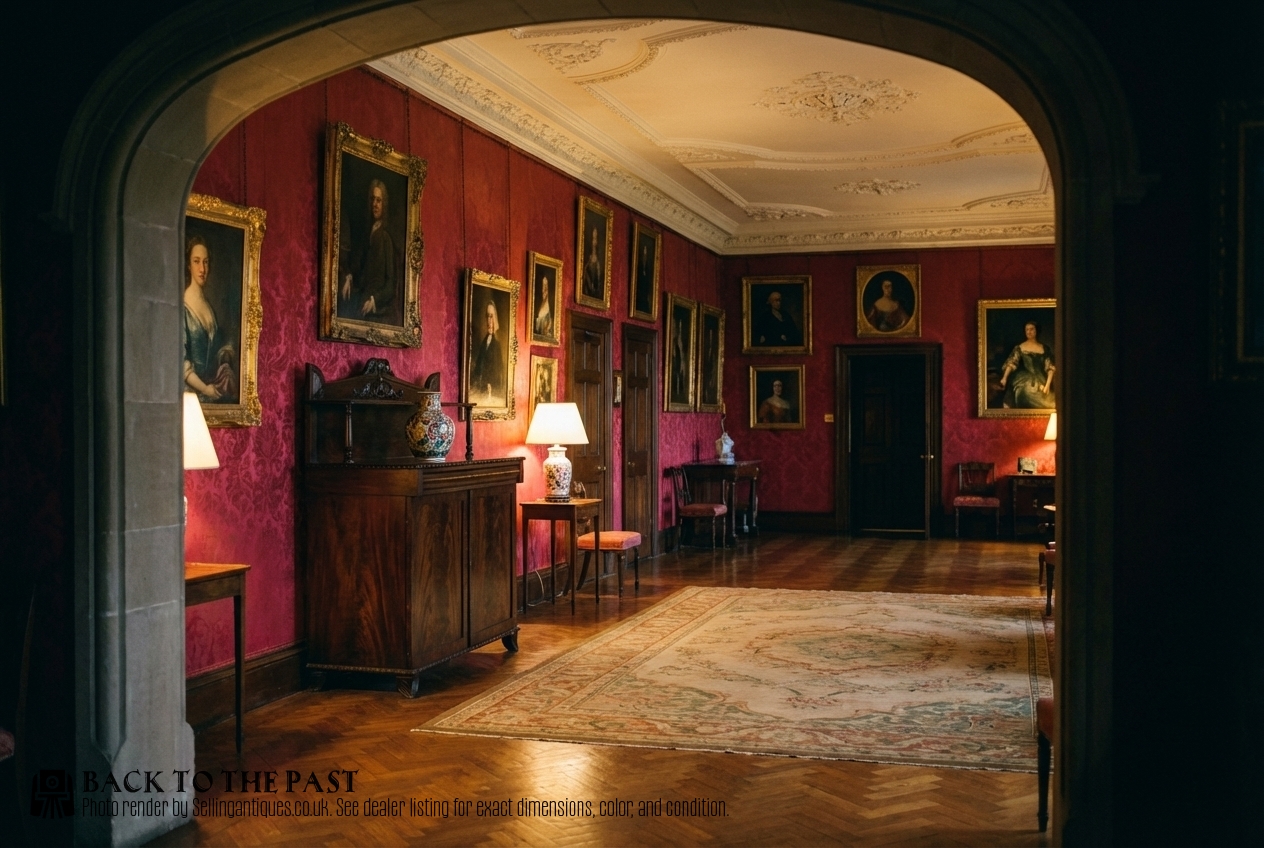
Regency Flame Mahogany Credenza
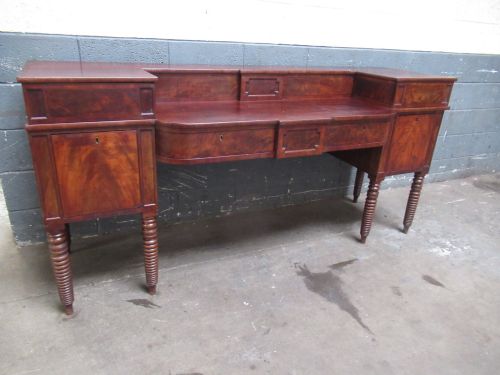
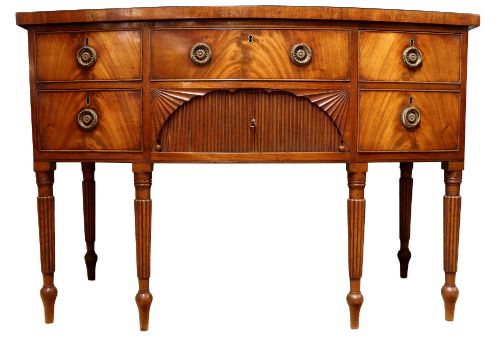
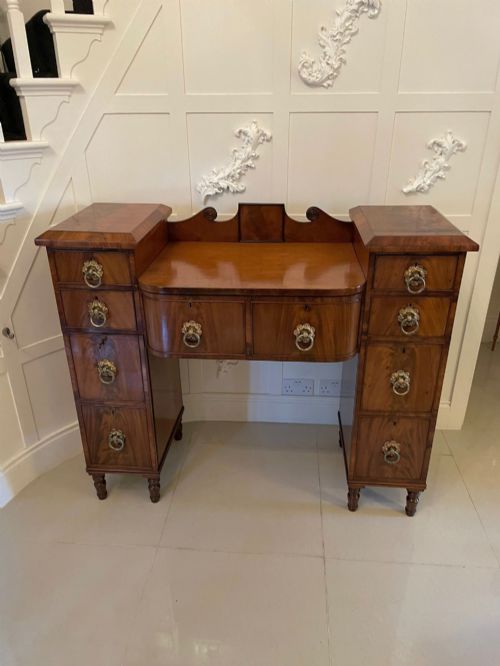
A regency flame mahogany credenza encompasses substantial timber sideboards, chiffoniers, and low cabinets originating primarily from the nineteenth century. Buyers searching this phrase look for formal dining and reception furniture featuring prominent pedestal bases, bow fronts, and enclosed lower cupboards.
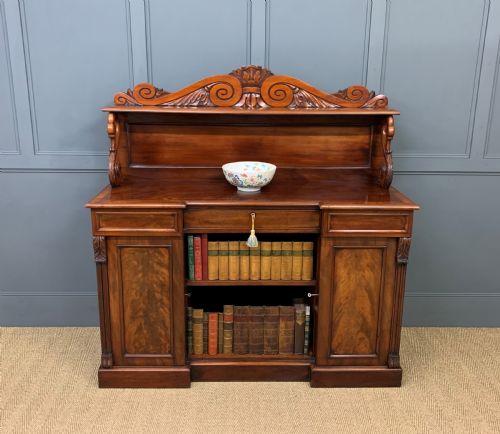
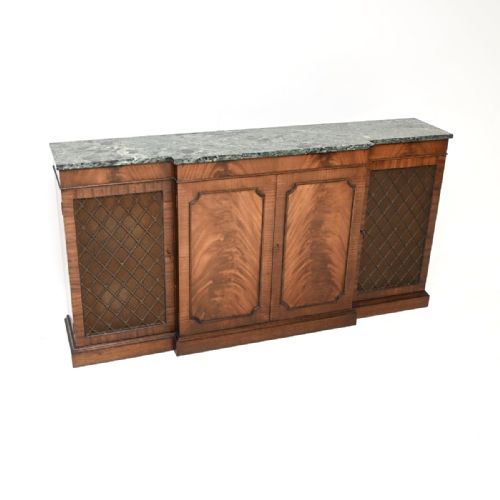
The pieces appearing on this page span the Regency, George IV, and William IV eras, alongside later revival interpretations. Sideboards and chiffoniers dominate the selection, often incorporating brass galleries, marble tops, or upper bookcase tiers.
Origins stretch from English workshops to Scottish makers, uniting formal proportions with functional storage. The overarching aesthetic relies on bold timber figures and restrained classical details rather than excessive carving.
Materials and construction
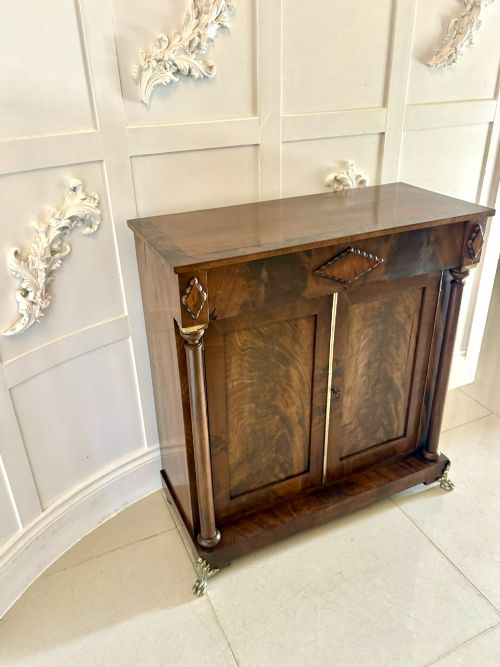
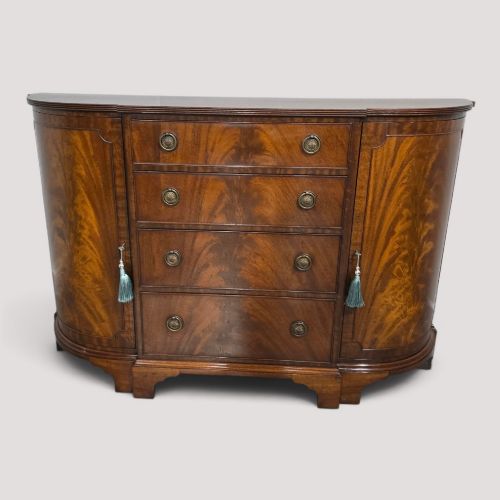
Cabinet makers utilised solid mahogany and oak for structural carcasses, applying finely figured flame mahogany veneer to the prominent drawer fronts and cupboard doors. This specific wood selection creates swirling, fire-like patterns that catch the light across the principal surfaces.
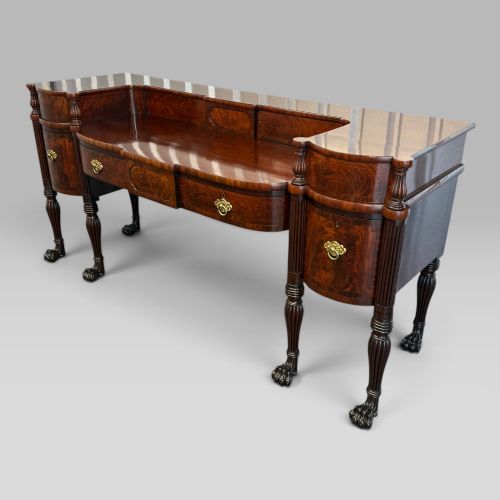
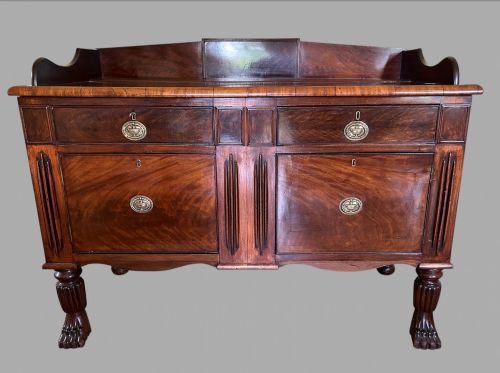
Decorative metalwork plays a vital structural and visual role, employing cast brass for lion paw feet, handles, and galleries. Ormolu mounts and ebony stringing appear on select examples to accent the dark timber tones.
Several pieces feature carved brass lion paw feet, ensuring your dining room furniture stands its ground with feline dignity.
Distinctions in quality
Superior examples derive their distinction from the intensity and symmetry of the veneer work, where the flame figures mirror across central cabinet doors. Lesser pieces rely on plain timber or uniform grain without the dramatic optical movement characteristic of top-tier workshop output.
Construction depth dictates overall standing, separating workshop pieces with secondary oak linings and precise dovetail joints from later, simplified reproductions. The integration of robust brass mounts, such as heavy lion paw feet and intact galleries, further elevates the stature of a piece.
Gillows
The Regency Flame Mahogany Credenza Glossary
- Flame mahogany veneer
- A thin slice of timber cut from where branches join the main trunk, producing a rippling, flame-like grain pattern.
- Chiffonier
- A low cabinet derived from the sideboard, typically featuring enclosed cupboards below and sometimes a small bookshelf or mirror above.
- Pedestal sideboard
- A heavy form consisting of two distinct pedestals joined by a central table section, popular during the early nineteenth century.
- Brass gallery
- A decorative metal rail mounted on the rear upper surface of a sideboard to prevent serving dishes from sliding off.
- Demi lune
- A half-moon shape applied to the top and front profile of specific sideboards and tables.
Regency Flame Mahogany Credenza: Frequently Asked Questions
What is a flame mahogany credenza?
A flame mahogany credenza is a nineteenth-century storage cabinet or sideboard distinguished by swirling, highly figured wood veneer. These pieces served formal dining rooms for storing silver and linen while providing a grand display surface.
Today they function as focal points in large living spaces or dining rooms. Their substantial cupboards accommodate modern items while retaining historic character.
How do I date a Regency sideboard?
Dating relies on examining structural timbers, hardware styles, and leg designs. Pieces from the early nineteenth century often feature secondary oak framing and hand-cut dovetailing beneath the mahogany veneers.
Look for architectural cues such as brass lion paw feet or Egyptian Revival motifs. Later nineteenth-century revivals often display heavier carving and altered proportions.
Where should I place a credenza?
These large cabinets suit dining rooms, grand hallways, or spacious drawing rooms as focal storage furniture. Ensure adequate wall space exists to let the pedestal base and bow front proportions breathe.
Keep them away from direct heat sources and strong sunlight to protect the fragile mahogany veneer. Natural ambient light highlights the distinctive grain patterns without drying out the timber.
How do I care for mahogany veneer?
Maintain the finish by dusting regularly with a soft, dry cloth and applying natural beeswax sparingly. Avoid modern chemical sprays that can damage historic polishes and dry out the timber.
Maintain stable room humidity to prevent the veneer from lifting or cracking over time. Protect the top surface from moisture rings by using coasters beneath glassware.