

Carved Mahogany Reading Armchair
A carved mahogany reading armchair offers sturdy support and deep comfort, bringing classic nineteenth-century seating into a modern study.
Carved Mahogany Reading Armchair
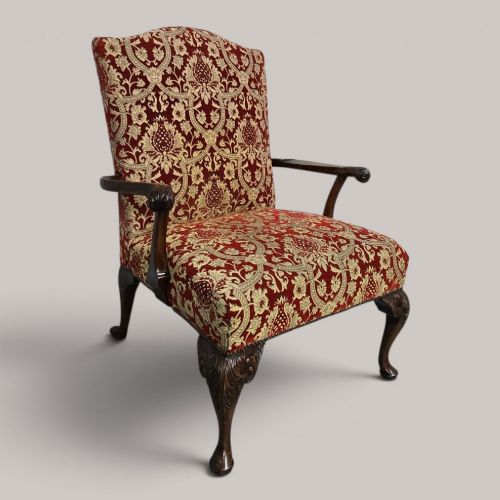
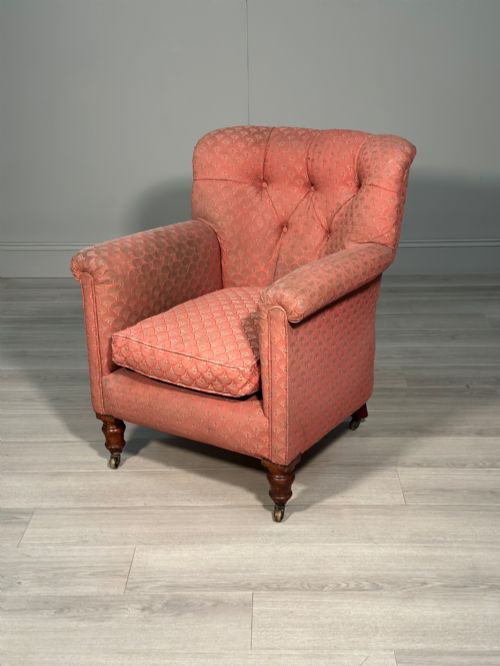
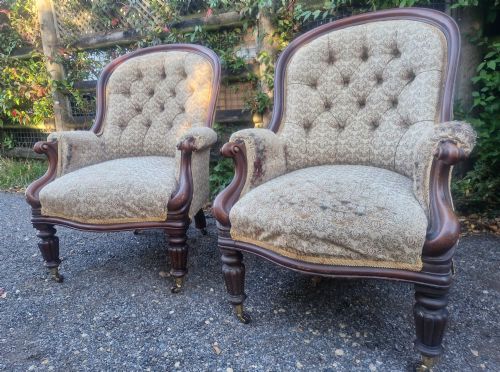
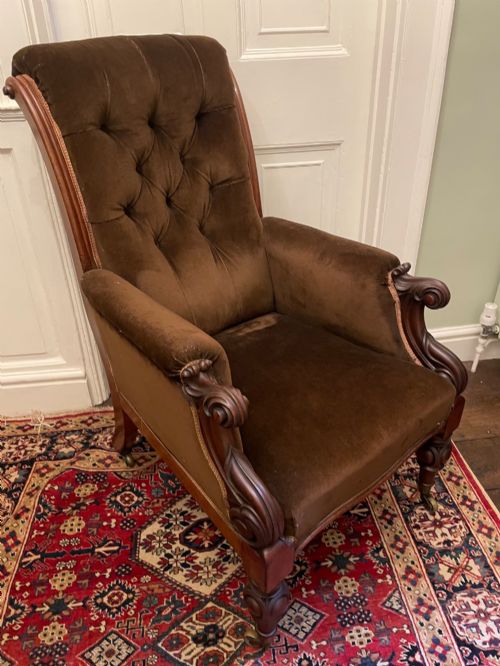
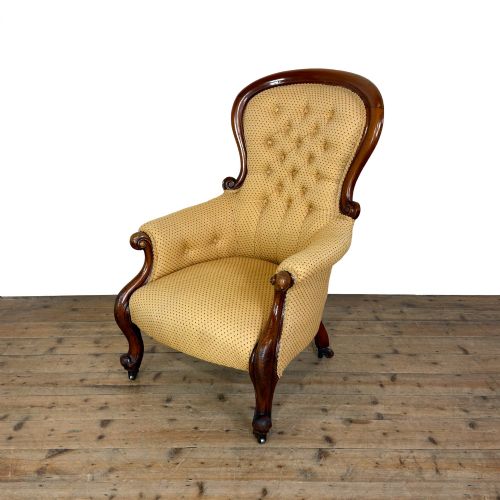
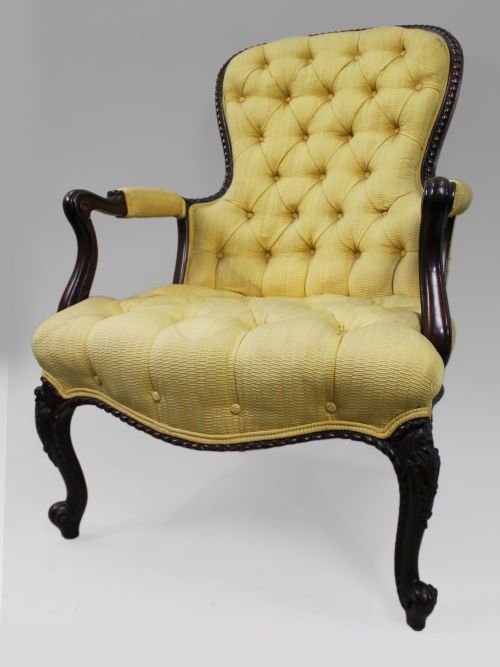
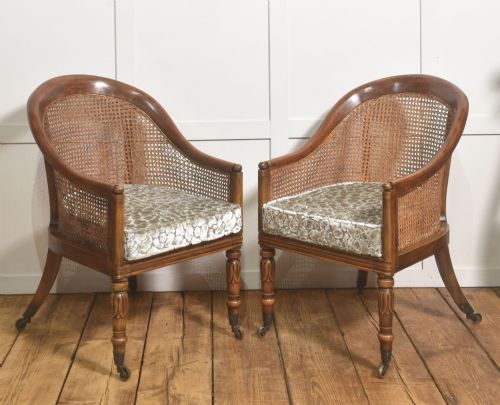
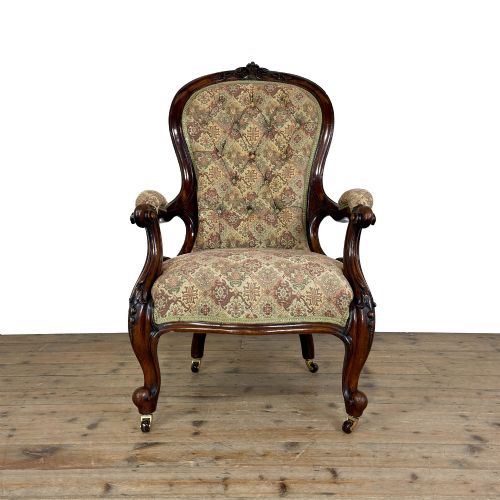
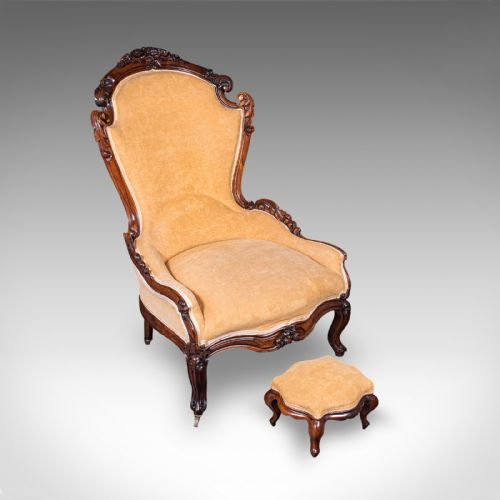
A carved mahogany reading armchair combines solid timber frames with upholstered seats and backs designed for long hours of study or repose. These pieces appear frequently in Victorian, Regency, and Georgian iterations across this selection.
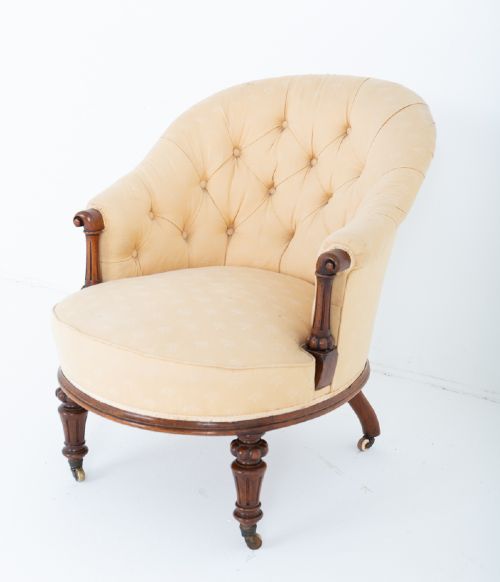
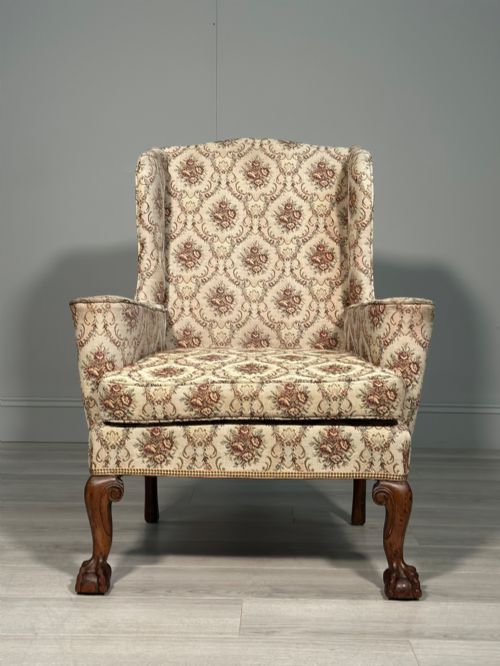
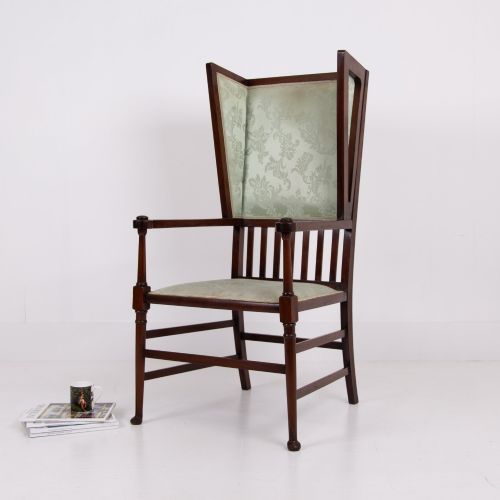
Buyers will encounter library chairs, tub chairs, and Gainsborough forms alongside wing back and desk variants. Mahogany provides the primary structural timber, often shaped with carved details or plain panel arms.
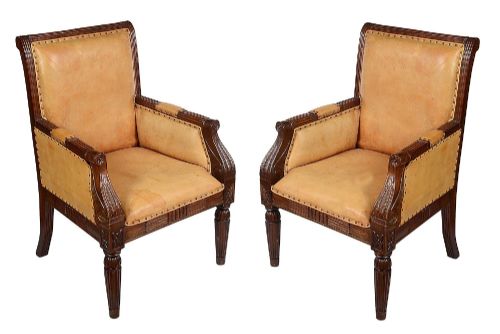
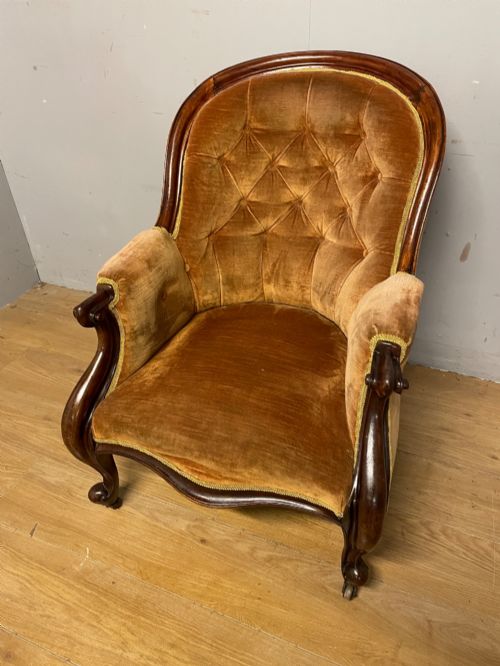
The materials span original leather, buttoned velvet, and modern calico upholstery over traditional horsehair or spring interiors. Most examples date from the nineteenth century, with select eighteenth-century and Edwardian pieces included.
Construction and materials
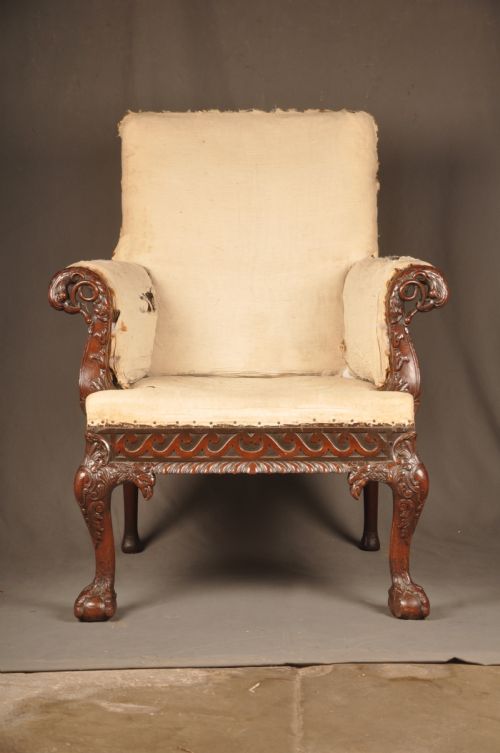
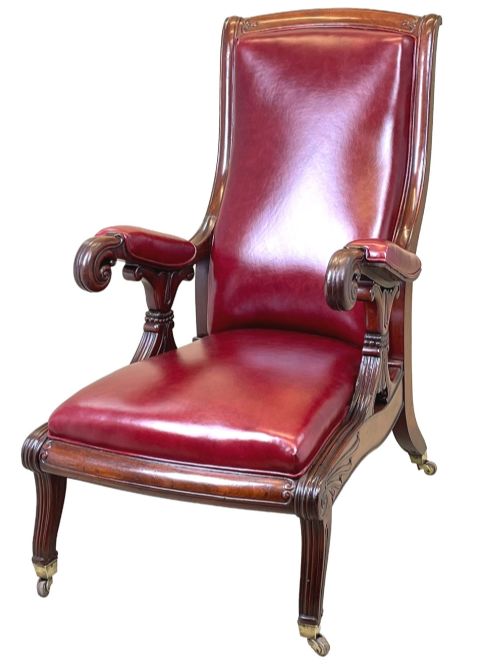
Makers shaped dense solid mahogany into curved frames, reeded legs, and spindle backs using traditional joinery. Carving appears on arms and rails, ranging from simple blind fretwork to deep relief.
Upholstery techniques involve webbing, springs, and stuffing covered in leather, damask, or textile. Brass castors frequently finish the feet to allow movement across library floors.
Carved Mahogany Reading Armchair Retail Price Guide 2026
Typical asking prices for carved mahogany reading armchair among the pieces listed under this phrase on Sellingantiques today, from the lower quarter to the upper quarter. They describe what is for sale here now, not the wider market.
Listings feature mahogany frames combined with leather, velvet, and damask across Georgian, Victorian, and Edwardian periods.
Judging construction and condition
The depth of timber carving and the crispness of the moulded edges distinguish standard production from finer cabinet work. Heavier timber frames with integrated structural shaping hold their rigidity better over decades of use.
Upholstery methods and the choice of surface hide or woven damask dictate the tactile appeal of the seat. Original leather patination carries greater visual weight than modern replacement coverings.
Gillows·Howard And Sons
The Carved Mahogany Reading Armchair Glossary
- Gainsborough chair
- A wide upholstered armchair with an open-framed mahogany structure, designed for writing desks or reading in the eighteenth century. These typically feature straight or slightly moulded legs.
- Tub chair
- An armchair with a continuous curved back and arms forming a rounded enclosure. This shape offers enclosed support for the reader.
- Library chair
- A heavy armchair built for domestic studies, frequently upholstered in leather or velvet. These pieces prioritise robust timber frames and padded armrests.
- Reeded legs
- Timber supports carved with parallel convex mouldings resembling clustered reeds. This decorative turning appears frequently on Regency and William IV furniture.
- Blind fretwork
- Low-relief carved ornamentation applied to flat surfaces to mimic pierced fretwork. Georgian cabinet makers used this technique to decorate chair rails.
Carved Mahogany Reading Armchair: Frequently Asked Questions
What defines a library armchair?
A library armchair relies on a sturdy mahogany frame and durable leather or velvet upholstery built for prolonged sitting. These chairs provide substantial armrests and supportive backs suited to reading spaces.
Makers often added brass castors to these heavy seats for ease of movement across carpeted or wooden library floors.
How do I identify a Regency reading chair?
Regency reading chairs typically display classical restraint through reeded legs, curved tub backs, and dark mahogany timber. These forms reflect early nineteenth-century design influences.
Subtle carved details on the frame replace the heavier ornamentation found in earlier Georgian or later Victorian pieces.
Where should I place a wing back chair?
Wing back chairs function effectively beside fireplaces or reading desks where their upholstered side panels block draughts. Their tall backs create a defined seating niche.
Pairing these armchairs with a matching stool or low table establishes a functional corner for quiet study.