
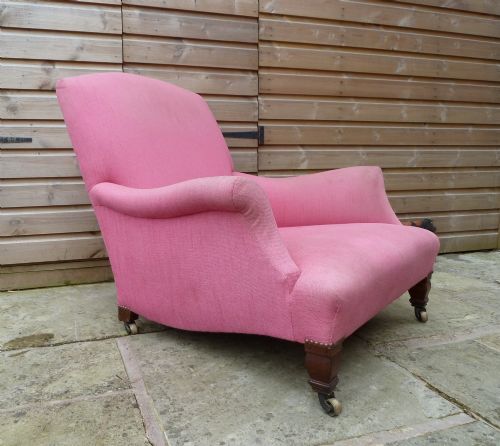

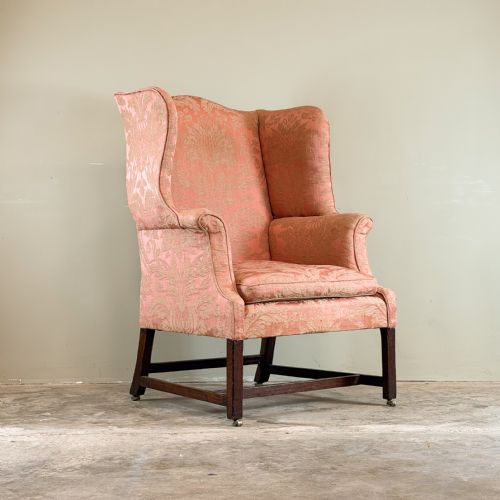
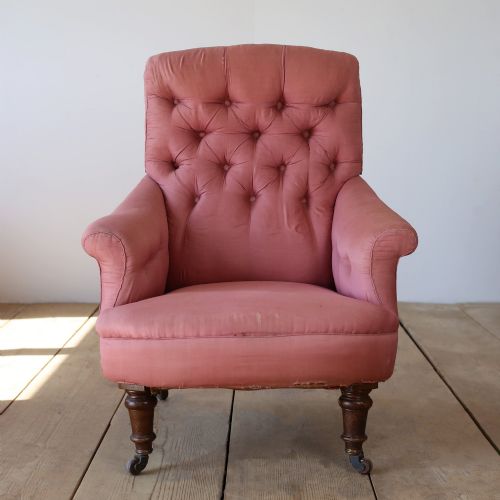
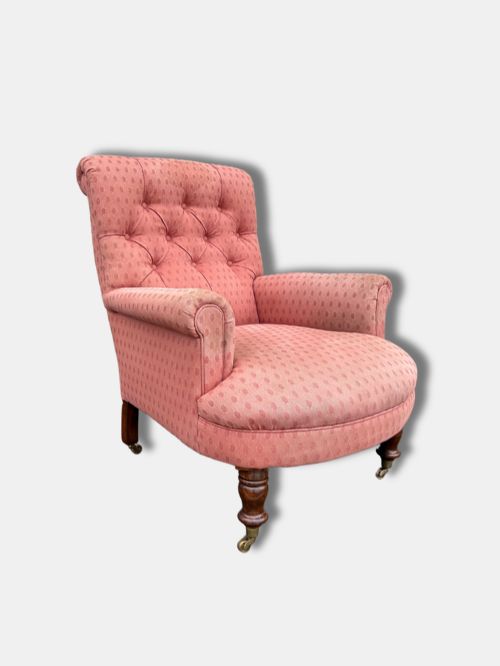
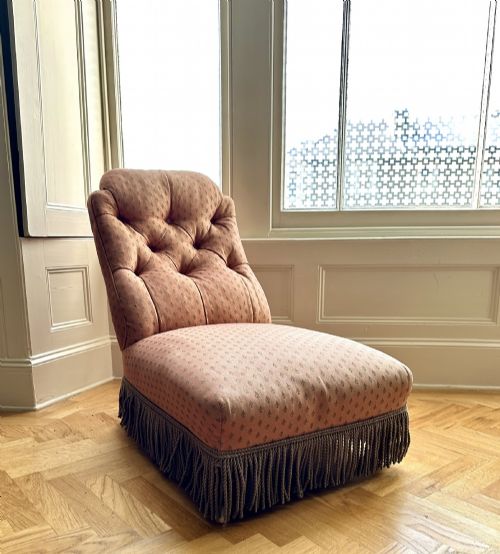


Pink Lounge Chair
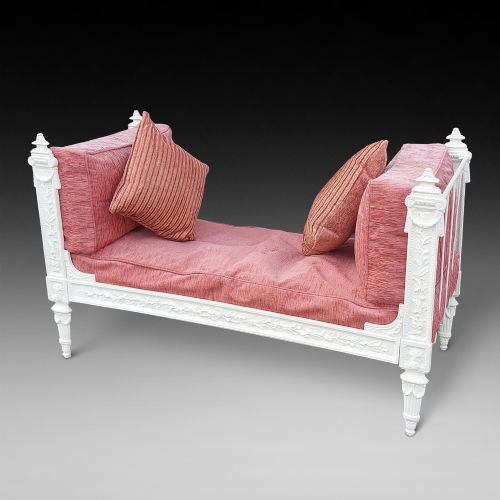
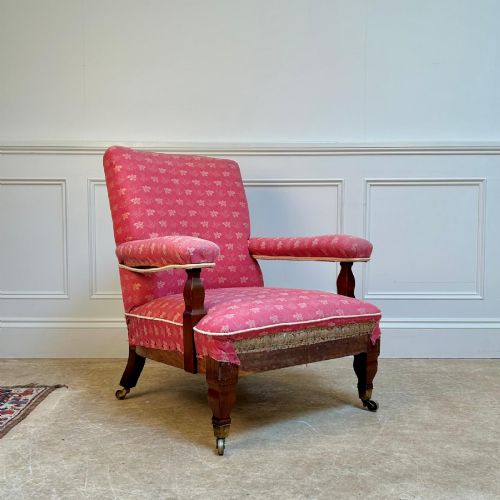
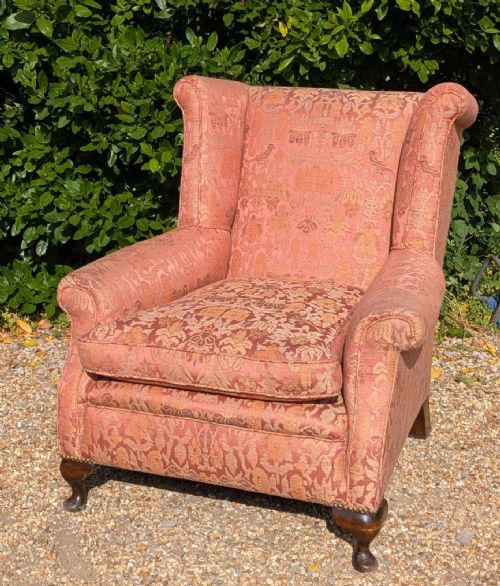
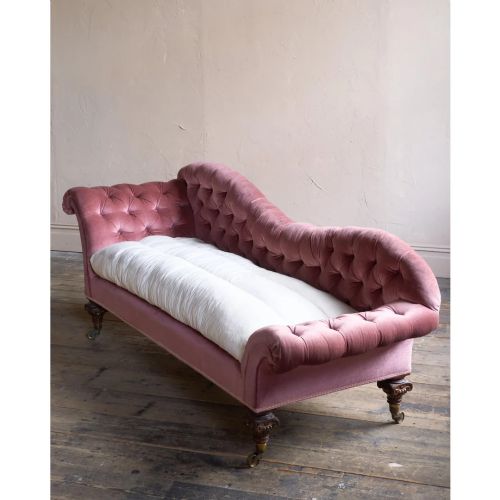
These pink lounge chair selections encompass Victorian and Edwardian armchairs, daybeds and chaise longues upholstered in velvet and damask.
Pink Lounge Chair
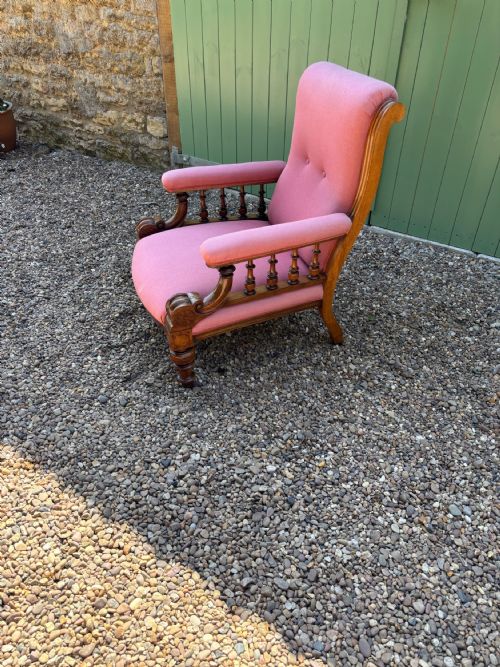
A pink lounge chair search draws together upholstered seating designed for relaxation, including nineteenth-century button-back armchairs, slipper chairs and daybeds.
Buyers frequently encounter Victorian and Edwardian examples alongside English Country House styles, often featuring exposed wooden frames in walnut, mahogany or hardwood.
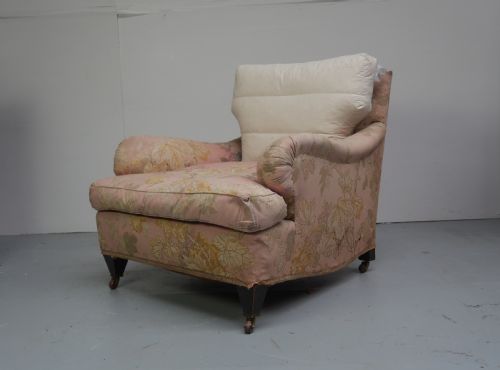
The selection spans intimate bedroom chairs and deep-seated drawing-room armchairs, reflecting the diverse domestic seating arrangements of the nineteenth and early twentieth centuries.
Materials and Construction
Frames rely on sturdy timbers such as mahogany, walnut, teak and general hardwood, sometimes augmented by cast iron for daybeds and reclining mechanisms.
Upholstery relies on traditional textiles including velvet, damask and fabric, often finished with button backs and fringe detailing over feather fillings or supportive springs.
The listings span periods from the eighteenth century through the Victorian and Edwardian eras, utilising velvet, damask, brass, mahogany and walnut.
Distinguishing Quality in Seating
The distinction between standard commercial seating and finer productions lies in the integrity of the timber frame, whether carved walnut or polished mahogany, and the sophistication of the upholstery work.
Attribution to notable workshops or makers elevates a piece, as seen in pieces associated with Howard and Sons, Holland and Sons, or Morris and Co.
Proportion and comfort define the upper tier, where deep springing, feather fillings and harmonious proportions satisfy both aesthetic and functional demands.
Howard and Sons·Holland and Sons·George Jack For Morris And Co
The Pink Lounge Chair Glossary
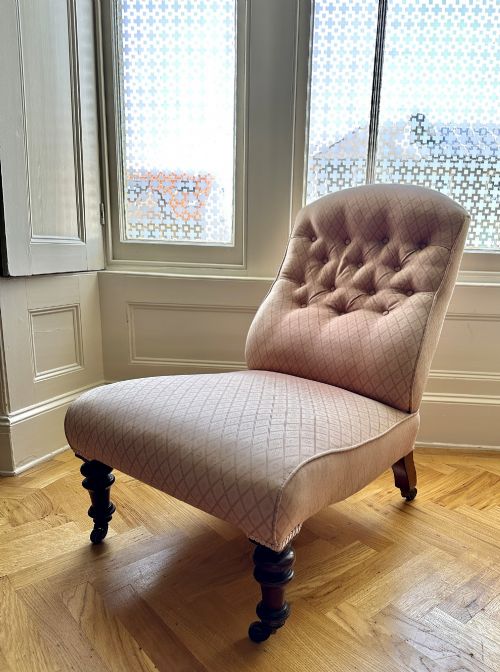
- Slipper chair
- A low-seated upholstered chair originally designed for bedrooms, allowing ladies to dress with ease.
- Chaise longue
- An upholstered sofa in the form of a chair with a long seat to support the legs.
- Button back
- A traditional upholstery technique where buttons are pulled deep into the padding to create a geometric tufted pattern.
- Bergere
- A closed-arm upholstered armchair with an exposed wooden frame, originating in France.
- Damask
- A reversible figured fabric woven on a jacquard loom, frequently utilised for historic upholstery.
Pink Lounge Chair: Frequently Asked Questions
What defines a Victorian armchair?
Victorian armchairs are characterised by robust wooden frames, often in walnut or mahogany, combined with deep upholstery and sprung seating. They frequently display button backing and turned legs.
These pieces reflect the Victorian preference for comfort and solid domestic craftsmanship, evolving through various revival styles during the nineteenth century.
How do I identify an Edwardian chair?
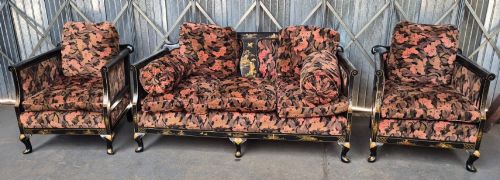
Edwardian seating generally lighter in proportion than Victorian furniture, incorporating styles such as Sheraton revivals and Chinoiserie frames. Woods like satinwood and teak appear alongside mahogany.
They represent a shift toward airier drawing-room aesthetics while maintaining traditional joinery and comfortable upholstered pads.
Where were chaise longues used?
Chaise longues served primarily in drawing rooms, libraries and private boudoirs as resting places for daytime relaxation. Their extended seat design accommodated reclining without requiring a full bed.
They often matched the primary upholstery of a room suite or stood as statement pieces with carved wooden columns and exposed frames.
What is a slipper chair?
Slipper chairs are low-profile upholstered armchairs designed without arms to facilitate sitting and dressing in nineteenth-century bedrooms. Their compact stature made them easily movable.
They frequently feature decorative fringe trim and button-tufted upholstery, pairing practical utility with elegant Victorian design.