





Traditional Padded Arm Chair
A traditional padded arm chair brings solid comfort and period character to a room, offering deep seats and upholstered support rooted in centuries of craftsmanship.
Traditional Padded Arm Chair
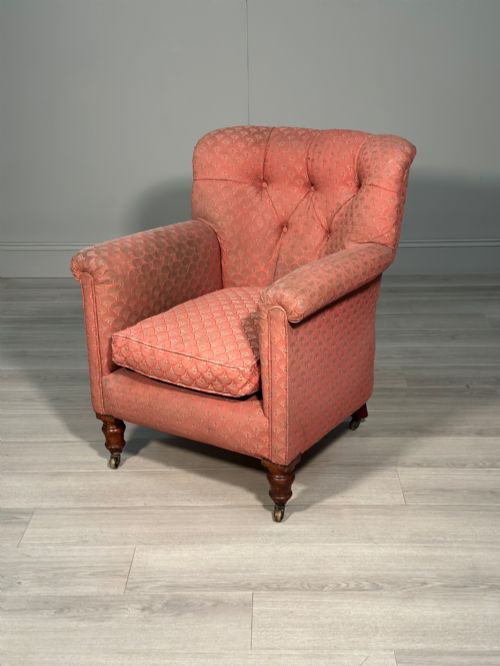
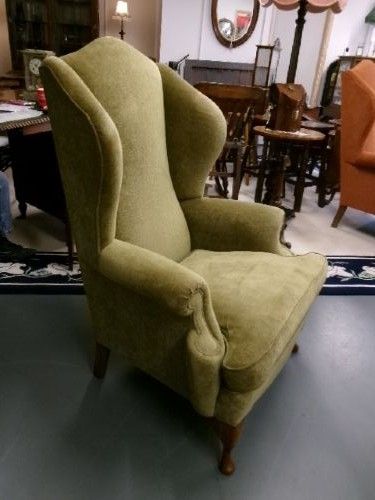
A traditional padded arm chair encompasses a wide variety of seating forms designed for comfort and utility across the eighteenth, nineteenth, and early twentieth centuries. Buyers searching this phrase encounter wingbacks, library chairs, desk chairs, and low fireside seats originating from periods such as the Georgian, Victorian, and Edwardian eras.
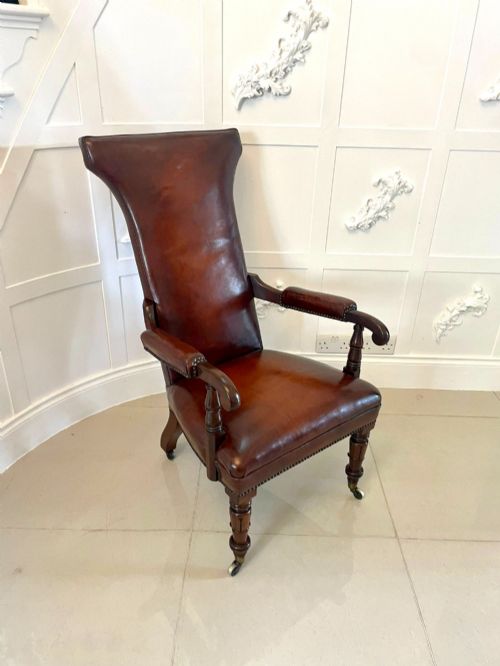
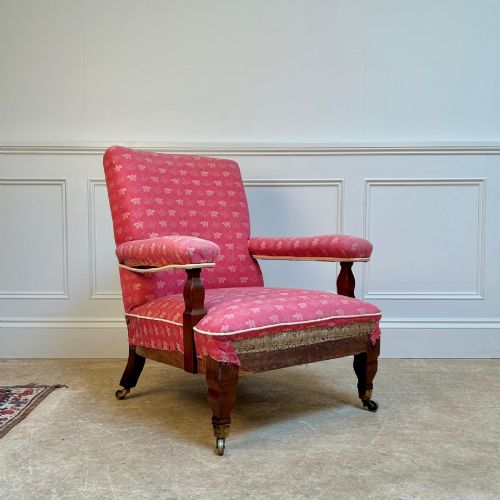
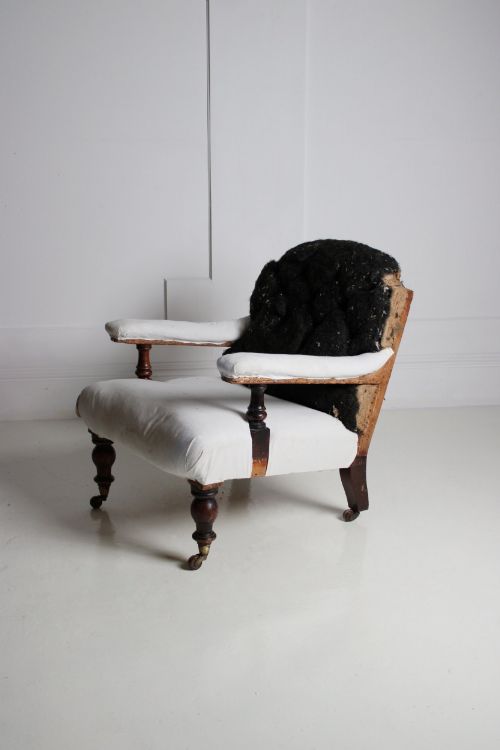
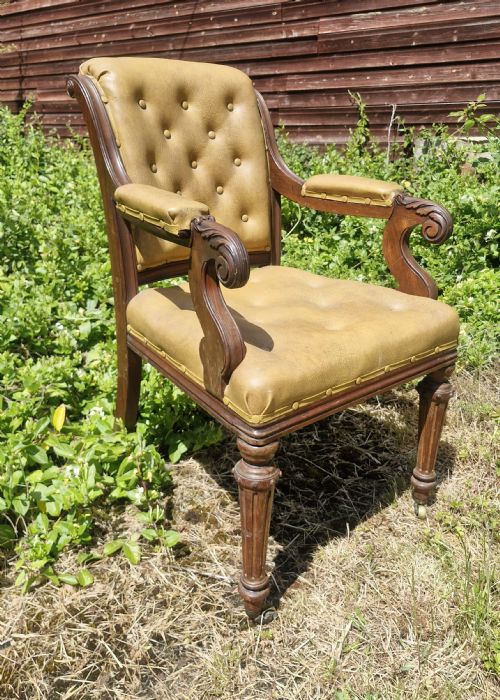
The most common examples on this page are nineteenth century armchairs featuring mahogany show frames, leather upholstery, or button back padding. These pieces range from country house seating to formal library armchairs with cabriole legs or brass castors.
Makers and workshops varied greatly, producing everything from simple yew wood Windsor chairs to sophisticated library seating associated with firms like Howard and Sons or Morris and Co.
Materials and construction
Carpenters and cabinet makers built the frames of a traditional padded arm chair using hardwoods such as mahogany, walnut, oak, and yew wood, often shaping the timber into show frames, cabriole legs, or vase splat backs. Joinery relied on traditional framing techniques to support the heavy loads placed on library and desk chairs.
Upholstery involved layering padding beneath durable coverings of leather, velvet, or woven fabric, secured frequently with brass studding or button backing. Bergère panels of woven cane also appeared on specific models from the nineteenth century.
Traditional Padded Arm Chair Retail Price Guide 2026
Typical asking prices for traditional padded arm chair among the pieces listed under this phrase on Sellingantiques today, from the lower quarter to the upper quarter. They describe what is for sale here now, not the wider market.
Listings span the Georgian, Victorian, and Edwardian periods, utilising mahogany, walnut, oak, leather, and velvet.
What separates the tiers
The distinction between standard and exceptional examples rests upon the architectural integrity of the wooden frame and the sophistication of its carving. Pieces featuring sculpted mahogany arms, detailed cabriole legs, or unusual structural configurations demonstrate superior cabinet making.
Provenance and workshop attribution elevate certain pieces significantly, particularly those bearing maker marks from established nineteenth century firms. The choice of primary timber, from plain oak to figured walnut and dense mahogany, dictates the visual weight and finish of the chair.
Morris and Co·Howard and Sons
The Traditional Padded Arm Chair Glossary
- Show frame
- A wooden structural frame left partially visible around the upholstered padding of an armchair. This timber border defines the outline of nineteenth century designs.
- Cabriole leg
- A furniture leg that curves outward at the knee and tapers inward toward the foot, often ending in a pad or ball and claw. It draws inspiration from animal forms popular in Georgian and Victorian seating.
- Bergère
- An enclosed upholstered armchair with a wooden frame and cane lattice work sides or back. These French-inspired seats date across the eighteenth and nineteenth centuries.
- Vase splat
- A central vertical wooden strip shaped like a classical vase within the backrest of a chair. This component provides lumbar support in wooden carver and desk chairs.
Traditional Padded Arm Chair: Frequently Asked Questions
How do I identify a Victorian armchair?
Victorian armchairs frequently feature dense mahogany or walnut frames combined with deep button back upholstery and turned or cabriole legs. These pieces often incorporate brass castors and heavier padding than their Georgian predecessors.
Look closely at the joinery and timber finish to distinguish mid-nineteenth century production from later revival styles.
What is a library chair used for?
Library chairs were designed for reading and writing in private studies, featuring supportive armrests and durable leather upholstery meant for daily use. They often double as desk chairs or fireside seating due to their generous proportions.
Many examples include open wooden frames or padded arms to maximise comfort during extended sitting.
How do Georgian and Edwardian chairs differ?
Georgian chairs emphasise refined mahogany frames, graceful wingbacks, and understated upholstery influenced by classical proportions. Edwardian pieces often revive earlier styles while introducing lighter timbers and varied fabric choices.
Comparing the weight of the timber and the style of the legs helps separate the two periods.
Are desk chairs different from standard armchairs?
Desk chairs are typically built with lower profiles, sturdy wooden frames, and sometimes swivel or pedestal bases to fit beneath writing tables. They prioritize functional seating posture over deep lounge padding.
Many incorporate leather seats and open mahogany arms suited to office environments.