
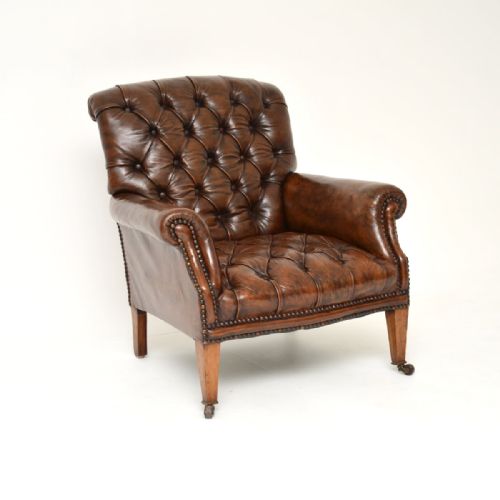
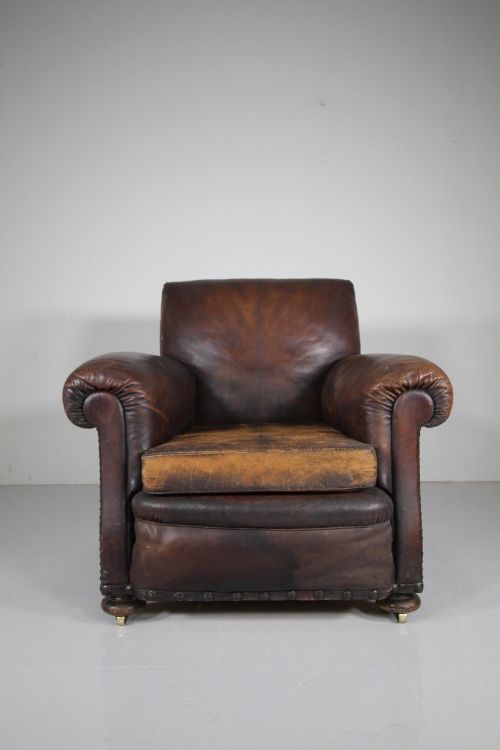


Vintage Brass Castor Armchair
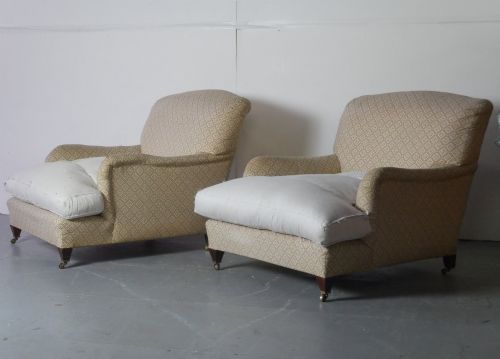
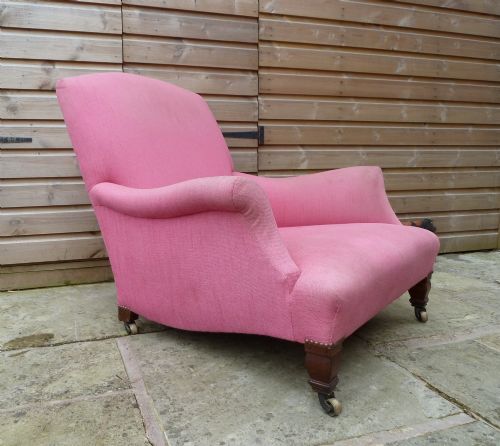
A vintage brass castor armchair brings solid nineteenth-century comfort and mobility to a room, resting on small metal wheels designed to protect the floor.
Vintage Brass Castor Armchair
A vintage brass castor armchair is defined by a sturdy timber frame elevated on small metal wheels, allowing the seat to move easily across carpets and floorboards. These comfortable upholstered seats appear across several distinct historical periods, spanning from early nineteenth-century Regency library chairs to later Edwardian and 1930s club styles.
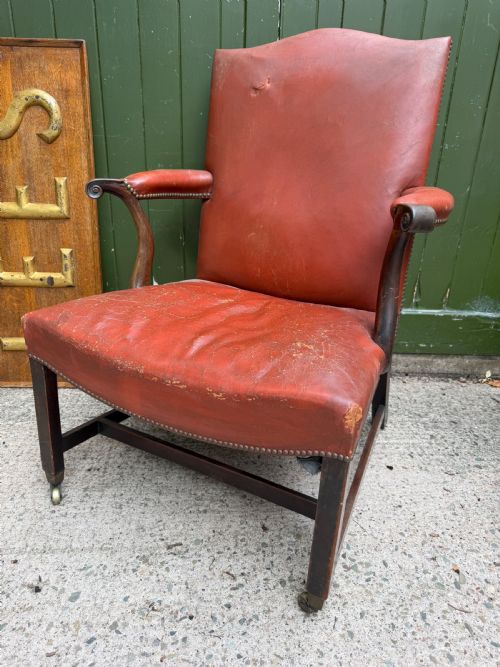
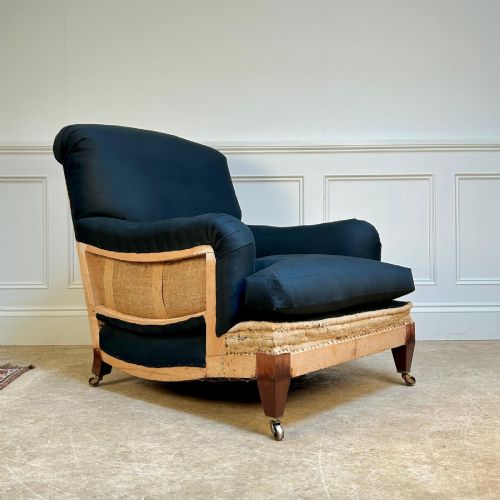
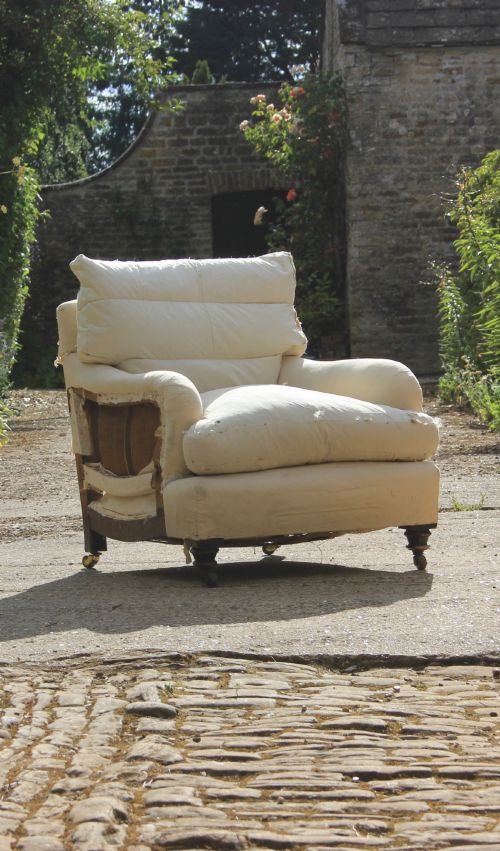
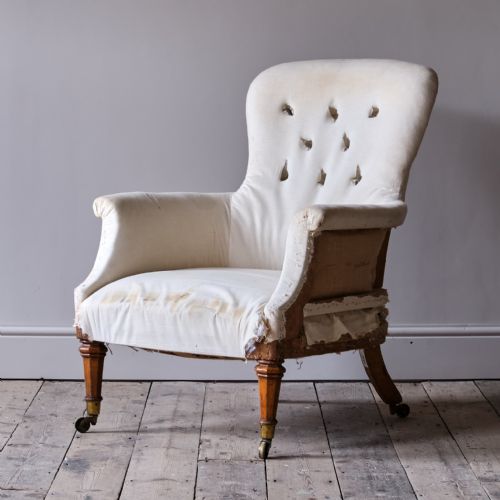
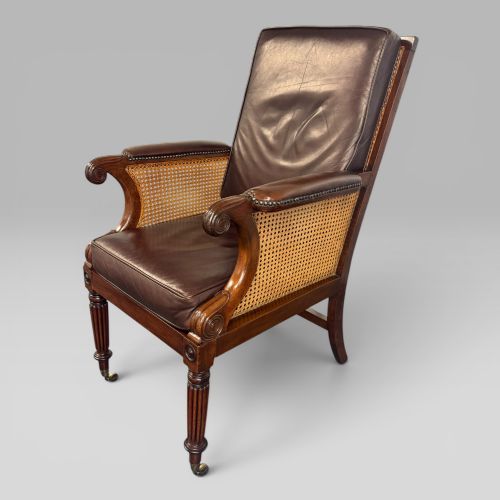
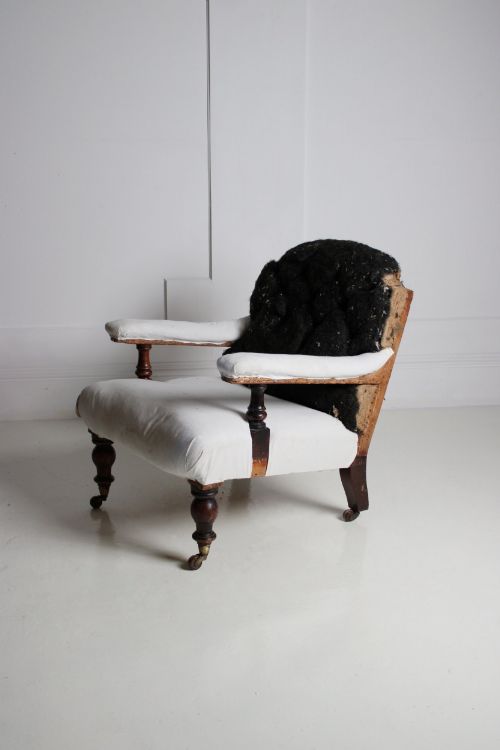
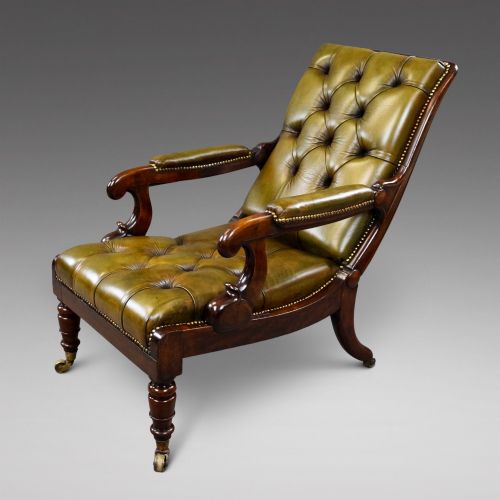
Buyers browsing this selection will encounter various forms, including low library chairs, deep club chairs, and open armchairs with exposed mahogany or walnut show frames. Many examples display traditional upholstery such as red leather, velvet, calico, or printed kilim fabric.
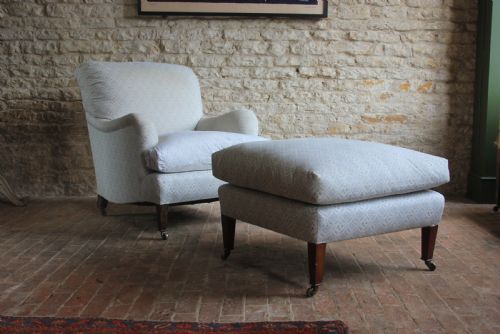
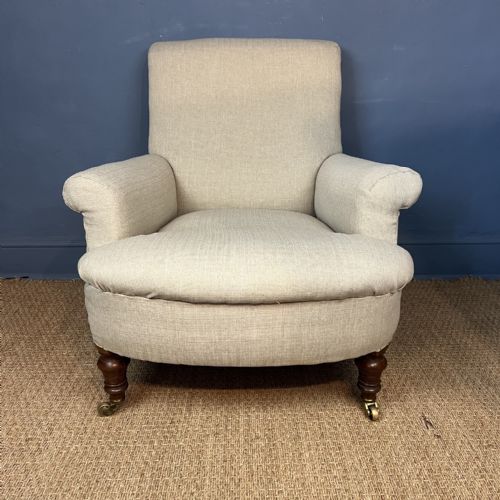
Originating largely from British workshops and country houses, these chairs combine functional mobility with traditional craftsmanship. The small metal wheels fitted to the base of each leg remain a defining characteristic, often paired with turned wooden supports or brass caps.
Materials and construction methods
Frames are constructed primarily from dense hardwoods like mahogany, walnut, and polished oak, providing the robust internal structure necessary to support heavy upholstery and daily use. These wooden skeletons are often shaped with turned legs, carved arms, or exposed show frames.
Brass fittings form the crucial functional detail at the base of the legs, securing small rolling castors that allow the heavy seat to glide across the floor. Metal components are cast and polished, attaching directly to the timber foot.
Upholstery materials range from supple leather and rich velvet to patterned kilim and simple calico, stretched over traditional stuffing materials and secured with buttoning or tightly pulled seams.
Some chairs hid iron backs or rolled on tiny brass spheres so discreetly that the entire room seemed to glide.
Assessing quality in seating
The distinction between standard examples and superior pieces rests on the weight of the timber frame, the crispness of any carved detailing, and the integrity of the joinery. Heavier hardwoods and robust internal framing ensure the chair maintains its structural stability over generations.
The execution of the brass castor mechanism also marks a difference in grade, with finer pieces utilising solid, well-cast metal wheels that turn smoothly within their sockets. The quality of the original leather or textile upholstery and the retention of maker markings further elevate an individual piece.
Whytock & Reid·Howard And Sons·Miles & Edward
The Vintage Brass Castor Armchair Glossary
- Castor
- A small wheel mounted on a swivel at the base of a furniture leg to facilitate movement. These are frequently cast from brass on nineteenth-century seating.
- Bergère
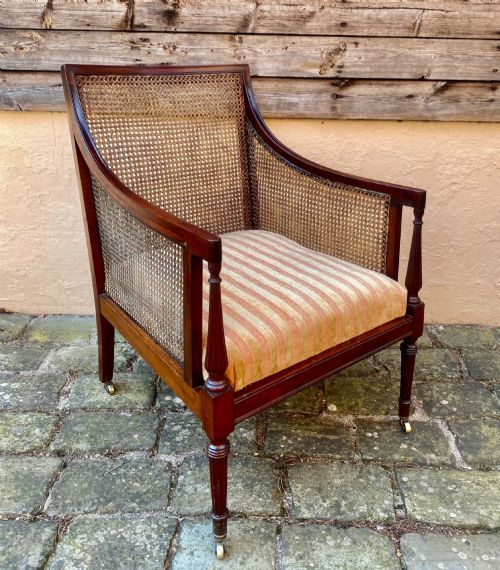
- An enclosed upholstered armchair with wooden sides filled with cane or upholstery. This French-inspired form appears frequently in Regency and Edwardian designs.
- Show frame
- A wooden structural skeleton left partially exposed around the upholstered elements of an armchair. Mahogany and walnut are typical timbers used for this purpose.
- Library chair
- A substantial, comfortable armchair designed for reading rooms and studies. These often feature low backs and upholstered arms suited to long periods of sitting.
- Club armchair
- A deep, low-slung upholstered seat built for maximum comfort. Examples from prominent makers often feature heavy horsehair stuffing and durable leather or fabric covers.
Vintage Brass Castor Armchair: Frequently Asked Questions
How do I identify a Regency armchair?
Regency armchairs typically display classical lines, sabre legs or turned supports, and often incorporate mahogany with brass accents. Look for refined proportions and restrained classical detailing characteristic of the early nineteenth century.
Many examples also feature cane panels or scrolled arms that reflect the influence of ancient Greek and Roman design adapted for British interiors.
What is a club armchair?
A club armchair is a deep, generously proportioned seat built for heavy everyday use and deep comfort. They usually feature low backs and wide arms upholstered in thick leather, velvet, or woven fabrics.
These pieces often date from the late nineteenth or early twentieth century and were standard furnishings in country houses and gentlemen's clubs.
Are brass castors original?
Brass castors on nineteenth-century chairs are frequently original if they show matching wear, patina, and construction methods consistent with the rest of the frame. Replacement castors are common due to the wear placed on moving metal parts over time.
Examining the screw fixings and the impression left in the wood can help determine whether the wheels belong to the period of manufacture.
How do I care for leather upholstery?
Leather upholstery on vintage chairs benefits from occasional conditioning with specialist leather balms to prevent the hide from drying and cracking. Keeping the leather away from direct heat sources and strong sunlight preserves its natural suppleness.
Regular dusting with a soft, dry cloth prevents dirt from accumulating in the button tufts and folds of the leather.