

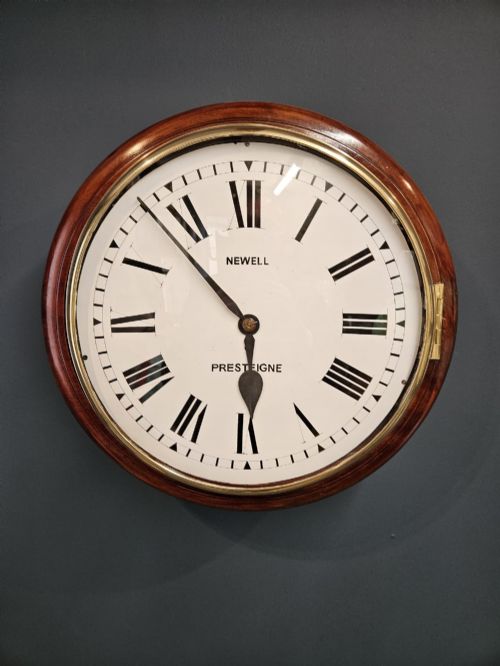
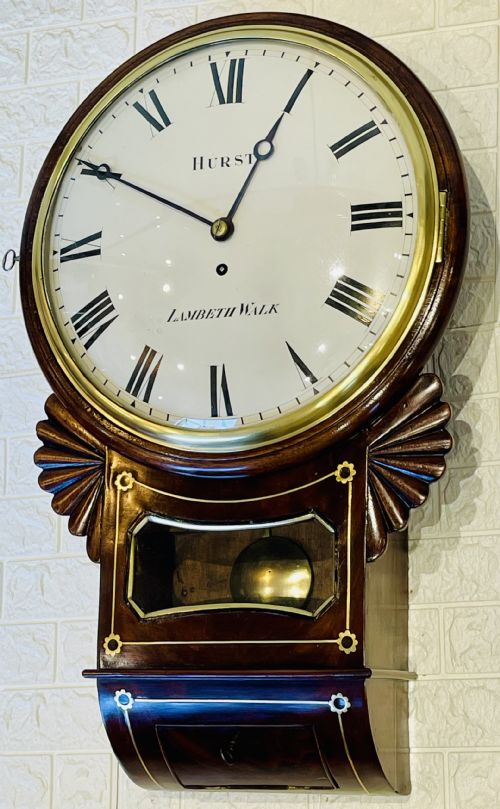


Carved Mahogany Pendulum Clock
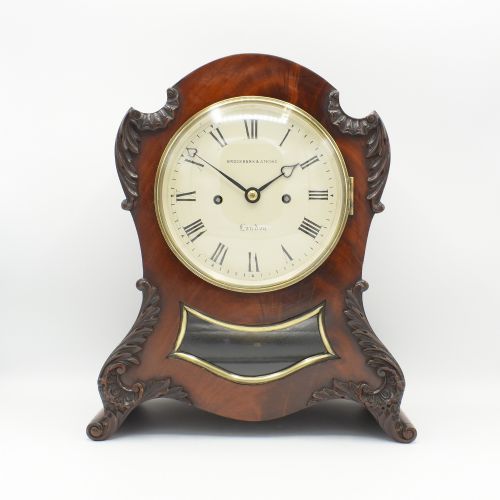
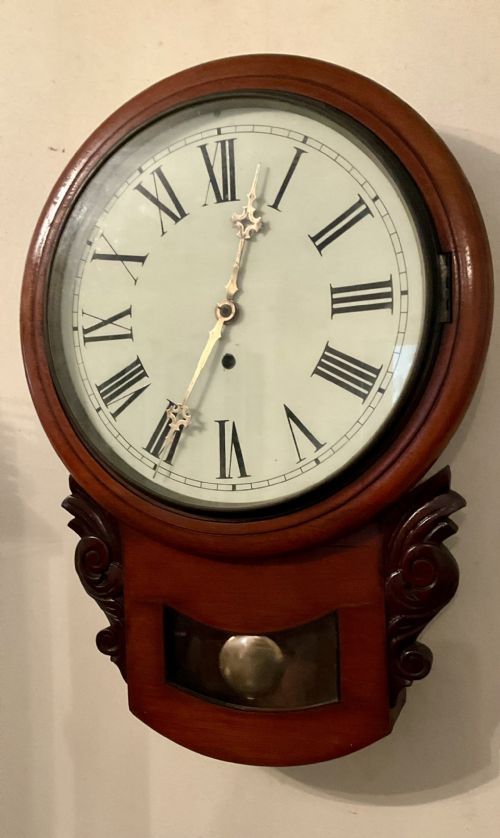
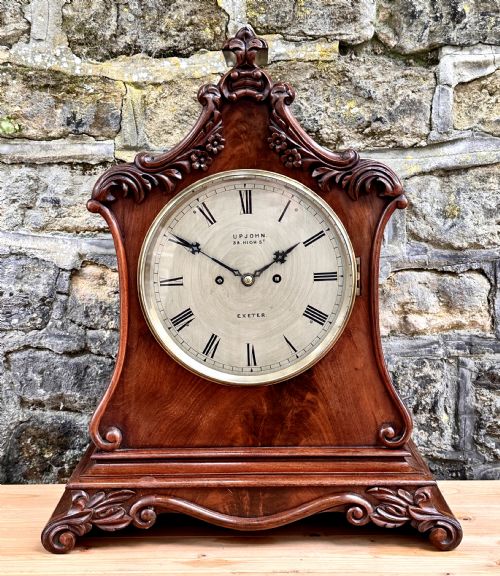
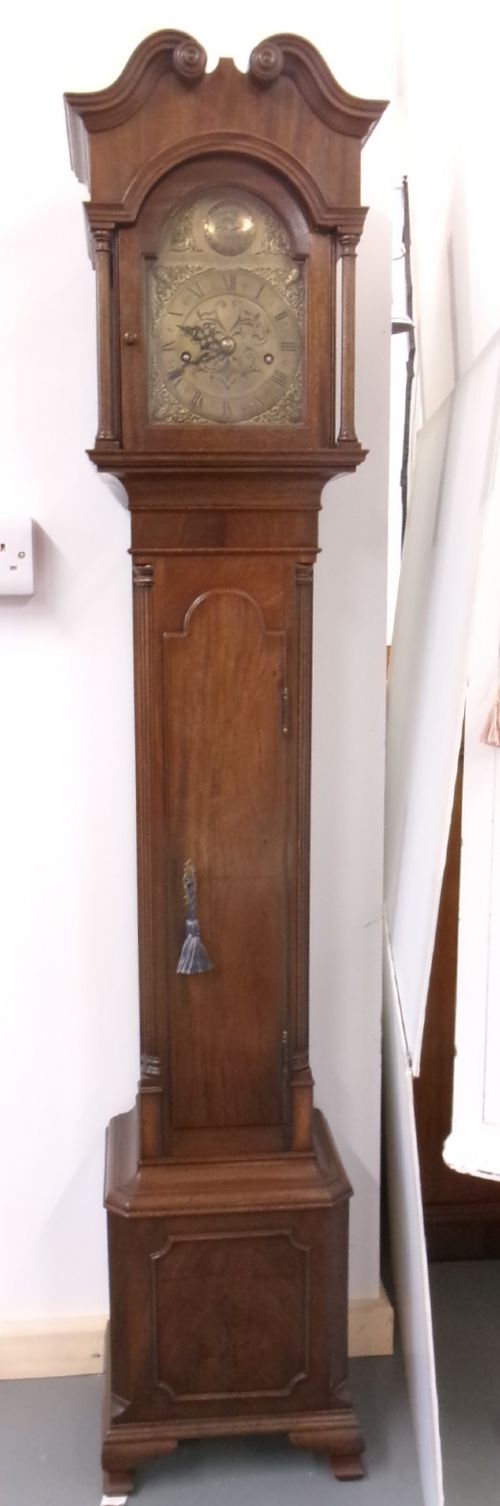
These carved mahogany pendulum clock examples span wall-mounted drop dials, grandfathers and table brackets.
Carved Mahogany Pendulum Clock
A carved mahogany pendulum clock brings together dense tropical timber cases and precision mechanical movements spanning several centuries. The selection encompasses tall longcase floor models alongside compact wall-hung drop dial timepieces.
Victorian drop dial variations and Georgian longcase pieces dominate the offerings, built to regulate domestic and public spaces alike. Smaller bracket clocks and mantel designs also appear, providing options suited to various room proportions.
Origin points range from London workshops to regional English, Scottish and Welsh makers, reflecting diverse local cabinet-making traditions. These horological objects combine architectural timber framing with brass dials, enamel faces and swinging pendulums.
Distinctions in execution and scale
Superior examples demonstrate meticulous timber selection with consistent grain patterns, alongside restrained hand-carving that enhances the architectural form rather than crowding it. Movement plates show crisp finishing, clean pinions and signed dial plates identifying the horologist.
Proportion and cabinet integrity dictate the hierarchy, where secondary timbers match primary surfaces and movements retain their original components without heavy replacement. Simpler regional wall clocks contrast with elaborate musical longcase clocks housing complex quarter-chiming gear trains.
Listings feature mahogany, oak, brass, glass, enamel and mother-of-pearl across Georgian, Regency, Victorian and Edwardian periods.
Brockbanks and Atkins·Chave Taunton·Joseph Mansfield·Mappin and Webb·Geo Carter Hackney·R Roberts of London·Gustav Becker
The Carved Mahogany Pendulum Clock Glossary
- Fusee
- A conical pulley connected to the mainspring by a cord or chain, designed to equalise the torque as the spring unwinds. This mechanism ensures consistent power delivery to the pendulum.
- Drop dial
- A wall clock featuring a circular dial mounted above an extended wooden box that houses the swinging pendulum. The lower trunk often includes a glazed inspection door.
- Longcase clock
- A tall freestanding weight-driven timekeeper enclosed in a wooden case, commonly known as a grandfather or grandmother clock. The tall trunk protects the suspended weights and pendulum.
- Bracket clock
- A portable table or shelf clock originally designed to sit upon a wall bracket. Many Victorian iterations feature elaborate mahogany architectural cases with brass carrying handles.
- Enamel dial
- A metal face coated with fused glass powder to create a smooth, white background for painted numerals. These surfaces resist tarnishing and provide high legibility.
Carved Mahogany Pendulum Clock: Frequently Asked Questions
How do fusee movements work?
A fusee movement uses a conical pulley and a fine chain to regulate the pulling power of the mainspring. As the spring loses tension, the chain rides higher on the cone to maintain even force.
This clever geometric adjustment ensures the pendulum receives consistent energy throughout the running cycle, improving timekeeping accuracy.
Where should a longcase clock be placed?
Longcase pieces require a stable, level floor against a solid interior wall to maintain proper beat symmetry. Placing them away from direct sunlight and damp exterior walls protects the mahogany cabinet.
Securing the upper trunk to the wall prevents accidental tipping while ensuring the pendulum swings without hitting the case sides.
What distinguishes a grandmother clock?
Grandmother clocks are smaller, more slender versions of traditional longcase grandfather clocks, typically emerging from the Edwardian era onwards. Their reduced height allows them to fit modern ceiling heights and smaller rooms.
Despite their diminutive stature, they frequently house quality mechanical movements and pendulum drives comparable to their larger predecessors.