
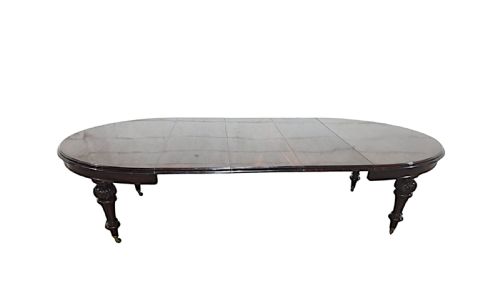
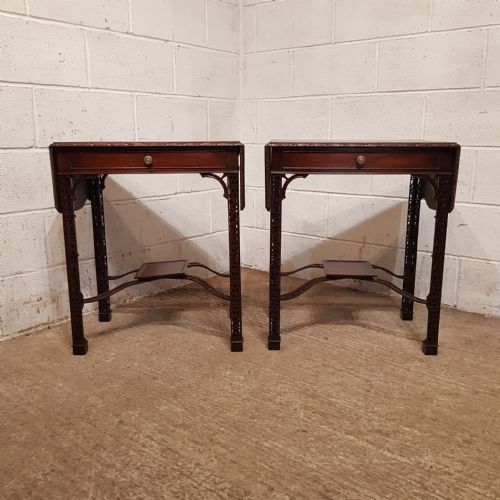
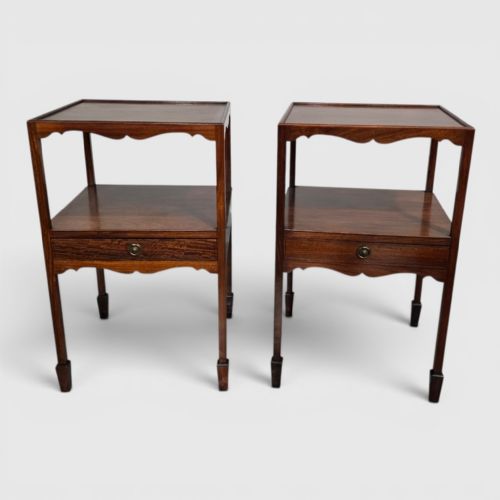
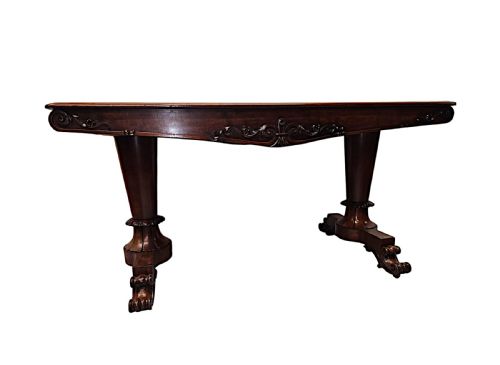
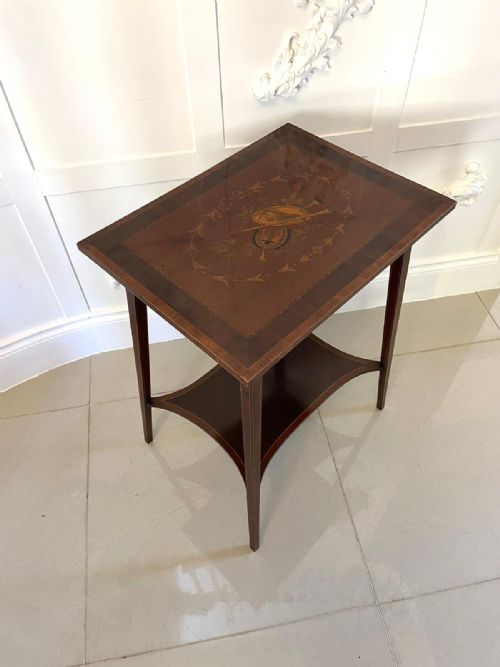
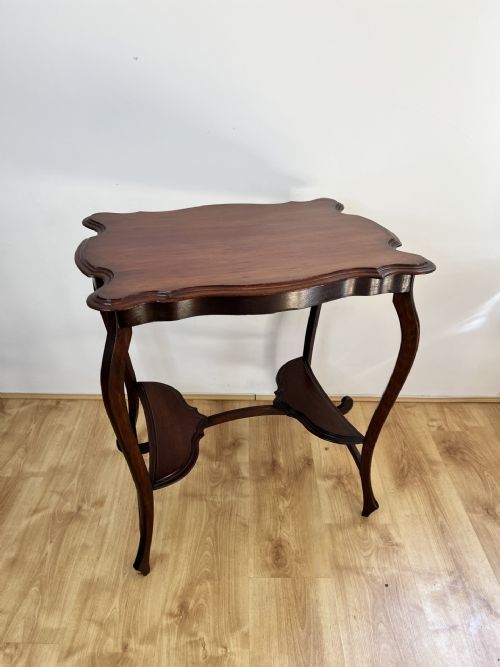
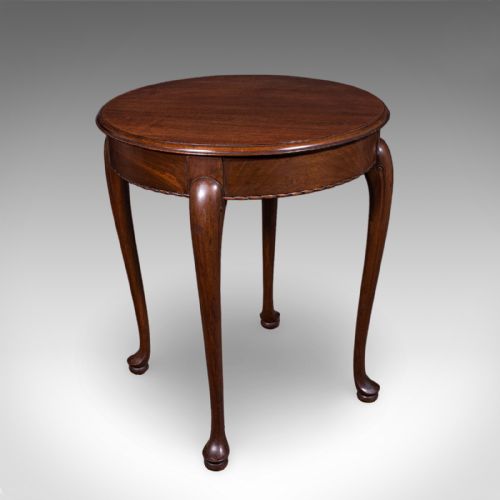


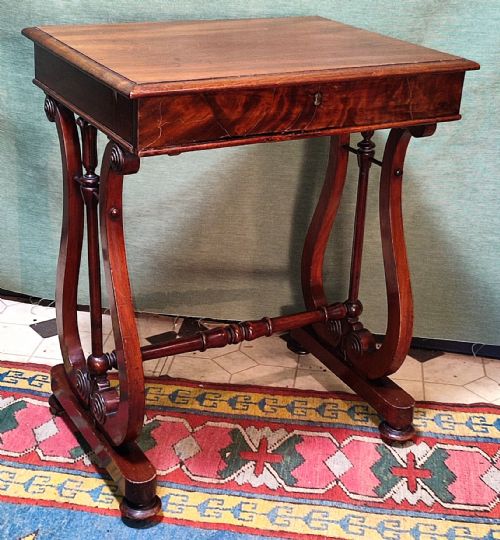

Carved Mahogany End Table
When you search for a carved mahogany end table, you are looking at small-scale occasional furniture designed to sit beside seating or in corners.
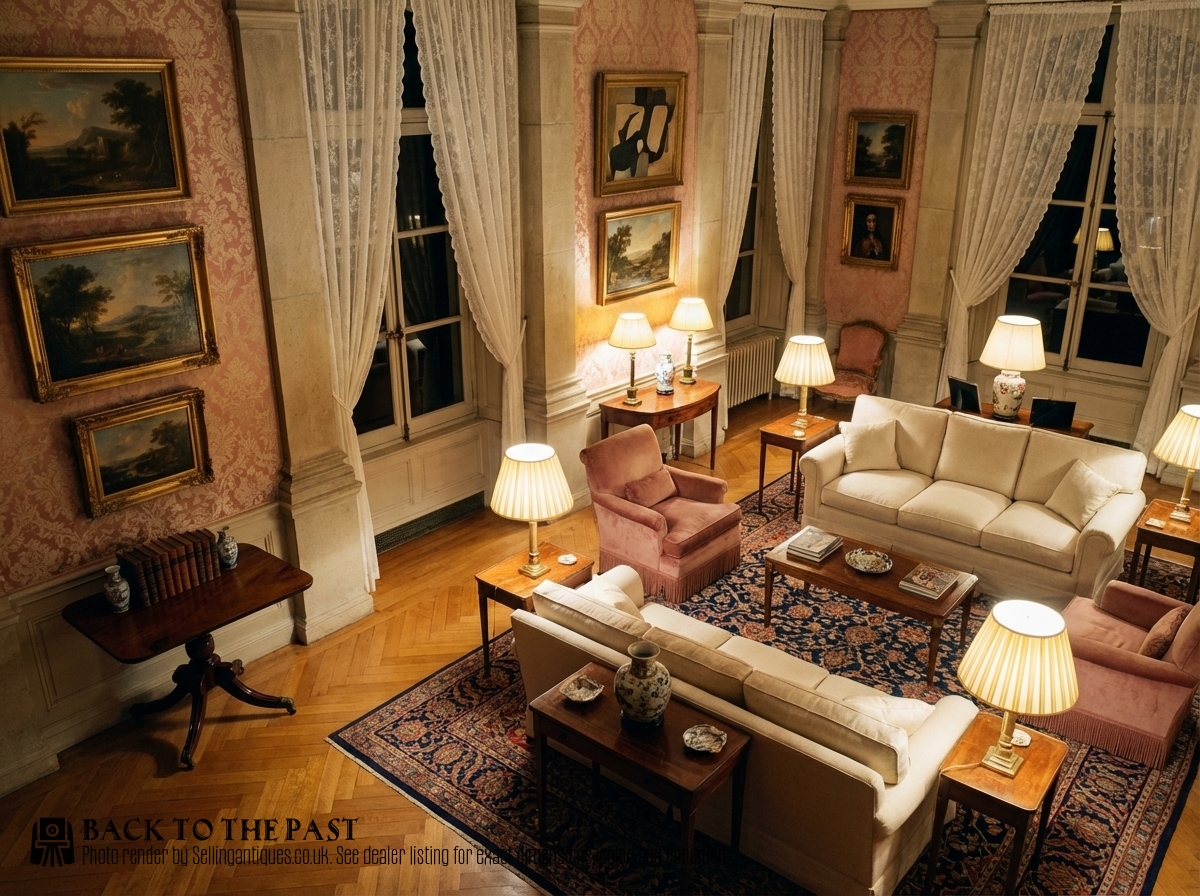
Carved Mahogany End Table
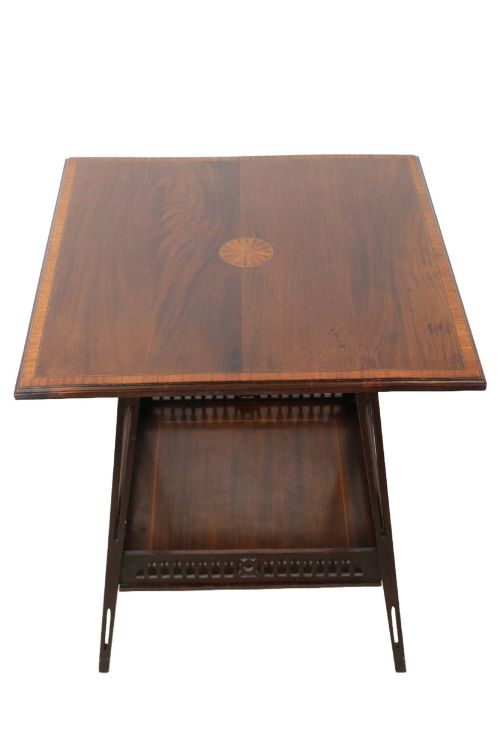
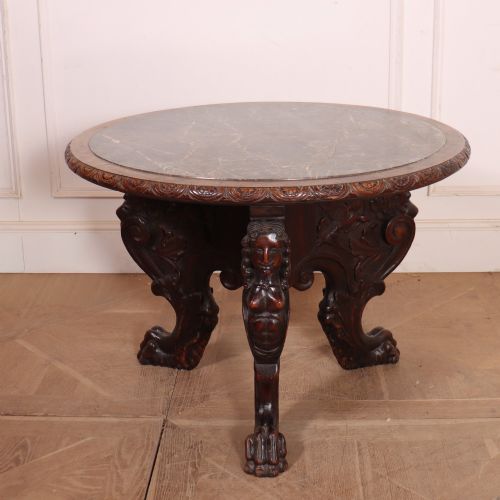
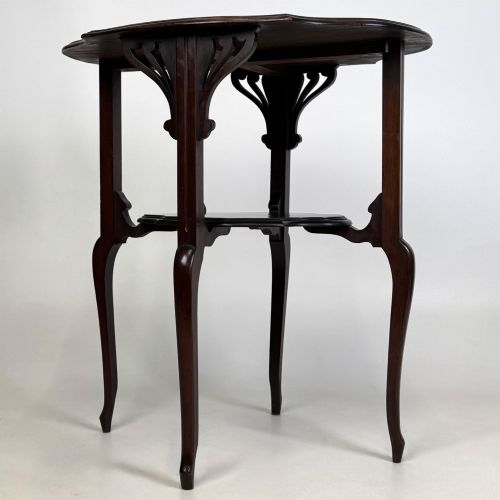
The carved mahogany end table category encompasses a wide variety of compact occasional furniture, including side tables, lamp tables, wine tables, and nests of tables. You will most frequently meet Edwardian and nineteenth-century examples on this page, spanning simple single-drawer designs to ornate revival pieces.
Makers and workshops produced these forms to serve practical functions in drawing rooms and libraries, often adopting Regency, Victorian, or Chippendale revival styles. The selection includes specific regional variations, such as Irish tables alongside English productions.
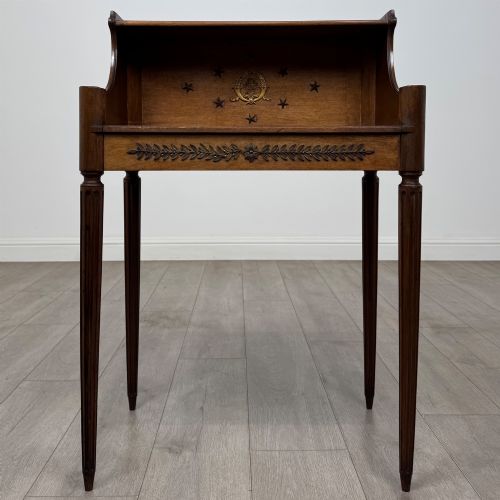
Buyers encounter numerous formats, from drop-leaf surfaces and tray tops to tiered tables and library writing desks. Each form reflects the domestic requirements of its period, prioritising moveable surface space beside larger seating arrangements.
What varies in quality
The standard of a carved mahogany end table rests upon the crispness of the timber carving and the selection of the wood itself, such as fiddleback grain or matched flame veneer. Finer examples display meticulous hand-cut joinery and balanced proportions rather than cast or machine-milled enrichment.
Makers' marks, attribution to recorded workshops like Williams and Gibton or Waring and Gillow, and integrated secondary details like finely tooled leather tops or inlaid banding separate standard production pieces from exceptional items.
Carved Mahogany End Table Retail Price Guide 2026
Typical asking prices for carved mahogany end table among the pieces listed under this phrase on Sellingantiques today, from the lower quarter to the upper quarter. They describe what is for sale here now, not the wider market.
Listings feature mahogany side tables across the nineteenth and early twentieth centuries, including Edwardian, Regency, and Victorian periods.
Trevor Page and Co·Williams and Gibton·Waring and Gillow·Henry Dasson
The Carved Mahogany End Table Glossary
- Flame Mahogany Veneer
- A sliced sheet of timber displaying a distinctive flame-like grain pattern, applied to primary surfaces for visual impact. Cabinet makers selected these symmetrical figures for tabletops to create striking optical depth.
- Ormolu
- Gilded bronze mounts applied to furniture for decorative enrichment, common in French neoclassical designs. The metal is cast and chased before receiving a gold amalgam finish.
- Tripod Table
- A small table supported by a central pillar resting on three spreading feet. Many versions feature a tilt-top mechanism allowing the surface to fold vertically when not in use.
- D-End Table
- A dining or library table section with one semi-circular end shaped like the letter D. These pieces often function individually as side tables or join with leaves to form larger configurations.
Carved Mahogany End Table: Frequently Asked Questions
What is a lamp table?
A lamp table is a compact occasional table designed specifically to hold lighting fixtures beside seating. These pieces provide a stable surface without occupying excessive floor space in a room.
They appear in various period styles, frequently incorporating single drawers or lower shelves for small items. Their manageable proportions make them versatile additions to modern interiors.
What is a wine table?
A wine table is a small, portable occasional table historically used for holding glasses and bottles. They typically feature a circular top supported by a central pillar and tripod base.
Many examples include pie-crust or raised edges to prevent items from sliding off. Their light construction allowed servants to move them easily around a drawing room.
How do I identify a revival style?
Revival styles draw inspiration from earlier design periods, such as eighteenth-century Chippendale or Regency aesthetics. Makers during the Victorian and Edwardian eras reinterpreted these historical forms using contemporary woodworking techniques.
Clues to a revival piece include machine-assisted cuts alongside hand carving, or standard hardware typical of the later manufacturing date. Examining the secondary timbers and interior construction usually clarifies the actual age.