


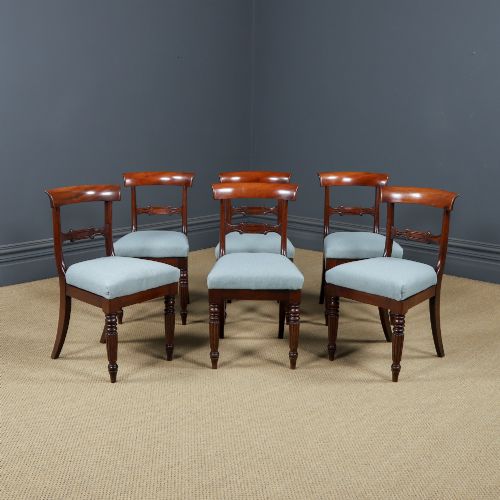
Carved Mahogany Dining Set
When you search for a carved mahogany dining set, you enter a tradition of refined timber and formal hospitality spanning multiple centuries.
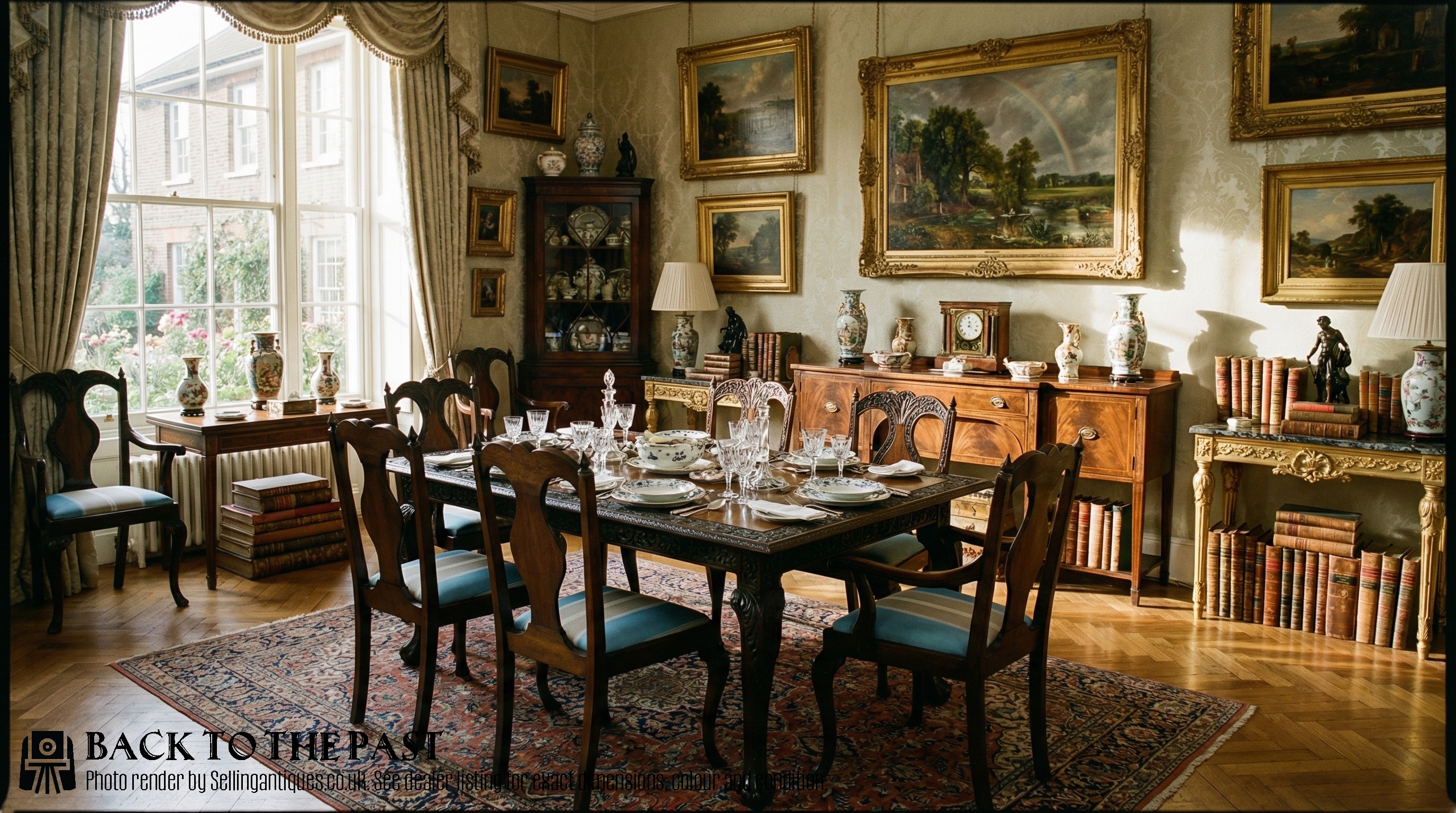
Carved Mahogany Dining Set
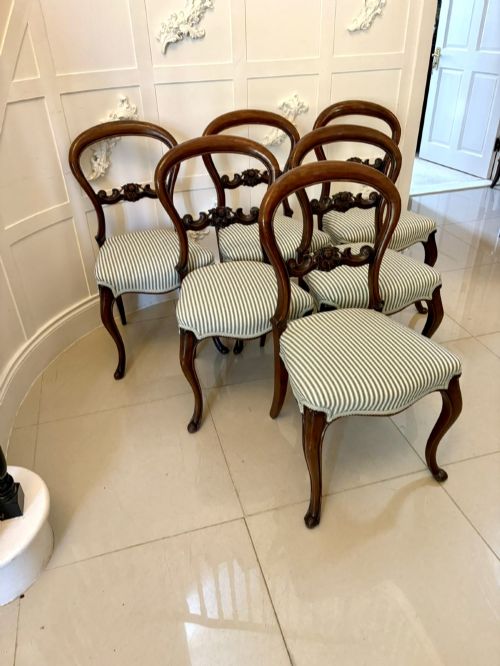
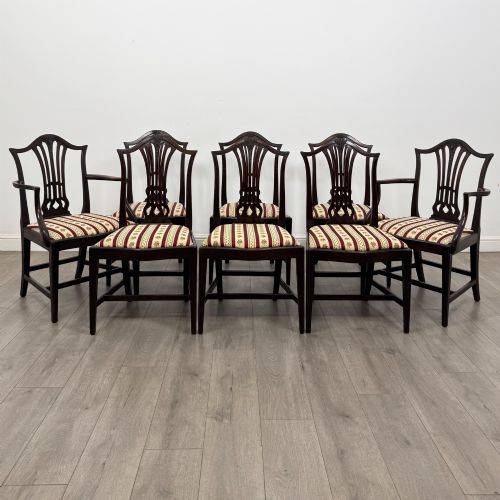
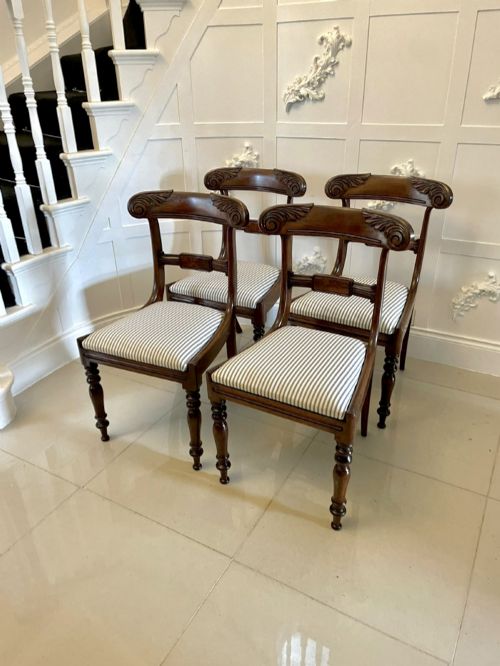
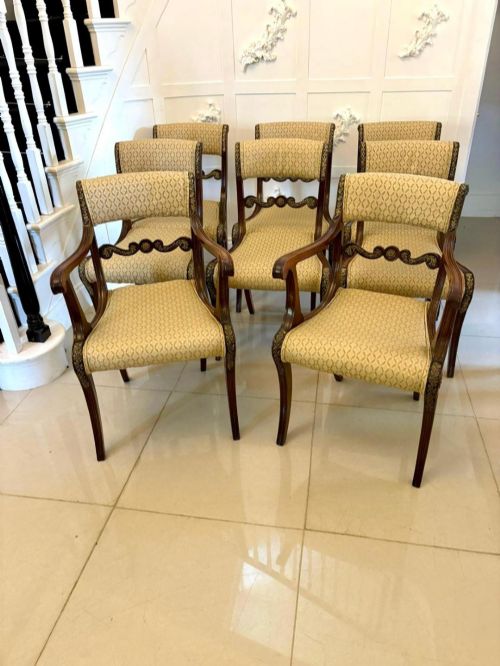
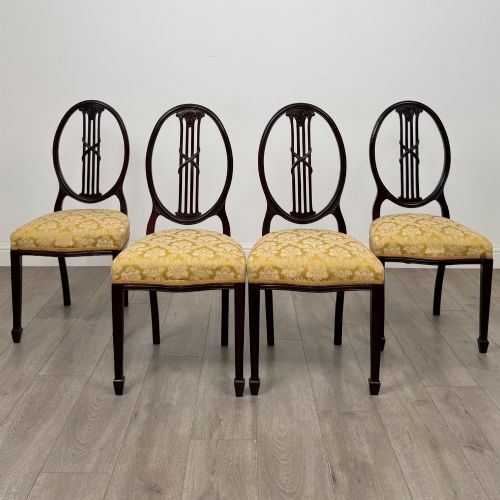
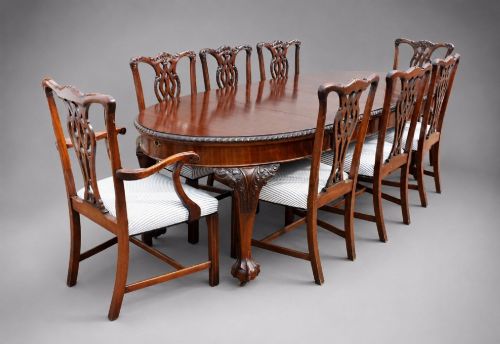
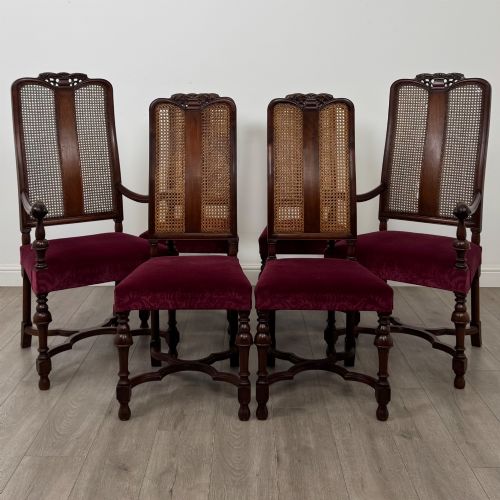
A carved mahogany dining set consists of a coordinating group of seating and occasionally an extending table designed for formal meals. The groupings commonly comprise sets of four, six, eight, or ten chairs, frequently including armchairs or carvers alongside single side chairs. Buyers searching this phrase will encounter pieces predominantly originating from the Georgian, Regency, William IV, and Victorian periods, as well as later revivals.
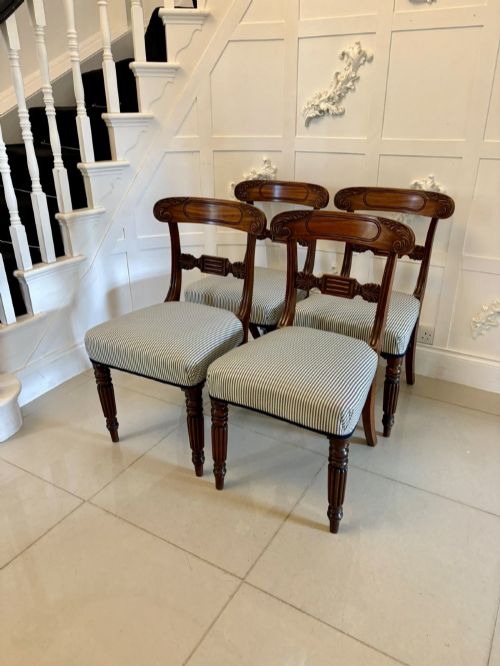
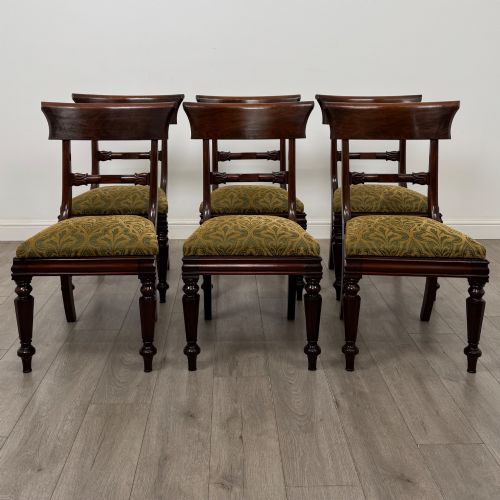
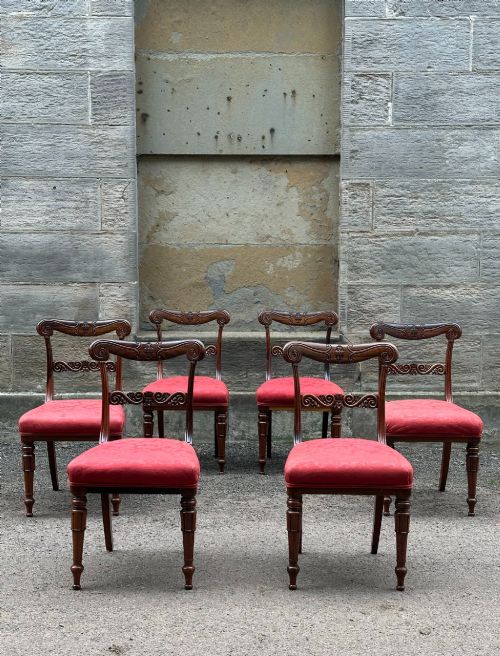
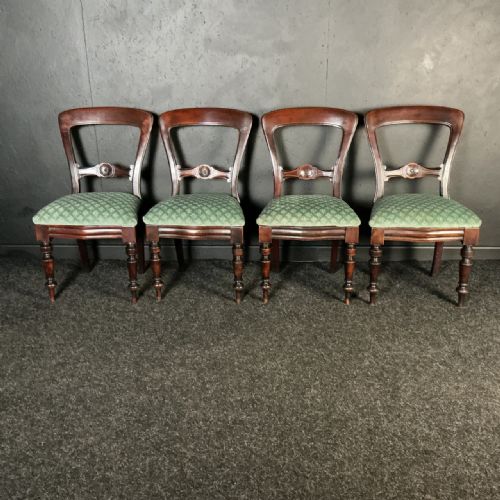
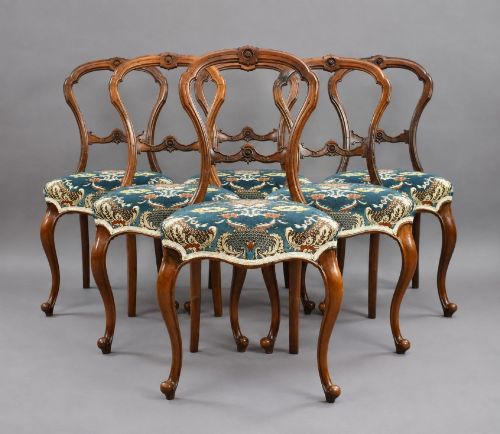
The chair forms vary significantly across eras, ranging from shield back and lyre back designs to balloon backs, bar backs, and sabre leg configurations. Many suites incorporate upholstery in fabric, leather, or velvet to provide comfort during extended dining occasions. These assemblies reflect the changing domestic priorities of British households from the eighteenth century onwards.
How They Were Made
Cabinet makers utilised dense imported mahogany timber for its structural stability and deep reddish-brown grain. Workshops employed traditional joinery techniques such as mortise and tenon joints to ensure the longevity of each chair frame.
Intricate decorative details were achieved through hand carving directly into the solid wood, supplemented in certain Regency examples by brass inlay. Seat foundations were built using webbing and stuffing covered with durable textiles or leather upholstery.
Listings feature mahogany dining sets spanning the Georgian, Regency, Victorian, and Edwardian periods.
What Varies in Quality
The distinction between standard examples and exhibition pieces lies primarily in the crispness and depth of the hand carving on the splats and crest rails. Superior sets display botanical or classical motifs executed with precision rather than generalised shaping.
Timber selection and matching grain patterns across an entire suite indicate the skill of the workshop. Furthermore, the integrity of the original frame construction and the matching proportions of carvers to side chairs dictate the overall standing of a set.
Gillows·Warings·Maple and Co·Alfred Allen·Waring and Gillow
The Carved Mahogany Dining Set Glossary
- Carver
- An armchair designed with elbow supports, traditionally placed at the head of a dining table. These pieces often match the side chairs in a larger dining set.
- Balloon Back
- A rounded, oval-shaped chair back resembling a blown-up balloon, popular during the Victorian era. This form offered a comfortable, curving support for the diner.
- Bar Back
- A horizontal wooden rail traversing the upper section of a chair back, characteristic of William IV and Regency seating. This member often bears subtle reeding or central carved cartouches.
- Sabre Leg
- A chair leg that curves outwards in a concave sweep reminiscent of a cavalry sword. This form provides a sturdy stance without heavy front stretchers.
Carved Mahogany Dining Set: Frequently Asked Questions
What is a carver chair?
A carver chair is an armchair featuring integrated armrests designed to sit at the ends of a dining table. These pieces match the smaller side chairs in a uniform dining set.
Historically, hosts occupied these armchairs while guests utilised the armless chairs along the sides of the table.
How do I date a dining set?
Dating relies upon stylistic markers such as shield backs, balloon backs, or sabre legs, combined with the characteristics of the mahogany timber. Examining the construction methods underneath the seat also reveals manufacturing eras.
Reference points include the Regency preference for brass inlay and the later Victorian affinity for heavy carved balloon frames.
Can I mix chairs and tables?
Dining sets frequently pair an extending table with a matching group of chairs designed in a cohesive style such as Chippendale revival or Regency. Mixing requires careful attention to timber tone and decorative carving motifs.
Matching the period ensures the proportions of the table height align correctly with the seat heights of the chairs.
How do I care for mahogany?
Mahogany requires stable indoor humidity away from direct heat sources and sunlight to prevent the timber from drying out. Regular dusting with a soft cloth maintains the natural lustre of the polished surface.
Harsh chemical cleaners should be avoided in favour of traditional beeswax applied sparingly according to the manufacturer guidance.