



Carved Lime Wood
These carved lime wood pieces bring tactile warmth to a room, ranging from Black Forest bears to German figures and Italian tables.
Carved Lime Wood
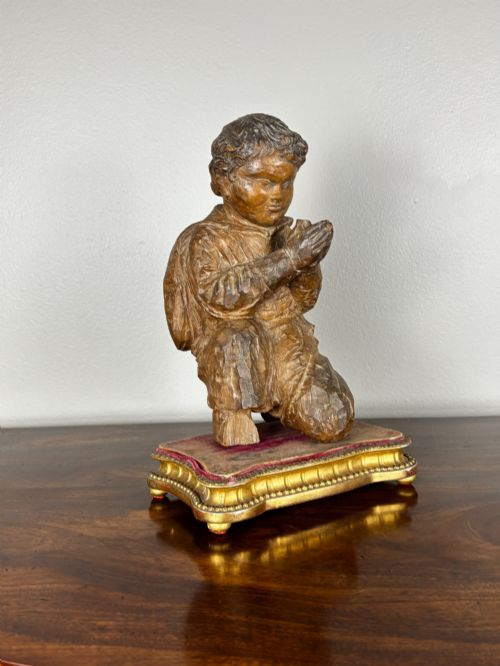
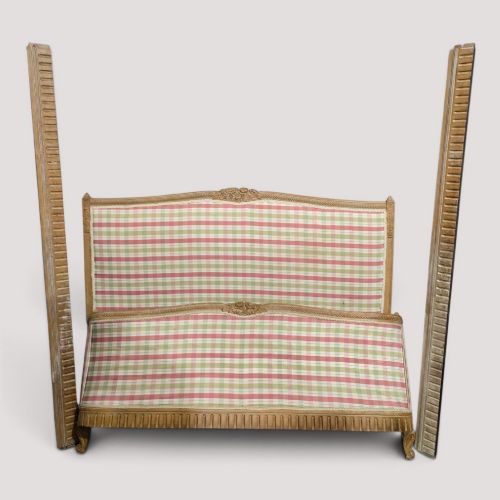
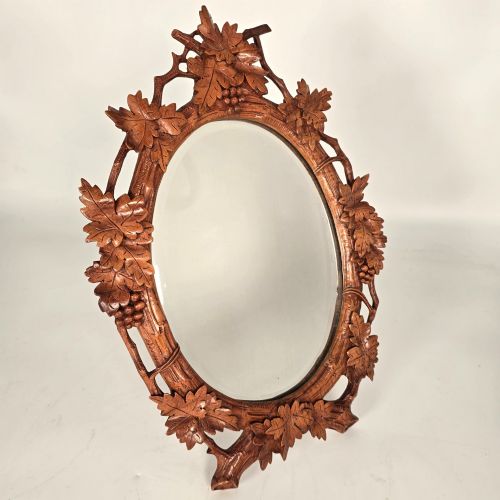
Carved lime wood items encompass a diverse selection of decorative objects and functional furniture spanning several centuries. Buyers searching this phrase encounter everything from intricate Black Forest animal carvings and religious figures to Italian Baroque tables and French double beds.
The material appears in various guises across different periods, including 18th-century German devotional sculpture and 19th-century Swiss animal studies. Furniture pieces such as hall chairs and settles also feature prominently alongside tabletop mirrors and inkwells.
The selection reflects both naturalistic animal forms and architectural revival styles. Makers utilised the tight grain of the timber to achieve remarkable depth and detail.
How they were made
Certain surfaces receive supplementary treatments like gold leaf, polychrome paint or a limed finish to alter the appearance of the timber. Other items remain in their natural pale state, often darkened slightly through age and wax application.
Carved Lime Wood Retail Price Guide 2026
Typical asking prices for carved lime wood among the pieces listed under this phrase on Sellingantiques today, from the lower quarter to the upper quarter. They describe what is for sale here now, not the wider market.
Listings feature lime wood pieces spanning from the sixteenth century through to Art Deco furniture.
What varies in quality
Excellence in these carvings rests upon the depth of the relief and the anatomical accuracy of the forms. Master carvers managed musculature and fur textures with subtle modulation rather than heavy tool marks.
Proportion and structural integrity define the furniture pieces. Objects that retain their original surface patination without excessive restoration command greater appreciation from collectors.
The Carved Lime Wood Glossary
- Lime wood
- A soft hardwood with a pale colour and fine grain, prized by European carvers for centuries. It resists splitting and accepts intricate detail.
- Black Forest
- A style of carving originating in Switzerland and Germany during the nineteenth century. It typically depicts animals, particularly bears, in naturalistic poses.
- Polychrome
- Painted in several colours. This treatment appears on older religious sculptures to provide a lifelike appearance.
- Limed
- A finish applied to wood to simulate the effect of lime scale and prevent insect attack, creating a pale, weathered tone.
Carved Lime Wood: Frequently Asked Questions
How do I clean lime wood?
Dust gently with a soft, dry brush to remove particles from deep recesses without damaging the delicate fibres.
Avoid liquid cleaners and damp cloths, as moisture can raise the grain or harm historic finishes.
What is Black Forest carving?
This genre refers to highly detailed wooden animals and figural items produced in central Europe during the Victorian era.
Bears, birds and domestic animals dominate the output, often integrated into functional items like inkwells and clocks.
Is lime wood the same as linden?
Yes, lime wood and linden refer to the same timber from the Tilia tree species. The term linden appears frequently in continental European descriptions.
British makers traditionally used the name lime, while American and German sources often preferred linden.
How do I date these carvings?
Examine the tool marks, the style of the base or mountings, and the natural ageing of the wood. Deeper oxidation usually indicates greater age.
Contextual clues such as hardware style and historical wear patterns help confirm the period.