

Carved Leg Wing Chair
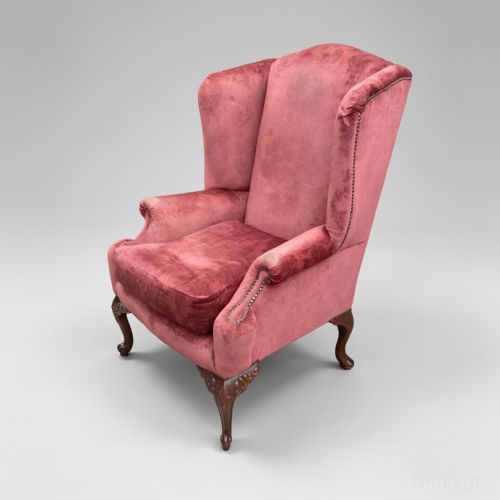
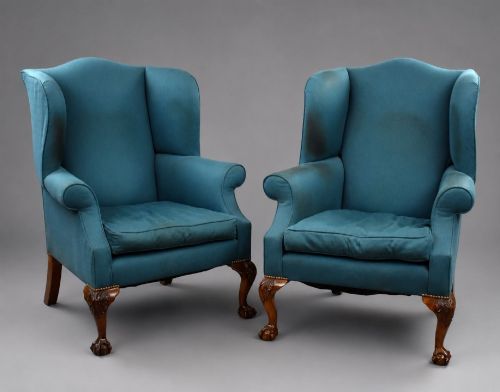
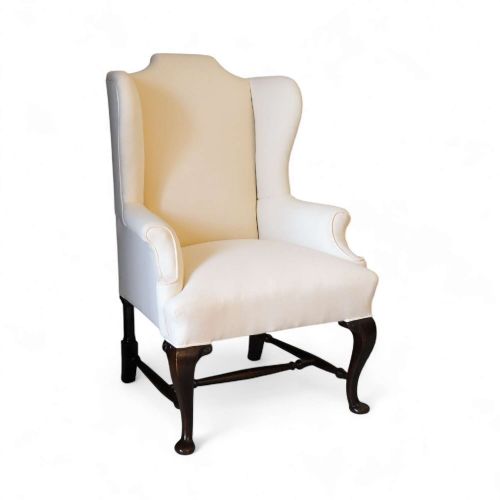
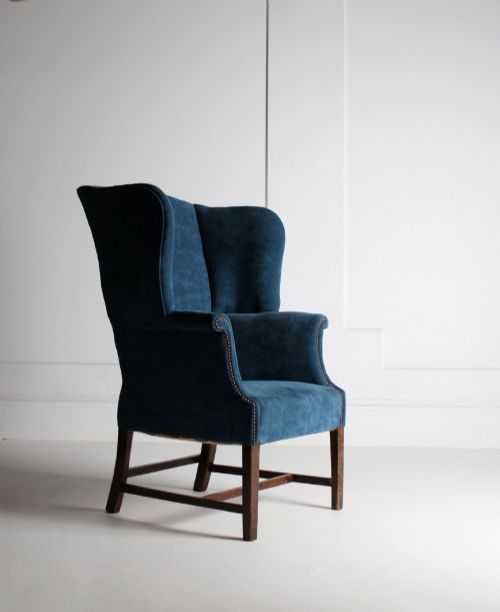
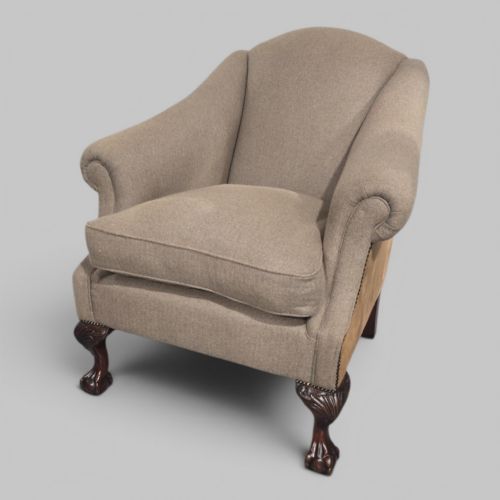
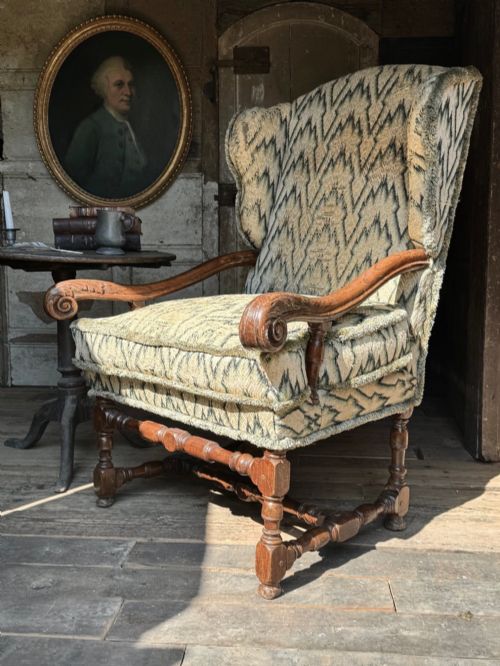
A carved leg wing chair offers deep-seated comfort and architectural presence, drawing buyers who want a traditional focal point for a study or drawing room.
Carved Leg Wing Chair
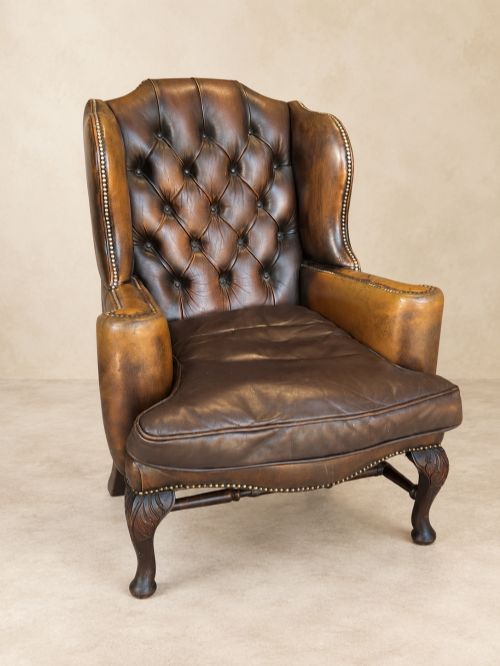
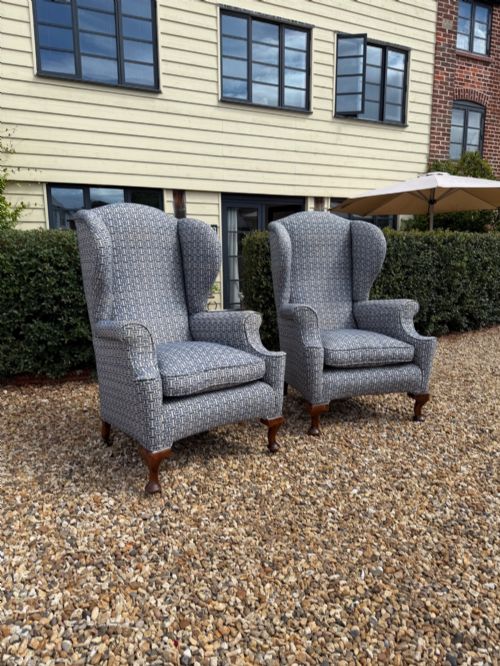
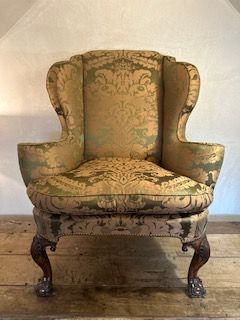
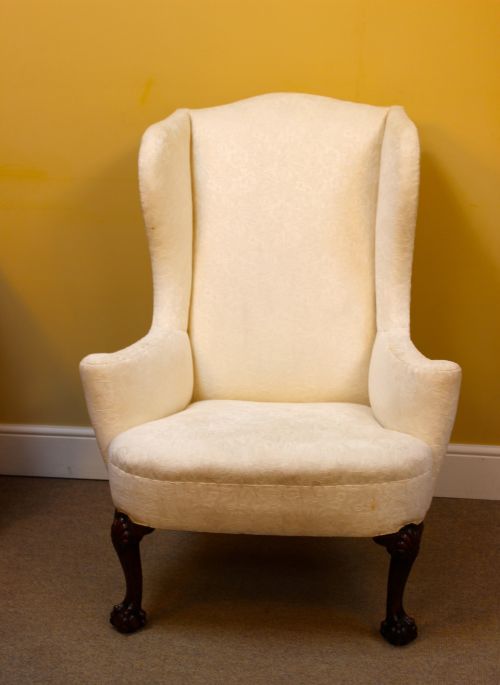
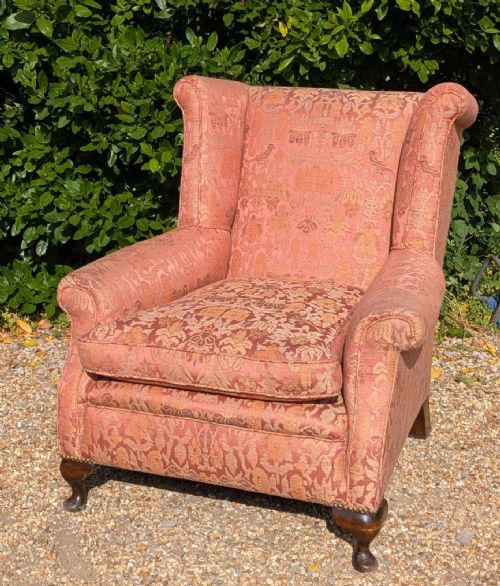
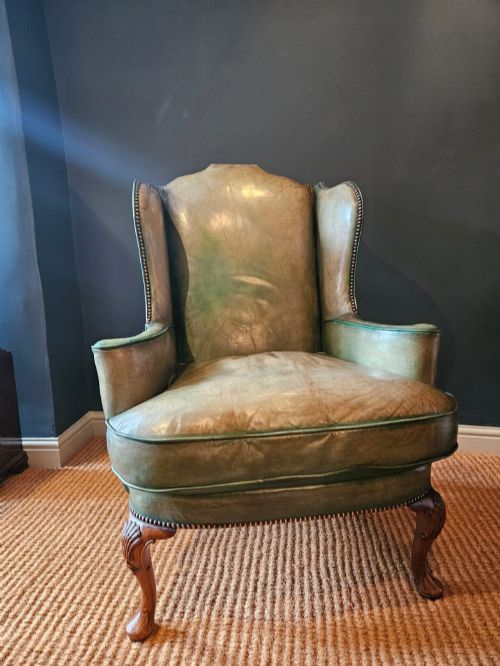
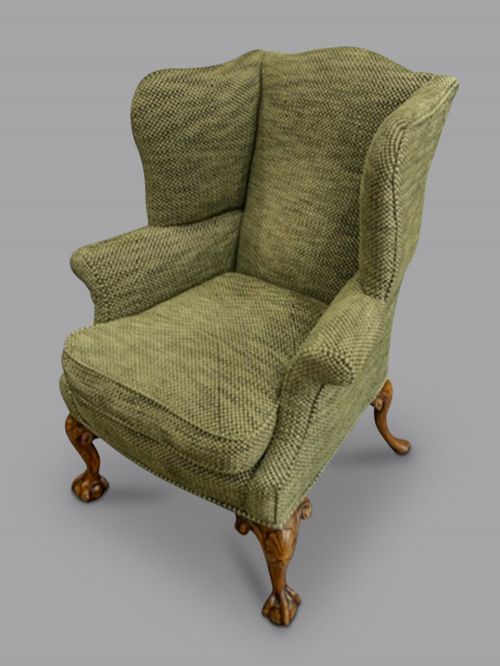
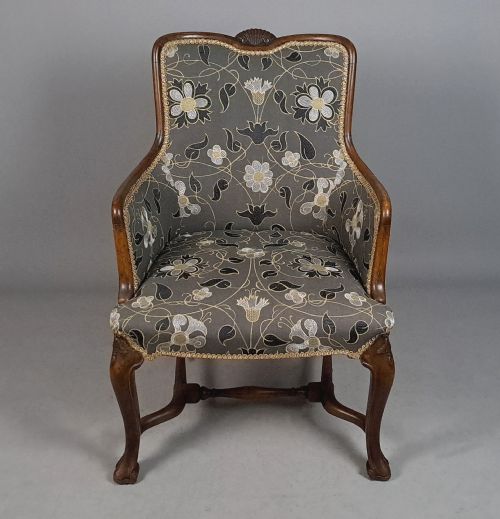
When you search for a carved leg wing chair, you encounter upholstered seating designed to protect against drafts, featuring high backrests and protective side panels known as wings. The examples found here span the eighteenth century through to the early twentieth century, incorporating revival aesthetics such as Queen Anne and Chippendale styles alongside original period pieces.
What varies in quality
The distinction between ordinary and superior examples rests in the depth and crispness of the wood carving on the legs and knees. Finer frames display fluid lines and confident handling of the timber, whereas lesser pieces show mechanical or shallow execution.
Proportion and material selection further divide the range, with dense figured walnut or rich mahogany commanding greater presence than plain secondary woods. The integrity of the internal construction and the fidelity to historical revival styles dictate the overall standing of each piece.
High wings were originally designed to trap fireplace heat around your ears, proving that historical interior design was essentially a giant wearable blanket.
The Carved Leg Wing Chair Glossary
- Cabriole leg
- A furniture leg that curves out in a convex arc and tapers inward in a concave arc, terminating in a foot. This form derives from animal limbs and appeared frequently on eighteenth-century seating.
- Wing back
- An upholstered backrest extension designed to shield the sitter's head and face from draughts. The projecting panels also helped trap heat from an open fireplace.
- Chippendale style
- A decorative revival aesthetic drawing on the mid-eighteenth-century designs of Thomas Chippendale. It typically incorporates carved mahogany frames, cabriole legs, and elaborate back splats or rails.
- Queen Anne style
- A furniture design movement characterised by curved lines, pad feet and cabriole legs without heavy geometric carving. Walnut served as the principal timber during its height.
- Calico stage
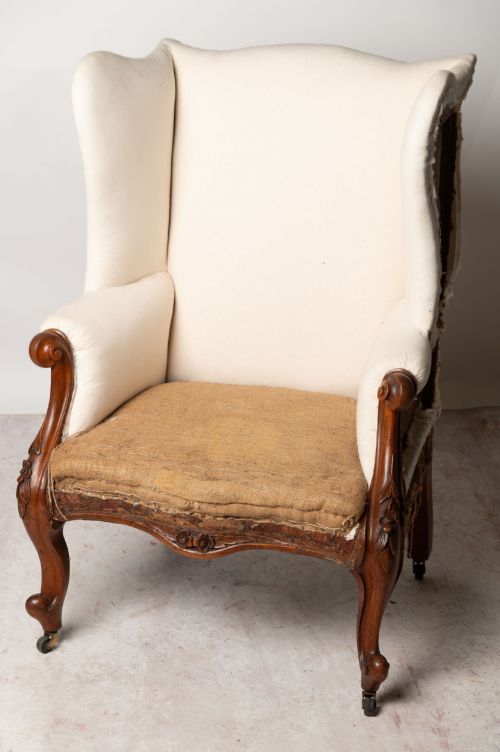
- An intermediate state of upholstery where the internal stuffing is secured beneath a plain cotton calico cover before the final decorative fabric is applied. This allows a buyer to choose their own textile finish.
Carved Leg Wing Chair: Frequently Asked Questions
How do I date a wing chair?
Dating relies on examining the timber species, framing techniques, and the profile of the legs and stretcher base. Eighteenth-century examples display hand-cut joinery and native hardwoods, while later revival pieces often feature machine-sawn components and different secondary woods.
The style of the wings and the contour of the armrests also shift across decades, moving from upright proportions to more relaxed, padded forms by the Victorian and Edwardian periods.
Where should I place a wing chair?
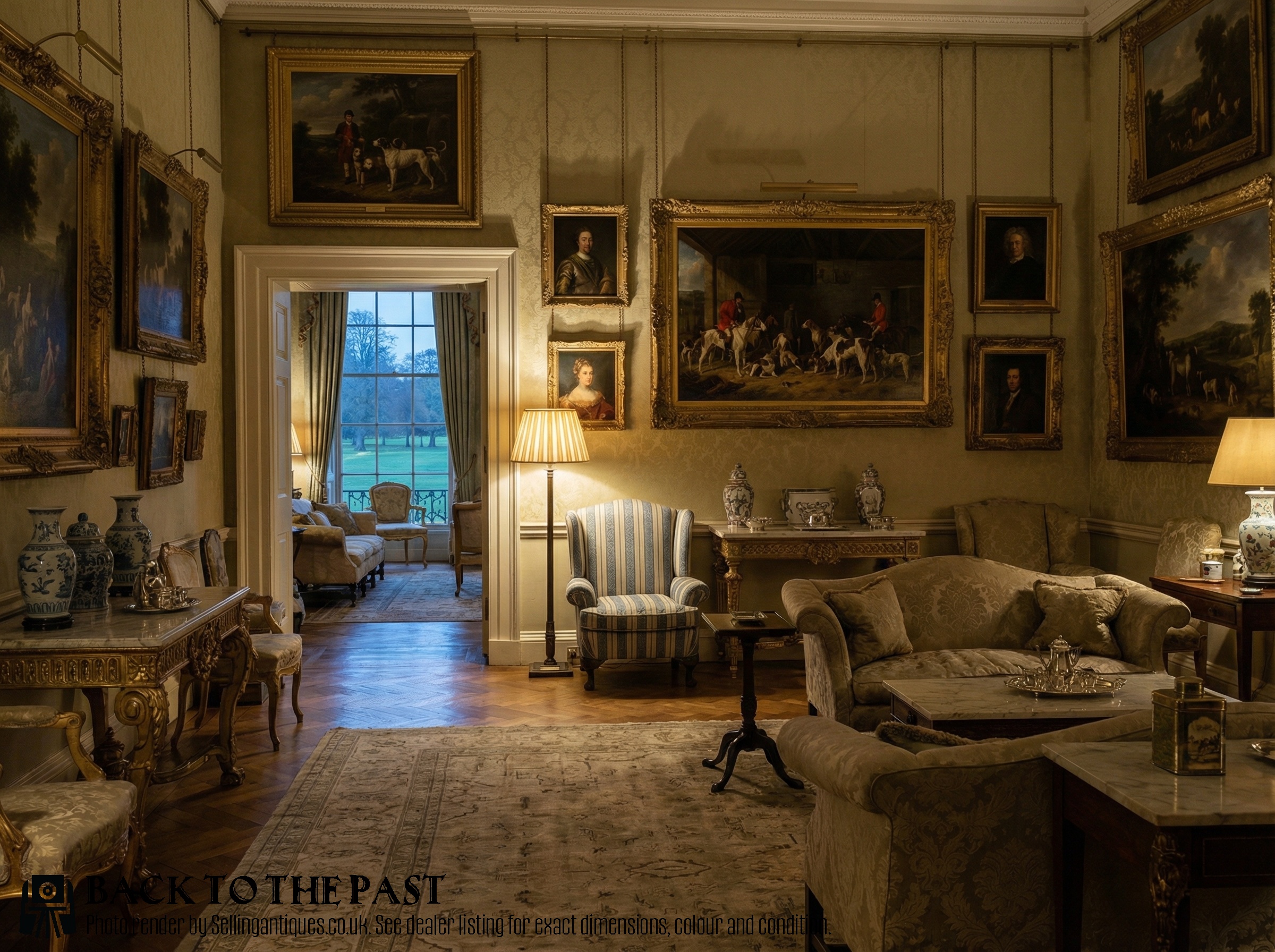
These armchairs suit studies, libraries, and living rooms where their high backs create a strong visual anchor. Historically positioned near fireplaces to block draughts, they work well as reading seats paired with a low side table.
Their substantial proportions mean they require sufficient floor space to be viewed in the round without crowding smaller furniture.
Are these chairs comfortable for daily use?
Many period and revival examples provide supportive seating thanks to deep sprung or feather-filled bases. Comfort depends on the internal webbing and padding condition, which varies across pieces regardless of their age.
Some listings arrive ready for new upholstery or in a calico stage, allowing you to adjust the cushioning firmness to personal preference.