
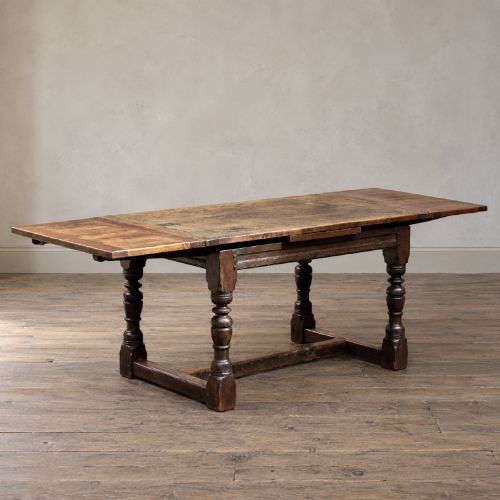

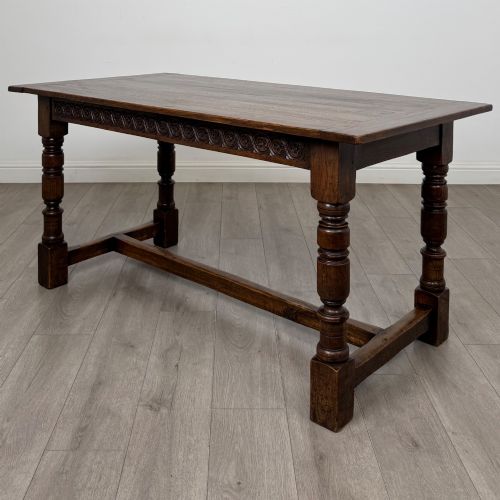
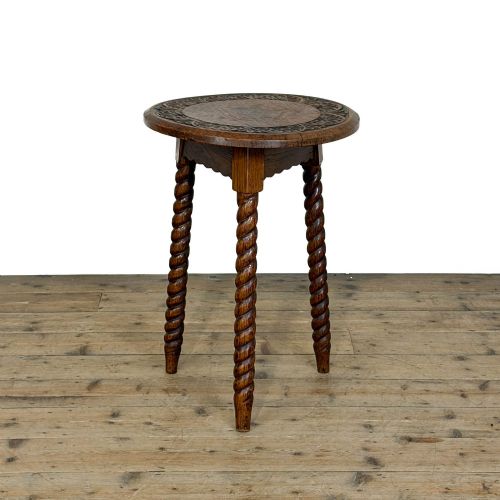
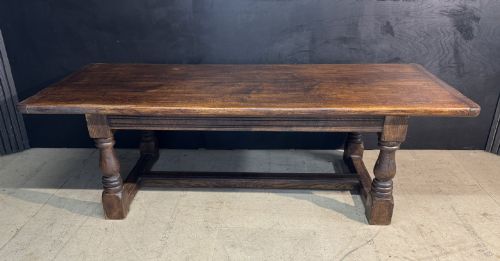
Carved Leg Oak Table
When you search for a carved leg oak table, you enter a domain of enduring timber built to serve generations.
Carved Leg Oak Table
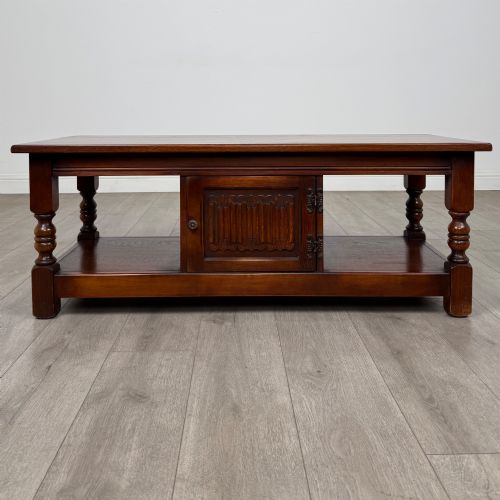
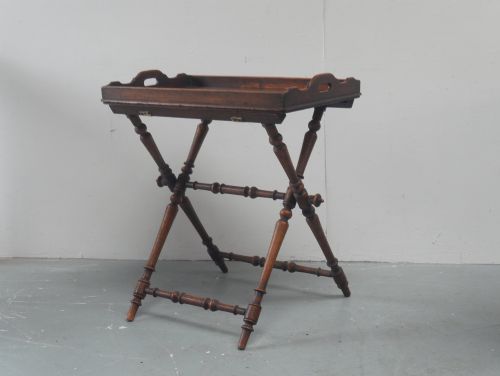
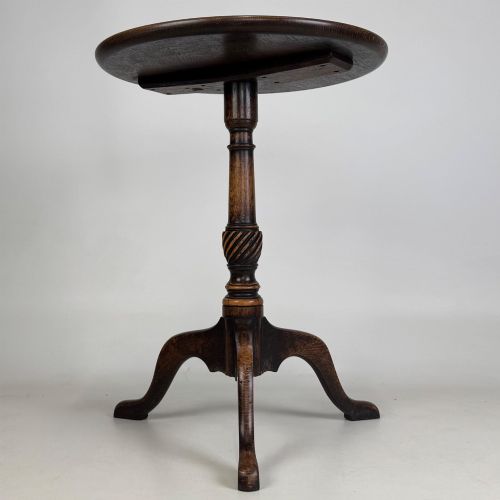
A carved leg oak table brings substantial presence to a room, drawing the eye down to intricate woodwork supporting sturdy surfaces. You encounter everything from long refectory dining tables to compact gateleg drop-leaf versions, side tables, and occasional pieces.
The selections span centuries of craftsmanship, ranging from seventeenth-century originals through Georgian, Victorian, and Edwardian revivals up to twentieth-century farmhouse adaptations. Solid oak dominates these forms, often paired with turning, moulding, or panel construction.
Buyers look for these tables to anchor a dining space, hall, or sitting room with historic character and tactile warmth. The carved supports distinguish them from plain utilitarian boards, offering sculptural detail alongside functional everyday surfaces.
How They Were Made
Carpenters relied principally on solid oak, selected for its density and striking grain, sometimes augmented by beech, walnut, or brass fittings and metal hardware. Timber was shaped using hand tools, mortise and tenon joints, and pegged construction to ensure long-term stability without modern adhesives.
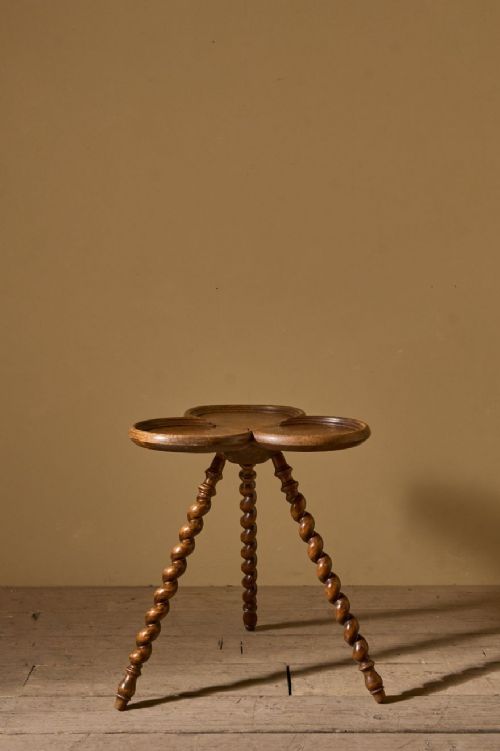
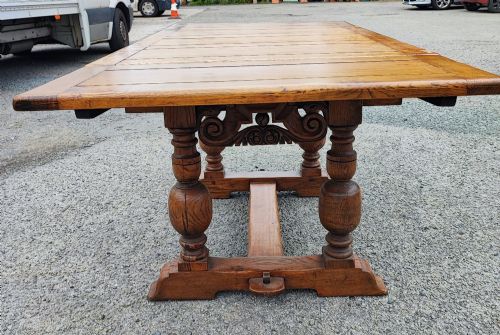
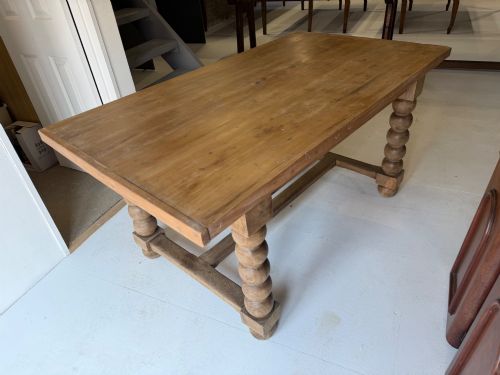
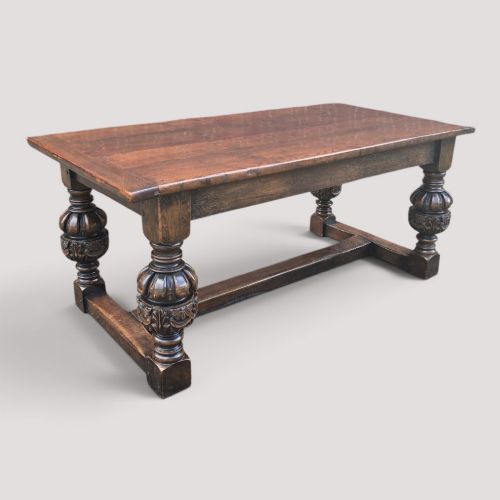
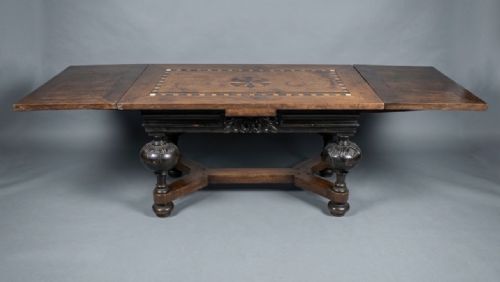
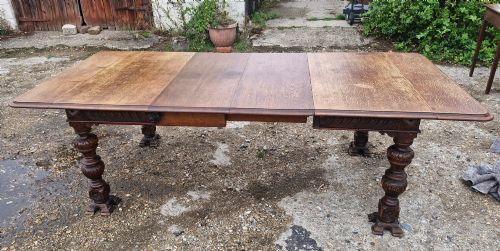
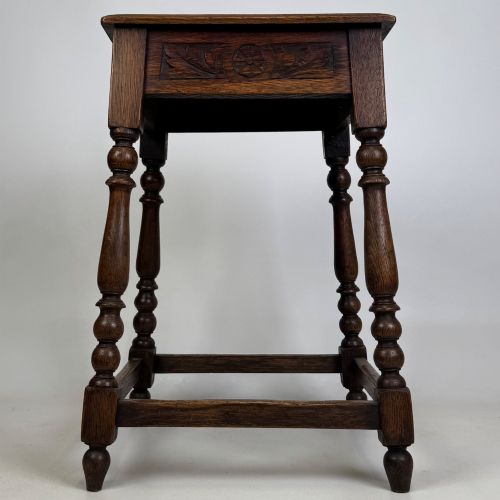
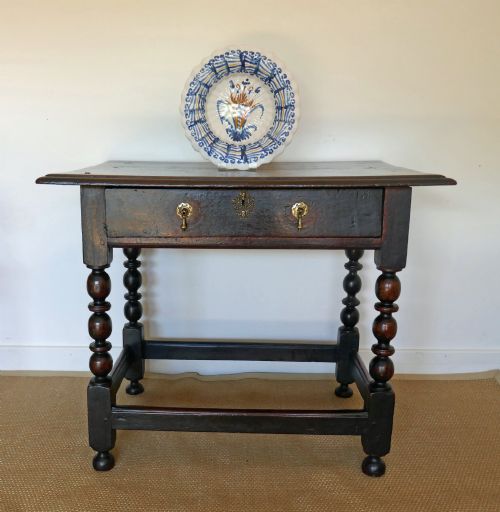
Carving was executed directly into the structural legs or applied panels, featuring motifs like leaves, acorns, and geometric strapwork. Turnery techniques such as bobbin legs, barley twist supports, and heavy bulbous pillars provided alternative architectural silhouettes beneath the tabletops.
Listings feature solid oak alongside beech and walnut, spanning periods from the 17th century through the Georgian, Victorian, and Edwardian eras to the 1930s.
What Varies in Quality
Quality rests upon the crispness of the hand-carved detail and the selection of the timber grain. Refined pieces exhibit deep, deliberate chisel work on the legs and balanced proportions across the framework, whereas lesser examples show softer, mechanical shallow cuts.
Construction methods also dictate standard, separating pegged timber joints and solid oak planks from later alterations or inferior secondary woods. The integrity of mechanisms like draw leaves or gateleg actions further separates standard utilitarian items from finer decorative pieces.
The Carved Leg Oak Table Glossary
- Draw Leaf
- A table design featuring extension leaves hidden beneath the main top that slide out to lengthen the surface. This mechanism allows a compact board to double its seating capacity quickly.
- Gateleg Table
- A table with hinged drop leaves supported by legs that swing outward like a gate. It folds down for compact storage when not in use.
- Refectory Table
- A long, narrow dining table traditionally used in monastic dining halls. These pieces typically feature sturdy stretcher bases and substantial timber construction.
- Bobbin Leg
- A turned support shaped with a series of rounded, spool-like spheres stacked vertically. It creates a rhythmic, tactile profile popular in seventeenth-century and later revival furniture.
- Lowboy
- A small seventeenth or eighteenth-century dressing table or side table featuring one or more rows of drawers beneath the top. They traditionally stand on slender cabriole or straight legs.
Carved Leg Oak Table: Frequently Asked Questions
How do I care for a vintage oak table?
Feed the wood periodically with traditional beeswax to maintain the moisture and lustre of the grain. Avoid placing the timber directly next to intense heat sources or damp areas.
Use coasters and placemats to protect the surface from moisture rings and heat marks. Gentle dusting with a dry cloth keeps the carved crevices free from accumulated dirt.
Were these tables used exclusively for dining?
While many substantial examples served families for daily meals, smaller variants fulfilled entirely different domestic purposes. Gateleg and cricket tables functioned as occasional tea or game surfaces in parlours.
Lowboys and side tables were placed in hallways or bedrooms for storage and writing. The variety in scale reflects how adaptable oak furniture was across different domestic rooms.
How can I tell a seventeenth-century piece from a later revival?
Early seventeenth-century furniture displays hand-split timber marks, pegged joinery, and patination acquired through centuries of use. The tool marks and structural wear patterns tell a story of ancient hand labour.
Revival pieces from the Victorian and Edwardian eras often feature more uniform machine sawing and standardised hardware. Examining the underside and joint construction reveals the true age of the timber.
What rooms suit a refectory dining table?
Refectory tables require ample floor space to let their long, linear proportions breathe within an interior. They anchor large dining rooms, open-plan kitchens, or spacious entrance halls with historic authority.
Pairing them with benches or mismatched antique chairs softens the formality of the heavy carved supports. Their robust build ensures they withstand daily family gatherings without losing presence.