

Carved Leaf Occasional Table
A carved leaf occasional table brings organic detail into a room through timber and foliage motifs.
Carved Leaf Occasional Table
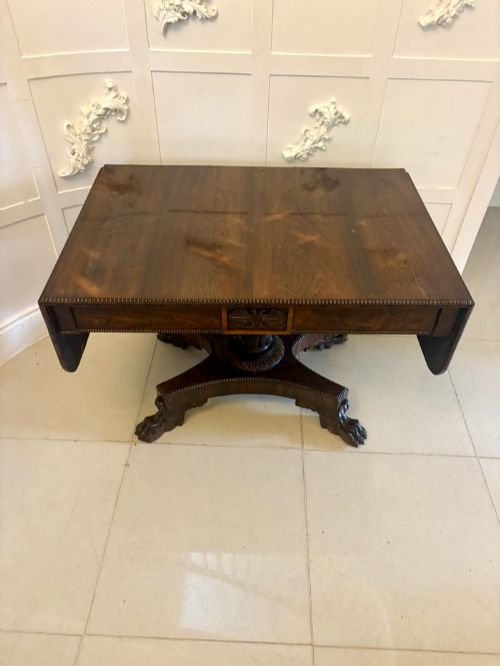
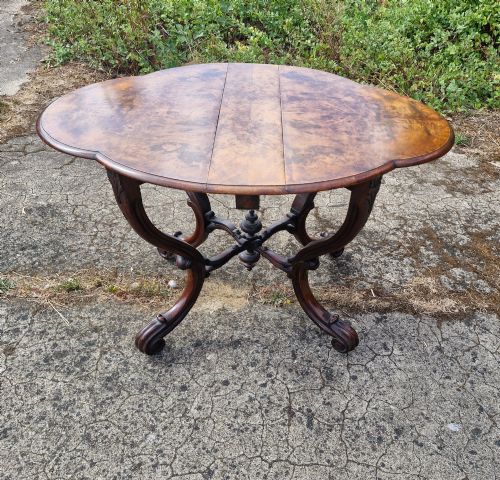
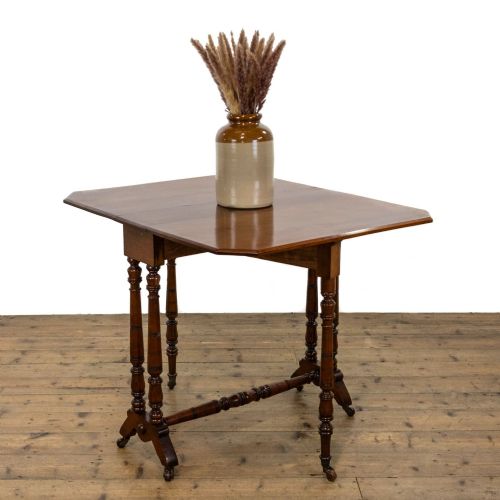
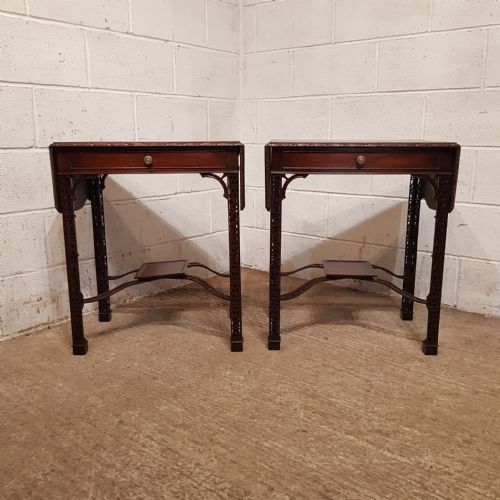
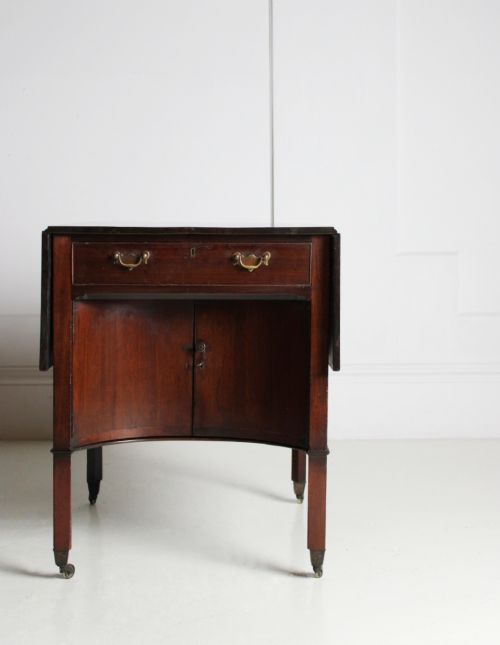
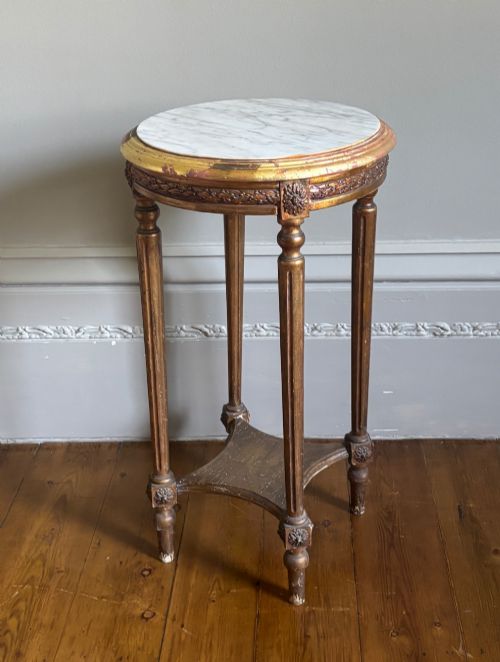
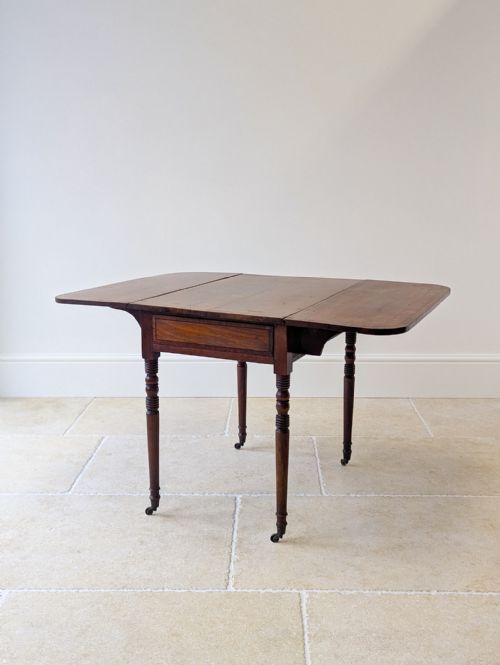
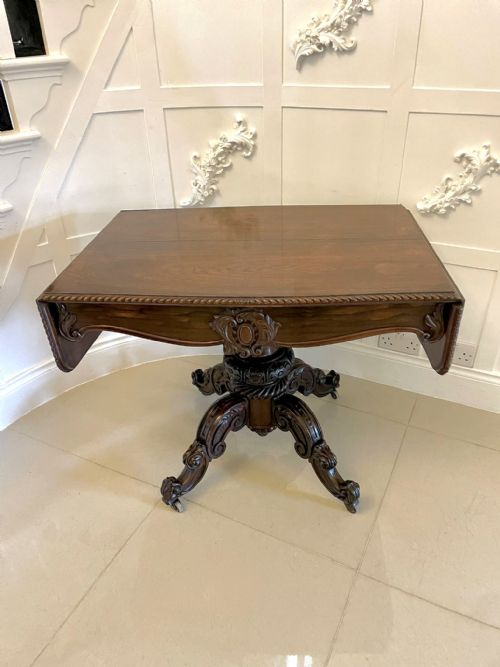
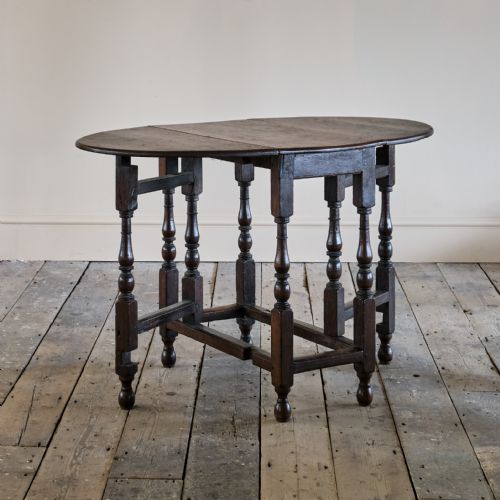
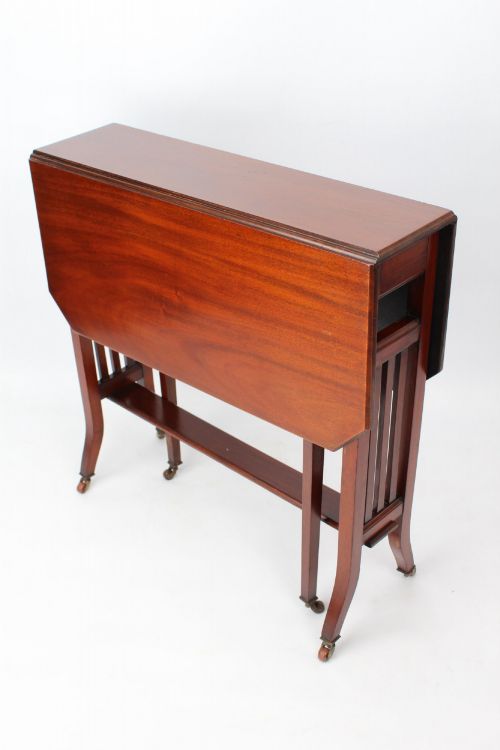
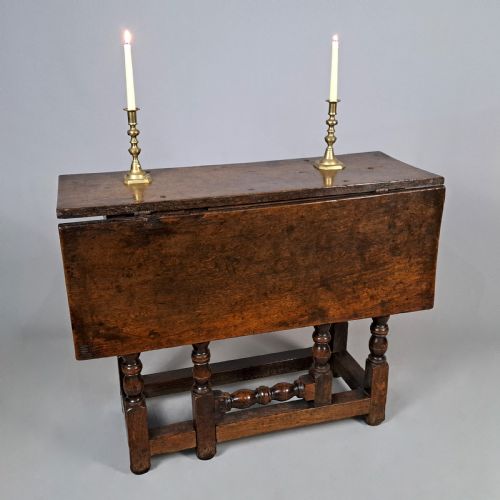
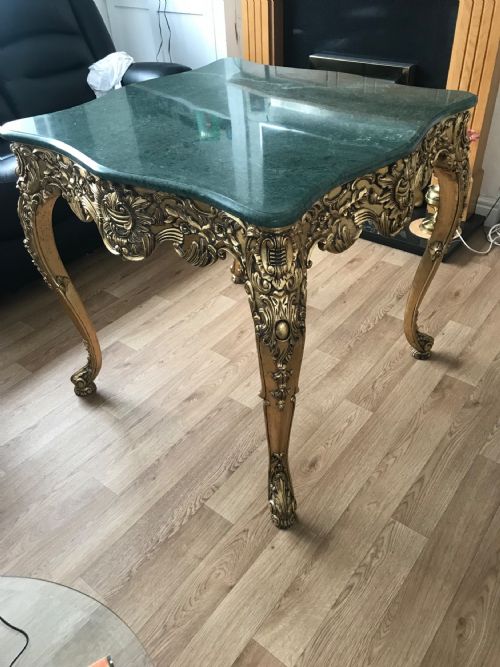
A carved leaf occasional table functions as a versatile piece of furniture designed for placement beside seating or against walls, appearing frequently in forms such as side tables, sofa tables, and drop-leaf variations. The selection includes examples spanning the 18th, 19th, and 20th centuries, with Victorian and Regency eras well represented alongside Georgian and Edwardian periods.
Makers utilised various timber types, most notably oak, mahogany, walnut, burr walnut, and rosewood, alongside exotic woods such as padauk found in Anglo-Indian pieces. Structural forms often incorporate drop leaves, folding mechanisms, or gateleg supports, adapting the surface area for utility in domestic spaces.
How they were made
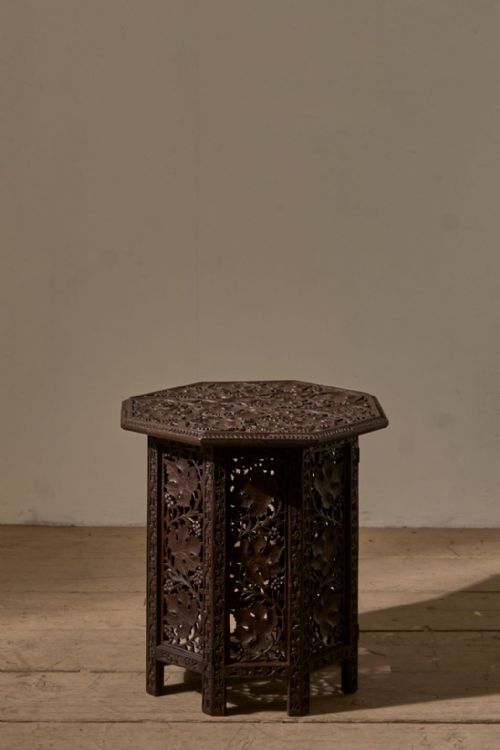
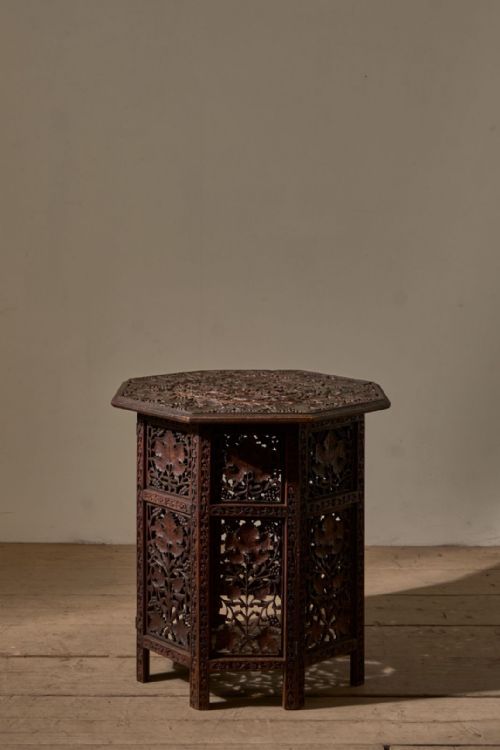
Cabinetmakers worked predominantly with dense hardwoods like mahogany, oak, and walnut, selecting burr walnut veneers for figured grain patterns on table tops. Carving was executed by hand directly into the timber, defining botanical motifs such as leaves and acorns.
Construction techniques included drop-leaf hinges, swivel tops, and scissor actions, allowing surfaces to expand or fold. Details such as marquetry inlay, leather inserts, and polished marble tops appear alongside solid wood construction.
Some tables double as sewing boxes, proving that even historical furniture knew how to keep secrets.
What varies in quality
Quality rests on the crispness of the hand carving and the selection of timber veneers, where highly figured burr walnut or dense rosewood elevates the piece. The precision of joinery in folding mechanisms, drop leaves, and drawer construction dictates the structural integrity of the table.
Proportion and decorative restraint separate standard production from superior examples, particularly in how botanical carving integrates with the legs and aprons of the table.
Johnstone and Jeanes
The Carved Leaf Occasional Table Glossary
- Sutherland table
- A narrow drop-leaf table with exceptionally small flaps supported by swinging legs. This form allows the table to fold down flat for storage against a wall.
- Pembroke table
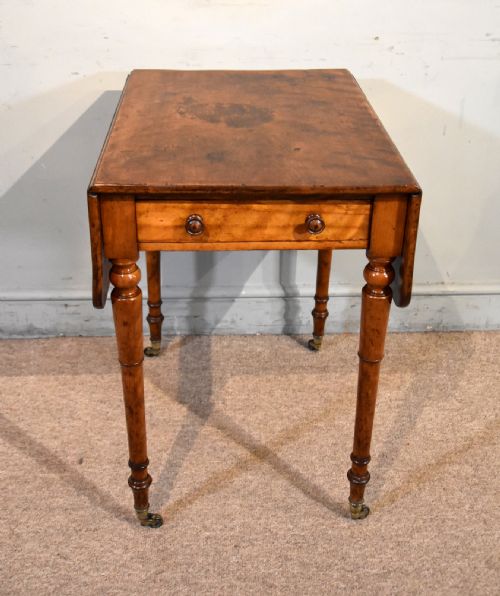
- A rectangular table featuring two hinged leaves on opposite sides and usually one or two drawers. It gained popularity during the 18th century for versatility.
- Gateleg table
- A table with hinged legs that swing out like gates to support folding leaves. This mechanism provides a large surface area that reduces when not in use.
- Marquetry
- The art of applying decorative pieces of veneer to a structure to form ornamental patterns. Cabinetmakers used contrasting woods to create pictorial designs on table tops.
- Sofa table
- A long, narrow occasional table traditionally placed in front of or behind a sofa. These pieces commonly feature drop leaves and double pedestals.
Carved Leaf Occasional Table: Frequently Asked Questions
How do I identify a Victorian carved leaf occasional table?
Victorian examples often utilise dense timbers such as walnut or mahogany combined with deep, naturalistic foliage carving. The construction frequently incorporates drop leaves, swivel tops, or scissor actions typical of mid to late 19th-century workshop practices.
Examination of the underside and drawer linings reveals secondary woods and traditional joinery methods consistent with the period.
Where should I place an occasional table in my room?
These tables suit placement beside sofas, armchairs, or in hallways where surface space is required without obstructing walkways. Drop-leaf and gateleg versions allow the footprint to adjust depending on the available space.
Matching the timber tone to existing furniture helps integrate the piece into the room scheme.
How do I care for antique wood surfaces?
Maintain timber surfaces by dusting with a soft, dry cloth and avoiding placement near direct heat sources or strong sunlight. Periodic application of appropriate wax feeds the wood and preserves the polished finish.
Protect the top from moisture and extreme temperature changes to prevent timber movement or veneer lifting.