
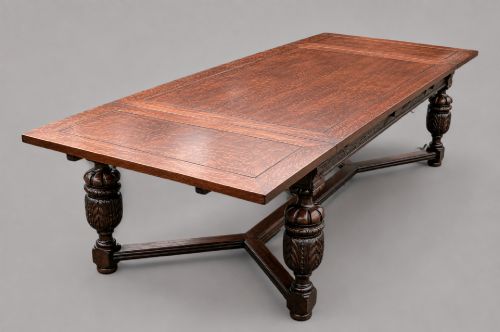
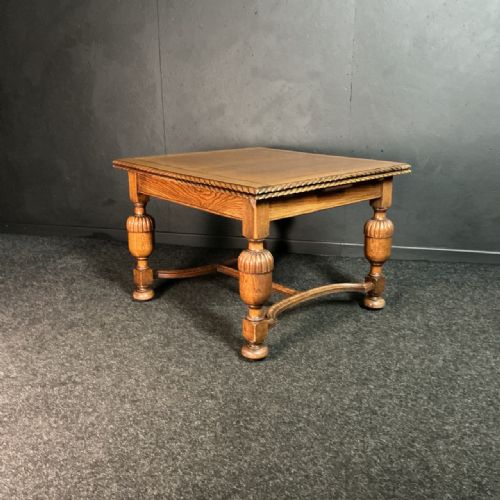
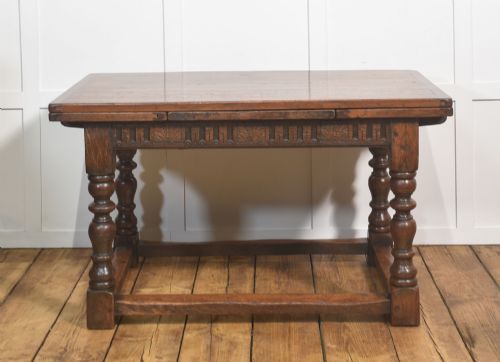
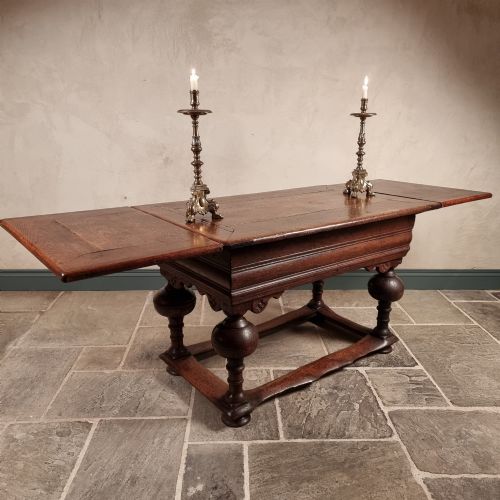
Carved Leaf Oak Table
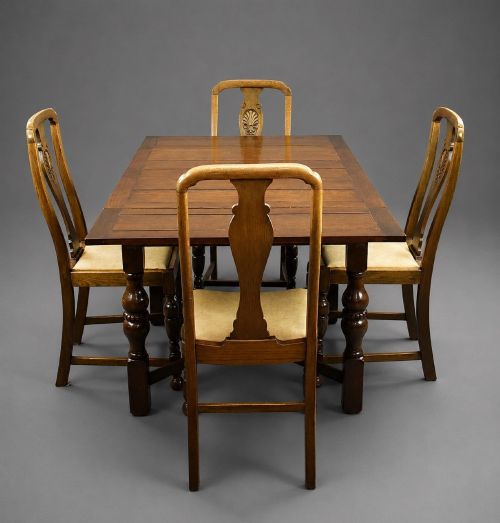
When you search for a carved leaf oak table, you enter a tradition of sturdy dining and occasional furniture built from solid timber with extending leaves and carved decoration.
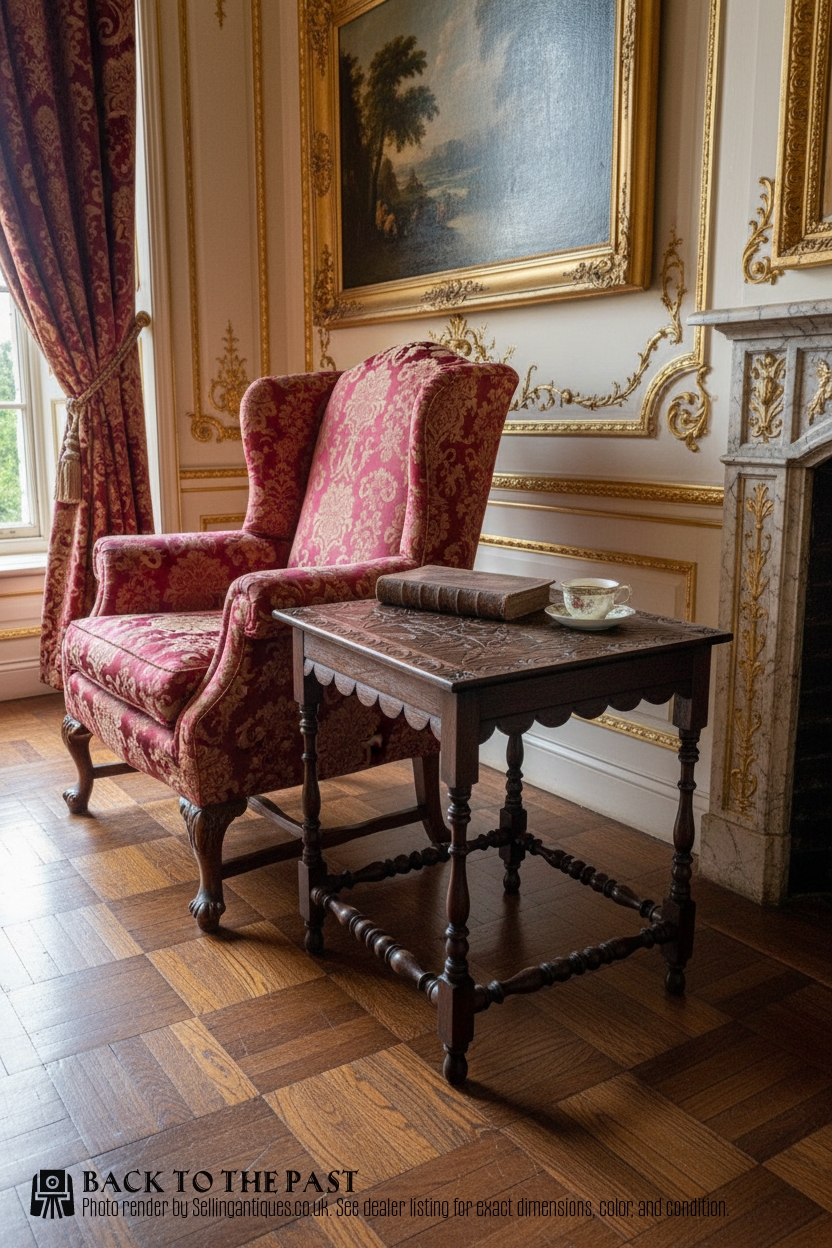
Carved Leaf Oak Table
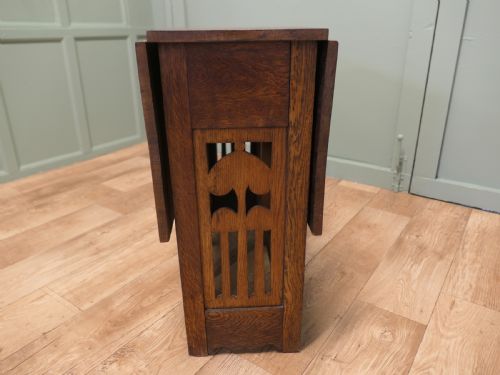
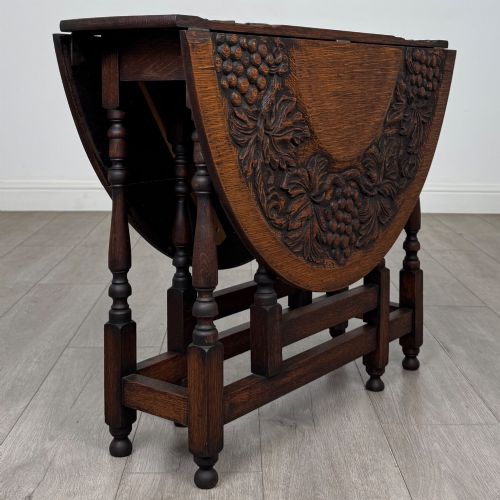
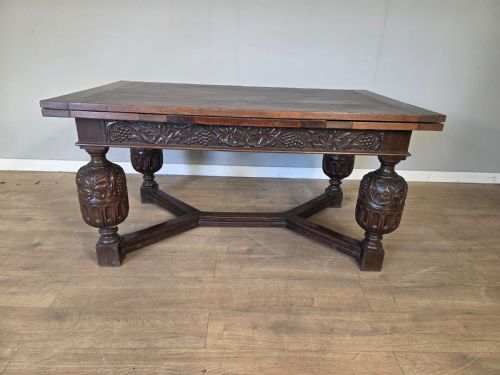
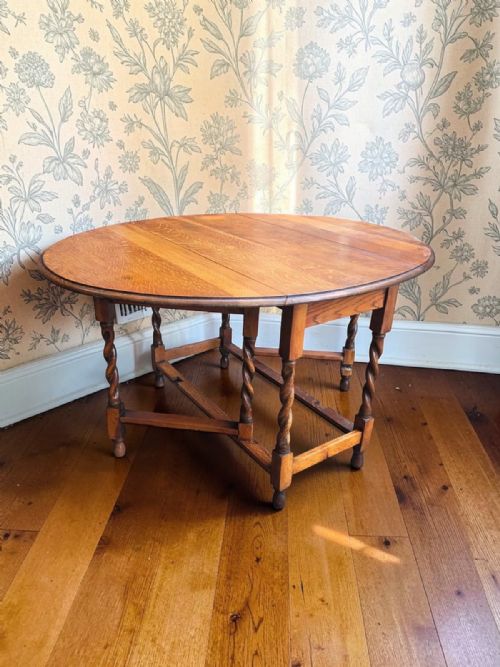
A carved leaf oak table on this page typically appears as either a draw leaf dining table, a drop leaf gateleg table, or an occasional side table. These pieces derive from periods ranging from the seventeenth century through the Edwardian era and the early twentieth century.
The seventeenth-century examples and their later revivals, including Jacobean and Arts and Crafts styles, dominate the selection. Buyers meet heavy refectory formats alongside compact gateleg variants designed for domestic dining and social rooms.
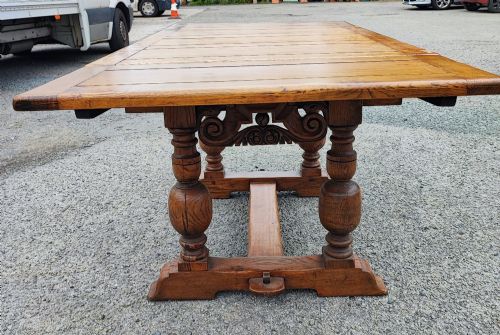
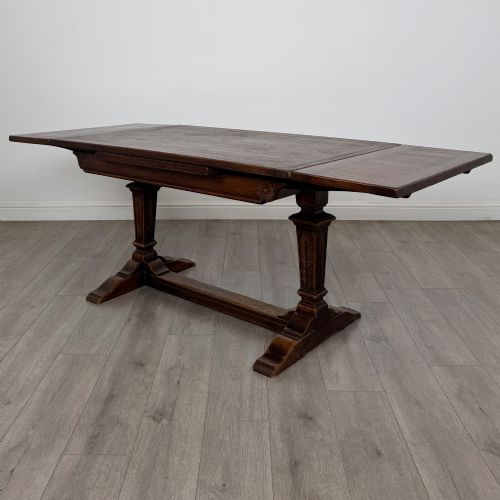
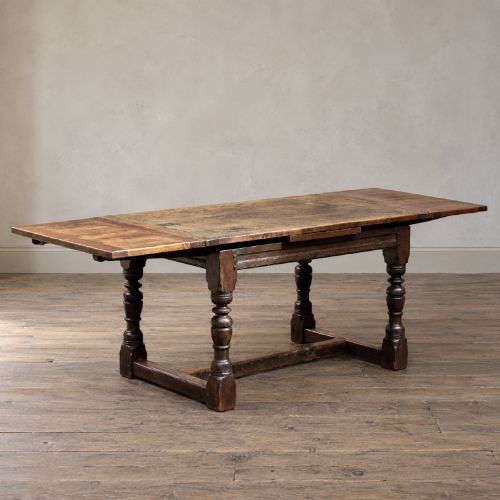
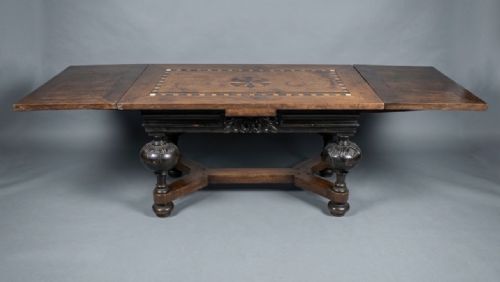
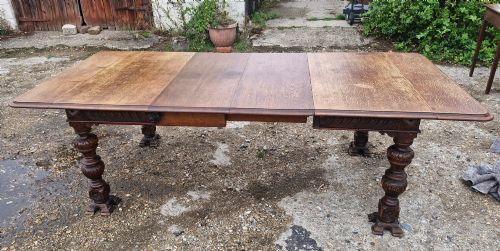
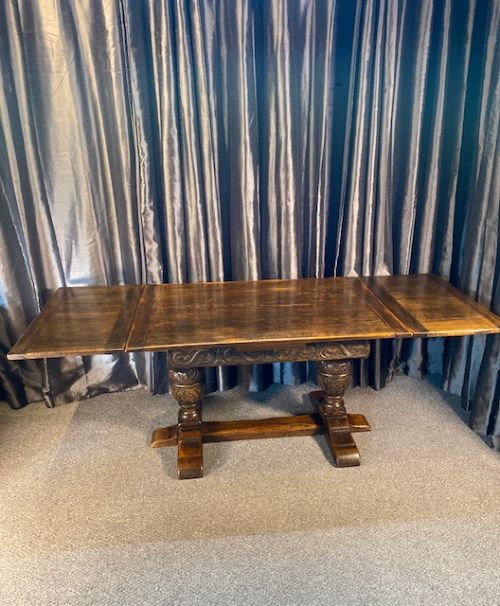
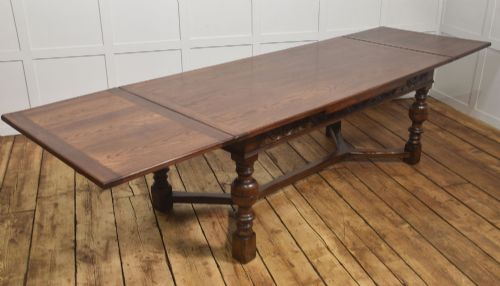
Extending mechanisms define many of these items, allowing refectory and draw leaf tables to expand via pull-out extensions or drop leaves. Solid oak construction underpins the majority of the inventory, often paired with carved friezes or turned supports.
Quality and Execution
The quality of a carved leaf oak table rests upon the crispness of the timber carving and the structural integrity of its extending mechanism. Superior examples display deeply chiselled leaf motifs and heavy gauge solid oak tops that remain flat and stable.
The execution of the joinery marks the difference between workshop production and standard commercial output. Tighter tolerances in draw leaf sliders and smoother operation of gateleg actions indicate skilled carpentry.
Proportion and scale also separate exceptional items from ordinary ones, particularly in seventeenth-century gateleg formats where slender turned legs support substantial top leaves without sagging.
Listings span periods from the 17th Century through the Victorian era and the 1920s, featuring solid oak, brass fittings, and wood inlay.
The Carved Leaf Oak Table Glossary
- Draw leaf table
- A dining table featuring two hidden leaves stored beneath the main surface that pull out to extend the length.
- Gateleg table
- A drop leaf table where hinged legs swing out like gates to support the raised flaps on either side.
- Refectory table
- A long, narrow dining table traditionally used in communal dining halls and supported on heavy trestles or turned legs.
- Bobbin turning
- A form of lathe turning that produces a series of spherical or spool-shaped wooden beads along the length of a leg or stretcher.
- Parquetry
- Geometric wood inlay work arranged in patterns across the surface of a tabletop.
Carved Leaf Oak Table: Frequently Asked Questions
How do draw leaf tables work?
Draw leaf tables operate by sliding two concealed leaves out from beneath the primary central tabletop. As the main top raises slightly, the end leaves pull outward into place.
This mechanism allows the table to expand quickly for dining without requiring separate loose leaves to be stored elsewhere.
What is a gateleg table used for?
Gateleg tables served historically as versatile dining or supper tables that could fold down into compact shapes when not in use. The hinged flaps drop down at the sides.
Swinging wooden legs support the leaves when raised, making these tables adaptable for smaller rooms or occasional entertaining.
How can I date an oak table?
Dating an oak table involves examining the tool marks, construction joints, and hardware styles used in the frame. Hand-cut peg joints and adze marks point to earlier centuries.
Later revival pieces from the Victorian and Edwardian periods often feature machine-sawn timber and more uniform surface wear alongside period styling cues.
Are these tables made of solid oak?
Most listings in this category feature solid oak construction throughout the top, frame, and legs. Some later examples incorporate oak veneers over secondary woods.
Examining the grain pattern underneath the table helps confirm whether the timber extends entirely through the thickness of the board.