



Carved Headboard and Footboard
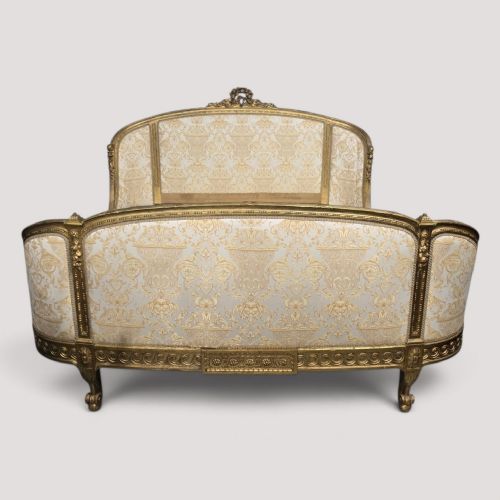
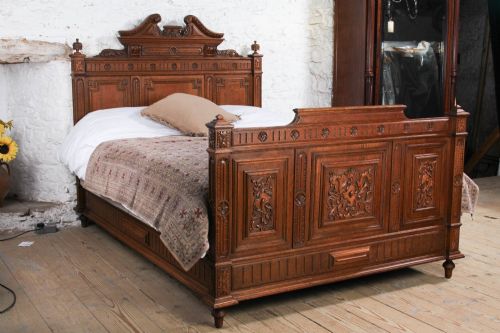
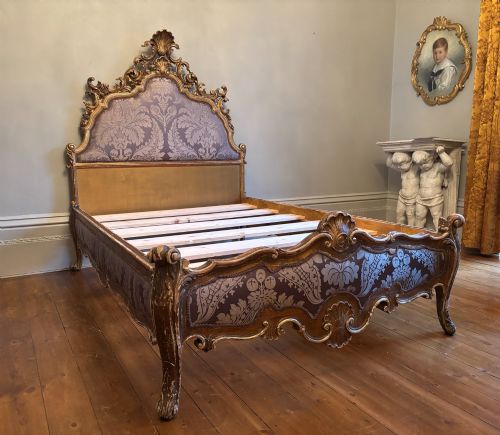
A carved headboard and footboard brings substantial architectural presence to a bedroom, anchoring the space with period woodwork.
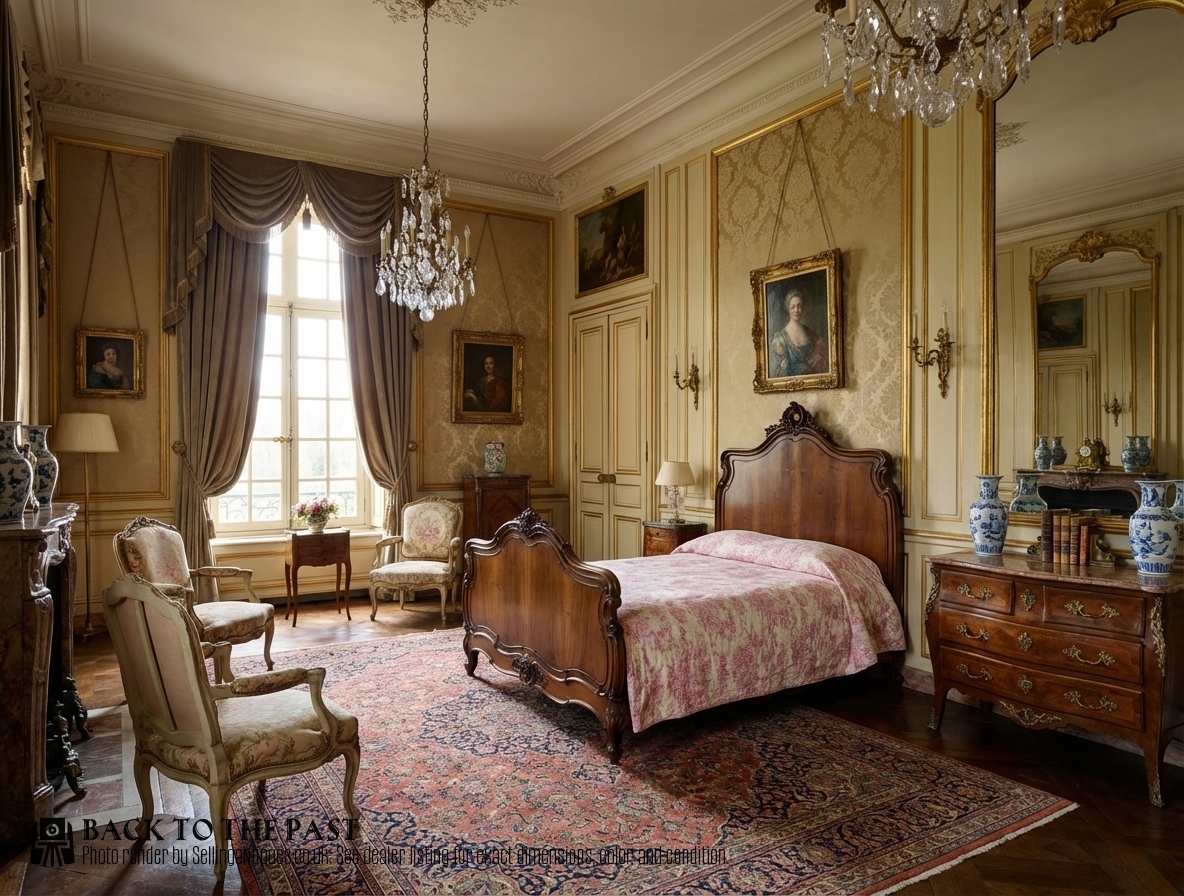
Carved Headboard and Footboard
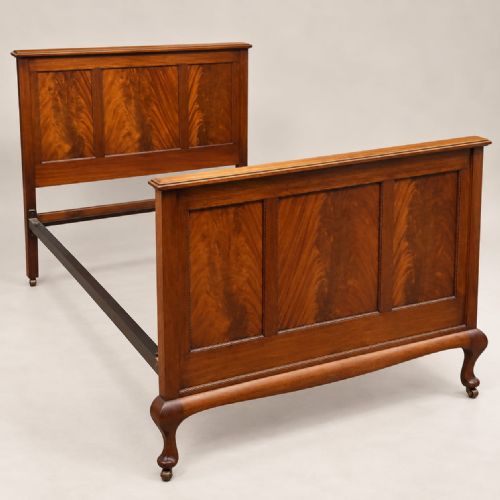
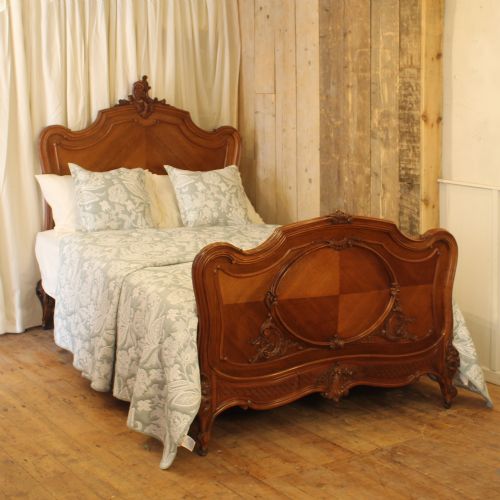
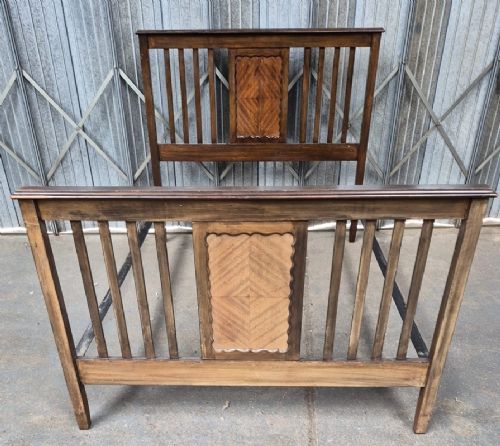
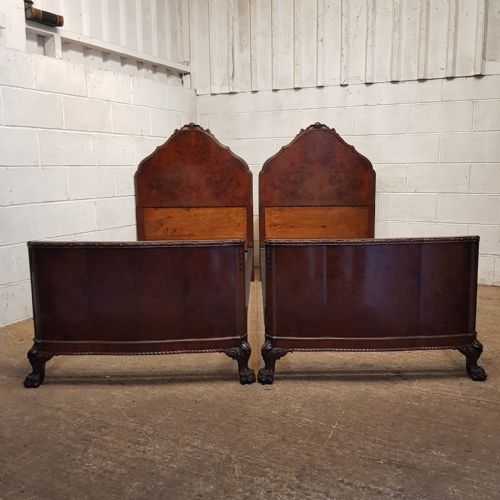
When you search for a carved headboard and footboard, you encounter substantial bedframes, bedsteads and double beds designed to form the focal point of a bedroom. These pieces range from Victorian and Edwardian examples to items spanning the decades between eighteen eighty and nineteen thirty-five.
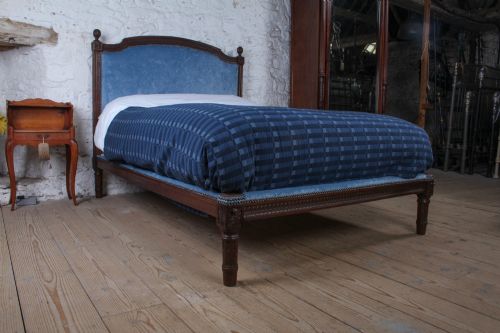
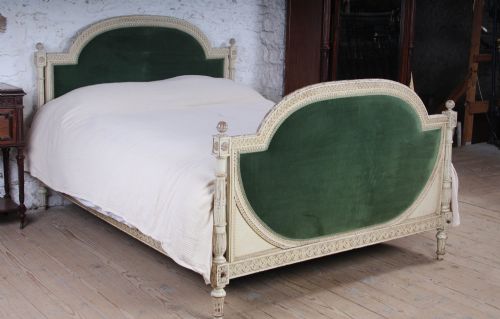
You are most likely to meet French styles on this page, including Louis XV, Louis XVI and provincial interpretations. Walnut, mahogany and painted timber form the primary structures supporting these designs.
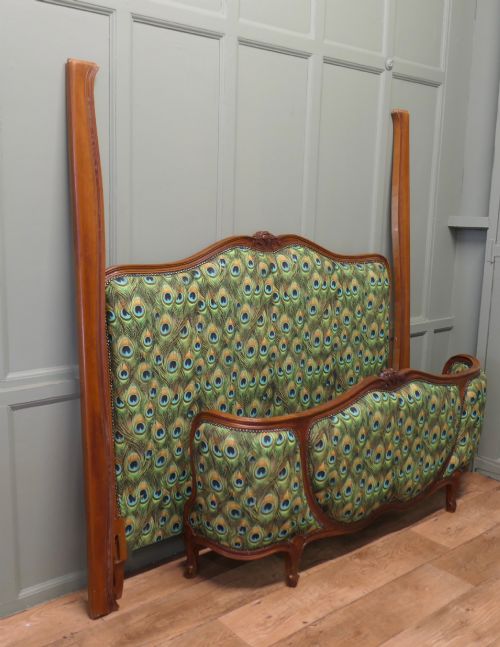
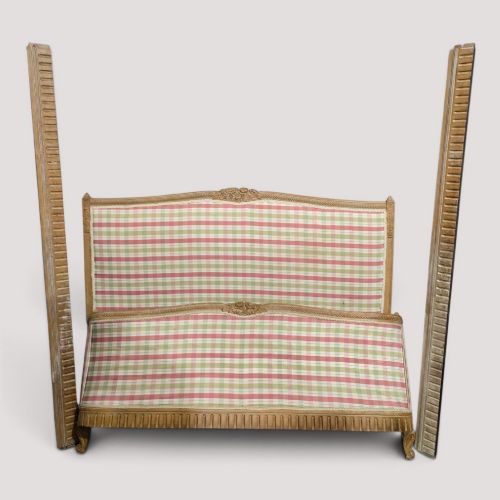
The selection encompasses standard double sizes alongside king-sized formats. Certain variants incorporate upholstered panels or low ends to alter the visual weight within the room.
How they were made
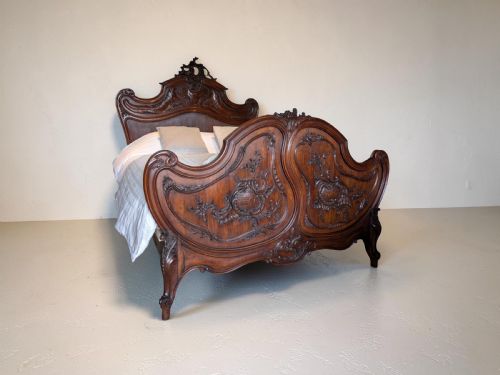
Cabinet makers utilised solid timbers such as walnut, mahogany and oak for the main structural framework of the bedstead. Wood carving was executed by hand to shape floral motifs, scrolls and architectural mouldings into the headboards and footboards.
Secondary materials include brass, fabric for upholstery and painted finishes applied to timber substrates. Joinery methods relied on traditional tenon and mortise joints alongside sturdy iron bed bolts to secure the heavy wooden components together.
Carved Headboard and Footboard Retail Price Guide 2026
Typical asking prices for carved headboard and footboard among the pieces listed under this phrase on Sellingantiques today, from the lower quarter to the upper quarter. They describe what is for sale here now, not the wider market.
Several beds sport convincing bamboo disguises carved entirely from solid wood.
What varies in quality
The depth and crispness of the timber carving separate standard production from superior craftsmanship. Finer pieces display undercut relief work and balanced proportions across the crest rails and foot panels.
Material selection dictates the underlying grade of the item, with figured walnut and dense mahogany demonstrating greater natural durability than softer painted timbers. The structural integrity of the side rails and joint fittings determines how well the bedstead supports modern mattresses.
The Carved Headboard and Footboard Glossary
- Bedstead
- A framework of a bed consisting of headboard, footboard and side rails. This term frequently appears in nineteenth and early twentieth century furniture descriptions.
- Louis XVI Style
- A neoclassical design approach defined by straight lines, symmetry and classical architectural details. Pieces in this aesthetic typically incorporate fluted columns and rectangular panel proportions.
- Faux Bamboo
- A decorative technique where hardwood is turned and carved to imitate natural bamboo stalks. This finish gained popularity during the late nineteenth century.
- Low-End Bed
- A bedstead configuration featuring a reduced footboard height or a low-end design. This style opens up the visual perspective at the foot of the bed.
Carved Headboard and Footboard: Frequently Asked Questions
How do I style a large wooden bed?
Pair the substantial timber frame with neutral bedding to let the carved details of the headboard remain the visual centrepiece. Layering complementary textures softens the architectural weight of the wood.
Position bedside cabinets or lighting that match the era of the bedstead to maintain a cohesive period aesthetic across the bedroom.
Are these beds standard modern sizes?
Many older bedframes originate from periods before modern mattress standardisation was established. Dimensions frequently require careful checking against contemporary sizing.
King size and double designations appear often in the listings, though exact measurements vary across nineteenth and early twentieth century items.
How do I care for antique wood?
Dust the carved wooden surfaces regularly using a soft, dry cloth to prevent particulate buildup in the recesses of the relief work. Avoid placing the bedstead near direct heat sources that might dry out the timber.
Apply appropriate furniture wax periodically to nourish the walnut or mahogany grain and maintain the natural lustre of the finish.
Can I replace the upholstery?
Many pieces feature newly upholstered fabric panels that update the appearance while retaining the original wooden frame. You can commission fresh fabric matching your interior scheme.
Ensure any replacement material adheres to current domestic fire safety regulations for upholstered bedroom furniture.