

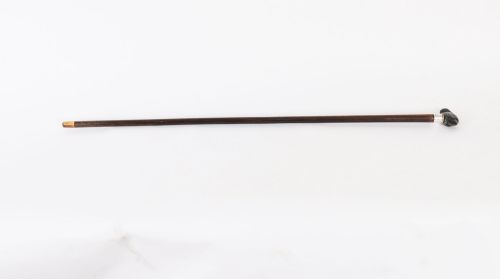
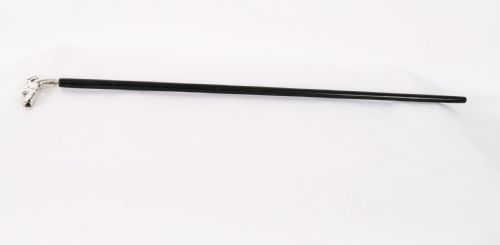




Carved Head Stick
A carved head stick combines practicality with sculptural wit, offering collectors a tactile piece of nineteenth or early twentieth-century social history.
Carved Head Stick
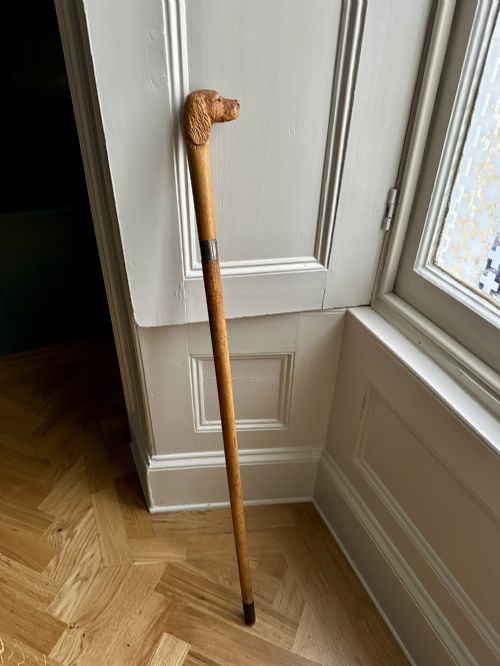
When you search for a carved head stick, you are looking at utilitarian walking supports whose handles take the form of animal likenesses, human figures or novelties. These pieces range from Victorian hound and canine handles to Edwardian wildlife carvings and military presentation pieces.
The versions most commonly met on this page date from the nineteenth century through to the nineteen-thirties. They encompass diverse stylistic traditions including Black Forest animalier work, Asian export designs, Zulu craftsmanship and European folk art.
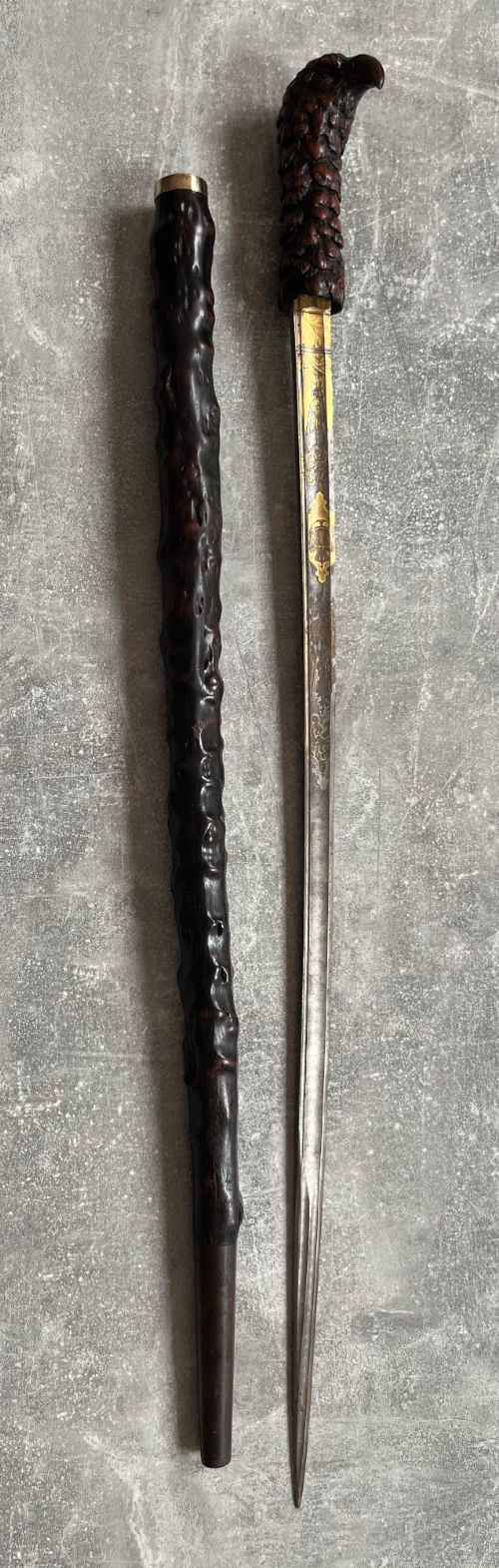
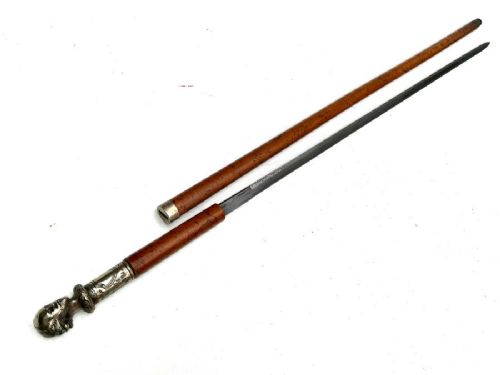
Beyond standard walking sticks and canes, the category includes functional hybrid objects such as sword sticks, folding mechanisms and novelty nutcracker handles. Each piece reflects the distinct personal taste or social standing of its original owner.
How they were made
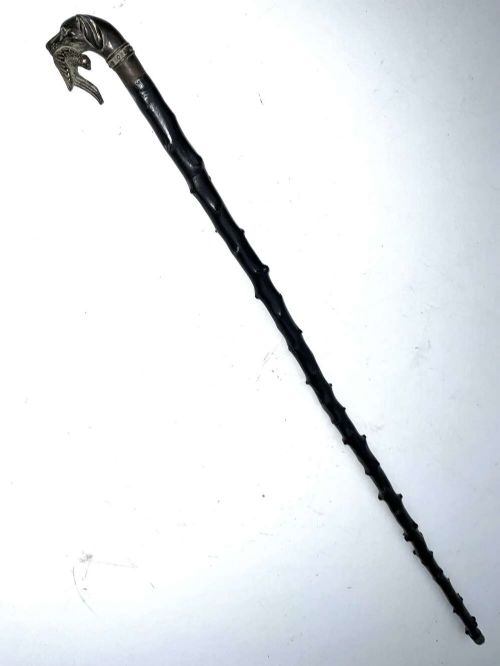
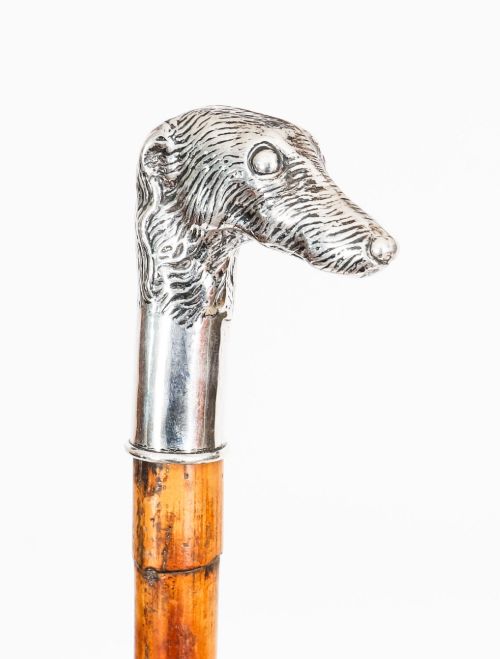
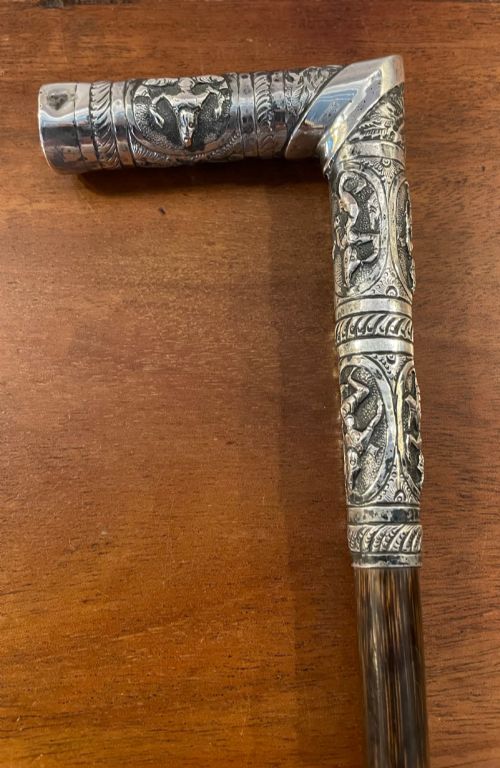
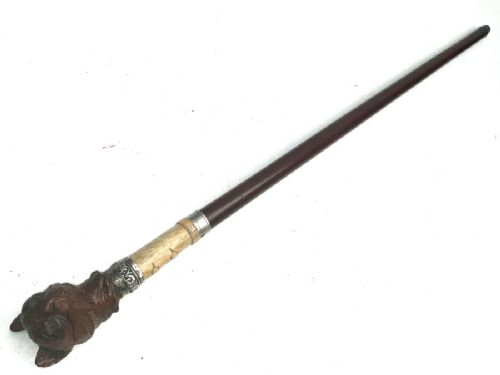
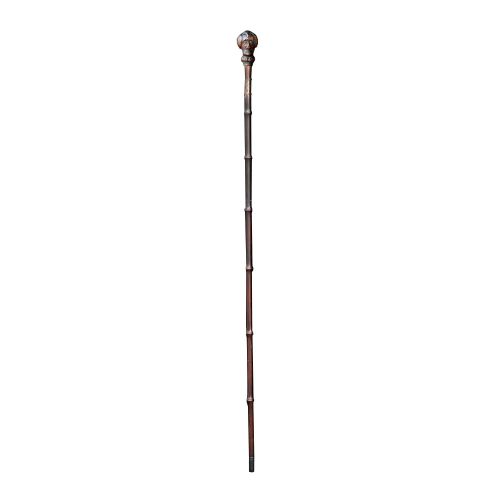
Handles were meticulously hand-carved from dense hardwoods, bone, horn or cast in silver and silver-plated metal, often mounted onto matching wooden shafts made from thorn, bamboo or ebonised wood. Artisans utilised traditional hand tools to capture fine anatomical details in expressions, feathers and fur.
Many examples integrate precious metals and collars to secure the carved head to the shaft, combining structural strength with decorative contrast. Natural materials such as horn and bone were shaped and polished to create smooth grips designed for daily use.
Carved Head Stick Retail Price Guide 2026
Typical asking prices for carved head stick among the pieces listed under this phrase on Sellingantiques today, from the lower quarter to the upper quarter. They describe what is for sale here now, not the wider market.
Current listings feature materials ranging from silver and bone to ebonised wood and carved horn, spanning the Victorian and Edwardian periods.
What varies in quality
The distinction between ordinary and superior pieces lies entirely in the sculptural ambition and execution of the carving. Master carvers achieved spirited realism and expressive character in animal forms, whereas lesser examples remain stiff and formulaic.
Material choice and structural integrity also define the upper tier, where substantial silver mounts, high-grade hardwoods and clever concealed mechanisms remain intact and fully functional. The relationship between the weight of the handle and the balance of the shaft dictates the overall refinement of the piece.
Brigg London
The Carved Head Stick Glossary
- Black Forest
- A style of wood carving originating from the mountainous region of Central Europe, renowned for lifelike animal figures with glass eyes and deep texturing. Pieces often depict dogs, bears and birds rendered with naturalistic intensity.
- Sword stick
- A concealed blade housed securely within the wooden shaft of a walking cane, released by a mechanical catch or screw fitting. These dual-purpose items served as personal protection for gentlemen during the nineteenth century.
- Knobkerrie
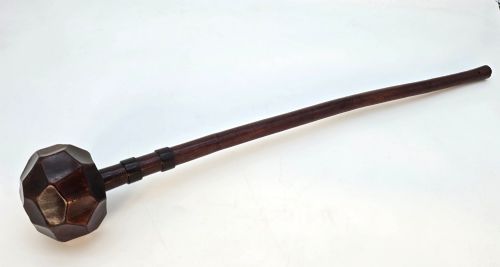
- A traditional African wooden club featuring a rounded heavy head atop a slender shaft, used historically as both a weapon and a status symbol. Examples from this tradition demonstrate indigenous woodworking and throwing utility.
- Ebonised wood
- Timber treated with chemical finishes or dark stains to imitate the dense black appearance of genuine ebony. This technique provided a uniform, elegant backdrop for silver mounts and carved ivory or bone handles.
Carved Head Stick: Frequently Asked Questions
How were sword sticks used?
Sword sticks were carried by gentlemen during the nineteenth century for personal defence when walking through unlit or dangerous city streets. The steel blade remained locked safely inside the wooden shaft until released by a simple mechanism.
While many served as practical defensive tools, others functioned as military presentation pieces or symbols of rank. Their dual nature made them popular among officers and civilian travellers alike.
How do I date a walking cane?
Dating a cane involves examining the materials, construction methods, and any hallmarks present on the metal collars or mounts. Silver hallmarks can pinpoint the exact assay office and year of manufacture for the handle.
Stylistic cues such as Art Deco geometries, Victorian naturalism, or specific military motifs also help narrow down the period. Comparing the wood species and wear patterns provides further clues to its age.
How should I display walking sticks?
Walking sticks are best displayed upright in a heavy umbrella stand or secured in wall-mounted rack displays that support the shaft without putting pressure on the handle. This keeps the collection accessible and prevents warping.
Keep them away from direct sunlight and dramatic humidity changes to protect delicate wooden shafts and organic materials like bone or horn. Regular light dusting helps preserve the original polish and patina.