



English Country Cane
An English country cane brings the tactile warmth of oak, wicker and rattan into a room, offering both practical utility and enduring vernacular charm.
English Country Cane
When you search for an english country cane, you encounter a diverse selection of traditional furnishings and accessories spanning the nineteenth and early twentieth centuries. These pieces reflect the robust domestic traditions of English country houses, taking forms from walking sticks and umbrella stands to wicker chairs and footstools.
The objects appearing on this page range from Victorian oak umbrella stands and Regency rosewood armchairs to Edwardian wicker lawn chairs and carved walking sticks. While walking canes provide personal support or formal display, the larger seating and storage items anchor a room with vernacular craftsmanship.
You are most likely to meet everyday functional items constructed from oak, cane, wicker and various woods, dating primarily from the Victorian era up to the nineteen-twenties. These durable domestic goods were built for practical use in halls, libraries and gardens across the English countryside.
How they were made
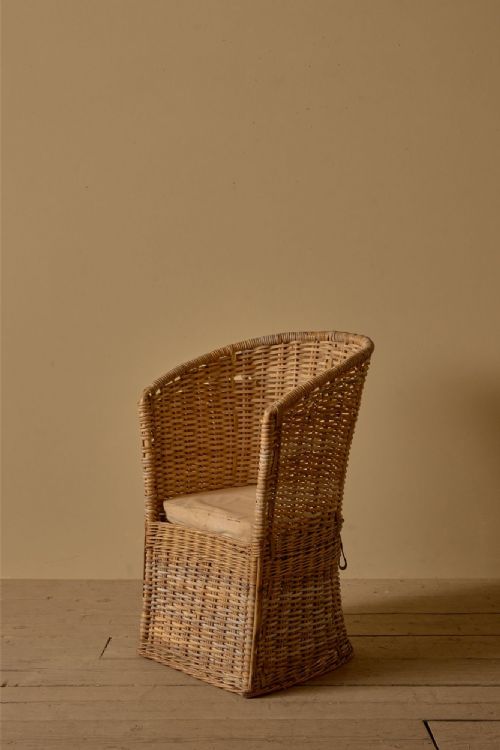
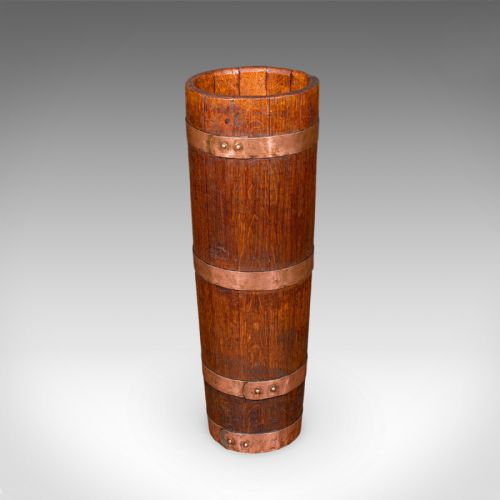
Makers utilised natural materials such as oak, rosewood, mahogany, cane, wicker and rattan, often combining timber frames with woven plant fibres. Coopered construction appears in wooden umbrella stands, utilising tight stave assemblies secured with metal hoops to hold wet walking sticks.
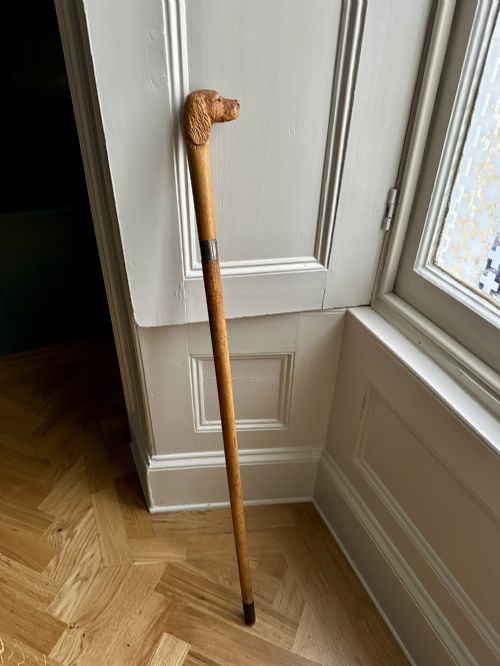
Woodworking techniques ranged from spindle turning and bobbin framing to detailed carving, as seen on walking sticks featuring carved animal heads. Woven elements rely on pliable materials like wicker and rattan bent and secured around rigid wooden or metal structures.
English Country Cane Retail Price Guide 2026
Typical asking prices for english country cane among the pieces listed under this phrase on Sellingantiques today, from the lower quarter to the upper quarter. They describe what is for sale here now, not the wider market.
Listings feature items constructed from natural cane, oak, brass, wicker, rattan, rosewood and metal.
What varies in quality
The standard of a piece depends heavily on the integrity of its materials, whether it is the tightness of the coopered joints on an oak umbrella stand or the evenness of the woven cane on a library armchair. Superior examples maintain their original structural stability without excessive replacement of split wicker or loose spindles.
Refinement of finish and hardware also separates robust utilitarian items from finer reception room pieces, such as the inclusion of cast brass mounts on mahogany stands or precise hand-carving on walking stick handles. Original patination on woods like rosewood and oak indicates honest age and careful preservation.
Brigg London·Dryad of Leicester
The English Country Cane Glossary
- Coopered
- Constructed using vertical wooden staves fitted together and bound by hoops, similar to barrel-making. This technique provides watertight and durable bodies for umbrella and stick stands.
- Bergère
- An upholstered armchair with enclosed sides typically filled with cane or wickerwork. These chairs often feature exposed wooden frames in woods like rosewood.
- Bobbin
- A style of furniture turning characterised by a series of rounded, spool-like shapes resembling bobbins strung together. It creates a distinctive textured profile on chair legs and frames.
- Wicker
- Pliable plant material woven into sturdy items such as baskets, lawn chairs and umbrella stands. It offers lightweight strength and natural texture.
English Country Cane: Frequently Asked Questions
What is an english country cane?
An english country cane typically refers to traditional walking sticks or walking canes associated with rural English life, often featuring carved handles or sturdy shafts. The term also connects broadly to the cane and wicker furnishings found in country house settings.
These items served practical purposes for outdoor pursuits or daily mobility, and they remain collected today for their craftsmanship and historical character.
How were umbrella stands used?
Coopered oak and mahogany umbrella stands were placed in hallways and boot rooms to hold wet walking sticks, umbrellas and riding crops. Their heavy wooden construction and metal linings protected flooring from moisture.
Larger variants often included divided sections to keep numerous walking aids organised and easily accessible for visitors entering the country house.
How do I care for wicker?
Wicker and rattan furniture benefits from gentle dusting with a soft brush and occasional light humidification to prevent the natural plant fibres from becoming brittle. Keeping these pieces away from direct heat sources preserves their flexibility.
Avoiding excessive moisture prevents warping while maintaining the natural colour and finish of the woven materials over time.
How do I identify Victorian pieces?
Victorian items often display heavier proportions, dense hardwoods like oak and rosewood, and robust utilitarian construction methods suited to nineteenth-century domestic life. Stylistic revivals such as Jacobean influences frequently appear on seating from this broad era.
Examining the joinery, wear patterns and metal hardware helps distinguish genuine nineteenth-century manufacture from later twentieth-century reproductions.