
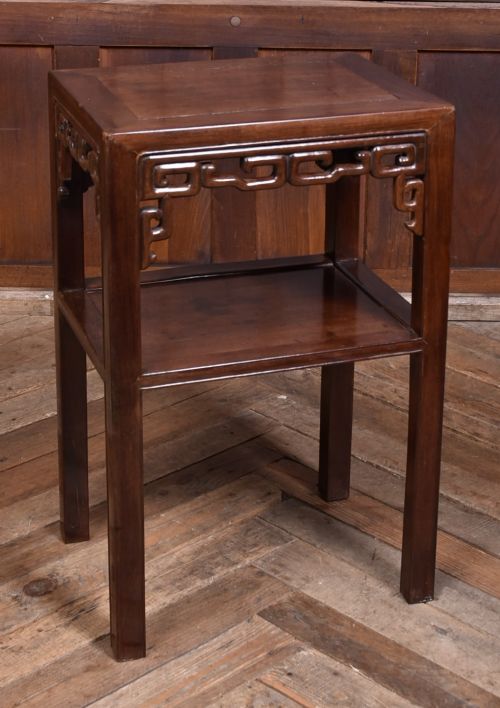
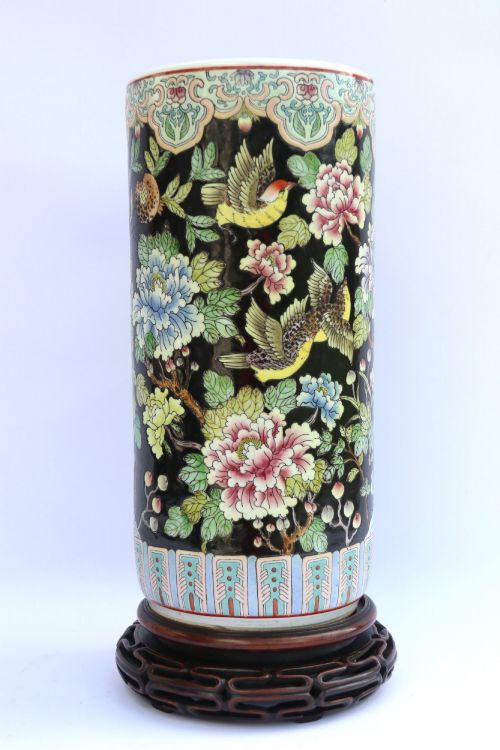
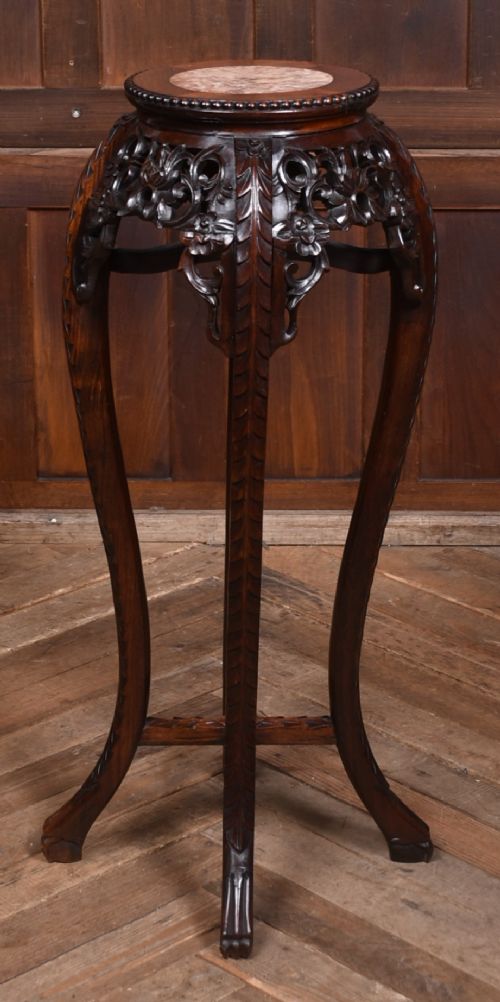

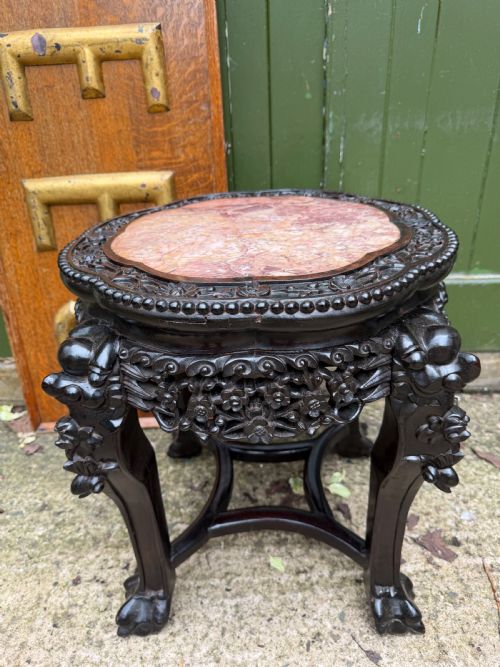


Carved Hardwood Vase Stand
These carved hardwood vase stand examples bring refined elevation to heavy ceramics.
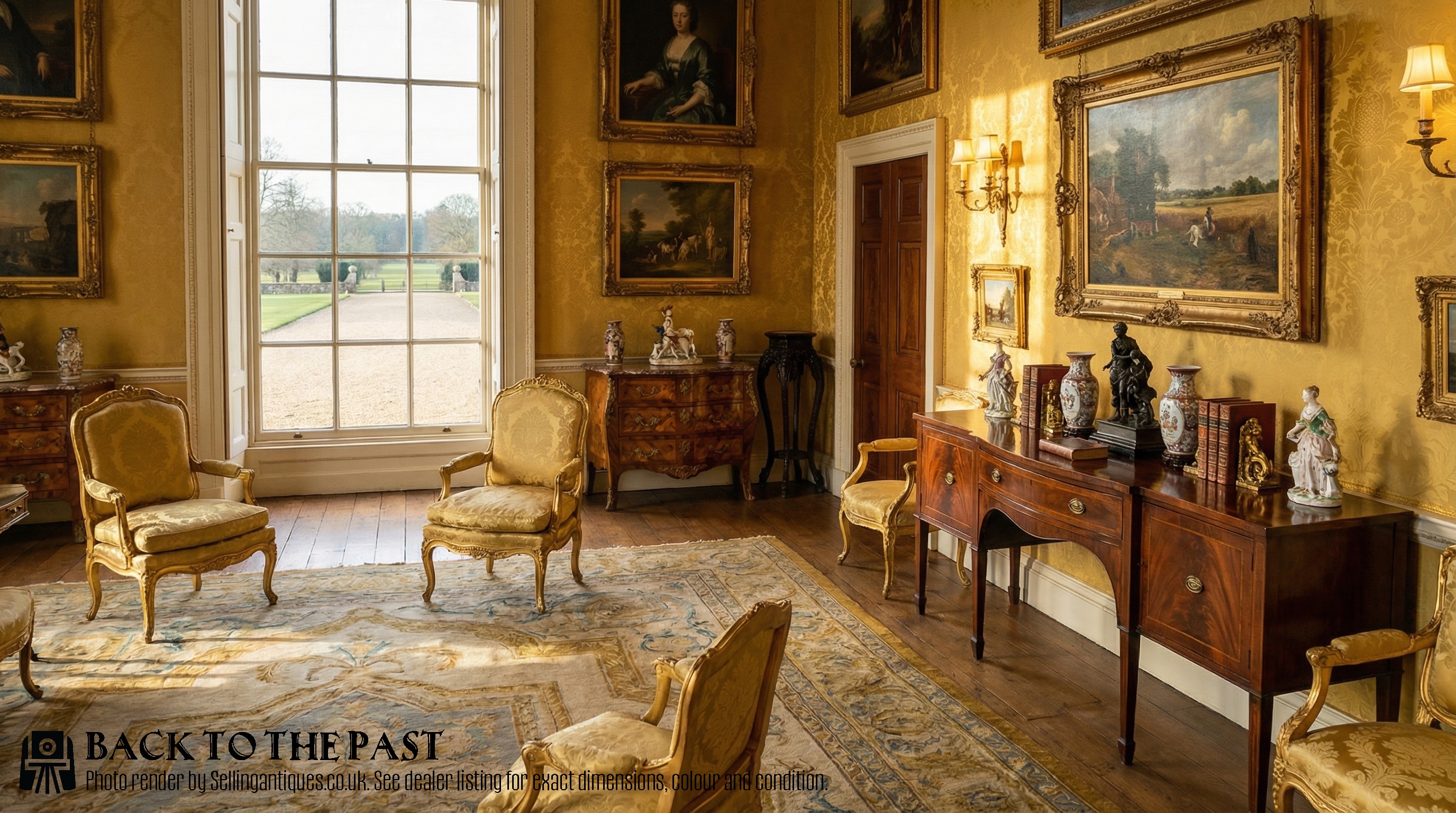
Carved Hardwood Vase Stand
A carved hardwood vase stand provides a stable and decorative platform for heavy ceramics and urns. Buyers searching for a carved hardwood vase stand encounter low table forms and pedestal shapes designed to showcase planters and vases.
Most examples originate from the nineteenth century and the Qing Dynasty, often following traditional Chinese export styles. The selection frequently includes low jardiniere stands, occasional tables, and specific display pedestals.
Pieces frequently appear with inset surfaces intended to protect the timber from moisture. These variations range from compact single stands to matching pairs intended for symmetrical room arrangements.
Materials and Technique
Construction relies heavily on dense timbers such as hongmu, huali, and general rosewood. Artisans shaped these heavy woods using traditional joinery methods that accommodated the natural movement of the material.
Many tables incorporate inset panels of variegated rouge marble or porcelain and enamel plaques. Lacquer and ebonised treatments also appear across the selection to alter the finish of the timber.
Carving ranges from subtle pierced apron details to deep relief work depicting traditional motifs. The dense grain of the hardwood allows for crisp detailing along the legs and feet.
Several stands feature snug marble tops specifically cut to endure decades of dripping water from heavy floral arrangements.
Grading Quality
Depth and crispness of the carving separate standard production pieces from finer examples. Superior specimens display sharp undercut details rather than shallow, mechanical shaping.
The choice of inset material heavily influences the overall quality of the stand. Finely figured marble tops and well-fitted porcelain panels indicate higher workshop standards during the Qing Dynasty.
Structural integrity in dense timbers depends on stable joinery and sound timber selection. Heavier woods demand precise stabilization to prevent splitting along the aprons and joints.
The Carved Hardwood Vase Stand Glossary
- Hongmu
- A dense traditional Chinese hardwood prized for deep colour and heavy weight. It provides a stable foundation for intricate hand carving.
- Huali
- A fragrant and highly decorative rosewood variety utilised in fine classical furniture. The timber exhibits striking grain patterns.
- Jardiniere
- A large ornamental pot or container for plants and flowers. Stands made for these items often feature protective inset stone tops.
- Qing Dynasty
- The final imperial dynasty of China spanning from sixteen forty-four to nineteen twelve. Many surviving export pieces date to the late nineteenth century of this period.
- Export
- Goods manufactured in Asia specifically for Western markets. These items often blend traditional forms with European interior requirements.
Carved Hardwood Vase Stand: Frequently Asked Questions
What is a carved hardwood vase stand?
A carved hardwood vase stand is a low table or pedestal specifically sized to elevate heavy ceramics, planters, and urns. These pieces protect delicate surfaces while framing the vessel above.
Most examples utilise dense timbers and incorporate stable platforms designed to bear substantial weight without shifting.
How were these stands used originally?
Original domestic use involved placing large ceramic vessels, lamps, or decorative jardinières upon the elevated platform. They served both practical and decorative functions in formal rooms.
Placing stone or marble into the top prevented water damage from live plants and heavy vases during daily maintenance.
How do I style a vase stand today?
These stands function effectively as independent side tables, lamp bases, or plant pedestals in contemporary interiors. Their compact footprints allow placement in hallways and corners.
Pairing matching stands creates balanced display symmetry on either side of architectural doorways or seating arrangements.
How do I identify a nineteenth-century piece?
Nineteenth-century examples display traditional Qing Dynasty carving styles executed in heavy tropical hardwoods like hongmu and rosewood. The construction relies on traditional joinery without modern metal fasteners.
Look for natural patination across the timber grain and hand-finished details that indicate period workshop production.