





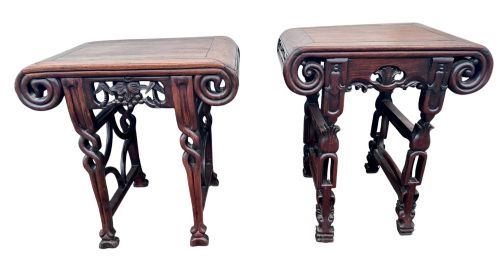


Carved Hardwood Stool
A carved hardwood stool brings solidity and rich grain to a room, offering functional seating with substantial presence.
Carved Hardwood Stool
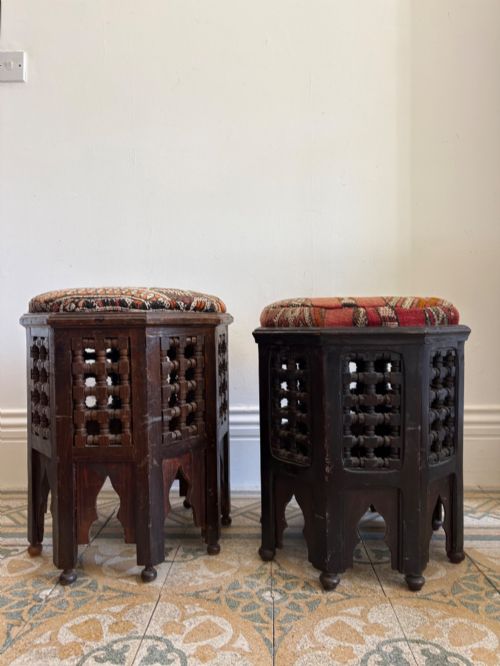
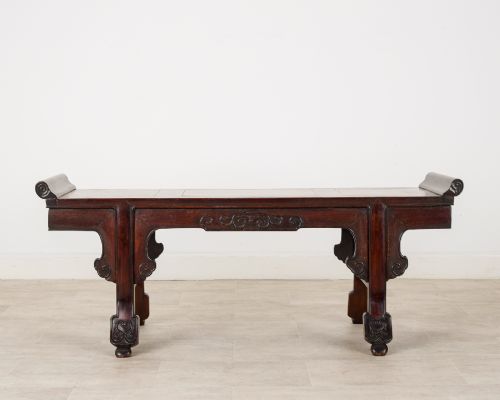
A carved hardwood stool is a sturdy seat or low platform shaped from dense timbers, frequently found in styles spanning Chinese traditional, Qing Dynasty, and Anglo-Indian designs. Buyers seeking these pieces encounter varied forms such as barrel stools, dressing seats, and footstools produced across the nineteenth and early twentieth centuries.
The selection ranges from low occasional tables and plant stands adapted for seating to intricate barrel-shaped drum seats. Many examples integrate inset marble tops or detailed surface relief, reflecting diverse regional origins including China, India, and Africa.
How they were made
Craftsmen shaped these items from dense timbers such as rosewood, hongmu, teak, and ebonised hardwood, utilising natural material density for structural integrity. Surfaces frequently display intricate manual relief carving executed directly into the timber.
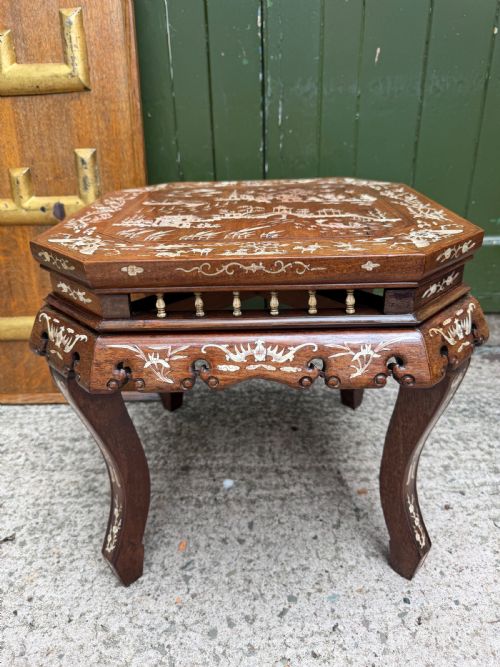
Construction methods occasionally incorporate contrasting materials, with select pieces featuring bone inlay, mother-of-pearl embellishments, or fitted marble panels inset into the wooden frames.
Carved Hardwood Stool Retail Price Guide 2026
Typical asking prices for carved hardwood stool among the pieces listed under this phrase on Sellingantiques today, from the lower quarter to the upper quarter. They describe what is for sale here now, not the wider market.
Listings demonstrate materials ranging from standard timber and teak to bone, marble, and rosewood.
What varies in quality
Quality rests upon the depth and precision of the manual carving, where crispness of detail distinguishes superior craftsmanship from simpler execution. The selection of the underlying timber and the stability of joinery across barrel and low forms also govern overall merit.
The integration of secondary materials dictates distinction at the higher end, such as the flawless fitting of inset rouge marble tops or precise placement of mother-of-pearl and bone inlay.
The Carved Hardwood Stool Glossary
- Hongmu
- A dense, dark tropical hardwood traditionally utilised in Chinese furniture manufacturing. It is prized for its weight and ability to take fine carved detail.
- Huali
- A fragrant rosewood variety favoured in Qing Dynasty cabinet making. This timber displays distinctive grain patterns and deep natural colouration.
- Barrel stool
- A circular or drum-shaped seating form inspired by traditional ceramic vessels. These items often feature structured panel construction and raised central bands.
- Ebonised
- Timber treated with a chemical or pigment finish to imitate expensive ebony. This technique creates a uniform black surface popular in nineteenth-century design.
- Inlay
- Decorative material embedded flush into the wooden surface. Common examples in this group utilise contrasting bone or mother-of-pearl to form geometric or floral motifs.
Carved Hardwood Stool: Frequently Asked Questions
How do I identify a Qing Dynasty piece?
Qing Dynasty items typically display specific timber choices such as hongmu or huali, combined with traditional Chinese carving motifs. These pieces often take the form of barrel stools or low dressing seats.
Examination of the joinery and the depth of the hand-carved relief helps confirm the period production methods and regional origin.
Were these items used purely as seats?
Many examples served multiple functions within domestic interiors, operating interchangeably as low tables, plant stands, or occasional surfaces. Stools with flat wooden or marble tops accommodated lamps and decorative objects just as readily as occupants.
Western influence in export pieces also led to dual-purpose designs functioning as music seats or footstools alongside traditional seating.
How should I care for a hardwood surface?
Maintenance requires protecting the dense timber from extreme humidity fluctuations and direct heat sources to prevent movement in the wood. Routine dusting with a soft, dry cloth preserves the finish without requiring heavy polishes.
Items featuring inset marble or delicate inlay benefit from careful handling around the joins to protect the secondary materials.
What distinguishes Anglo-Indian designs?
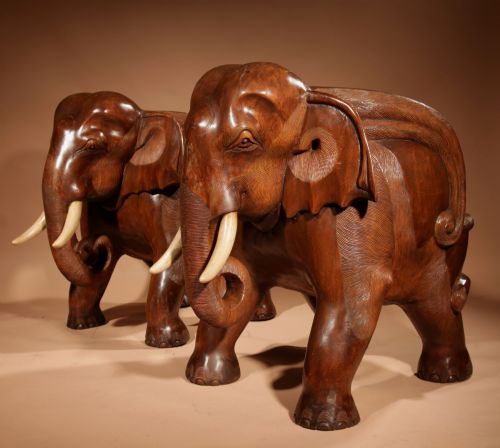
Anglo-Indian pieces combine traditional British furniture forms with intricate carving executed by Indian craftsmen, frequently featuring dense foliage and animal motifs. Elephant figures and deep relief work are common characteristics of these colonial items.
These works were often produced in specific regions such as Bombay during the nineteenth century to serve both local and export markets.