


Antique Carved Bench
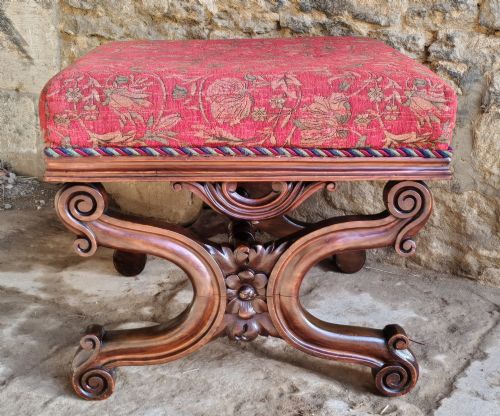
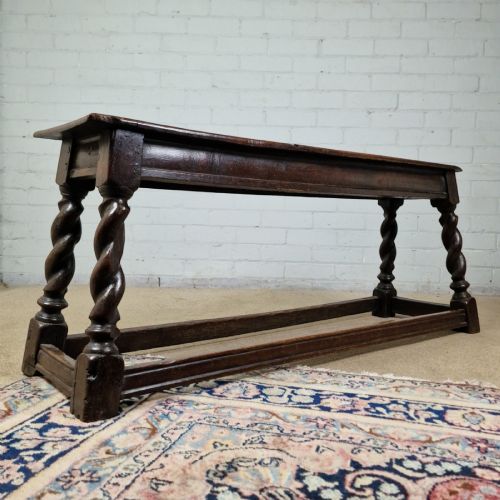
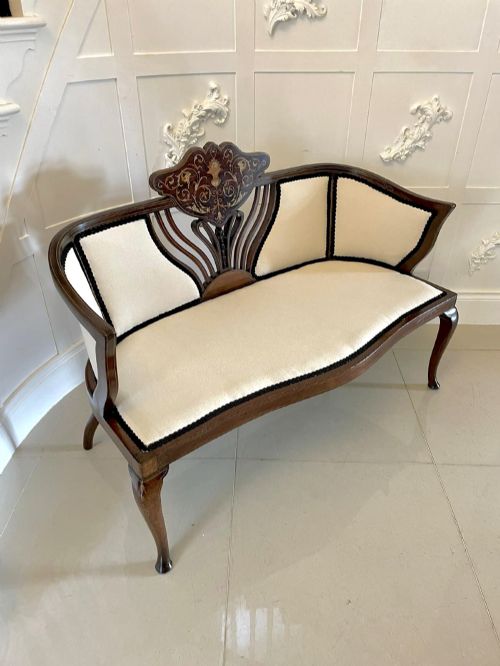
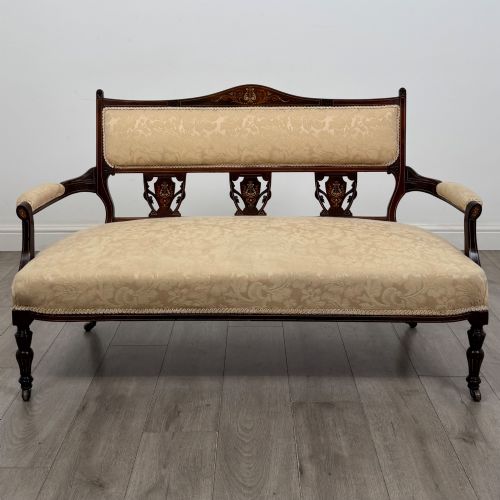
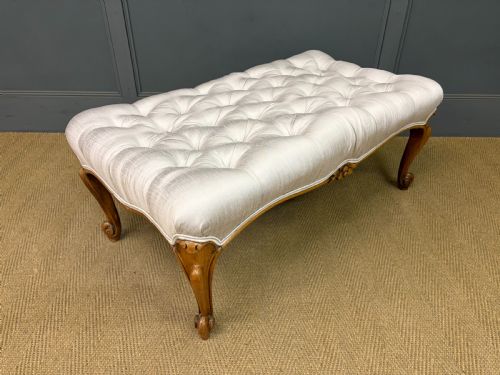
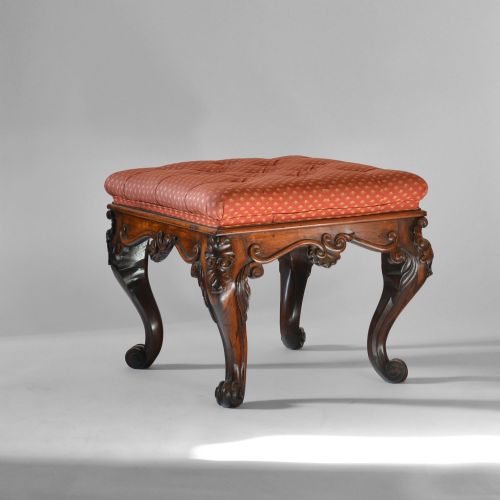
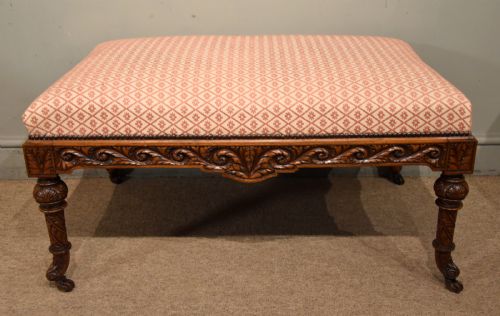
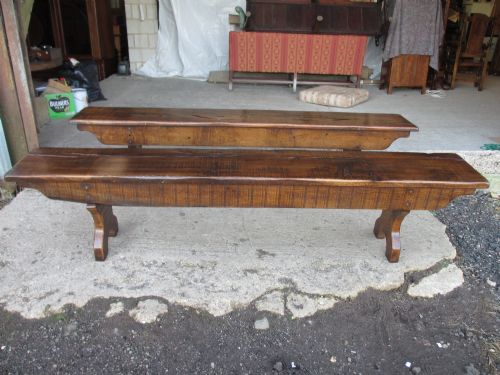
When you search for an antique carved bench, you are looking at substantial seating crafted from oak, walnut or rosewood during the Victorian, Edwardian and earlier centuries.
Antique Carved Bench
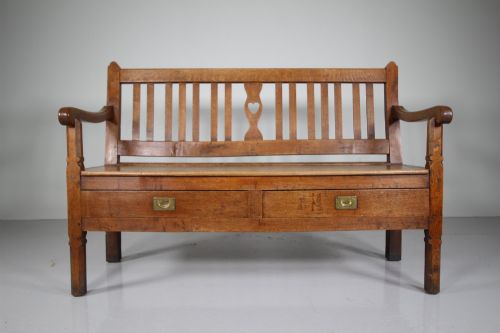
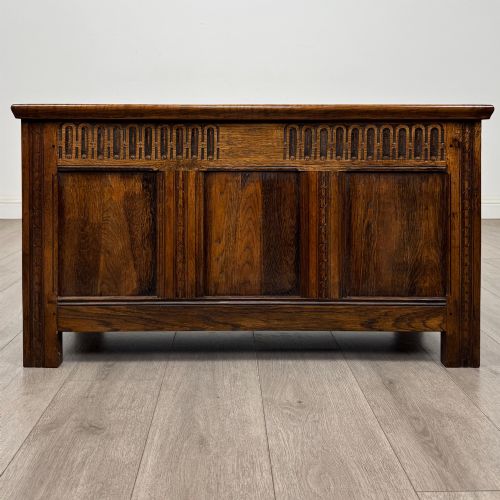
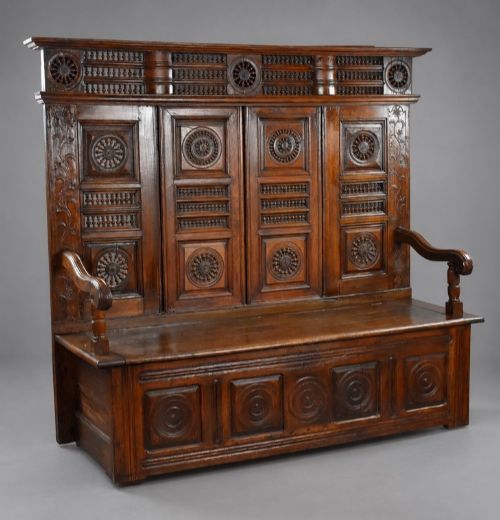
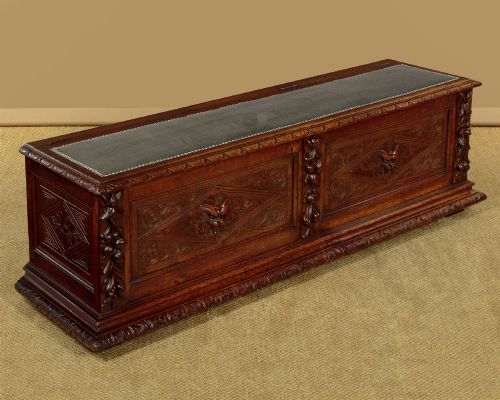
An antique carved bench encompasses diverse forms ranging from high-back settles and monk's benches to hall seats, window seats and blanket box combinations. The pieces seen most frequently on this page originate from the nineteenth and early twentieth centuries, constructed predominantly in solid oak or rosewood.
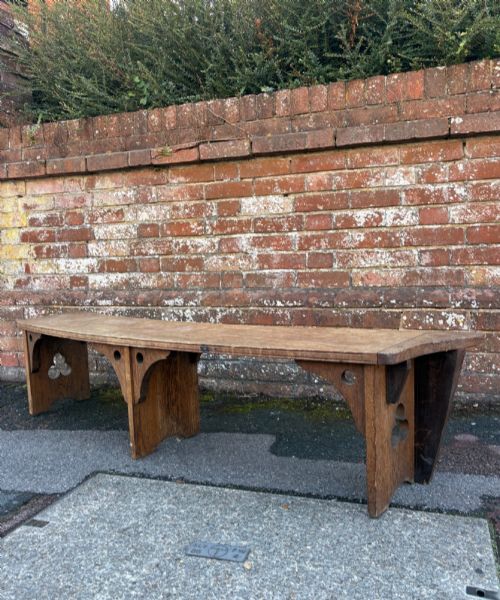
Makers often drew upon earlier regional or historical aesthetics, producing Jacobean revival hall settles, Gothic Pugin style oak benches, and decorative walnut seating. These items served functional roles in large hallways, cloakrooms and living spaces, offering built-in storage via hinged seats or folding table-top mechanisms.
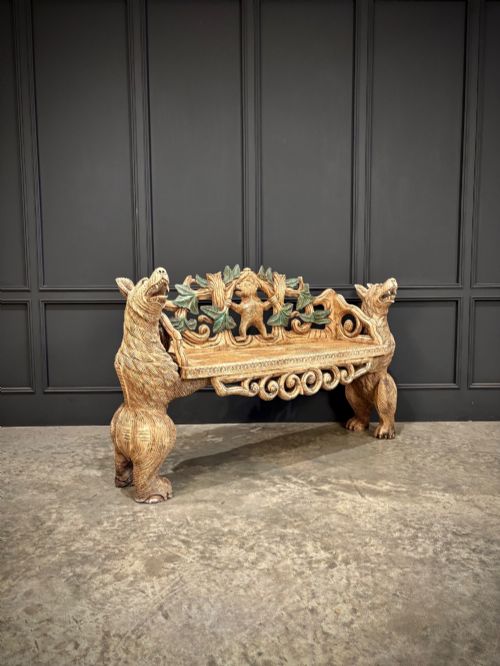
Geographic variations stretch beyond British oak traditions to include Anglo-Indian, Black Forest, Swedish Gustavian and Chinese rosewood examples. Buyers encounter everything from simple panelled hall benches to elaborate canopy top box settles featuring deep relief carving and linenfold panels.
Distinctions in Execution
Quality rests in the crispness and depth of the carved ornament, where master carvers achieved sharp undercut details rather than shallow, mechanical stamping. The selection of timber grain, particularly in quarter-sawn oak displaying prominent medullary rays, dictates the visual weight and stability of the frame.
Proportion and structural integrity define the superior pieces, ensuring that hinged box seats, folding table tops, and trestle ends operate smoothly without relying on modern steel reinforcement. Maker attribution, such as works stamped by Gillows or Waring and Gillows, elevates the historical significance of the framing.
Gillows·Waring and Gillows
The Antique Carved Bench Glossary
- Monk's bench
- A multi-functional oak seat featuring a hinged back that folds down flat over the armrests to form a table. This design became particularly popular during the Victorian revival of earlier domestic forms.
- Settle
- A high-backed wooden bench with solid arms and a closed base designed to block cold drafts in historic entrance halls. Examples often incorporate panelled backrests and lift-up storage compartments.
- Giltwood
- Timber coated with a thin layer of gold leaf over a prepared gesso ground. This luxurious finish appears on Regency and later revival window seats and decorative frames.
- Trefoil
- A graphic architectural ornament composed of three rounded lobes arranged in a cloverleaf shape. It frequently punctuates the carved wooden tracery on Gothic revival furniture.
- Medullary rays
- Natural ribbon-like cellular structures visible across quarter-sawn oak surfaces. Furniture makers prized timber displaying this distinct figuration for high-status panel work.
Antique Carved Bench: Frequently Asked Questions
What is a monk's bench used for?
These dual-purpose items served as compact hallway seating with enclosed storage beneath the lift-up lid. By pivoting the upper back section forward, the piece converted into a flat table surface for small spaces.
Historical examples combine functional utility with heavy carved ornamentation, making them focal points in domestic interiors.
How do I identify a settle?
Settles feature high panelled backs, solid wooden sides, and enclosed bases designed to keep seated occupants sheltered from cold drafts in unheated halls. They differ from standard benches through their substantial architectural presence and integrated box storage.
Most surviving pieces date from the eighteenth and nineteenth centuries, utilising heavy oak construction.
Where were hall benches placed?
Victorian and Edwardian households positioned these seats in entrance hallways and vestibules to provide a place for putting on or removing outdoor footwear. The built-in compartments held gloves, walking canes, and heavy garments.
Their narrow profile allowed them to sit flat against passage walls without obstructing movement.
What distinguishes Gothic revival seating?
Gothic revival pieces draw inspiration from medieval architecture, incorporating pointed arches, trefoil carvings, linenfold panelling, and heavy structural framing. Makers in the nineteenth century utilised these motifs to evoke an older, ecclesiastical aesthetic.
Executed primarily in solid oak, these benches often display deep relief work and substantial trestle ends.