
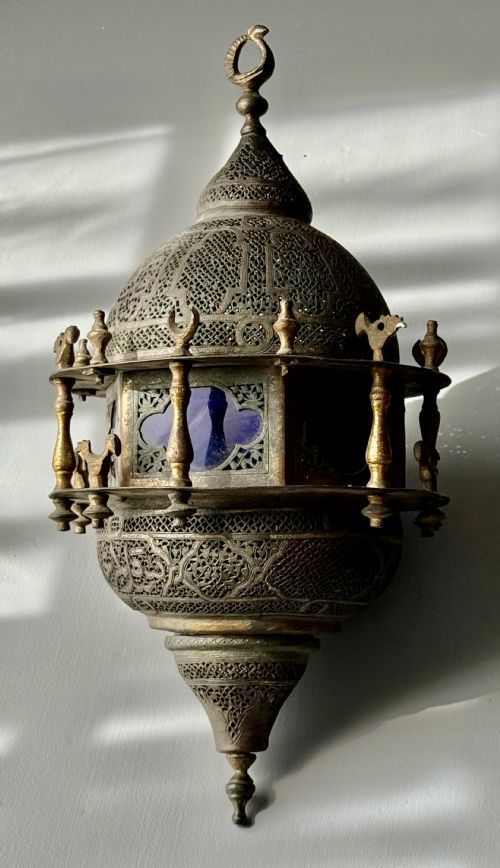
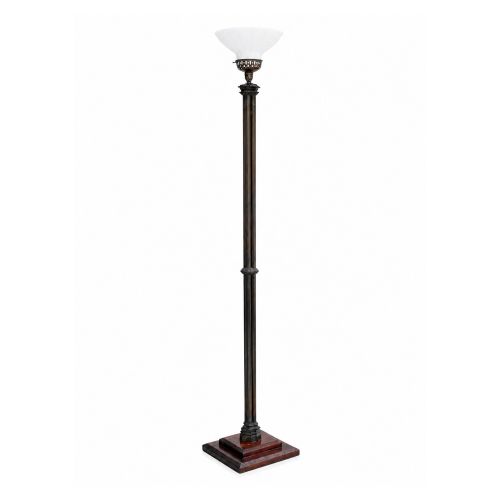
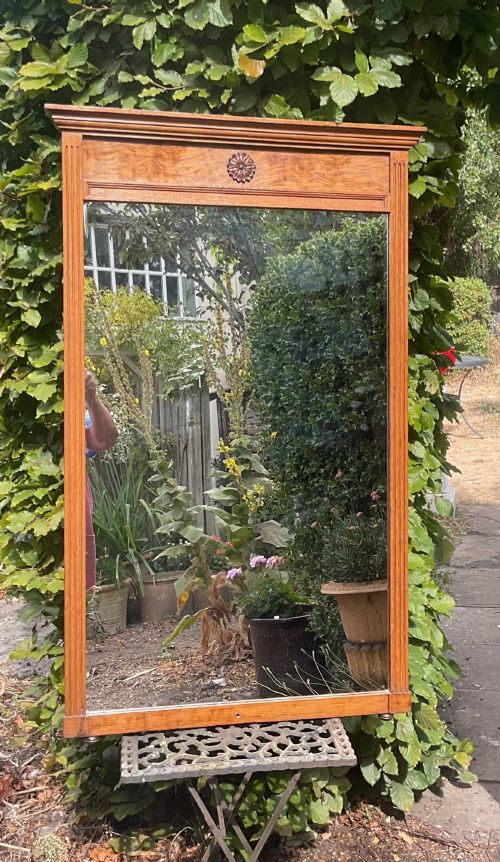
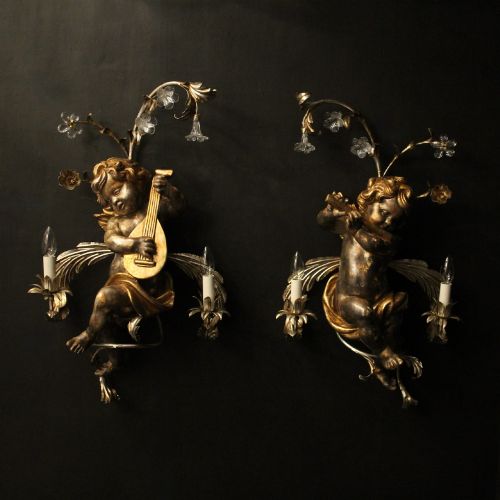


Carved Glass Lighting
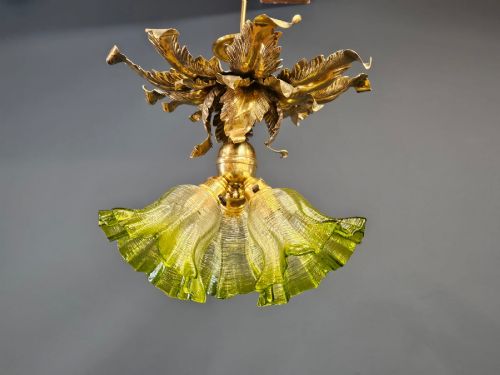
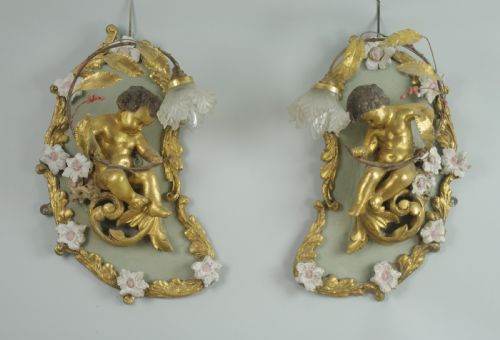
Carved glass lighting brings together period glasswork and hand-carved frames to illuminate interiors with distinct textural depth.
Carved Glass Lighting
Carved glass lighting encompasses hanging lanterns, wall lights, chandeliers, and table lamps that merge illuminated glass elements with carved supports.
The selections span from the nineteenth century into the 1930s, featuring Victorian, Edwardian, and Art Deco design vocabularies.
Pieces frequently combine carved materials such as oak, giltwood, and wrought iron with frosted, etched, or stained glass components.
Materials and Construction
Frames rely on hand-carved woods like oak and giltwood alongside cast metals, brass, bronze, and wrought iron to provide structural integrity.
Lighting elements utilise specialist glass techniques, incorporating frosted surfaces, mould-blown opaque grapes, and etched crystal domes.
Assembly combines traditional joinery and metal fabrication to secure heavy glass shades within ornate carved armatures.
Listings feature items spanning the 19th century, Victorian period, Edwardian era, and the 1930s, utilising glass, brass, oak, and giltwood.
Quality Variations
Quality rests upon the crispness of the wood or metal carving and the tactile weight of the glass components.
Finer examples display harmonious proportions between the carved armature and the integrated glass shade, whereas lesser pieces show mechanical uniformity.
Baccarat·W Watson And Sons
The Carved Glass Lighting Glossary
- Girandole
- A branched wall light or sconce incorporating a mirror to reflect and multiply the illumination.
- Frosted Glass
- Glass treated with acid or sandblasting to create a textured, matte surface that diffuses light softly.
- Giltwood
- Timber carved and coated with a thin layer of gold leaf or gold paint, frequently seen in ornate frames.
- Toleware
- Painted or lacquered sheet metal often utilised for decorative elements on period light fixtures.
Carved Glass Lighting: Frequently Asked Questions
How do I clean antique glass shades?
Remove the glass component from the carved frame if possible and wash it gently in lukewarm water with mild soap. Avoid harsh chemical cleaners that can damage period finishes or etched details.
Dry the glass thoroughly with a soft cloth before reattaching it to the brass or iron mount.
Are these lights compatible with modern wiring?
Most period fixtures require professional rewiring to meet contemporary electrical safety standards before installation. A qualified electrician can adapt internal fittings without altering the exterior appearance.
Retain original brass or bronze lamp holders where feasible to preserve historical authenticity.
How can I date a carved wooden light fixture?
Examine the tool marks on the carved wood, as hand-carved oak and giltwood exhibit distinct chiselling techniques that differ between the Victorian era and the 1930s. Fasteners, screw types, and mounting brackets also provide reliable chronological markers.
Stylistic cues such as Art Deco geometric lines or Victorian Gothic motifs further anchor the piece to a specific decade.