
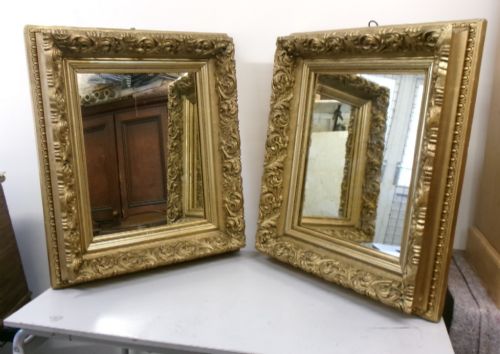

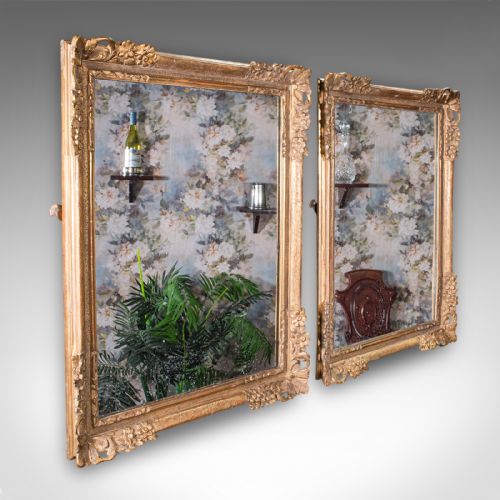
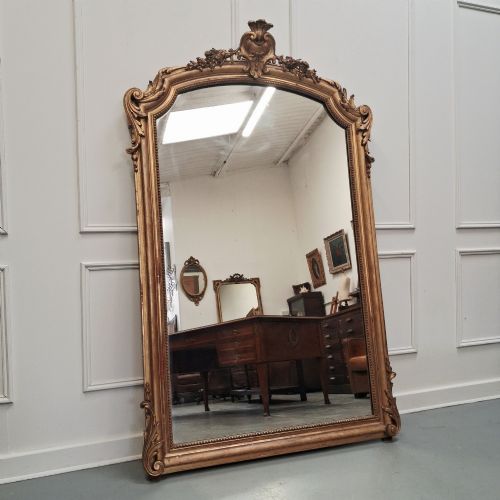
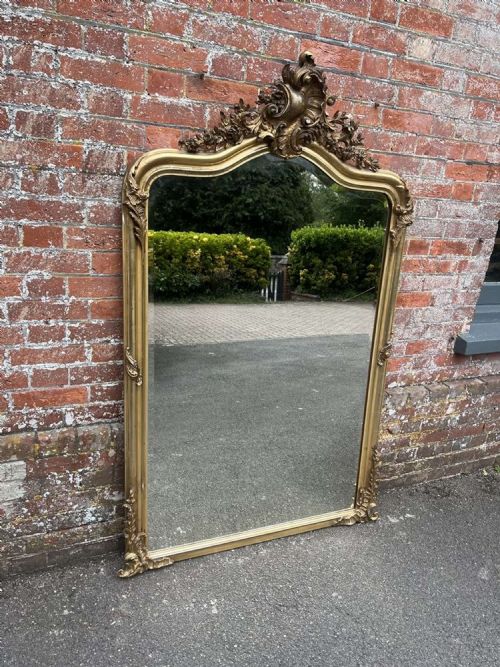
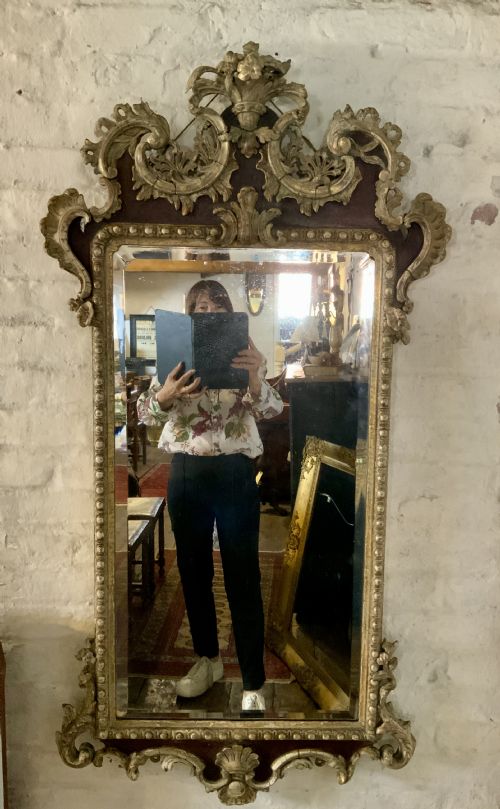
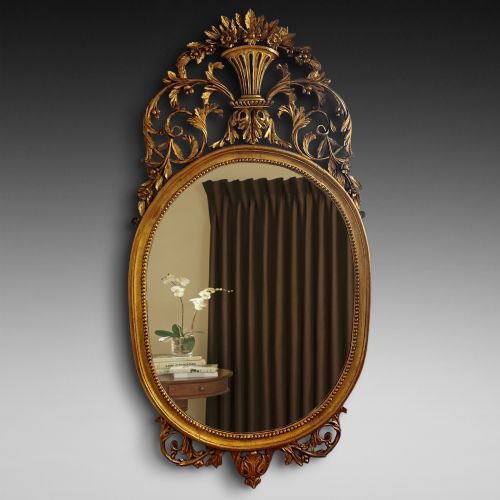
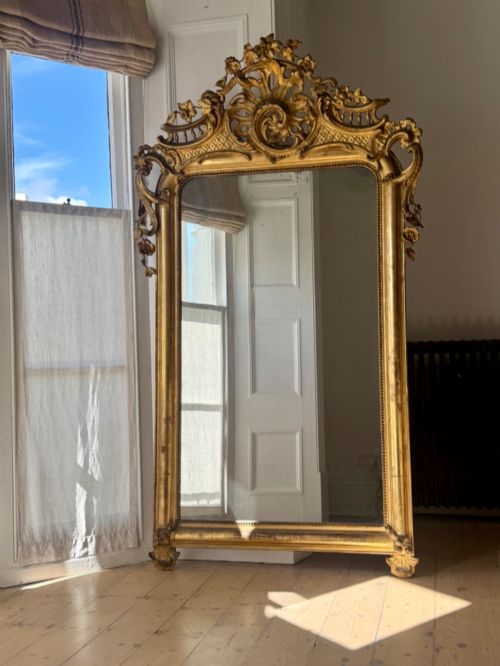
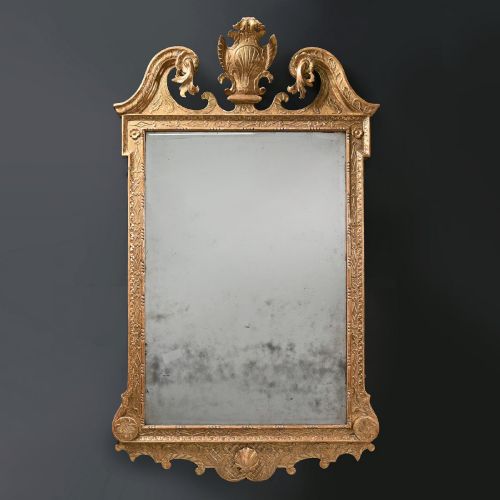
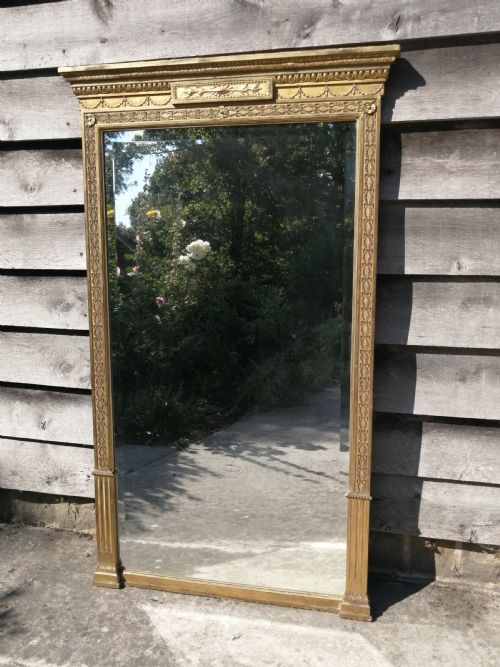
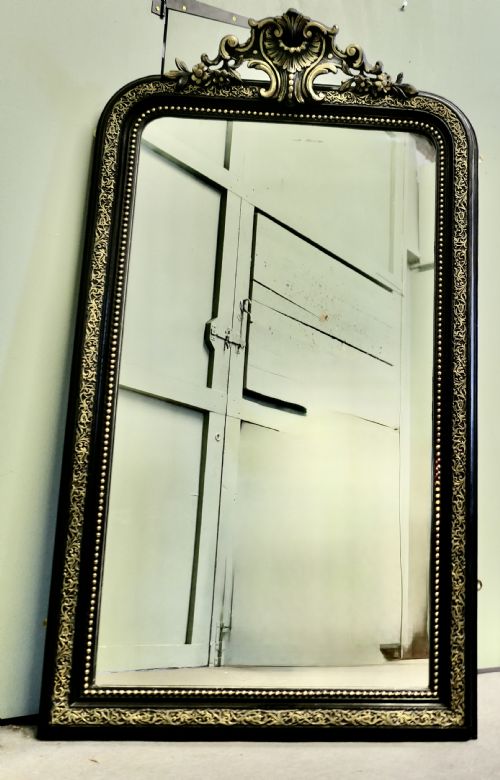
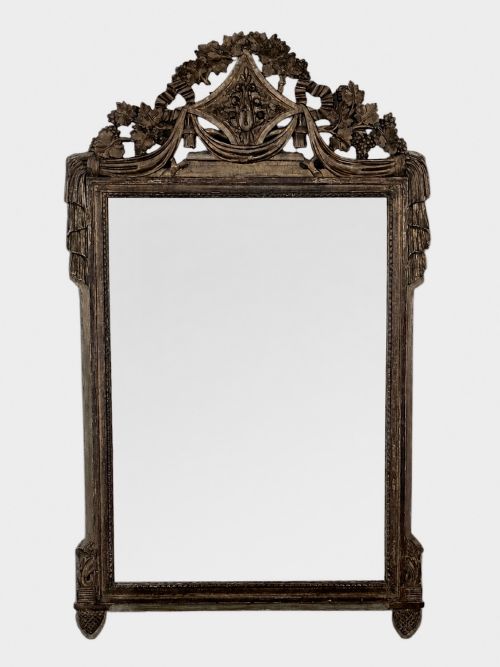
Carved Giltwood Pier Mirror
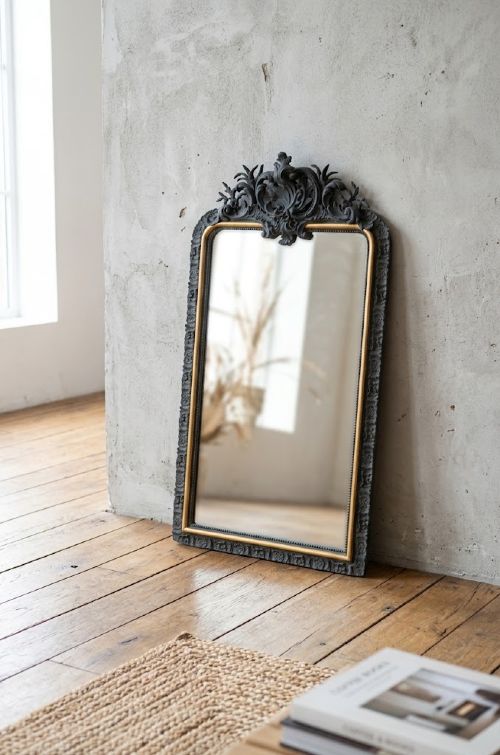
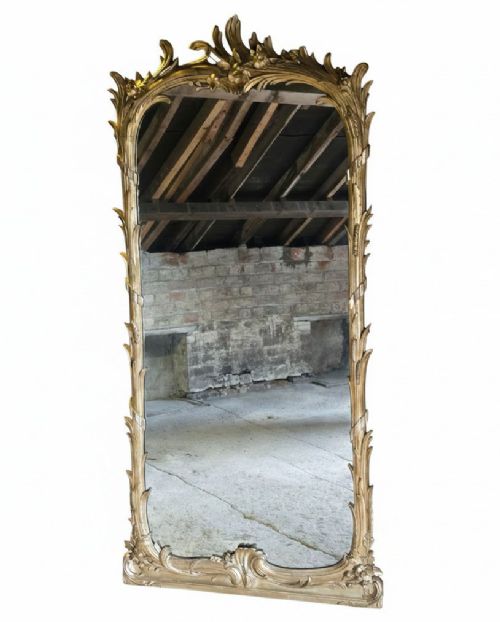
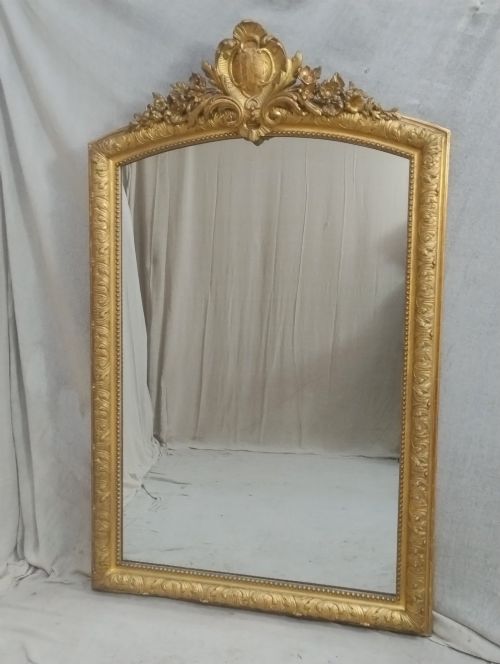
A carved giltwood pier mirror brings architectural depth and reflective light to a room, designed specifically to hang on the wall space between windows.
Carved Giltwood Pier Mirror
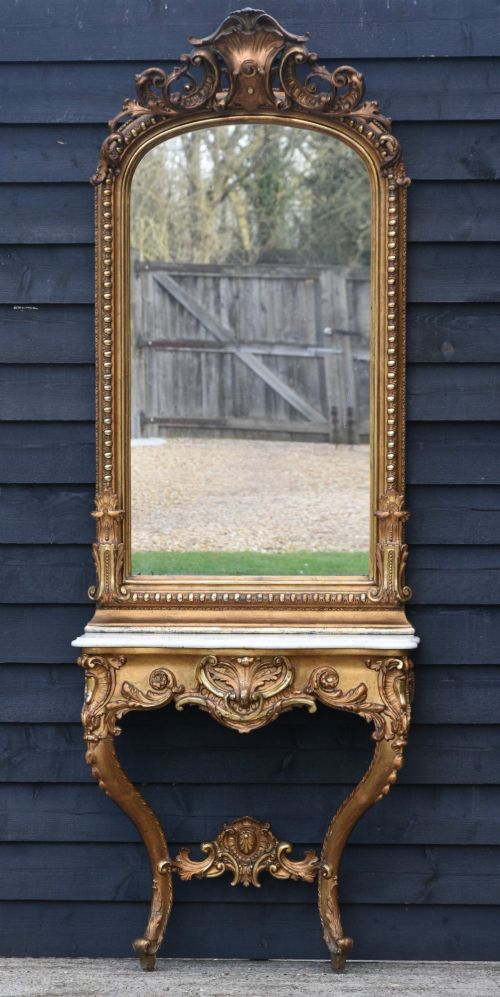
When searching for a carved giltwood pier mirror, you encounter tall, vertical wall glasses designed to sit between architectural windows or above console tables. The examples recorded here span from the eighteenth century through to the late nineteenth century, encompassing Georgian, Regency, and French revival styles.
The domestic interior of the eighteenth and nineteenth centuries relied on these tall glasses to bounce natural light around panelled reception rooms. You are most likely to meet nineteenth-century interpretations on this page, alongside earlier Georgian and Regency pieces that utilise gesso and carved wood frames.
What varies in quality
The crispness of the hand-carving defines the upper tier of these pieces, where undercut foliage and sharp architectural details show the hand of a skilled artisan rather than a mechanical mould. Lower-tier examples rely heavily on thick gesso over coarser timber bases, where fine detail is lost under heavy layers of subsequent restoration.
Originality of the mirror plate and gilding dictates the long-term character of the piece. Plates that retain their original silvering or early mercury glass carry greater integrity than those replaced in later decades, just as un-retooled gilding preserves the subtle patination accrued over centuries.
Listings feature eighteenth-century walnut and parcel-gilt examples alongside nineteenth-century French chateau styles and Regency pier glasses.
The Carved Giltwood Pier Mirror Glossary
- Giltwood
- Wood that has been coated with thin sheets of gold leaf. This finish requires a prepared gesso ground to hold the metal leaf.
- Gesso
- A plaster mixture applied to wood frames to create a smooth surface for carving and gilding. Artisans can model fine relief work into this material before it sets.
- Pier glass
- A tall mirror designed specifically for the wall space between two windows. These pieces often accompanied matching console tables in formal rooms.
- Mercury glass
- An early mirror plate produced by pouring a mercury-tin amalgam behind glass. This method creates a dark, uneven reflection with characteristic foxing.
- Trumeau
- A decorative wall panel that incorporates a painted scene or oil painting above a mirror plate. These French pieces frequently feature carved wooden frames.
Carved Giltwood Pier Mirror: Frequently Asked Questions
Where should I hang a pier mirror?
These mirrors were originally scaled to fit the narrow wall space between two windows, where they reflected incoming daylight back into the room.
In modern interiors, they work effectively above low sideboards, console tables, or as full-height leaners in hallways and drawing rooms.
How do I identify original mercury glass?
Original mercury plates show distinct dark spots, speckling, and a warm, uneven reflection that lacks the clinical clarity of modern glass.
This foxing occurs as the amalgam ages behind the glass over decades of exposure to atmospheric changes.
Are these mirrors heavy to hang?
Due to the dense timber frames, thick gesso, and heavy glass plates, these pieces require substantial structural support in the wall.
Professional installation into masonry or secure wall studs is essential to bear the considerable weight safely.
How do I clean a gilded frame?
Dust the carved surface gently with a soft, dry brush to prevent abrasive particles from scratching the delicate gold leaf.
Avoid liquid cleaners, water, and chemical polishes entirely, as moisture strips the historic gesso and metal leaf.