
Giltwood Frame Wall Mirror
A giltwood frame wall mirror brings warmth and reflected light to a room, drawing the eye with carved detail and gilt surfaces.
Giltwood Frame Wall Mirror
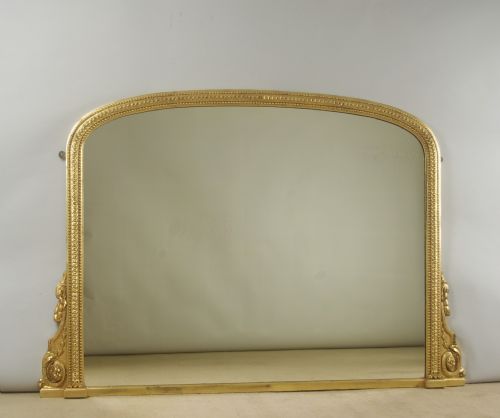
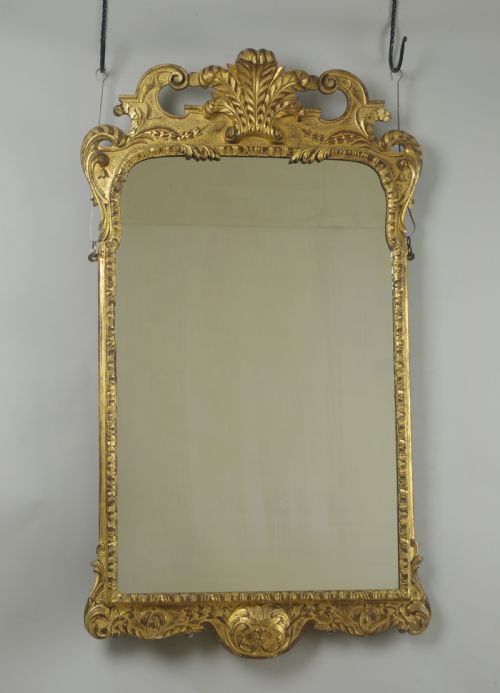
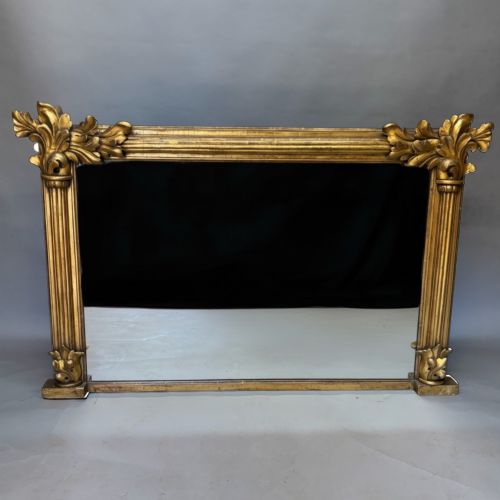
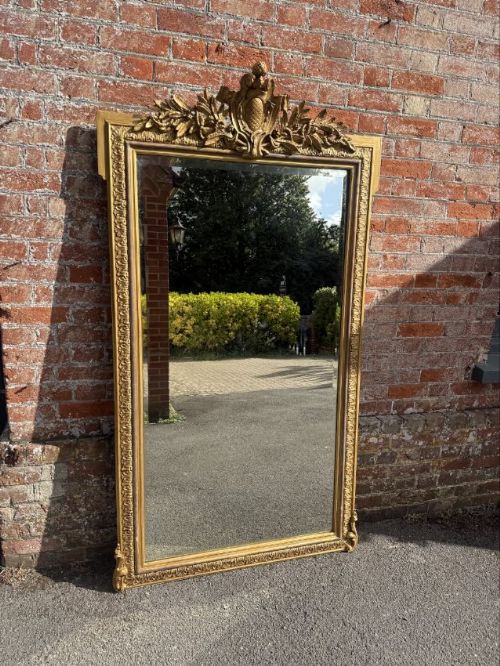
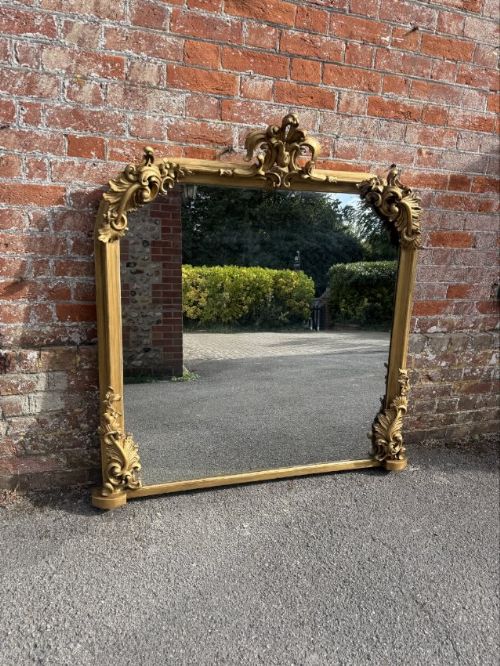
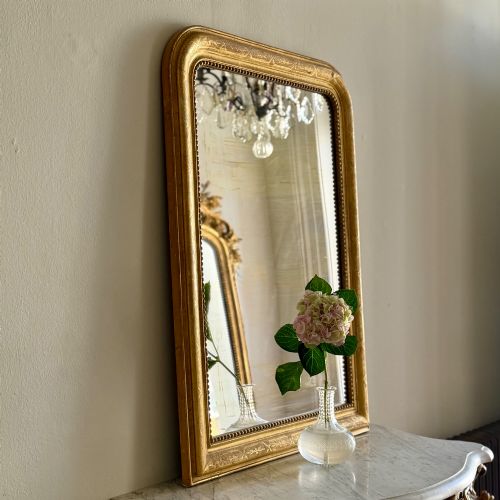
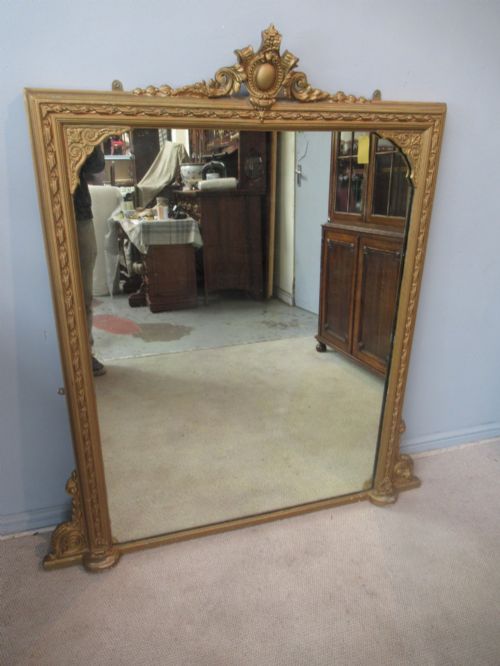
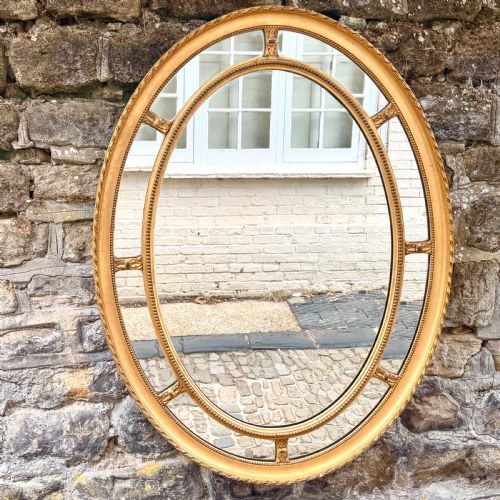
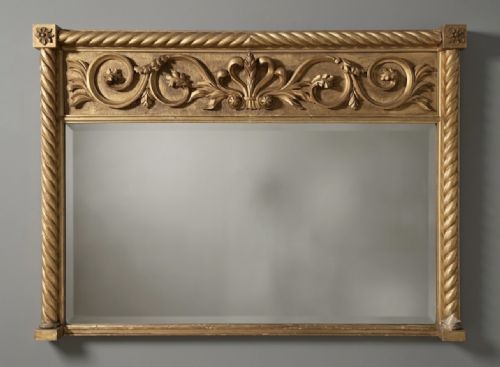
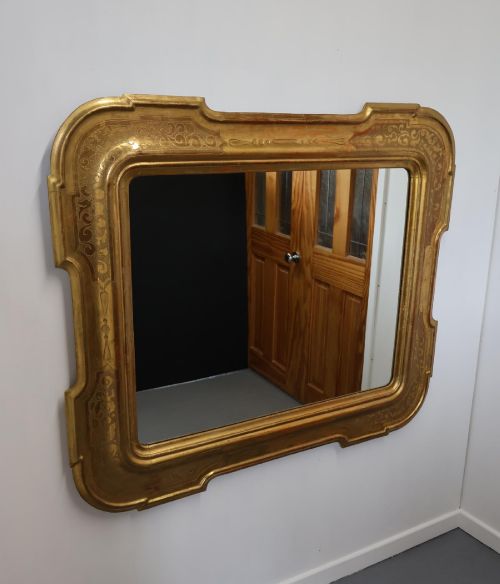
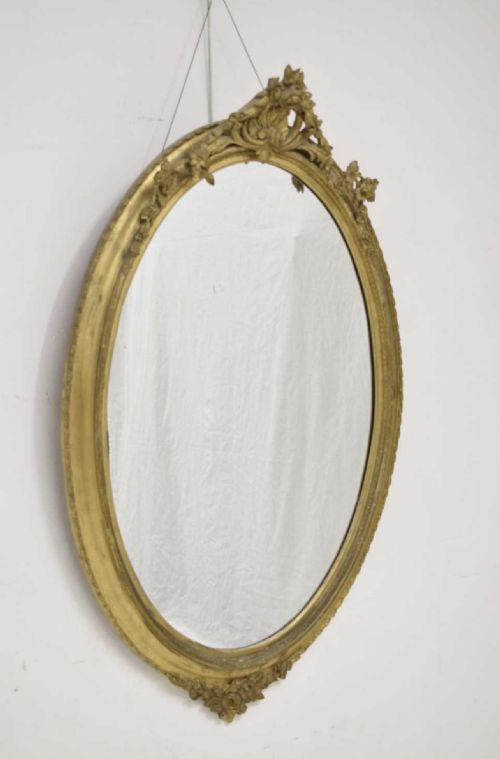
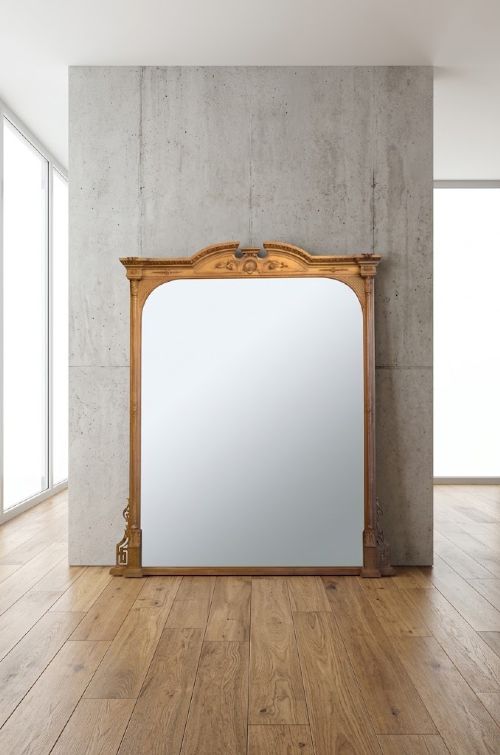
A giltwood frame wall mirror encompasses large overmantel pieces, grand pier glasses, and smaller oval or circular wall hangings designed to catch and multiply daylight.
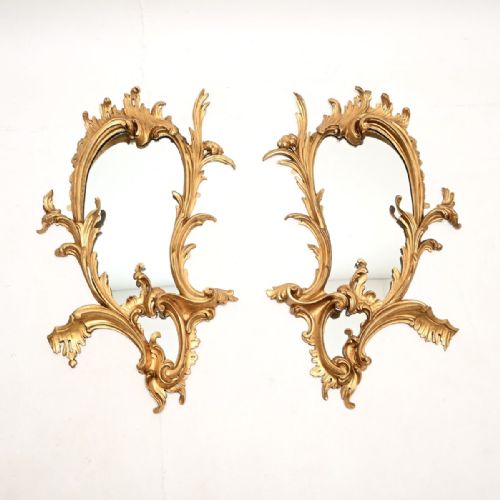
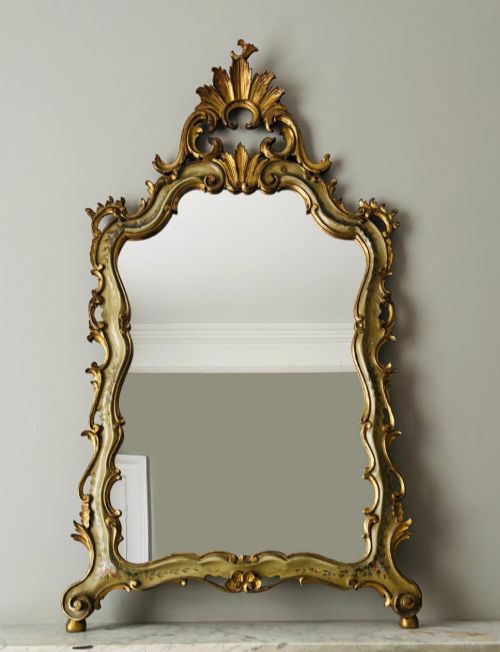
The pieces encountered on this page span the eighteenth, nineteenth, and early twentieth centuries, originating from English and French workshops in styles ranging from Rococo Revival and Regency to ornate Florentine carvings.
Buyers select these mirrors to anchor a mantelpiece, fill a tall wall space between windows, or serve as a standalone decorative statement in a hallway or reception room.
How They Were Made
Makers built the structural carcases from timber such as wood, walnut, or ebonised wood, applying layers of gesso to build up deep relief before carving intricate motifs like acanthus leaves, rose vines, and floral garlands.
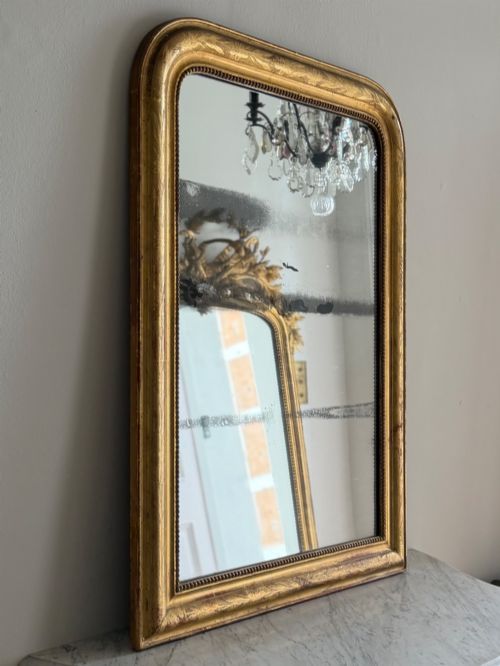
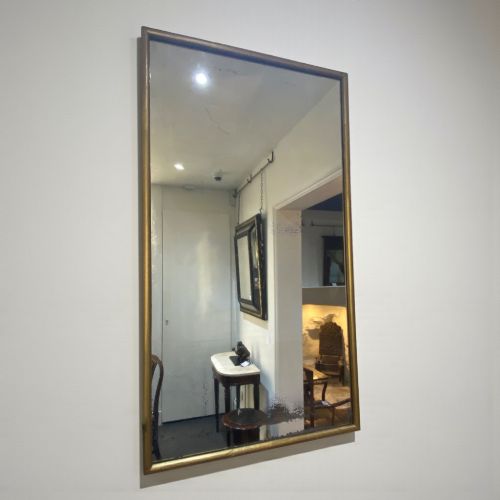
The reflective surfaces rely on traditional glass plates, occasionally retaining mercury glass or foxed ageing that shows characteristic darkening and spots.
Gilding was achieved by applying gold leaf or composition metal over the prepared gesso ground, sometimes combined with silver-gilt finishes.
Listings feature eighteenth-century walnut, nineteenth-century gesso, and early twentieth-century timber frames set with mercury glass and bevelled mirror plates.
What Varies in Quality
The depth and crispness of the hand-carved detail distinguish finer examples, where crisp floral motifs and rosettes retain sharp edges beneath the gilding rather than appearing softened by heavy gesso buildup.
The integrity of the original mirror plate and the richness of the underlying gold leaf surface determine the visual depth of the piece, separating carefully preserved period items from later restorations.
The Giltwood Frame Wall Mirror Glossary
- Giltwood
- Wood that has been coated with gold leaf or metal leaf. This finish provides the characteristic metallic sheen seen on period frames.
- Gesso
- A plaster-like mixture applied to a wooden base and carved before gilding. It allows for intricate moulded and dimensional ornamentation.
- Overmantel mirror
- A large mirror specifically proportioned to hang above a fireplace mantel. These pieces often feature wide rectangular or arched formats.
- Mercury glass
- An early type of silvered glass produced by pouring a mercury amalgam between double-walled glass. It creates a cloudy, atmospheric reflection.
- Pier mirror
- A tall, narrow mirror designed to hang on the wall space between two windows. They frequently incorporate lower consoles or girandole arms.
- Girandole
- A decorative wall mirror fitted with candle sconces attached to the frame. The polished branches reflect the candlelight across the room.
Giltwood Frame Wall Mirror: Frequently Asked Questions
How do I hang a heavy overmantel mirror?
These substantial frames require secure fixing directly into wall studs or masonry using heavy-duty brackets rated for the weight.
Professional installation ensures the frame remains stable and distributes the load safely across the wall surface.
Are mercury glass mirrors original?
Mirrors dating from the eighteenth and nineteenth centuries frequently utilise mercury glass or early silvering techniques.
Over time, this glass develops foxing, which appears as characteristic dark spots and adds authenticity to the piece.
How do I clean a giltwood frame?
Dust the carved surface gently with a soft, dry brush to prevent damage to the delicate gold leaf layers.
Avoid liquid cleaners and moisture, as water can lift the gesso and composition ornamentation from the wooden base.
What is the difference between an overmantel and a pier mirror?
Overmantel mirrors are wide horizontal pieces designed to sit above fireplace surrounds.
Pier mirrors are tall and narrow, built to fit the specific wall space between architectural windows.